Year: 2002
Runtime: 103 min
Language: English
During the 1960s, Freddie Foreman establishes himself as a dominant figure in London's criminal underworld. He orchestrates a series of audacious robberies and violent encounters, navigating a landscape of shifting alliances and ruthless betrayals. His reign is marked by a string of unsolved murders and a constant struggle for power within the city's shadowy crime scene.
Warning: spoilers below!
Haven’t seen Gangster No. 1 yet? This summary contains major spoilers. Bookmark the page, watch the movie, and come back for the full breakdown. If you're ready, scroll on and relive the story!
Read the complete plot breakdown of Gangster No. 1 (2002), including all key story events, major twists, and the ending explained in detail. Discover what really happened—and what it all means.
The film begins with an unnamed British veteran gangster attending a boxing match with his friends. During their conversation, he learns that Freddie Mays, another notorious gangster, is about to be released from prison after 30 years. This news causes him to fall silent, prompting him to leave the table in an attempt to gather himself.
As the story unfolds, we flash back to the 1960s, showcasing the younger gangster’s rise to prominence. He catches the eye of Freddie Mays, who recruits him as an enforcer. Eager to impress, the young gangster displays his violent tendencies, which endear him to Mays. Nevertheless, he becomes increasingly obsessed with Mays’ success and lavish lifestyle, marked by Mays’ stylish clothing and upscale apartment.
Upon discovering that Lennie Taylor, Mays’ rival, is plotting to kill Mays, the gangster makes a fateful decision: Instead of warning Mays, he allows the attack to happen and eliminates the only other gang member aware of the scheme. What follows is a horrifying scene where Taylor’s gang shoots and stabs Mays, and tragically, they also murder Karen, Mays’ fiancée.
Seeking revenge, the gangster retaliates by confronting Taylor at his flat, shooting him in the leg, and ultimately torturing him to death. The following day, he learns that Mays survived the attack but has been unjustly imprisoned for 30 years for orchestrating Taylor’s murder. With Mays behind bars, the gangster assumes control over the gang, expanding its operations and building a formidable organization over the years—a journey that showcases bank heists, casino openings, and race-fixing, all while growing his gang to over 300 members.
Returning to the present, the aged gangster finds himself once again at the boxing event where he learns that Karen has survived and is set to marry a transformed Mays, who has recently been released from prison. In a desperate attempt to confront his past, the gangster summons Mays to his current flat, which he has taken over. He offers Mays both money and the flat, but Mays is no longer the fighting man he once was, desiring only to marry Karen and live a quiet life.
In a climactic moment, the gangster threatens Mays with a gun, before inexplicably handing it over and confessing his role in the murder attempt and Taylor’s death, pleading for Mays to take his life. Instead, Mays walks away, leaving the gangster to reflect on the emptiness of his existence. The film culminates in a haunting finale where the gangster, apparently losing his grip on reality, chooses to end his own life by stepping off a building, declaring his last words: > “I’m number one.”
Last Updated: November 03, 2024 at 22:29
Discover curated groups of movies connected by mood, themes, and story style. Browse collections built around emotion, atmosphere, and narrative focus to easily find films that match what you feel like watching right now.
Chilling character studies of ruthless individuals clawing their way to the top.If you were captivated by the chilling portrayal of a sociopath's rise in Gangster No. 1, explore these other movies about ruthless ambition. This collection features similar character-driven crime stories and psychological thrillers that follow cold, obsessive individuals as they violently seize power, resulting in bleak and haunting narratives.
These narratives typically follow a linear or reflective structure charting a character's violent and calculated climb to dominance. The journey is marked by betrayal, obsession, and a complete disregard for morality. The climax often reveals the hollow nature of their 'victory,' culminating in isolation, regret, or self-destruction rather than triumph.
Movies are grouped here for their shared focus on a specific type of protagonist: the sociopathic climber. They share a dark, cynical tone, high intensity from psychological and physical violence, and a heavy emotional weight that stems from witnessing a corrosive and ultimately empty pursuit of power.
Gritty stories of criminal empires built on violence, ending in inevitable collapse.For viewers who appreciated the grim and nihilistic trajectory of Gangster No. 1, this list features similar bleak rise and fall crime stories. These movies depict the violent ascent of gangsters and crime lords, but focus on the hollowness of their power and the inevitable, morally bankrupt collapse of their empires.
The narrative pattern is a downward spiral masquerading as an ascent. The protagonist gains power through escalating violence and betrayal, but the cost is their humanity and any chance of peace. The 'fall' is often less about external forces and more about an internal emptiness, resulting in an ending that is bleak, ambiguous, or actively tragic.
These films are united by a specific, pessimistic take on the crime genre. They share a dark tone, high intensity, heavy emotional weight, and a conclusive bleak ending. The pacing often varies between the energetic rise and a slower, more reflective examination of the ensuing ruin.
Don't stop at just watching — explore Gangster No. 1 in full detail. From the complete plot summary and scene-by-scene timeline to character breakdowns, thematic analysis, and a deep dive into the ending — every page helps you truly understand what Gangster No. 1 is all about. Plus, discover what's next after the movie.
Track the full timeline of Gangster No. 1 with every major event arranged chronologically. Perfect for decoding non-linear storytelling, flashbacks, or parallel narratives with a clear scene-by-scene breakdown.
Discover the characters, locations, and core themes that shape Gangster No. 1. Get insights into symbolic elements, setting significance, and deeper narrative meaning — ideal for thematic analysis and movie breakdowns.
Get a quick, spoiler-free overview of Gangster No. 1 that covers the main plot points and key details without revealing any major twists or spoilers. Perfect for those who want to know what to expect before diving in.
Visit What's After the Movie to explore more about Gangster No. 1: box office results, cast and crew info, production details, post-credit scenes, and external links — all in one place for movie fans and researchers.
Discover movies like Gangster No. 1 that share similar genres, themes, and storytelling elements. Whether you’re drawn to the atmosphere, character arcs, or plot structure, these curated recommendations will help you explore more films you’ll love.
Gangster No. 1 (2002) Scene-by-Scene Movie Timeline
Gangster No. 1 (2002) Movie Characters, Themes & Settings
Gangster No. 1 (2002) Spoiler-Free Summary & Key Flow
Movies Like Gangster No. 1 – Similar Titles You’ll Enjoy
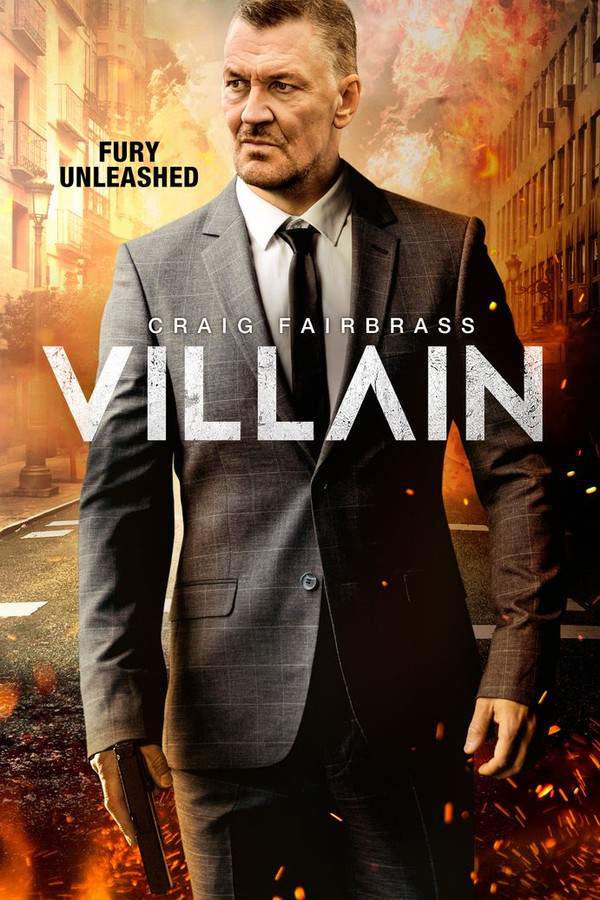
Villain (2020) Story Summary & Characters
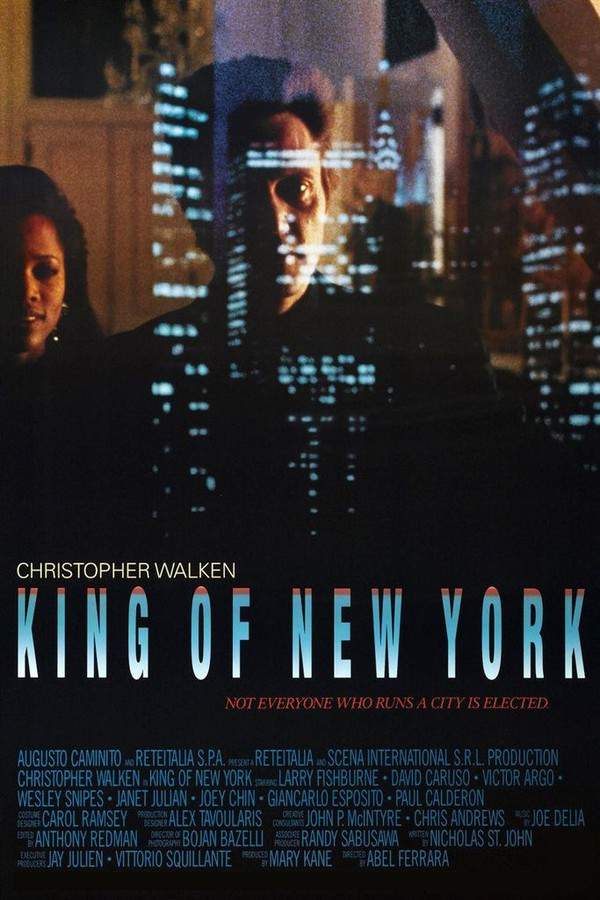
King of New York (1990) Full Movie Breakdown
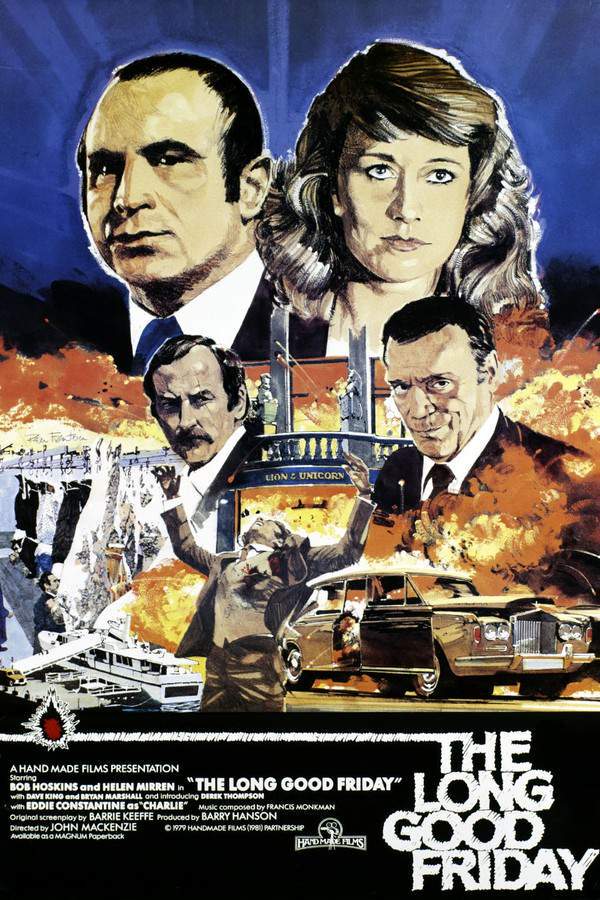
The Long Good Friday (1982) Detailed Story Recap
By the Gun (2014) Movie Recap & Themes
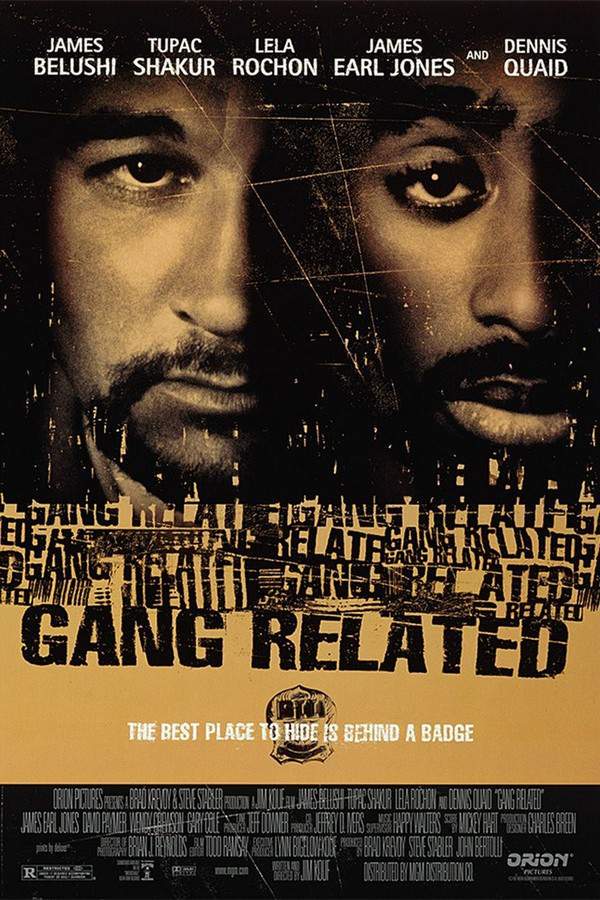
Gang Related (1997) Plot Summary & Ending Explained
Thugocratie (2018) Full Summary & Key Details
The Business (2005) Ending Explained & Film Insights
Rise of the Footsoldier (2007) Film Overview & Timeline
Gang (2020) Complete Plot Breakdown
Villain (1971) Detailed Story Recap
Street Mobster (1972) Movie Recap & Themes
Gang War (1958) Complete Plot Breakdown
Gangster Story (1959) Story Summary & Characters
The Gangster (1947) Ending Explained & Film Insights
Gangstas (2025) Plot Summary & Ending Explained