Plot Explained Spoilers guaranteed!
Plot Explained

Browse by genre

Four Minutes (2006) movie poster

Timeline

Four Minutes (2006) Timeline Explained – Every Event in Order

Release, runtime and language
2006 · 112 mins · German
Loading streaming availability…
Directed by
Chris Kraus
Starring
Nadja Uhl, Hannah Herzsprung, Vadim Glowna, Monica Bleibtreu, Jasmin Tabatabai, Peter Davor

Jenny, a young woman whose life feels over after committing a murder, appears ready to repeat the crime. An 80‑year‑old piano teacher discovers Jenny’s violent secret and sees the same ruthless drive and dreams she once had. Determined, she sets out to shape her pupil into the musical wunderkind she herself once was.

On this page (6)
  1. 1 Where to watch
  2. 2 Events in order (12)
  3. 3 Timeline questions answered
  4. 4 Movie threads
  5. 5 Movies like Four Minutes
  6. 6 Every angle
Loading streaming availability…

12 events in order · contains spoilers

Four Minutes Timeline: Events in Chronological Order

Every key event of Four Minutes (2006) in order, scene by scene, with when and where it takes place. Use it to untangle flashbacks, time jumps and parallel storylines, to refresh your memory before the sequel or to find the exact scene you are thinking of.

  1. First meeting: Jenny meets Krueger

    Krueger, the prison's piano teacher, surveys new inmates for lessons and encounters Jenny, who is talented but combative. Jenny's raw talent immediately catches Krueger's interest, hinting at a mentor-mentee relationship to come. The encounter takes place in the prison's education wing - music room.

    Where
    Prison education wing – music room
  2. Jenny's outburst in the hallway

    Jenny erupts during the selection, arguing that her hands are too rough for piano and nearly harming guard Mütze. Krueger listens from the hallway and is drawn to Jenny's talent despite the danger. The incident marks a turning point in whether Jenny can win a place in the program.

    Where
    Prison hallway
  3. The obedience test

    Krueger offers Jenny a path to lessons only on absolute obedience, including a disturbing test that requires her to eat a sheet of paper as a sign of submission. The act underscores the power dynamic in their relationship and foreshadows moral ambiguity in Krueger's methods. Jenny agrees under pressure, though the question of respect and artistic integrity lingers.

    Where
    Krueger's music room
  4. Backstory revealed: Jenny's past

    The film reveals that Jenny's adoptive father pushed her toward a Mozart-like prodigy and subjected her to rape, shaping her desires and fears around performance. This trauma fuels her resistance and longing for authentic expression. It also hints at why Krueger relies on discipline as a lifeline.

    Where
    Flashback to Jenny's past home
  5. Krueger's past explained

    Krueger confesses a wartime loss and a history of loving another woman, revealing that music became her lifeline and the reason behind her stern teaching. The revelation deepens the mentor's humanity, showing she is not simply an enforcer but someone who survived trauma. Her methods are framed as a bid to shelter her students from harm.

    Where
    Krueger's memory
  6. Prison tensions rise

    As Jenny's talent threatens to upend the prison order, some inmates resent her favored status and staff question whether allowing her to perform will reflect well on the institution. Director Meyerbeer pushes for positive media attention, sharpening the rivalry and stakes. The tension tightens the atmosphere around the upcoming finals.

    Where
    Prison administration / staff areas
  7. Finals approach

    Jenny advances toward the finals of a piano competition for players 21 and under, elevating suspense among inmates and guards. Mütze repositions Jenny within the rivals' cell, setting in motion the clash that will test loyalty and discipline. The competition becomes a focal point for personal and institutional conflict.

    Where
    Rival cell block and training area
  8. Attack by rivals

    The rivals retaliate by binding Jenny's hands to a bed with cloth and setting them on fire. Jenny wounds one aggressor in self-defense, while the brutal act tests the limits of discipline and justice within the prison. The incident becomes a tipping point for Krueger's role and Jenny's fate.

    Where
    Rivals' cell block
  9. Resignation and escape aid

    Crushed by the incident, Krueger resigns from her post and takes her beloved piano with her. Mütze helps Jenny escape so she can continue to compete, underscoring a fragile, uneasy alliance between guard and mentor. The act shifts Jenny’s path from inside to outside the prison walls.

    Where
    Piano room and prison exit
  10. Confrontation and truth

    Alone with her newly returned instrument, Jenny confronts Krueger and learns the deeper reasons behind the stern methods. Krueger explains how her past shaped her approach to music and discipline, urging Jenny to trust her own voice. The revelation redefines their relationship and reinforces music as a lifeline.

    Where
    Krueger's private space / piano room
  11. Decision to perform

    Krueger persuades Jenny to perform at the competition, even as police close in to take her back to prison. Jenny has only four minutes to win the crowd, a make-or-break moment that tests her resolve and courage under scrutiny.

    When
    Finals night, four-minute window
    Where
    Competition venue
  12. The final performance

    Jenny abandons the expected Schumann piece and creates a raw improvisation inspired by her beloved negroman music, channeling John Cage-like sounds from lid-slaps to foot-stomps. The four-minute crescendo becomes a cathartic communal triumph as the audience rises in a standing ovation. The performance redefines the boundaries between discipline and freedom.

    Where
    Competition stage

Last updated: October 09, 2025 at 16:44

Was this helpful?

Timeline questions answered

Four Minutes Timeline Explained: Your Questions Answered

When does it happen, and why in that order? The questions people ask about the chronology of Four Minutes (2006): time jumps, flashbacks, cause and effect between scenes and the correct order of events, each answered with spoilers.

Q1

Why does Krueger make Jenny eat a sheet of paper during lessons?

Krueger uses the paper-eating test as a demonstration of absolute obedience. She believes that submitting to her teaching methods is essential before Jenny can truly learn. The disturbing ritual establishes the power dynamic in their mentor-mentee relationship and reflects Krueger's own rigid philosophy that discipline must precede artistic freedom.

Foreshadowing: Earlier, Krueger observes Jenny's raw talent but notes her combative nature, foreshadowing the strict control she will impose.

  • krueger
  • jenny
  • obedience test
  • submission
  • power dynamic
Q2

What is the "negro-music" Krueger forbids Jenny from playing?

The "negro-music" refers to jazz and blues, styles rooted in African American musical traditions. Krueger grew up during WWII with strict cultural views and explicitly tells Jenny never to play "that kind of negro-music" again. This becomes significant because Jenny ultimately chooses to perform an improvised jazz-inspired piece at the competition, rejecting the classical repertoire Krueger imposed.

Foreshadowing: Krueger's harsh admonition about "negro-music" plants the seed for Jenny's final rebellious performance choice.

  • negro-music
  • jazz
  • blues
  • krueger
  • forbidden music
  • classical vs jazz
Q3

Why does Krueger resign from her position after the rivals attack Jenny?

Krueger is devastated by the attack and feels responsible for placing Jenny in danger by moving her to the rival cell block. The incident forces her to confront whether her strict disciplinary approach protects or harms her students. Unable to reconcile her methods with the violence that occurred, she resigns and takes her beloved piano with her, effectively ending her official role at the prison.

Foreshadowing: Krueger's earlier insistence on absolute obedience and her decision to move Jenny among rivals create the conditions for the attack.

  • krueger
  • resign
  • attack
  • jenny
  • prison
  • responsibility
Q4

How does Mütze help Jenny escape from prison?

After Krueger resigns, guard Mütze helps Jenny escape by allowing her to leave the prison grounds so she can continue competing in the piano finals. Mütze's motivations appear mixed, he respects Jenny's talent and wants her to have the chance to perform, though he also seems to be acting against the institutional pressures from Director Meyerbeer. His assistance is pragmatic yet compassionate, enabling Jenny's path to the competition.

Foreshadowing: Mütze previously moved Jenny into the rival cell, inadvertently setting up the conflict that leads to her need to escape.

  • mutze
  • jenny
  • escape
  • prison
  • competition
  • guard
Q5

What is Krueger's past trauma that shapes her teaching methods?

Krueger carries two significant losses: wartime experiences during WWII that caused her profound grief, and a history of loving another woman. These experiences made music her lifeline and shaped her belief that strict discipline protects students from harm. She sees the same ruthless drive and dreams in Jenny that she once had, which is why she pushes her so hard, believing that structure will prevent Jenny from being destroyed by her own talent and trauma.

Foreshadowing: Krueger's interest in Jenny is sparked when she hears her raw talent, mirroring Krueger's own youthful promise.

  • krueger
  • war
  • trauma
  • past
  • lesbian
  • lost love
  • teaching methods
Q6

Why does Jenny abandon the Schumann piece to play her own composition at the finals?

Jenny defies the expected repertoire by abandoning Robert Schumann's composition in favor of a raw, improvisational piece inspired by her beloved "negro-music." This choice represents her rejection of the classical constraints Krueger imposed and her reclamation of authentic self-expression. Despite having only four minutes, she chooses artistic freedom over compliance, turning the performance into a statement about breaking boundaries between discipline and freedom.

Foreshadowing: Krueger forbade Jenny from playing "negro-music," making her final choice a direct act of rebellion.

  • jenny
  • schumann
  • improvisation
  • negro-music
  • rebellion
  • final performance
  • artistic freedom
Q7

What triggers the attack by Jenny's rival inmates?

The attack is triggered when Mütze moves Jenny into a cell occupied by her fiercest rivals. Jealous of Jenny's favored status and access to piano lessons, the rival inmates bind her hands to a bed with cloth and set them on fire. Jenny wounds one of the aggressors in self-defense. The attack represents the toxic environment within the prison where Jenny's special treatment creates resentment among other inmates.

Foreshadowing: Earlier, the film establishes that some inmates resent Jenny's privileged position, and the prison tension builds as the finals approach.

  • attack
  • rivals
  • jenny
  • hands on fire
  • prison
  • jealousy
  • cell
Q8

What happened to Jenny with her adoptive father?

Jenny's adoptive father pushed her toward becoming a Mozart-like prodigy, entering her in competitions she resisted. Beyond the pressure to perform, he sexually abused her. This trauma shapes Jenny's combative nature, her resistance to authority, and her complex relationship with music and performance. The abuse explains why she initially rejects the piano and why achieving artistic freedom carries such profound weight for her.

Foreshadowing: Jenny's initial outburst about her hands being "too rough" for piano hints at her traumatic relationship with musical performance.

  • jenny
  • adoptive father
  • rape
  • abuse
  • trauma
  • prodigy
  • child abuse
Q9

Why does Krueger see herself in Jenny?

Krueger recognizes in Jenny the same ruthless drive and dreams she once possessed. Both women experienced trauma that shaped their relationship with music, Krueger through wartime loss and forbidden love, Jenny through her adoptive father's abuse. Krueger sees Jenny as a younger version of herself, someone with extraordinary talent that could be destroyed without proper guidance. This recognition drives her intense, sometimes harsh methods, as she tries to protect Jenny from the same fate Krueger believes she suffered.

Foreshadowing: Krueger is drawn to Jenny after hearing her talent, and later reveals her own history of being a promising pianist.

  • krueger
  • jenny
  • recognition
  • mentor
  • similarities
  • trauma
  • drive
Q10

What does the four-minute performance represent in the story?

The four-minute window at the competition represents Jenny's chance to prove herself despite being a fugitive from prison. It symbolizes the compressed opportunity for artistic liberation, the brief but powerful moment where she can transcend her circumstances. The performance becomes a cathartic breakout where she channels John Cage-inspired sounds through lid-slapping, foot-stomping, and string-plucking, transforming a confined moment into communal triumph. The standing ovation affirms that art can rewrite boundaries between discipline and freedom.

Foreshadowing: The competition is introduced early as Jenny's path to something beyond prison walls, building toward this climactic moment.

  • four minutes
  • performance
  • competition
  • catharsis
  • freedom
  • art
  • liberation
  • triumph

Movie threads

More Movies Like Four Minutes, by Mood & Story

Curated lists built around what makes Four Minutes tick: the same mood, the same kind of story or the same emotional payoff. Each list explains why these movies belong together.

Prison stories where art is rebellion like in Four Minutes

Characters use creative expression as a weapon against confining institutions and personal demons. Explore movies like Four Minutes where characters use music, painting, or other creative acts as a form of defiance within harsh, restrictive environments. These films share a blend of heavy drama, intense character studies, and a bittersweet yet triumphant emotional payoff.

  • defiant
  • cathartic
  • oppressive
  • raw
  • tense
  • redemptive
  • Tone: dark, cathartic, defiant
  • Pacing: steady, building to a climax
Why these movies?

The story pattern: Stories typically center on a gifted but troubled individual trapped within an oppressive system. A mentor figure often guides them, helping channel their raw energy and pain into a disciplined art form. The climax revolves around a public performance or creation that serves as a defiant act of self-reclamation, offering a complex victory that may not change their circumstances but fundamentally alters their spirit.

Why they belong together: These films are grouped by their powerful central theme: using artistic creation as a tool for survival and rebellion. They share a high emotional intensity, a dark tone with moments of piercing catharsis, and a focus on transformative mentor-student relationships forged under pressure.

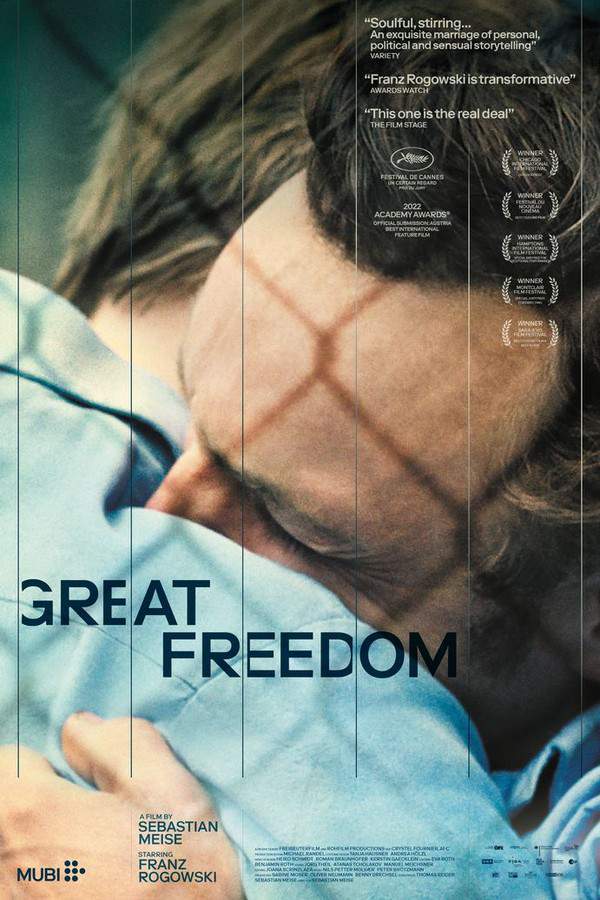
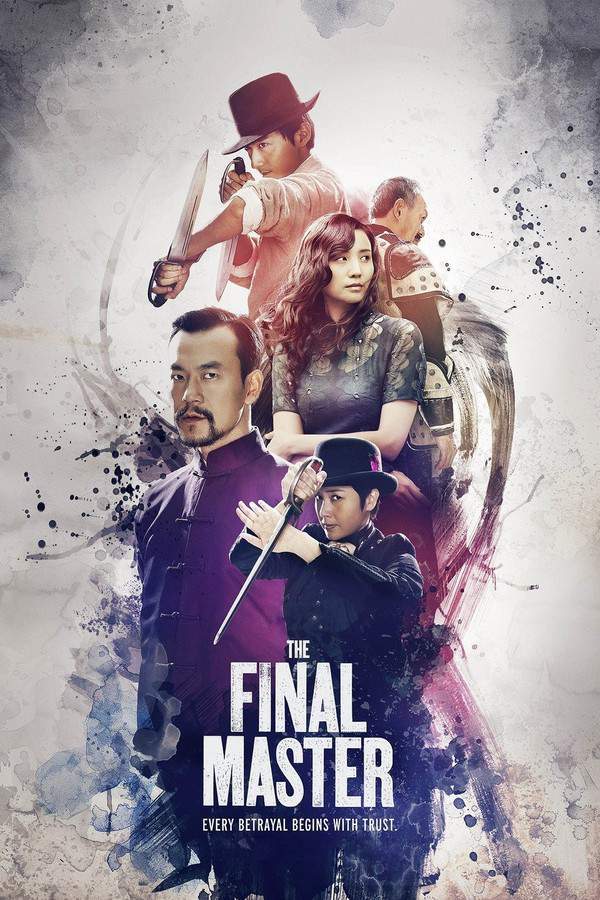
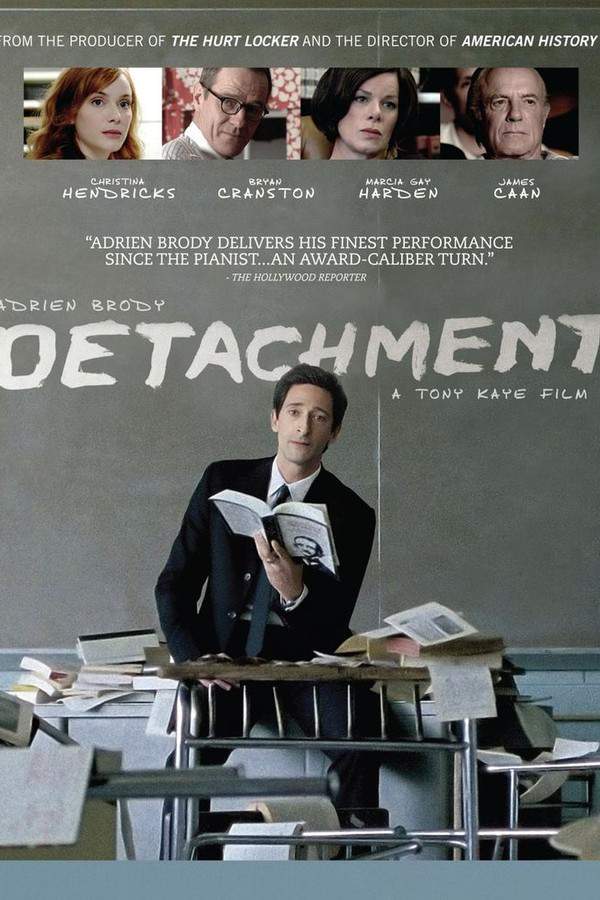
Intense dramas about difficult mentorships like Four Minutes

A difficult teacher and a volatile student clash on a path toward uneasy salvation. If you liked the fraught dynamic between the teacher and student in Four Minutes, discover more movies about tough, demanding mentorships. These films feature volatile students and stubborn teachers, where the path to mastery is also a painful journey of confronting past trauma.

  • raw
  • tense
  • melancholic
  • redemptive
  • cathartic
  • oppressive
  • Tone: dark, melancholic, redemptive
  • Pacing: steady, character-driven
Why these movies?

The story pattern: The narrative follows the tumultuous relationship between an older, often disillusioned expert and a younger, raw talent burdened by a violent or traumatic past. The teaching is harsh and unyielding, mirroring the internal struggles of both characters. Their journey is less about friendship and more about a brutal, necessary exchange that leads to a climactic moment of performance or achievement, which provides a profound but incomplete healing for both.

Why they belong together: These movies share a specific character dynamic: the difficult, redemptive mentorship. They are united by a steady, character-driven pace, high emotional intensity, and a tone that balances darkness with moments of hard-earned catharsis. The focus is on the transformative, albeit painful, power of this unique bond.

If you liked this

Movies Like Four Minutes

Similar movies to Four Minutes: the same genre, themes or kind of story. Each one comes with its own plot summary, timeline and ending explained.

Browse all movie summaries

Every angle

Four Minutes (2006) Explained: Plot, Timeline & Characters

Everything about Four Minutes in one place: what happens in the plot summary, the timeline in chronological order, the characters and meaning and a spoiler-free summary. What's After the Movie adds the cast, box office and post-credit scenes.

Coming soon on iOS and Android

The Plot Explained Movie Summary App

Plot summaries, endings explained and timelines on your phone. Catch up on any movie in minutes, save your favorites and never miss a twist again.

Be the first to know when we launch. Your email stays private, always.

Learn more about the app