






Plot Explained Spoilers guaranteed!
Plot Explained

Browse by genre

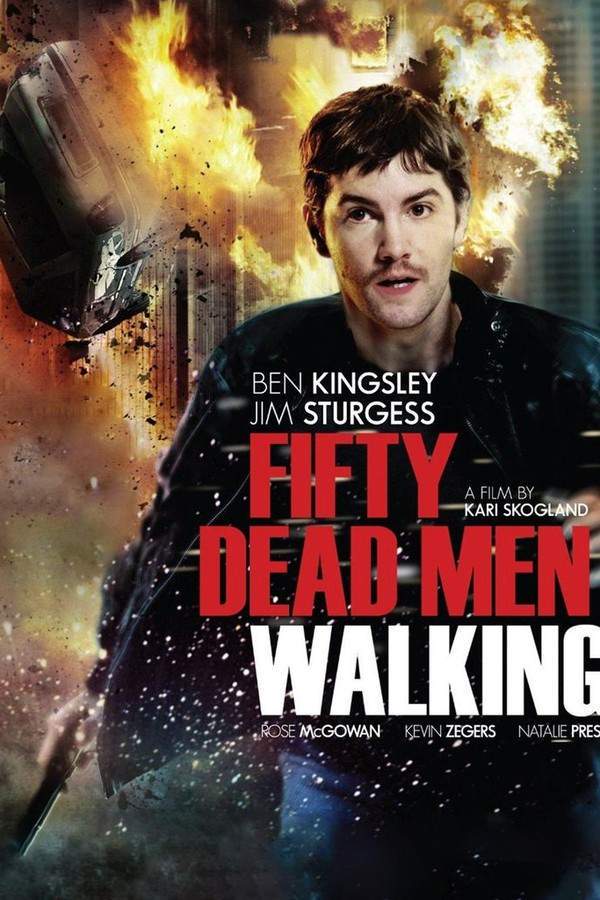
Fifty Dead Men Walking (2009) movie poster

Plot Summary

Fifty Dead Men Walking (2009) Plot Summary Explained

Release, runtime and language
2009 · 117 min · English
JustWatch #5,816 6
Directed by
Kari Skogland

During the violent 1980s in Northern Ireland, Martin McGartland becomes an undercover informant for the British police, infiltrating the IRA. This dangerous assignment places his life in constant peril as he navigates a deadly game of deception and survival. Relying on his courage and resourcefulness, McGartland attempts to maintain his cover while facing immense pressure and risk, based on a true story.

On this page (6)
  1. 1 Where to watch
  2. 2 What happens: full plot
  3. 3 Plot questions answered
  4. 4 Movie threads
  5. 5 Movies like Fifty Dead Men Walking
  6. 6 Every angle

Where to watch

Where to Watch Fifty Dead Men Walking (2009)

Where can you watch Fifty Dead Men Walking? Stream, rent or buy it in the US, including on Filmzie, Mometu and Plex: current JustWatch availability with up-to-date prices.

Streaming availability powered by JustWatch

Full plot summary · contains spoilers

What Happens in Fifty Dead Men Walking: Full Plot Summary

The whole story of Fifty Dead Men Walking (2009) explained, from the opening scene to the final frame: every key event, every twist and what it all adds up to. Read it as a quick recap before the sequel, to check a scene you missed, or to finally understand what really happened.

In a gritty depiction of 1980s Northern Ireland, Martin McGartland (21) maneuvers through the perilous environment as a resourceful hustler, caught in a conflict between the Irish Republican Army's (IRA) recruitment drives and the British police's covert operations. Although initially hesitant about the IRA's ruthless tactics, Martin is lured in by the allure of monetary rewards and a car offered by his police handlers, leading him to infiltrate the organization. Despite his disdain for the IRA's ideology, he agrees to act as a double agent, relaying information to his handler Fergus while pretending to be a loyal Volunteer.

As Marty becomes more deeply integrated into the IRA's inner workings, he develops a sense of self-worth that he had previously lacked, but it comes at a grave cost: he must keep his secret life hidden from his loved ones, including his girlfriend Lara, who starts to grow suspicious of his possible involvement with the IRA. Simultaneously, the British authorities take a significant risk by allowing Marty to stay within the IRA, knowing it might lead to his exposure and potential abandonment.

Tension mounts when Marty is captured and subjected to brutal torture by the IRA, which pushes him to make a desperate escape by leaping from a window. With Fergus as his only ally, he navigates the dangerous waters of evasion while trying to secure his family's relocation to Scotland. Ultimately, Marty realizes that such a move would place Lara in jeopardy and makes the heart-wrenching decision to flee alone to Canada, leaving his loved ones behind. The film opens with a chilling flashback: now in hiding, Marty is unexpectedly ambushed by the IRA, yet miraculously survives the attack, setting the stage for a harrowing tale of survival and deception.

Last updated: November 22, 2024 at 18:37

Was this helpful?

Plot questions answered

Fifty Dead Men Walking Plot Explained: Your Questions Answered

The questions people ask most about Fifty Dead Men Walking (2009): what happens in the confusing scenes, why the characters do what they do, the twists, hidden details and what the ending means. Each answer contains spoilers.

Q1

Why does Martin McGartland agree to become an informant for the British police?

Martin agrees to become a double agent primarily for financial reasons. The British police handlers offer him monetary rewards and a car as incentive to infiltrate the IRA. Though he initially hesitates due to the IRA's violent tactics, the promise of money and material gain convinces him to accept the dangerous assignment while still maintaining his disdain for the IRA's ideology.

Foreshadowing: Earlier in the film, Martin is established as a resourceful hustler who operates in the grey areas of society, making him susceptible to the financial incentives offered by the British.

  • martin mcgartland
  • informer
  • british police
  • double agent
  • money
  • ira infiltration
Q2

Why do the British authorities let Marty stay within the IRA despite knowing the risks?

The British authorities take a calculated risk by allowing Marty to remain embedded in the IRA because they believe his intelligence value outweighs the danger. They have confidence in his ability to gather crucial information about the organization's operations, even though they acknowledge that his continued infiltration could lead to his exposure, abandonment, or death.

Foreshadowing: This decision reflects the British strategy of maintaining long-term assets within terrorist organizations, accepting high risk for potentially high-reward intelligence.

  • british authorities
  • risk
  • intelligence
  • fergus
  • handler
Q3

What happens when Marty is captured and tortured by the IRA?

Marty is captured by IRA operatives who subject him to severe torture in an attempt to extract information about his true allegiances and any intelligence he may have shared with British authorities. The brutal interrogation reaches a breaking point when Marty, driven by sheer desperation and survival instinct, makes a daring escape by leaping out of a window to evade his captors.

Foreshadowing: The film establishes early on that the IRA employs ruthless interrogation methods against suspected informers, setting up the horrifying sequence of Marty's capture.

  • capture
  • torture
  • escape
  • window
  • ira
  • brutal
Q4

Why does Marty flee to Canada alone instead of bringing his family with him?

After escaping the IRA, Marty attempts to relocate his family to Scotland for their safety. However, he ultimately realizes that bringing Lara with him would place her in grave danger, as the IRA could track them down. To protect her from retaliation, Marty makes the heart-wrenching decision to flee to Canada alone, sacrificing his personal happiness and leaving his loved ones behind for their own safety.

Foreshadowing: Lara's growing suspicion about Marty's IRA involvement earlier in the film establishes the danger she faces as someone close to a suspected informant.

  • canada
  • family
  • lara
  • safety
  • flee
  • sacrifice
Q5

What is the significance of the opening scene where Marty is ambushed by the IRA?

The film opens with a chilling flashback showing Marty in hiding being unexpectedly ambushed by the IRA, yet miraculously surviving the attack. This opening serves multiple purposes: it establishes the constant life-or-death danger Marty faces, creates immediate suspense for the viewer, and foreshadows the relentless pursuit and survival theme that permeates throughout the movie. It also confirms that despite his later escape to Canada, the IRA never stops hunting him.

Foreshadowing: This opening scene directly mirrors the film's closing, showing that Marty's survival came at the cost of perpetual hiding and paranoia.

  • opening
  • flashback
  • ambush
  • survival
  • ira
  • hiding
Q6

How does Marty's relationship with Lara change due to his double life?

As Marty becomes more deeply entrenched in the IRA's operations, his relationship with Lara deteriorates significantly. She begins to sense that something is amiss and grows increasingly suspicious of his possible involvement with the terrorist organization. Her mounting suspicions create tension and distance between them, forcing Marty to maintain secrets that strain their connection. Ultimately, this distrust contributes to Marty's painful decision to leave her behind when he flees to Canada.

Foreshadowing: Lara's growing suspicion is foreshadowed by Marty's need to hide his secret life from all his loved ones, making genuine intimacy impossible.

  • lara
  • girlfriend
  • relationship
  • suspicion
  • secrets
  • trust
Q7

Why does Martin initially get involved with the IRA before becoming a double agent?

Martin becomes involved with the IRA during the organization's aggressive recruitment drives in 1980s Northern Ireland. While he is initially hesitant about their violent methods, he is ultimately drawn in by the promised financial rewards and the car offered by his British police handlers. He agrees to act as a double agent, outwardly appearing as a loyal IRA Volunteer while secretly relaying information to his handler Fergus.

Foreshadowing: The film establishes that Martin operates as a hustler navigating the dangerous environment, making him vulnerable to recruitment from multiple sides.

  • recruitment
  • volunteers
  • money
  • car
  • double agent
  • initial involvement
Q8

What makes Marty's position as an undercover informant particularly dangerous?

Marty's position is extremely dangerous because he is living a constant lie within one of the most ruthless paramilitary organizations in Northern Ireland. He must constantly prove his loyalty to the IRA while secretly passing intelligence to his handler Fergus. Any slip-up, suspicious behavior, or accidental revelation could result in immediate execution. The psychological toll of maintaining this deception while witnessing brutal violence adds to the perpetual danger.

Foreshadowing: The film establishes early that the IRA executes suspected informers without hesitation, making Marty's every interaction potentially lethal.

  • danger
  • paranoia
  • deception
  • undercover
  • informant
  • secrets
Q9

What kind of intelligence does Marty provide to his handler Fergus?

As an embedded informant, Marty relays information about the IRA's inner workings, including operational details, member identities, planned activities, and strategic intelligence to his handler Fergus. This intelligence helps British authorities anticipate IRA operations and potentially prevent terrorist attacks. The deeper Marty integrates into the organization, the more valuable his information becomes, but also the greater his risk of exposure.

Foreshadowing: The escalating danger as Marty gains deeper access to the IRA reflects the increasing value and risk of his intelligence work.

  • intelligence
  • fergus
  • handler
  • information
  • operations
  • british
Q10

Why does Marty ultimately choose to abandon his family for their safety?

Marty chooses to abandon his family because he recognizes that his life as an IRA informant has made them targets. When he attempts to relocate them to Scotland, he realizes the IRA could still find and harm them to get to him. By fleeing to Canada alone, Marty prioritizes their survival over his own desire to be with them, making the ultimate personal sacrifice to ensure Lara and his family are safe from retaliation.

Foreshadowing: This decision stems from Marty's growing understanding throughout the film that the IRA's reach extends far beyond Northern Ireland.

  • abandon
  • family
  • safety
  • sacrifice
  • scotland
  • canada
  • leave
Q11

How does Marty manage to escape from the IRA after being captured and tortured?

After being subjected to brutal torture by the IRA during his capture, Marty escapes by making a desperate, daring leap out of a window. This act of extreme bravery is driven purely by his survival instinct and the unbearable pain of the torture. With Fergus as his only ally, he then navigates the dangerous process of evading IRA pursuers while trying to secure safety for his family.

Foreshadowing: The film establishes Marty's resourcefulness and hustler mentality, which enables him to capitalize on any opportunity for escape.

  • escape
  • window
  • torture
  • leap
  • run
  • evade
  • fergus
Q12

How does Marty's sense of self-worth change as he becomes more embedded in the IRA?

As Marty becomes more deeply integrated into the IRA's operations, he develops a sense of self-worth and confidence that he previously lacked as a struggling hustler. Being trusted with important tasks and feeling useful provides him with purpose and identity. However, this new-found confidence comes at a grave psychological cost, as he must hide his true allegiances from everyone, including those who trust him, creating profound internal conflict.

Foreshadowing: This duality, feeling valued while living a lie, creates the central psychological tension of Marty's character throughout the film.

  • self-worth
  • confidence
  • identity
  • value
  • purpose
  • psychological

Movie threads

More Movies Like Fifty Dead Men Walking, by Mood & Story

Curated lists built around what makes Fifty Dead Men Walking tick: the same mood, the same kind of story or the same emotional payoff. Each list explains why these movies belong together.

Tense Undercover Movies Like Fifty Dead Men Walking

Stories of agents who lose themselves in their fabricated identities. If the high-stakes tension of 'Fifty Dead Men Walking' captivated you, explore these other films about deep cover agents. These movies share a gritty, anxious atmosphere where trust is a liability and every moment is a test of nerve, focusing on the psychological toll of deception.

  • tense
  • paranoid
  • gritty
  • anxious
  • claustrophobic
  • harrowing
  • Tone: tense, paranoid, bleak
  • Pacing: steady, methodical
Why these movies?

The story pattern: Narratives in this thread typically follow an individual who must infiltrate a dangerous organization, building a fragile cover identity. The plot is driven by the escalating tension of maintaining this facade under intense scrutiny, often culminating in a desperate struggle for survival when their cover is blown or threatened.

Why they belong together: These films are grouped by their shared focus on the experience of deep cover operations. They create a consistent mood of high-anxiety paranoia, feature steady pacing that builds dread, and explore themes of identity, betrayal, and the heavy cost of survival.

Gritty Wartime Survival Dramas Similar to Fifty Dead Men Walking

Personal survival clashes with loyalty during violent conflicts. For viewers who appreciated the bleak moral landscape and survival themes of 'Fifty Dead Men Walking', this collection highlights movies set in wartime or conflict zones. These films explore the gray areas of loyalty and sacrifice, delivering a heavy, emotionally charged viewing experience.

  • bleak
  • gritty
  • harrowing
  • tense
  • moral ambiguity
  • war-torn
  • Tone: bleak, heavy, tense
  • Pacing: steady, deliberate
Why these movies?

The story pattern: The narrative pattern involves an ordinary person caught in an extraordinary, violent situation. Their journey is defined by a series of escalating compromises where personal survival is pitted against larger loyalties, leading to a conclusion where simply staying alive comes at a devastating personal cost.

Why they belong together: These movies are united by their setting in intense political or wartime conflicts and their exploration of moral ambiguity. They share a gritty, heavy tone, a steady pace that builds towards tragedy, and a sobering look at the human cost of survival.

If you liked this

Movies Like Fifty Dead Men Walking

Similar movies to Fifty Dead Men Walking: the same genre, themes or kind of story. Each one comes with its own plot summary, timeline and ending explained.

Browse all movie summaries

Every angle

Fifty Dead Men Walking (2009) Explained: Plot, Timeline & Characters

Everything about Fifty Dead Men Walking in one place: what happens in the plot summary, the timeline in chronological order, the characters and meaning and a spoiler-free summary. What's After the Movie adds the cast, box office and post-credit scenes.

Coming soon on iOS and Android

The Plot Explained Movie Summary App

Plot summaries, endings explained and timelines on your phone. Catch up on any movie in minutes, save your favorites and never miss a twist again.

Be the first to know when we launch. Your email stays private, always.

Learn more about the app