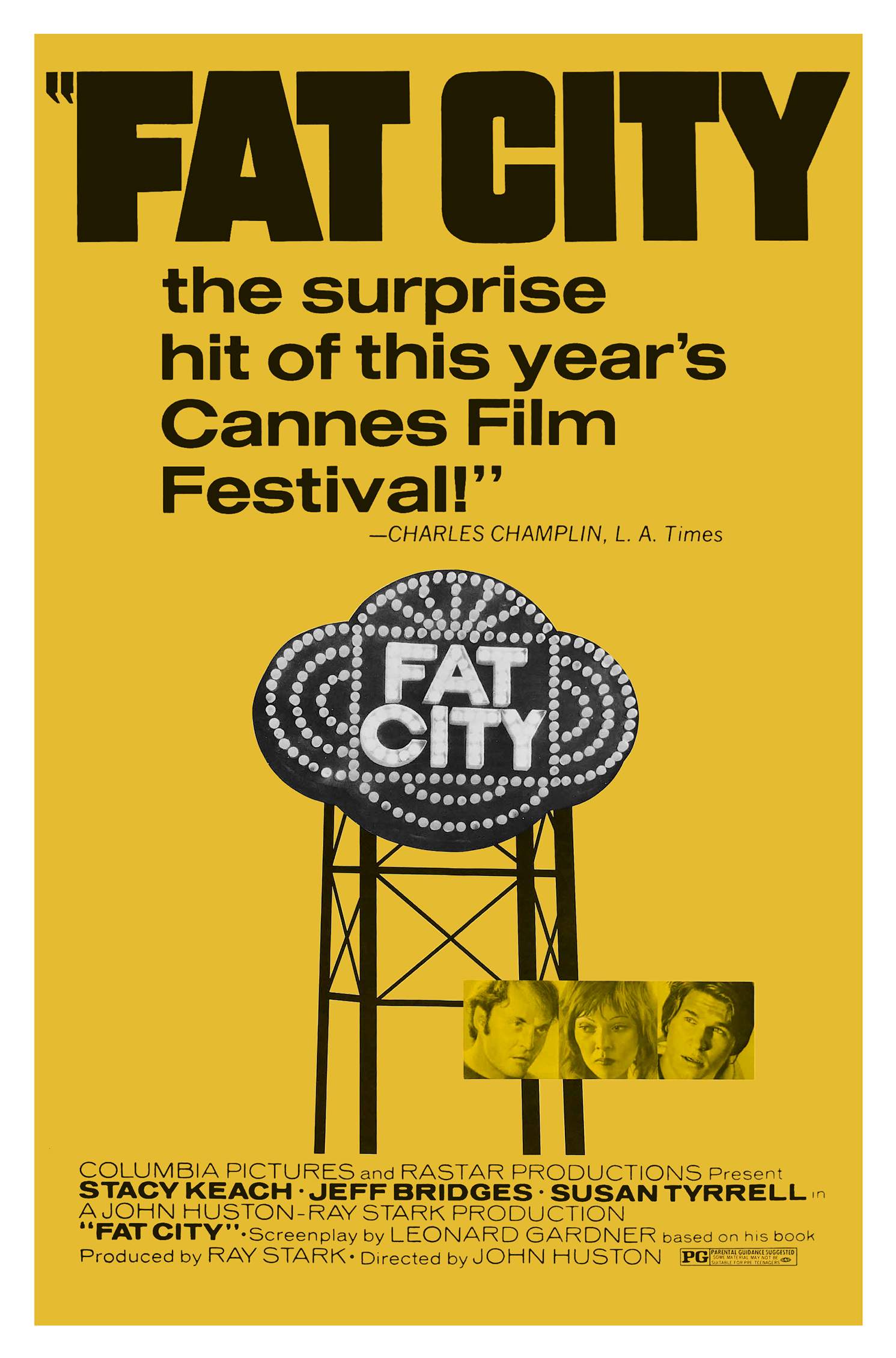
In 1970s New Orleans, a group of teenagers seek escape from their surroundings, embracing a lifestyle of freedom and risky behavior. They navigate a world where the legal drinking age seems far removed, and their youthful exuberance leads them down a path of exploration and consequence. This coming-of-age story captures the atmosphere of a city on the cusp of change and the allure of rebellion for those seeking something more.
Find where to stream, rent, or buy Fat City (1972) in the US with current JustWatch availability, up-to-date pricing, and platform listings for subscription, rental, and digital purchase options.
Warning: spoilers below!
Haven’t seen Fat City yet? This summary contains major spoilers. Bookmark the page, watch the movie, and come back for the full breakdown. If you're ready, scroll on and relive the story!
Trace every key event in Fat City (1972) with our detailed, chronological timeline. Perfect for unpacking nonlinear stories, spotting hidden connections, and understanding how each scene builds toward the film’s climax. Whether you're revisiting or decoding for the first time, this timeline gives you the full picture.
Last updated: October 09, 2025 at 15:36
Find frequently asked questions about the Fat City (1972) timeline, including chronological order, nonlinear jumps, cause-and-effect links, and scene sequence clarifications. This timeline FAQ helps explain when key events happen, how moments connect, and why the story unfolds in that specific order.
Tully decides to return to boxing after discovering Ernie Munger, an 18-year-old fighter with real potential. Seeing something worth nurturing in the young boxer reignites Tully's own passion for the sport. He tells Oma Lee Greer how impressed he is with the kid, and this encounter gives him the spark he needs to chase a new start after years of personal decline.
Tully sees real potential in Ernie during their sparring session at the Stockton gym and wants to help the young fighter develop properly. Since Ruben Luna was Tully's former manager and trainer, Tully believes Luna can provide Ernie with the professional guidance needed to succeed in boxing. The recommendation sets up the mentorship connection that drives much of the film's emotional core.
Although Tully wins his comeback bout against the aging but skilled Arcadio Lucero in a hard-fought match, he learns he will only be paid $100 for the fight. This pitiful payday exposes how little Ruben Luna values him, prompting Tully to finally cut ties with his former manager. The hollow victory symbolizes the exploitative nature of the boxing business and reinforces Tully's status as a faded fighter being used for minimal cost.
Tully moves in with Oma after Earl, her easygoing boyfriend, is sent to prison for a few months. With his own life in shambles, his wife has left, he struggles with alcohol, cannot hold down regular work, and only makes money through migrant fruit picking, Tully seeks shelter and stability. However, the living arrangement proves rocky, as Oma's sobriety-tinged cruelty makes him feel unwelcome despite providing rent support.
Ernie's girlfriend Faye Murdock pressures him to marry because she is pregnant. Though his boxing career is just beginning and he has already suffered defeats, including a broken nose in his first fight and a knockout in his second, he reluctantly agrees to wed. To support his growing family, Ernie continues working in the fields picking fruit, caught between his boxing dreams and his duty to provide.
Although Tully wins his comeback fight against the aging but determined Arcadio Lucero, knocking each other down before the referee declares Tully the winner, the triumph feels empty. The $100 payday he receives is insultingly low for a professional fight, revealing how little the boxing establishment values a faded former contender. The victory provides no financial relief or career resurgence, only a brief moment of glory followed by harsh reality.
Oma's cruelty toward Tully stems from her complex relationship with him and her lingering connection to Earl, who continues paying her rent even from prison. When Tully returns after the Lucero fight, Earl is already back at the apartment and tells Tully that Oma wants nothing more to do with him. Oma's behavior, a mix of sobriety-tinged harshness and loyalty to Earl, makes Tully feel isolated and unwelcome in the space he hoped would provide stability.
Tully's wife walked out on him sometime before the film's events, leaving his life in disarray. Since then, he has battled alcoholism, struggled to hold down work, and scraped by doing migrant fruit and vegetable picking. The specific reason for her departure isn't detailed, but the film establishes that his drinking and inability to maintain stability contributed to the collapse of their marriage, adding to his overall sense of failure and loss.
Ernie's early boxing career proves brutal and unforgiving. In his first professional fight, he suffers a broken nose, a painful introduction to the sport's physical toll. His second bout ends in a knockout, another harsh reality check. These defeats underscore the brutal nature of professional boxing and the steep learning curve facing young fighters. Despite the losses, they fuel his determination while highlighting the harsh realities of pursuing a boxing career.
The closing scene shows Tully and Ernie sharing coffee in a long, reflective silence as night deepens. Both men observe a world that has grown distant, each weighing the price of fighting inside the ring and out. The moment offers no triumphant resolution, no escape from their difficult circumstances, but provides a quiet, mutual understanding between two isolated men acknowledging their shared struggle. It embodies the film's bittersweet tone: resignation without hope, yet dignity found in human connection.
Discover curated groups of movies connected by mood, themes, and story style. Browse collections built around emotion, atmosphere, and narrative focus to easily find films that match what you feel like watching right now.
Slow-burning portraits of men grappling with fading dreams and harsh realities.If you appreciated the raw, character-driven realism of Fat City, explore more movies like it. This collection features similar stories steeped in melancholy, focusing on blue-collar despair, lost potential, and the quiet dignity found amidst hardship. Discover films that share this somber, reflective vibe.
Stories in this thread typically follow a straightforward, linear path, charting the downward spiral or stagnant plateau of a protagonist's life. Conflicts are often internal—battling addiction, regret, or a sense of failure—rather than high-stakes external plots. The emotional journey is one of quiet resignation, with fleeting moments of connection providing small solace.
Movies are grouped here based on their shared, somber mood, realistic depiction of struggle, and a focus on character over complex plot. They possess a similar melancholic tone, slow pacing that allows for reflection, and a medium emotional weight that feels grounded and relatable.
Stories that conclude not with triumph, but with a shared, weary understanding.For viewers who found the poignant, unresolved ending of Fat City impactful. This list features movies with similar bittersweet conclusions, where characters find a quiet dignity in acceptance rather than a triumphant victory. Find other films that leave you with a reflective, melancholic, yet deeply human feeling.
The narrative pattern involves a journey where the protagonist's efforts lead to limited or pyrrhic victories, if any. The climax is often subdued, emphasizing a moment of realization or connection between characters. The ending feels earned but inherently unsatisfying in a conventional sense, reflecting the complexities of real life where problems are managed, not solved.
These films are connected by their specific emotional payoff. They share a bittersweet ending feel that avoids neat resolutions, a melancholic tone throughout, and a pacing that allows the weight of the conclusion to settle. The experience is defined by this particular blend of sadness and acceptance.
Don't stop at just watching - explore Fat City in full detail. From the complete plot summary and scene-by-scene timeline to character breakdowns, thematic analysis, and a deep dive into the ending - every page helps you truly understand what Fat City is all about. Plus, discover what's next after the movie.
Read a complete plot summary of Fat City, including all key story points, character arcs, and turning points. This in-depth recap is ideal for understanding the narrative structure or reviewing what happened in the movie.
Discover the characters, locations, and core themes that shape Fat City. Get insights into symbolic elements, setting significance, and deeper narrative meaning - ideal for thematic analysis and movie breakdowns.
Discover movies like Fat City that share similar genres, themes, and storytelling elements. Whether you’re drawn to the atmosphere, character arcs, or plot structure, these curated recommendations will help you explore more films you’ll love.
Fat City (1972) Plot Summary & Movie Recap
Fat City (1972) Scene-by-Scene Movie Timeline
Fat City (1972) Spoiler-Free Summary & Key Flow
Movies Like Fat City – Similar Titles You’ll Enjoy
Fat Girl (2001) Plot Summary & Ending Explained
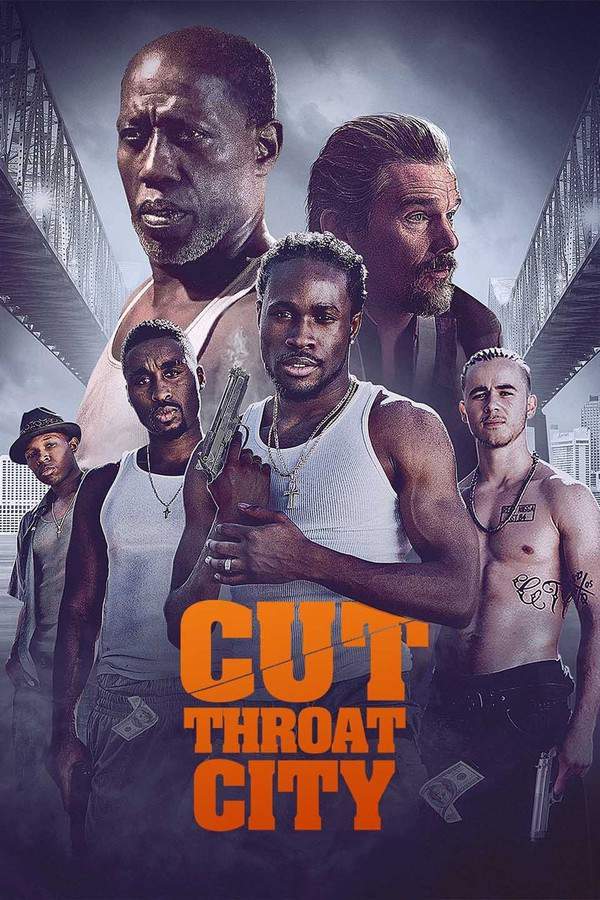
Cut Throat City (2020) Detailed Story Recap
Fat Kid Rules the World (2012) Ending Explained & Film Insights
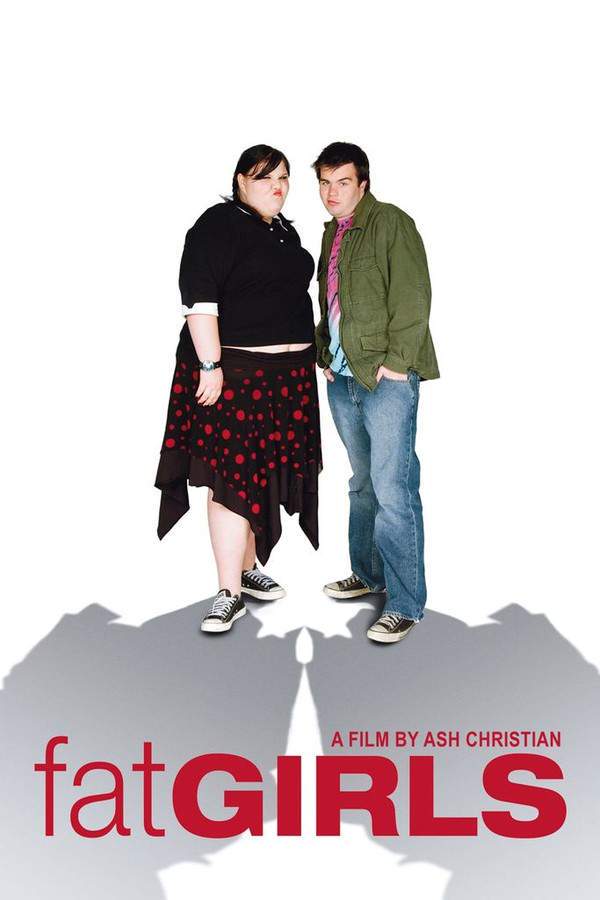
Fat Girls (2007) Detailed Story Recap
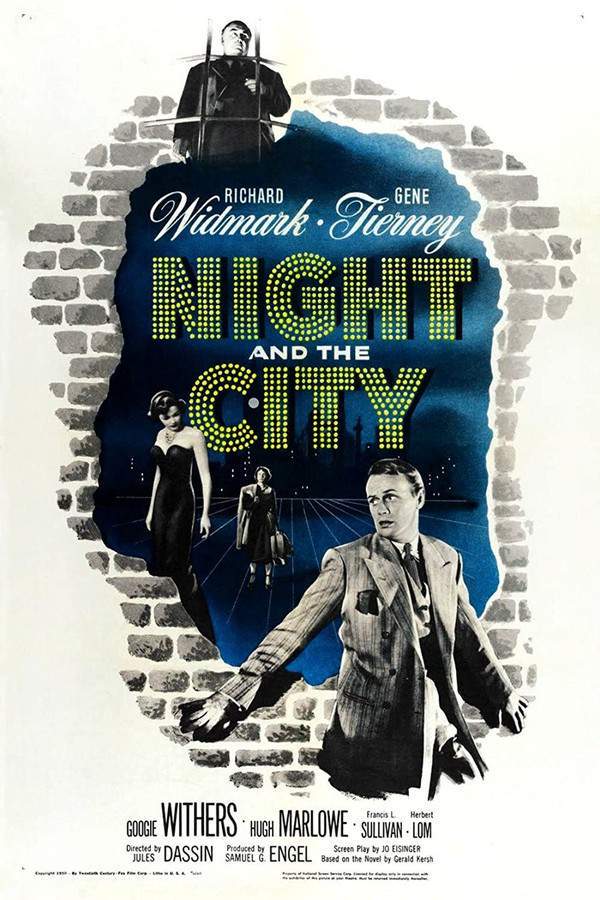
Night and the City (1992) Complete Plot Breakdown
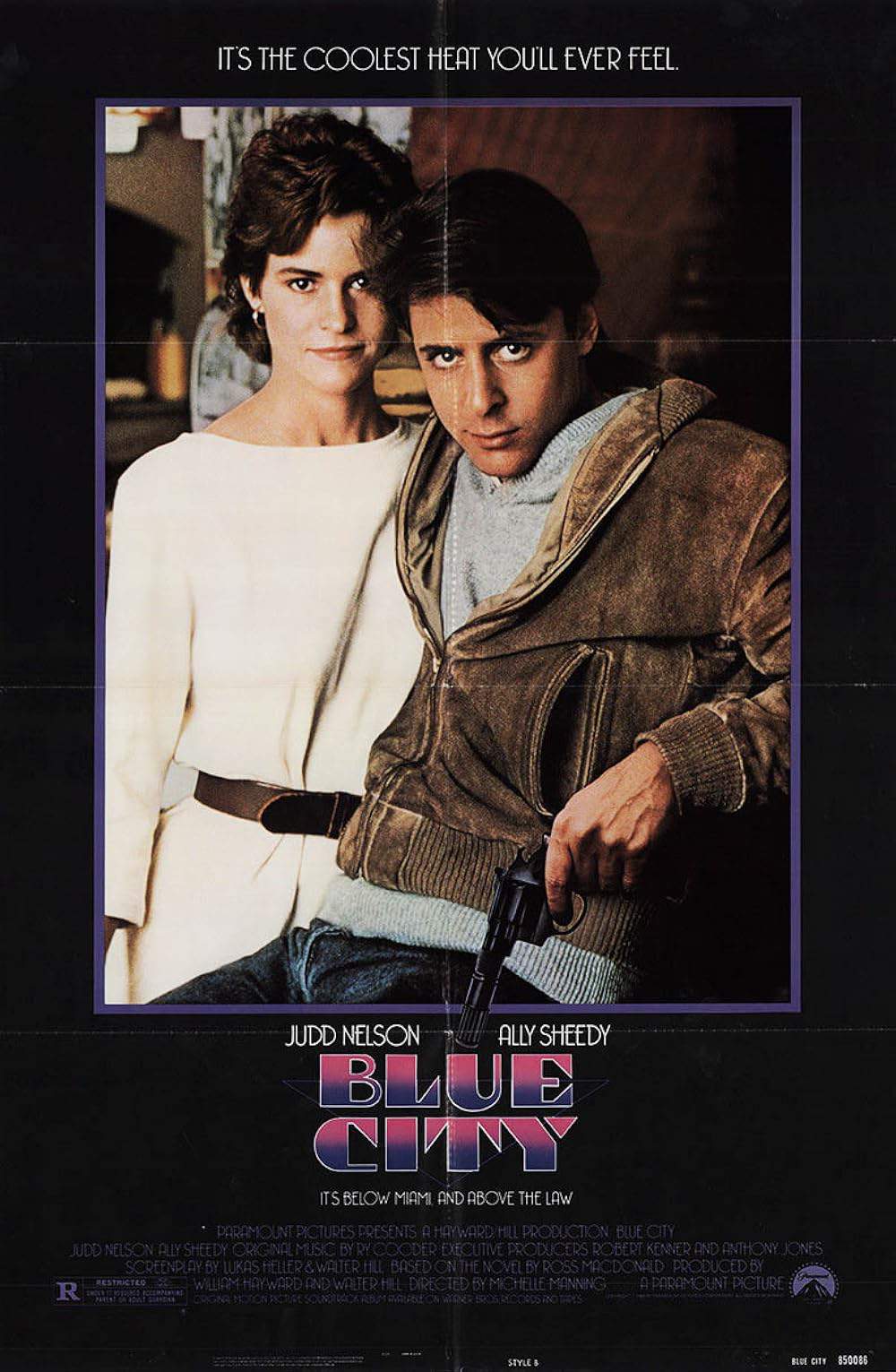
Blue City (1986) Movie Recap & Themes
Fat (2019) Story Summary & Characters
Fatso (1980) Movie Recap & Themes
Alphabet City (1984) Full Summary & Key Details
City Rats (1986) Detailed Story Recap
Body and Soul (1947) Plot Summary & Ending Explained
Phat Beach (1996) Ending Explained & Film Insights
Big City (1937) Full Summary & Key Details
Street People (1976) Complete Plot Breakdown
City for Conquest (1940) Complete Plot Breakdown