Plot Explained Spoilers guaranteed!
Plot Explained

Browse by genre

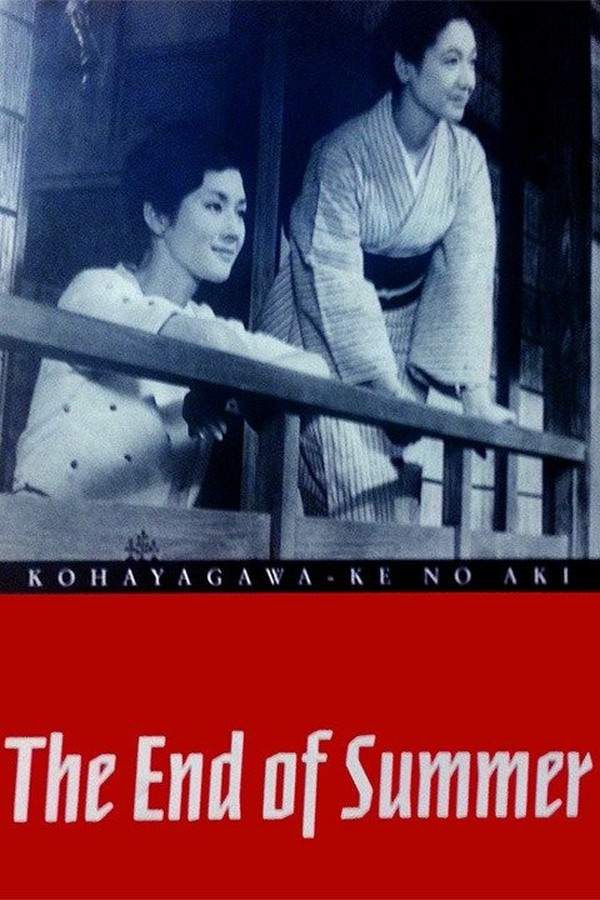
The End of Summer (1962) movie poster

Plot Summary

The End of Summer (1962) Plot Summary Explained

Release, runtime and language
1962 · 103 min · Japanese
Loading streaming availability…
Directed by
Yasujiro Ozu
Starring
Keiju Kobayashi, Yôko Tsukasa, Reiko Dan, Haruko Sugimura, Setsuko Hara, Chieko Naniwa

A widowed sake brewer's quiet life is disrupted when his three daughters return to their family home. As Manbei explores a new romance, the reunion stirs up buried secrets and long-held truths. The daughters’ return challenges family dynamics and exposes complex relationships, testing the strength of love and loyalty among them.

On this page (5)
  1. 1 Where to watch
  2. 2 What happens: full plot
  3. 3 Plot questions answered
  4. 4 Movie threads
  5. 5 Every angle
Loading streaming availability…

Full plot summary · contains spoilers

What Happens in The End of Summer: Full Plot Summary

The whole story of The End of Summer (1962) explained, from the opening scene to the final frame: every key event, every twist and what it all adds up to. Read it as a quick recap before the sequel, to check a scene you missed, or to finally understand what really happened.

Manbei Kohayagawa, portrayed by Ganjirô Nakamura, is the patriarch of a modest sake brewery located just outside of Kyoto. His family consists of two daughters and a widowed daughter-in-law. His daughter-in-law, Akiko, played by Setsuko Hara, and his younger daughter, Noriko, reside in Osaka. Akiko is actively involved in an art gallery and has a son named Minoru, while the unmarried Noriko works in an office. Living with Manbei is his other daughter, Fumiko, whose husband, Hisao, assists at the brewery, and together they have a young son named Masao.

In his quest to see his daughter Akiko happily married, Manbei seeks help from his brother-in-law Kitagawa to set her up with a suitable partner. Kitagawa introduces Akiko to a friend of his, Isomura Ei'ichiro, portrayed by Hisaya Morishige, a widower whom he meets at a bar. Although Isomura expresses a keen interest in a romantic connection, Akiko remains uncertain about this match. Simultaneously, Manbei encourages Kitagawa to arrange a meeting for Noriko as well, who harbors feelings for Teramoto, yet struggles to share her affections due to his upcoming move to Sapporo for a position as an assistant professor.

Amidst the brewing family drama, Manbei secretly pursues a relationship with his former lover, Tsune Sasaki, played by Chieko Naniwa, while contemplating the possibility that her westernized daughter, Yuriko, might be his own child. When Fumiko discovers her father's secret escapades with Tsune, she confronts him, but he resolutely denies the allegations of infidelity.

The Kohayagawa family comes together for a memorial service honoring their deceased mother at Arashiyama. After an intense argument with Fumiko regarding Tsune, Manbei suffers a heart attack but surprisingly awakens the next day feeling rejuvenated. Following this, Akiko inquires about Noriko's latest matchmaking attempts, and although Noriko admits to enjoying the experiences, she remains emotionally tethered to Teramoto.

On a clandestine trip to Osaka with Tsune, Manbei faces another heart attack, tragically leading to his death. Tsune breaks the news to his daughters, shaking the family dynamic to its core. The struggling Kohayagawa brewery is now set to merge with a competing business, while Noriko resolves to travel to Sapporo in hopes of reconnecting with Teramoto. As the family gathers to reflect on Manbei's life during his cremation, they are enveloped in a wave of nostalgia and grief.
Last updated: November 15, 2024 at 16:27

Was this helpful?

Plot questions answered

The End of Summer Plot Explained: Your Questions Answered

The questions people ask most about The End of Summer (1962): what happens in the confusing scenes, why the characters do what they do, the twists, hidden details and what the ending means. Each answer contains spoilers.

Q1

Why does Manbei pursue a secret relationship with Tsune Sasaki?

Manbei rekindles his relationship with Tsune, a former lover, while secretly contemplating whether her daughter Yuriko might be his own child. This suggests an unfinished emotional chapter from his past that he returns to, possibly seeking redemption or closure before his mortality becomes apparent.

Foreshadowing: Earlier scenes establish Manbei's active involvement in his daughters' romantic lives, hinting at his own unresolved romantic past.

  • manbei
  • kohayagawa
  • tsune
  • sasaki
  • affair
  • secret relationship
  • yuriko
Q2

What triggers Manbei's heart attack during the memorial service?

Manbei suffers his first heart attack after an intense argument with his daughter Fumiko, who confronts him about his secret relationship with Tsune. The emotional confrontation, combined with the stress of family tensions during the solemn memorial service for their deceased mother, provokes the cardiac event.

Foreshadowing: Fumiko's discovery of her father's secret earlier sets up the confrontation that leads to the heart attack.

  • manbei
  • heart attack
  • memoriam service
  • argument
  • fumiko
  • arashiyama
Q3

Why does Noriko decide to travel to Sapporo after her father's death?

Noriko resolves to travel to Sapporo to pursue her feelings for Teramoto, who is moving there to become an assistant professor. Throughout the film, she struggles to express her affection for him, and her father's death prompts her to take action before losing another opportunity for love.

Foreshadowing: Noriko's secret affection for Teramoto and her hesitation to confess are established early, making her decision to pursue him a natural progression.

  • noriko
  • teramoto
  • sapporo
  • love
  • travel
  • assistant professor
Q4

Why does the Kohayagawa brewery face a merger after Manbei's death?

The brewery has been struggling to stay afloat, and Manbei's death leaves the family in a precarious financial position. With the patriarch gone and the business already in trouble, merging with a competing brewery becomes the only viable option to preserve the family's legacy.

Foreshadowing: The brewery's financial difficulties are hinted at through the family's modest lifestyle and the pressure to find suitable matches for the daughters.

  • kohayagawa
  • brewery
  • merger
  • sake
  • business
  • family legacy
Q5

Why is Akiko hesitant about marrying Isomura Ei'ichiro?

Although Isomura expresses keen interest in Akiko, she remains uncertain about the match. Her hesitation likely stems from her lingering devotion to her deceased husband and her responsibilities as a mother to Minoru, creating conflict between her duty to the past and possibility of a new future.

Foreshadowing: Akiko's role as a widowed daughter-in-law actively involved in an art gallery establishes her independence and emotional complexity.

  • akiko
  • isomura
  • marriage
  • hesitation
  • widow
  • matchmaking
Q6

Why does Manbei deny his relationship with Tsune when Fumiko confronts him?

When Fumiko discovers her father's secret escapades with Tsune and confronts him, Manbei adamantly denies any infidelity. This denial reflects his desire to maintain his dignity as the family patriarch and avoid confronting the truth about his actions and possible illegitimate child.

Foreshadowing: Manbei's careful secret-keeping throughout the film demonstrates his determination to control his family's perception of him.

  • manbei
  • fumiko
  • tsune
  • denial
  • confrontation
  • infidelity
Q7

What leads to Manbei's death in Osaka?

Manbei takes a clandestine trip to Osaka with Tsune, where he suffers a second and fatal heart attack. This secret journey, combined with the emotional toll of his double life and prior health crisis, proves fatal, ending his life in the company of his former lover rather than his family.

Foreshadowing: The first heart attack at the memorial service, though he recovers, foreshadows his vulnerability to another cardiac event.

  • manbei
  • death
  • osaka
  • heart attack
  • tsune
  • fatal
Q8

Why does Noriko never confess her feelings to Teramoto before he leaves?

Noriko harbors deep feelings for Teramoto but struggles to express them because he is preparing to move to Sapporo for a position as an assistant professor. The timing and uncertainty of his departure create fear of rejection and complicate her ability to voice her emotions.

Foreshadowing: Noriko's secret affection is introduced early, with her emotional struggles highlighted when discussing her matchmaking experiences.

  • noriko
  • teramoto
  • confession
  • feelings
  • sapporo
  • unexpressed love
Q9

Does Manbei really believe Yuriko might be his daughter?

Manbei secretly considers the possibility that Tsune's westernized daughter, Yuriko, could be his own child. This contemplation suggests a past relationship that produced consequences he never fully addressed, adding complexity to his secret romance and potential guilt.

Foreshadowing: Manbei's active pursuit of Tsune and his contemplation of Yuriko's paternity indicate unfinished business from his past.

  • yuriko
  • paternity
  • manbei
  • tsune
  • illegitimate child
  • secret past
Q10

How do the daughters' different living situations affect the family?

The family is divided between Osaka and Kyoto: Akiko and Noriko live in Osaka with Akiko running an art gallery, while Fumiko lives with Manbei in Kyoto helping with the brewery. This geographical separation creates distinct family dynamics and influences each daughter's romantic journey and relationship with their father.

Foreshadowing: The initial introduction establishes the separate living situations, which drive the family's interactions and the daughters' individual storylines.

  • daughters
  • family
  • dynamics
  • osaka
  • kyoto
  • fumiko
  • akiko
  • noriko
Q11

How does Manbei's death change the family dynamic?

Manbei's death dramatically shifts the family: the brewery faces merger, Tsune must inform the daughters, and each daughter must decide her next move. His passing leaves a vacuum in leadership and forces the family to confront unresolved issues while charting new paths forward.

Foreshadowing: The second heart attack in Osaka is positioned as the dramatic climax that transforms the family's future.

  • manbei
  • death
  • family
  • dynamic
  • funeral
  • cremation
  • legacy

Movie threads

More Movies Like The End of Summer, by Mood & Story

Curated lists built around what makes The End of Summer tick: the same mood, the same kind of story or the same emotional payoff. Each list explains why these movies belong together.

Autumnal family stories like The End of Summer

Gentle stories of family secrets and emotional shifts as seasons change. If you liked the gentle, melancholic family dynamics of The End of Summer, you'll find similar movies here. These dramas explore buried secrets and complex relationships against a nostalgic, reflective backdrop, often with a bittersweet emotional tone and a focus on legacy.

  • autumnal
  • melancholic
  • nostalgic
  • family-centered
  • reflective
  • gentle
  • Tone: melancholic, bittersweet, reflective
  • Pacing: slow, deliberate, character-driven
Why these movies?

The story pattern: Narratives typically revolve around a family reunion or gathering that acts as a catalyst, bringing hidden tensions, past romances, and generational conflicts to the surface. The story unfolds through quiet conversations and poignant reflections rather than dramatic events, leading to a resolution that acknowledges both loss and the continuity of life.

Why they belong together: They are grouped by their shared autumnal atmosphere, which mirrors the emotional themes of change, maturity, and letting go. The combination of a slow pace, melancholic tone, and focus on family legacy creates a coherent, deeply reflective viewing experience.

Movies about quiet family secrets like The End of Summer

Stories where a tranquil surface hides complex truths that slowly emerge. Discover films similar to The End of Summer that focus on the gentle uncovering of family secrets. These stories feature moderate complexity, a slow-burn pacing, and a medium emotional weight, delivering a poignant look at how buried truths reshape relationships.

  • quiet
  • somber
  • reflective
  • melancholic
  • family dynamics
  • buried secrets
  • Tone: melancholic, somber, reflective
  • Pacing: slow, deliberate unfolding
Why these movies?

The story pattern: The narrative pattern involves a catalyst—often a return home or a family event—that disrupts a fragile peace. Secrets related to romance, parental figures, or legacies are revealed not through grand confrontation, but through implication, withheld glances, and quiet dialogue, forcing characters to reassess their past and present.

Why they belong together: They share a specific narrative engine: the slow, deliberate revelation of a secret that reconfigures familial understanding. The similarity lies in the pacing of the reveal and the focus on the emotional aftermath rather than the secret's dramatic potential, creating a consistently thoughtful and melancholic vibe.

Every angle

The End of Summer (1962) Explained: Plot, Timeline & Characters

Everything about The End of Summer in one place: what happens in the plot summary, the timeline in chronological order, the characters and meaning and a spoiler-free summary. What's After the Movie adds the cast, box office and post-credit scenes.

Coming soon on iOS and Android

The Plot Explained Movie Summary App

Plot summaries, endings explained and timelines on your phone. Catch up on any movie in minutes, save your favorites and never miss a twist again.

Be the first to know when we launch. Your email stays private, always.

Learn more about the app