Plot Explained Spoilers guaranteed!
Plot Explained

Browse by genre

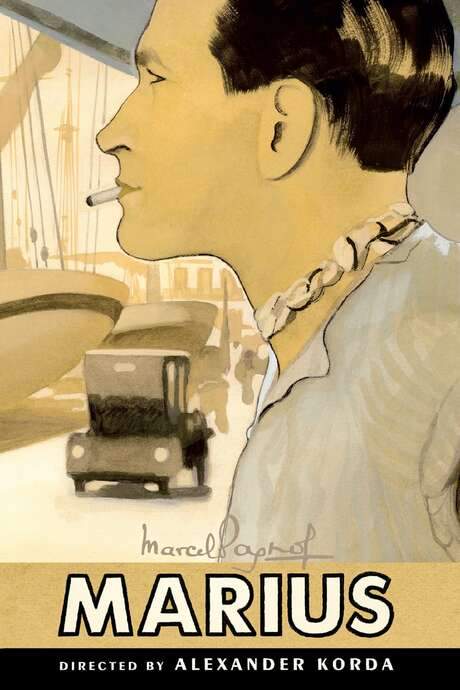
Fanny (1932) movie poster

Plot Summary

Fanny (1932) Plot Summary Explained

Release, runtime and language
1932 · 127 mins · French
Loading streaming availability…
Directed by
Marc Allégret
Starring
Pierre Fresnay, Fernand Charpin, Orane Demazis, Pierre Prévert, André Gide, Milly Mathis

After Marius leaves, Fanny discovers she is carrying his child, a revelation that angers her mother and Marius’s father, César. Facing social pressure and wanting security for her baby, she reluctantly agrees to marry the much older, kind widower Honoré Panisse, hoping to provide a stable future.

On this page (6)
  1. 1 Where to watch
  2. 2 What happens: full plot
  3. 3 Plot questions answered
  4. 4 Movie threads
  5. 5 Movies like Fanny
  6. 6 Every angle
Loading streaming availability…

Full plot summary · contains spoilers

What Happens in Fanny: Full Plot Summary

The whole story of Fanny (1932) explained, from the opening scene to the final frame: every key event, every twist and what it all adds up to. Read it as a quick recap before the sequel, to check a scene you missed, or to finally understand what really happened.

In Marseille, Marius Olivier, the son of bartender César, has nurtured a secret orange-tinted romance with his childhood friend, Fanny Cabanis Panisse, the daughter of a harbor fish seller. He pursues a dream by signing on for a five-year scientific expedition aboard a vessel, seeking new horizons beyond the bustle of the port. Soon after his departure, Fanny discovers she is pregnant, and her mother steps in, urging her to reconsider the marriage proposal of Honoré Panisse, a wealthy middle-aged widower who would give the child a stable life.

When Fanny speaks to Panisse, she breaks the news that she is expecting and expresses a wish to marry him. He responds with surprising warmth, eager at last to have the child he could not have with his late wife. César, upon learning the pregnancy, comes to a practical, if painful, decision: it would be best for the grandchild to be raised by Panisse, a man who can provide stability and kindness. The wedding goes ahead, and Fanny gives birth to a baby boy named Césariot, a name chosen to honor César, who is made the boy’s godfather. People play along with the story that the birth was premature, a ruse everyone accepts to protect appearances.

Months pass, and Marius returns to the bar one night, carrying the weight of home on his shoulders. His ship has faced issues, and he offers to bring back scientific instruments to Paris for repairs. A growing certainty that Césariot might be his child drives him to press his case with Fanny, confessing homesickness and offering to stay in Marseille if she will have him. He comes close to convincing Fanny to abandon Panisse, but César arrives at a pivotal moment and gently but firmly persuades them that the child’s best future lies with Panisse, a man who has shown generosity and steadiness. The decision is painful, and Marius leaves with a heavy heart, accompanied by César as they walk toward the train that will carry him back to Paris, leaving Fanny to face the tears that cling to the moment.

Throughout this story, the harbor’s rhythms and the close-knit circle around César anchor a web of duty, affection, and sacrifice. The film traces how love can be tempered by social expectations and guardianship, showing how each character negotiates responsibility for the sake of a child who binds their fates together. The finale lingers on the quiet aftermath of a choice made not out of resentment but out of care, leaving Marseille’s streets and the bar’s warmth to hold the memory of what was given up—and what was preserved for the future.

Last updated: October 09, 2025 at 11:24

Was this helpful?

Plot questions answered

Fanny Plot Explained: Your Questions Answered

The questions people ask most about Fanny (1932): what happens in the confusing scenes, why the characters do what they do, the twists, hidden details and what the ending means. Each answer contains spoilers.

Q1

Why did Fanny agree to marry Panisse instead of waiting for Marius?

Fanny agreed to marry Panisse because she was pregnant and needed to secure a stable future for her child. Her mother pressured her to accept Panisse's proposal, and social conventions demanded that the child have a legitimate father. Panisse, as a wealthy widower, could provide financial security and a respectable life that Marius, about to leave for five years, could not.

Foreshadowing: The story establishes early on that Fanny and Marius dream of a future together, making her choice to marry another man a painful reversal of those hopes.

  • fanny
  • panisse
  • marriage
  • pregnancy
  • security
  • marius
Q2

Why did César support Fanny marrying Panisse?

César supported the marriage because he believed Panisse could provide the best life for his grandchild. As a wealthy, kind man with no children of his own, Panisse offered stability and genuine affection. César pragmatically chose the child's welfare over his son's romantic hopes.

Foreshadowing: César is established as a practical man who runs a bar and understands the value of stability in a community where appearances matter.

  • césar
  • panisse
  • grandchild
  • stability
  • support
Q3

Why was the baby called premature when he was actually born after the wedding?

The family claimed the baby was premature to protect social appearances and avoid admitting the child was conceived before marriage. This lie allowed Fanny and Panisse to present their marriage as legitimate and saved them from the social shame that an out-of-wedlock pregnancy would bring in their community.

Foreshadowing: The timeline shows the pregnancy was discovered shortly after Marius's departure, making the timing obvious to those who knew the facts.

  • premature
  • birth
  • social appearance
  • cesariot
  • shame
Q4

Why did César intervene when Marius returned and tried to win Fanny back?

César intervened to protect the stable family arrangement he had helped create. He believed that disrupting the child's life by having Fanny leave Panisse would harm Césariot's future. César lovingly but firmly reminded both Fanny and Marius that Panisse had been a good husband and father, and that the child's best interests mattered more than their romantic feelings.

Foreshadowing: César had already chosen Panisse as the godfather, symbolically binding himself to the arrangement from the moment of the baby's birth.

  • césar
  • marius
  • fanny
  • intervention
  • cesariot
  • panisse
Q5

Why didn't Marius stay in Marseille and fight for Fanny instead of leaving again?

Marius left because César's argument about the child's future convinced him. César pointed out that Panisse could provide stability and love that Marius, with his roaming lifestyle and scientific ambitions, could not. Marius also felt the weight of his own departure and the time that had passed. Rather than disrupt his son's life, he chose to return to Paris.

Foreshadowing: Marius's character is established as someone who pursues horizons beyond Marseille, making his departure consistent with his dreams but also a source of lasting sacrifice.

  • marius
  • departure
  • paris
  • cesariot
  • sacrifice
Q6

Why was Panisse willing to marry a pregnant woman?

Panisse was eager to marry Fanny because he had been unable to have children with his late wife. The prospect of having a child, even one not biologically his, filled a void in his life. He welcomed the pregnancy as a gift and treated the baby as his own from the moment of birth.

Foreshadowing: The summary notes Panisse was a widower who 'could not have' a child with his first wife, explaining his enthusiasm for adoption.

  • panisse
  • pregnancy
  • child
  • widower
  • welcome
Q7

Why did Fanny consider leaving Panisse when Marius returned?

Fanny considered leaving Panisse because her feelings for Marius remained strong. When Marius returned and expressed homesickness and a desire to stay in Marseille for her, she was drawn to the possibility of being with the man she truly loved. However, her maternal instincts and César's intervention ultimately led her to stay.

Foreshadowing: The story establishes that Fanny and Marius shared a secret romance since childhood, suggesting their bond was genuine and not easily forgotten.

  • fanny
  • marius
  • love
  • choice
  • panisse
Q8

Why was the baby named Césariot?

The baby was named Césariot to honor César, who was made the child's godfather. This name choice symbolically bound César to the family despite the painful circumstances, creating a lasting connection between the bartender and the child he had chosen to protect.

Foreshadowing: César's support for the marriage and his role in arranging it made the naming a natural way to acknowledge his importance to the family.

  • cesariot
  • name
  • godfather
  • César
  • honor
Q9

Why did Marius leave on the expedition knowing he had a relationship with Fanny?

Marius left on the five-year scientific expedition to pursue his dream of seeing new horizons beyond Marseille. His romantic relationship with Fanny, while genuine, was not enough to override his ambition. The departure set the events in motion, as Fanny discovered her pregnancy after he had already departed.

Foreshadowing: The story opens with Marius dreaming of scientific exploration, establishing that his wanderlust preceded his romantic commitment.

  • marius
  • expedition
  • dream
  • departure
  • ambition
Q10

What role did social expectations play in the story's outcome?

Social expectations heavily influenced the characters' decisions. The community's pressure against out-of-wedlock pregnancy forced Fanny to seek a husband quickly. The need to protect appearances led to the premature birth lie. César's concern for respectability guided his support of Panisse. These social norms ultimately shaped who ended up with whom and where the child was raised.

Foreshadowing: The setting in Marseille establishes a close-knit community where reputation matters, as shown through César's bar and the fish seller's family.

  • social expectations
  • community
  • reputation
  • marseille
  • marriage

Movie threads

More Movies Like Fanny, by Mood & Story

Curated lists built around what makes Fanny tick: the same mood, the same kind of story or the same emotional payoff. Each list explains why these movies belong together.

Movies about bittersweet sacrifice like Fanny

Character-driven stories where personal happiness is set aside for a greater responsibility. If you enjoyed Fanny's story of duty over desire, you'll find similar emotional journeys here. This collection gathers movies like Fanny that center on heartbreaking but necessary choices made for family, featuring stories of marriage of convenience, unplanned pregnancy, and parental love.

  • melancholic
  • sentimental
  • reflective
  • dramatic
  • bittersweet
  • resigned
  • Tone: bittersweet, melancholic
  • Pacing: steady, character-driven
Why these movies?

The story pattern: Stories in this thread typically follow a linear, character-centric path where a protagonist faces a moral crossroads. The central conflict pits passionate love or personal dreams against the sobering demands of duty, especially parental responsibility. The narrative builds steadily towards a resolution where security is achieved, but at a significant personal cost, leaving a sense of loss tempered by hope.

Why they belong together: Movies are grouped here for their shared focus on the emotional weight of sacrifice. They share a similar bittersweet tone, steady pacing, and medium intensity, creating a reflective, sentimental, and ultimately poignant viewing experience centered on the difficult choices that define family.

Melancholic seaside dramas with a community feel like Fanny

Intimate stories set in close-knit port communities, where the sea influences fate. For viewers who loved the community atmosphere of Fanny, this list features similar movies set in intimate harbor towns. Discover stories like Fanny where the coastal setting amplifies the drama, focusing on social expectations, found family, and the bittersweet choices made within a close-knit world.

  • nostalgic
  • melancholic
  • sentimental
  • reflective
  • dramatic
  • warm
  • Tone: nostalgic, melancholic, sentimental
  • Pacing: steady, atmospheric
Why these movies?

The story pattern: The narrative pattern often involves personal dramas unfolding within the public eye of a small, interconnected community. The harbor setting symbolizes both escape and entrapment, influencing characters' decisions about love, duty, and departure. Stories are straightforward and heartfelt, exploring how community pressure and a shared sense of place define individual destinies.

Why they belong together: These films are grouped by their distinct world-building and mood. They share a specific melancholic, nostalgic atmosphere generated by their coastal settings and focus on community dynamics. The pacing is steady and the emotional tone is a consistent mix of warmth and wistfulness, creating a uniquely immersive vibe.

If you liked this

Movies Like Fanny

Similar movies to Fanny: the same genre, themes or kind of story. Each one comes with its own plot summary, timeline and ending explained.

Browse all movie summaries

Every angle

Fanny (1932) Explained: Plot, Timeline & Characters

Everything about Fanny in one place: what happens in the plot summary, the timeline in chronological order, the characters and meaning and a spoiler-free summary. What's After the Movie adds the cast, box office and post-credit scenes.

Coming soon on iOS and Android

The Plot Explained Movie Summary App

Plot summaries, endings explained and timelines on your phone. Catch up on any movie in minutes, save your favorites and never miss a twist again.

Be the first to know when we launch. Your email stays private, always.

Learn more about the app