Plot Explained Spoilers guaranteed!
Plot Explained

Browse by genre

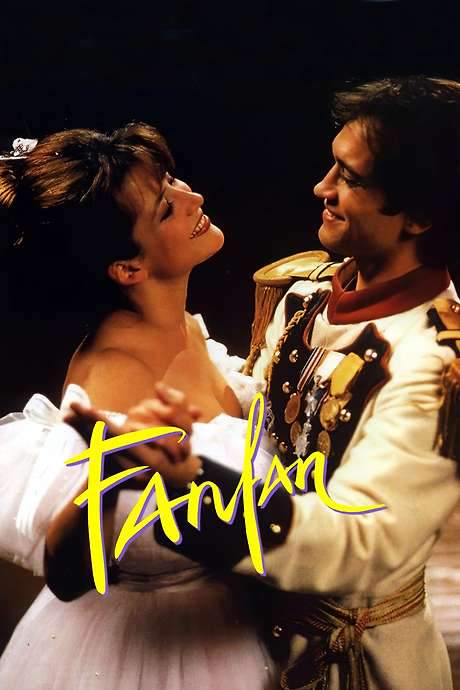
Fanny (1961) movie poster

Plot Summary

Fanny (1961) Plot Summary Explained

Release, runtime and language
1961 · 133 mins · English
Loading streaming availability…
Directed by
Joshua Logan
Starring
Lionel Jeffries, Charles Boyer, Paul Bonifas, Horst Buchholz, Maurice Chevalier, Leslie Caron

Almost 19‑year‑old Marius feels trapped in Marseille under his café‑owner father’s expectations while yearning for the sea. The night before he departs on a five‑year voyage, his childhood friend Fanny confesses her love, and he realizes he loves her too. He must decide between an adventurous life at sea or a modest future with her, while Fanny wrestles with whether to keep the man she loves or let him follow his dream.

On this page (6)
  1. 1 Where to watch
  2. 2 What happens: full plot
  3. 3 Plot questions answered
  4. 4 Movie threads
  5. 5 Movies like Fanny
  6. 6 Every angle
Loading streaming availability…

Full plot summary · contains spoilers

What Happens in Fanny: Full Plot Summary

The whole story of Fanny (1961) explained, from the opening scene to the final frame: every key event, every twist and what it all adds up to. Read it as a quick recap before the sequel, to check a scene you missed, or to finally understand what really happened.

César [Charles Boyer] is a barkeeper in Marseille in the early 1920s. His 18-year-old son Marius [Horst Buchholz] works for him at the bar, but is obsessed with going to sea and leaving his dull existence behind. The one thing that keeps him anchored is Fanny, an 18-year-old girl who sells fish with her mother Honorine [Georgette Anys] on the waterfront, and who has loved Marius her whole life. She flirts with him, but Marius always rejects her.

Fanny invites Marius to a Sunday-night dance, but he rejects her once more. Unbeknownst to Fanny, Marius is planning to leave the next day, secretly signed on as a sailor for a round-the-world scientific expedition, encouraged by his friend, the Admiral [Raymond Bussières]. Offended by his rejection, Fanny leaves.

Meanwhile Panisse [Maurice Chevalier], an older merchant and widower, asks to meet with Fanny's mother Honorine, who believes he wants to propose to her daughter. To Honorine's surprise, Panisse wants to marry Fanny, even though he knows she loves someone else. Although disappointed, Honorine does not object: Panisse is worth 600,000 francs.

Fanny tells Marius that she has rejected Panisse's proposal because she loves him and is willing to wait until he returns. Marius tells her he will be away for five years and to forget about him. They declare their love for each other and go to Fanny's house, where they sleep together.

The following morning, Honorine discovers Fanny and Marius in bed together. She and César begin to plan their children's wedding, but Fanny urges Marius to leave and follow his heart. She even lies to him, telling him that she would rather marry a rich man like Panisse than him. But, in truth, she is afraid that, eventually, he will grow to hate her for depriving him of this great opportunity.

About two months after Marius goes off to sea, Fanny discovers that she is pregnant with his child. She tells Panisse, who is happy to marry her anyway, overjoyed by the possibility of an heir to carry on his name. They marry, and Fanny gives birth to a boy. César, knowing the baby's true father, collaborates with Panisse to give the baby the name Césario Marius Panisse.

On Césario's first birthday, Panisse takes the train to Paris on business. While he is gone, Marius returns, on a short leave. He visits Fanny and, upon learning her child is his, apologizes to Fanny. He knows now that she said those things only to make him follow his passion for the sea. Marius tells her that he wants her back, but César comes in before anything can happen. Panisse arrives home early. Knowing that Fanny will not leave without the boy, he says that he will not try to stop Fanny from going with Marius, but he will not part with the child. Fanny tells Marius she loves him, but she will not take Cesario from Panisse. Marius leaves without Fanny or his child.

Ten years later, Cesario is looking forward to his birthday. After being taken to the waterfront, Cesario wanders off and meets the Admiral. The Admiral takes the boy sailing without telling anyone and reunites him with Marius, though Cesario has no idea who Marius is. Marius, who is now working in a garage, is overjoyed to see his son, but when Panisse is told the boy is missing, he is stricken and taken to his room. Fanny is shocked to find Cesario with his father. Panisse is dying, and Marius drives them home.

When they arrive at the house, Panisse calls for Cesario to sit with him. Fanny goes outside and talks with César and Marius. Marius expresses his bitterness and announces his plans to leave for the United States the next day. Fanny explains to Marius that she never told him about the baby because, on the day he left, she hoped he would turn around and not get on the boat. When he did not, she felt betrayed and angry. Panisse, on his deathbed, dictates a letter asking Marius to marry Fanny and be a father to Cesario. His only request is that the boy keep the last name, Panisse.

Last updated: October 09, 2025 at 11:28

Was this helpful?

Plot questions answered

Fanny Plot Explained: Your Questions Answered

The questions people ask most about Fanny (1961): what happens in the confusing scenes, why the characters do what they do, the twists, hidden details and what the ending means. Each answer contains spoilers.

Q1

Why did Fanny lie to Marius and say she wanted to marry Panisse?

Fanny lied because she was afraid that if Marius stayed for her, he would eventually resent her for depriving him of his dream. She wanted him to follow his heart and pursue the sea, even though it meant losing her. The lie was an act of love disguised as indifference, meant to set him free without guilt.

Foreshadowing: Earlier in the film, Fanny continuously pursues Marius despite his rejections, showing her selfless and persistent love.

  • fanny
  • marius
  • panisse
  • lie
  • sacrifice
  • love
Q2

Why did Marius leave without telling Fanny about his voyage?

Marius secretly signed on as a sailor for a round-the-world scientific expedition, encouraged by his friend the Admiral. He kept it hidden because he feared that telling Fanny would make it harder to leave, and he wanted to escape his dull life in Marseille without facing the emotional confrontation.

Foreshadowing: Marius consistently rejects Fanny's invitations and shows no commitment to staying, indicating his restless desire to leave.

  • marius
  • voyage
  • secret
  • departure
  • admiral
  • sea
Q3

Why didn't Fanny tell Marius about the pregnancy when he left?

Fanny never told Marius about the baby because on the day he departed, she hoped he would turn around and not get on the boat. When he left without looking back, she felt betrayed and angry, which prevented her from reaching out to him later.

Foreshadowing: Fanny urged Marius to leave and follow his heart, even lying that she preferred a rich man, showing her willingness to let him go despite her pain.

  • fanny
  • pregnancy
  • cesario
  • secret
  • betrayal
  • letter
Q4

Why did Panisse want to marry Fanny when he knew she loved someone else?

Panisse, a wealthy widower, was happy to marry Fanny despite her feelings for Marius because he desperately wanted an heir to carry on his name. When Fanny told him she was pregnant, he embraced the idea of raising the child as his own and was overjoyed at the prospect of legacy.

Foreshadowing: Panisse asks to meet Honorine shortly after Marius signs on, showing his immediate interest in securing a marriage and future.

  • panisse
  • fanny
  • heir
  • marriage
  • wealth
  • cesario
Q5

Why didn't Fanny leave with Marius when he returned after learning about Cesario?

Fanny told Marius she loved him but refused to take Cesario away from Panisse, who had raised the boy as his own for a year. She loved both men but could not bear to separate the child from the only father he knew, so she chose to stay and protect her son's stability.

Foreshadowing: Even before Cesario's birth, Fanny showed her capacity for sacrifice when she lied to push Marius toward his dreams.

  • fanny
  • cesario
  • panisse
  • choice
  • son
  • sacrifice
Q6

Why did Panisse ask Marius to marry Fanny in his final letter?

On his deathbed, Panisse dictated a letter asking Marius to marry Fanny and be a father to Cesario. His only request was that the boy keep the Panisse name, ensuring his legacy would live on even after his death. He wanted to secure his family's future out of duty and love.

Foreshadowing: Panisse had always treated Cesario as his own heir and took pride in carrying on his family name.

  • panisse
  • letter
  • deathbed
  • marriage
  • cesario
  • legacy
  • name
Q7

Why did the Admiral take Cesario sailing and reunite him with Marius?

The Admiral, who had originally encouraged Marius to pursue his maritime dreams, orchestrated the reunion between father and son on Cesario's tenth birthday. He acted out of loyalty to Marius and a desire to give the boy a chance to know his real father before it was too late.

Foreshadowing: The Admiral was Marius's friend who convinced him to sign on for the voyage, showing his ongoing involvement in Marius's life.

  • admiral
  • cesario
  • sailing
  • reunion
  • father
  • son
Q8

What happened when Marius returned on Cesario's first birthday?

Marius returned on a short leave and visited Fanny, learning that Cesario was his son. He apologized to Fanny for not understanding her sacrifice and expressed wanting her back, but César and Panisse prevented them from reconciling. Marius left again, unable to convince Fanny to leave with him.

Foreshadowing: César knew the baby's true father from the beginning and collaborated with Panisse on naming the child Césario Marius Panisse.

  • marius
  • cesario
  • birthday
  • return
  • reunion
  • leave
Q9

Why did Fanny reject Panisse's marriage proposal at first?

Fanny initially rejected Panisse because she loved Marius and was willing to wait five years for him to return. She told Marius she would wait, showing her commitment to him despite his rejections throughout their youth.

Foreshadowing: Fanny flirted with Marius constantly and invited him to the Sunday-night dance, demonstrating her persistent love.

  • fanny
  • panisse
  • proposal
  • rejection
  • love
  • marius
Q10

Why was it important to Cesario keeping the Panisse name?

Panisse requested that Cesario keep the Panisse name because it was his legacy. Even though Marius was the biological father, Panisse had raised the boy and wanted his family name to continue. This decision tied the two families together through duty and memory.

Foreshadowing: The baby was named Césario Marius Panisse at birth, with César in on the naming, showing the intentional blending of both men.

  • cesario
  • panisse
  • name
  • legacy
  • family
  • surname
Q11

Why did Marius want to leave for the United States after the reunion?

Marius was bitter about losing Fanny and his son, so he announced plans to leave for the United States the next day. His announcement came during the emotional turmoil of learning the truth about Cesario and Fanny's sacrifice, showing his continued pattern of fleeing from emotional pain.

Foreshadowing: Marius's entire arc is defined by his desire to escape Marseille and pursue adventure rather than face emotional responsibilities.

  • marius
  • united states
  • departure
  • bitter
  • escape
  • future

Movie threads

More Movies Like Fanny, by Mood & Story

Curated lists built around what makes Fanny tick: the same mood, the same kind of story or the same emotional payoff. Each list explains why these movies belong together.

Bittersweet love stories with themes of sacrifice like in Fanny

Love stories where characters must choose between their heart and their duty. If you liked Fanny, explore more movies like it where passionate romance is tested by duty and sacrifice. These similar romance and drama films feature characters torn between personal desires and their obligations, leading to tender, melancholic, and deeply moving relationship stories.

  • bittersweet
  • melancholic
  • yearning
  • tender
  • regretful
  • nostalgic
  • Tone: bittersweet, melancholic, tender
  • Pacing: steady, character-driven
Why these movies?

The story pattern: Stories in this thread typically follow a linear, character-driven path where a deep romantic connection is established early on, only to be challenged by a significant conflict of interest—often involving family, societal expectations, or a lifelong dream. The plot unfolds steadily, focusing on the emotional dilemma rather than external action, and often culminates in a resolution that validates the sacrifice, leaving a bittersweet but meaningful aftertaste.

Why they belong together: These movies are grouped together because they share a core emotional conflict: love versus duty. They possess a similar bittersweet tone, a steady, deliberate pacing that allows the emotional weight of decisions to settle, and a medium intensity that stems from internal struggle rather than high-octane drama. The shared experience is one of poignant, thoughtful romance.

Coming-of-age dramas about defining choices like in Fanny

Character-driven stories about young adults facing defining crossroads. Find more movies like Fanny that explore the tough decisions of young adulthood. These similar nostalgic dramas follow characters at a personal crossroads, torn between familiar comforts and the call of adventure or independence, resulting in stories that are tender, reflective, and emotionally resonant.

  • nostalgic
  • longing
  • reflective
  • tender
  • coming-of-age
  • melancholic
  • Tone: nostalgic, tender, reflective
  • Pacing: steady, deliberate
Why these movies?

The story pattern: The narrative pattern involves a young protagonist feeling constrained by their current life and yearning for something different—be it adventure, knowledge, or freedom. A catalyst forces them to confront this desire, leading to a difficult choice between a known, safe path and an uncertain but compelling future. The story unfolds with a steady, reflective pace, emphasizing the emotional gravity of the decision and its long-term consequences, often with a nostalgic look back.

Why they belong together: These films are connected by their focus on a specific, relatable life stage: the crossroads of early adulthood. They share a tender, sometimes melancholic mood, a straightforward narrative structure that prioritizes emotional clarity, and a central theme of choosing one's destiny. The viewing experience is thoughtful and character-centric, evoking a sense of nostalgia for paths not taken.

If you liked this

Movies Like Fanny

Similar movies to Fanny: the same genre, themes or kind of story. Each one comes with its own plot summary, timeline and ending explained.

Browse all movie summaries

Every angle

Fanny (1961) Explained: Plot, Timeline & Characters

Everything about Fanny in one place: what happens in the plot summary, the timeline in chronological order, the characters and meaning and a spoiler-free summary. What's After the Movie adds the cast, box office and post-credit scenes.

Coming soon on iOS and Android

The Plot Explained Movie Summary App

Plot summaries, endings explained and timelines on your phone. Catch up on any movie in minutes, save your favorites and never miss a twist again.

Be the first to know when we launch. Your email stays private, always.

Learn more about the app