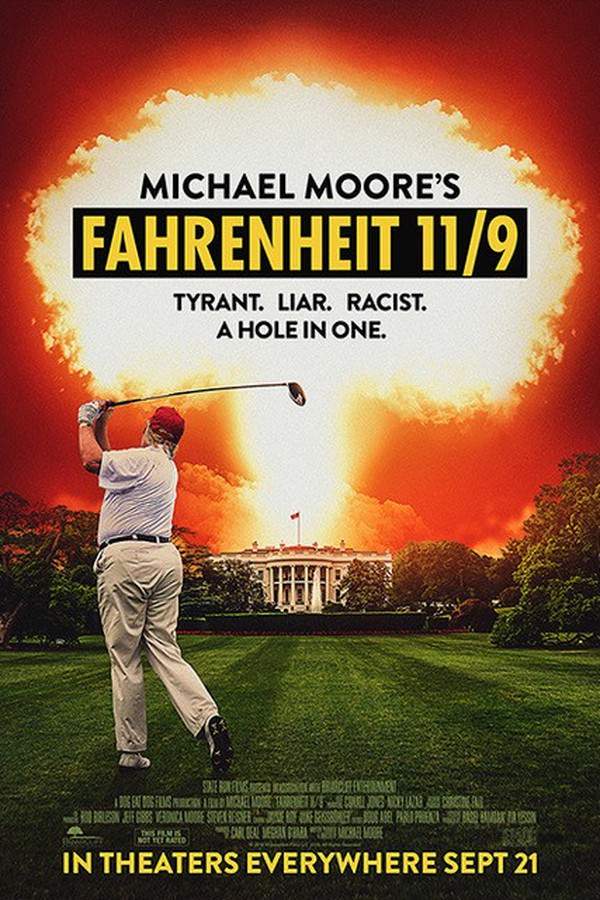
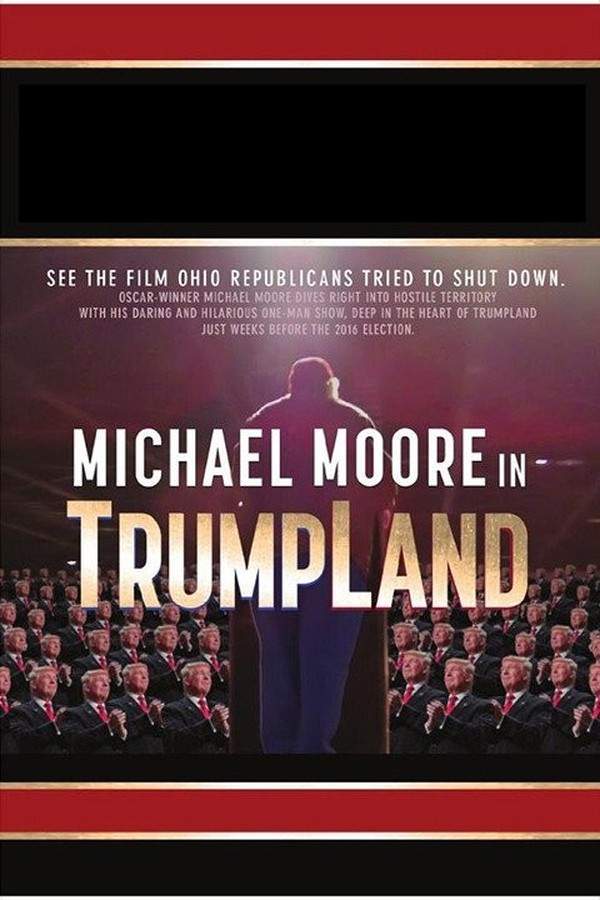
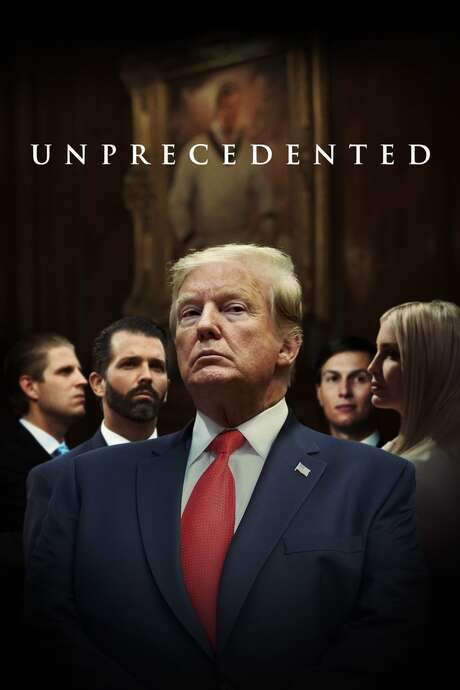
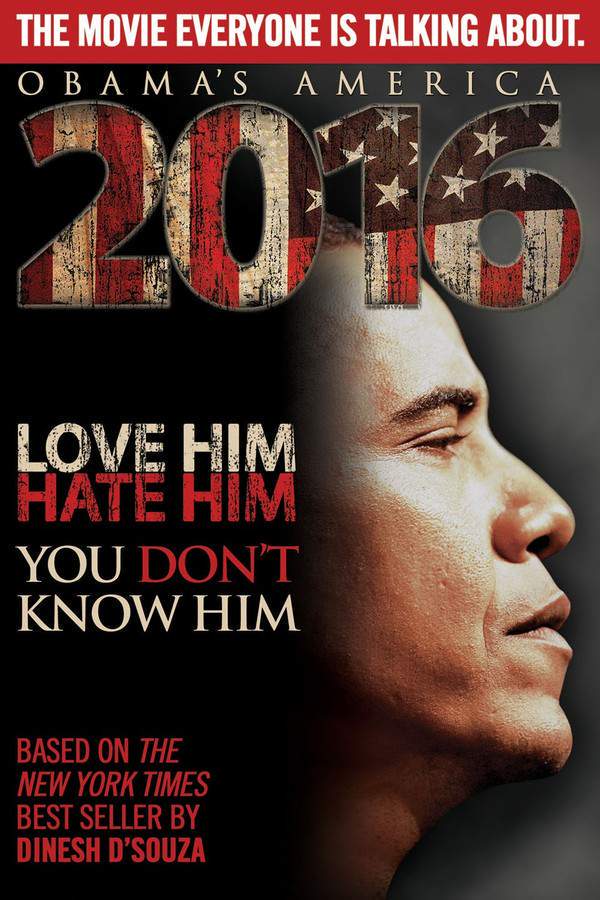
This documentary is presented as a provocative and comedic examination of the modern era, specifically focusing on the tumultuous landscape of the 2016 United States presidential election. The film meticulously tracks the unexpected electoral defeat of Hillary Clinton and the subsequent rise to power of Donald Trump. Central to the narrative are two primary inquiries: the specific mechanisms and social conditions that allowed the U.S. to progress toward a Trump presidency, and the potential methods for the country to eventually "get out" of the era defined by his administration.
The film posits a controversial starting point, claiming that the 2016 presidential campaign began almost as a hoax. The suggestion is that the initial goal was simply to secure more media visibility than Gwen Stefani, as Trump was reportedly being paid less for his role on The Apprentice than she was for her appearance on The Voice. However, the narrative shifts as it explores how his public discourse—including racist remarks directed toward Chinese and Mexican people and his frequent belittling of existing American political policies on national television—led NBC to sever its ties with him. Paradoxically, these actions helped him cultivate a massive base of loyal supporters, which provided the momentum to transition the "hoax" into a legitimate campaign, eventually forcing NBC to resume its coverage of him.
Beyond the immediate scope of the Trump administration, the filmmaker delves into several systemic issues he believes are interconnected with or inspired by the political climate. This includes a detailed look at the 2014 Flint water crisis, an event orchestrated by an appointee of then-Republican Governor Rick Snyder. By changing the water source from Lake Huron to the Flint River, the administration caused toxic levels of lead to contaminate the local water supply. The film also highlights the tragic 2018 Stoneman Douglas High School shooting in Parkland, Florida, and the resulting March for Our Lives protests. Through this lens, the documentary criticizes politicians who accept campaign contributions from the National Rifle Association. Furthermore, the film targets former President Barack Obama, arguing that his 2016 visit to Flint failed to meet the expectations of the citizens who had hoped for substantial federal assistance.
In a series of stark comparisons, the documentary parallels the rise of Donald Trump with that of Adolf Hitler and the Nazi Party. The filmmaker draws a connection between the Reichstag fire and the September 11 attacks, while comparing Hitler's rhetoric—which blamed various religions, ethnicities, and sexual orientations for Germany's struggles—to specific comments made by Trump. The film further argues that recent instances of unprovoked racial violence were directly inspired by this political atmosphere.
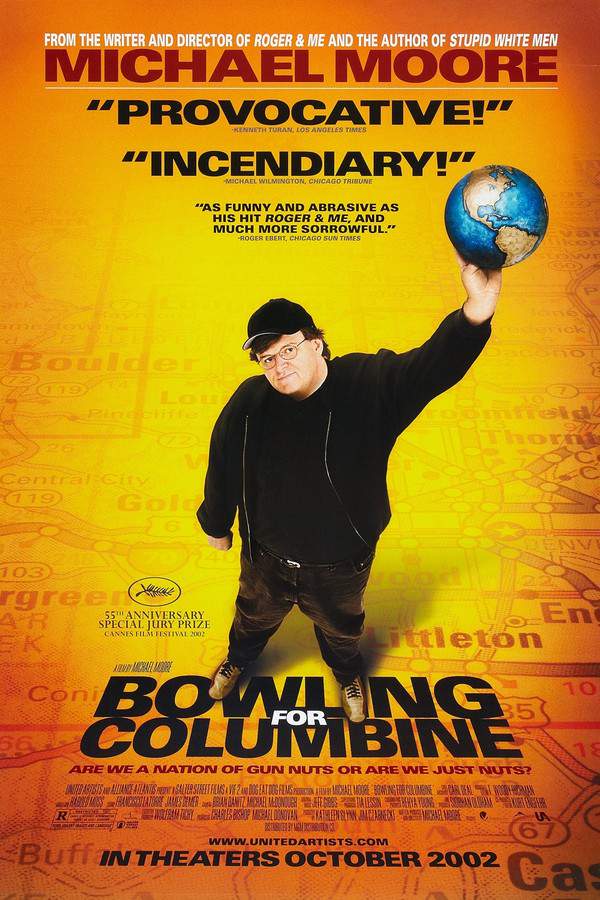
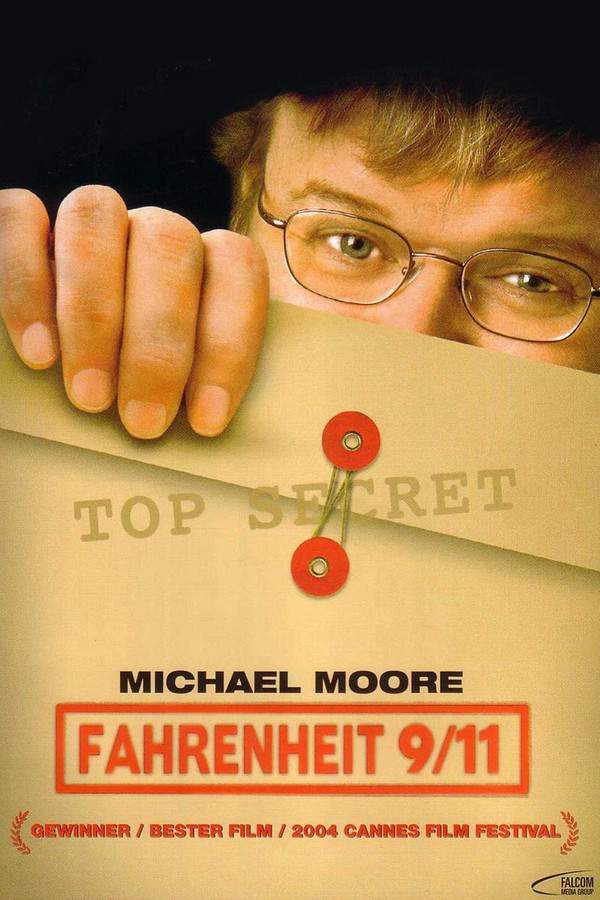
As the film reaches its conclusion, it is argued that the United States Constitution no longer serves as a shield for average citizens against the influence of the wealthy and powerful. The narrative suggests that the American Dream has devolved into nothing more than a dream. To support this thesis, the filmmaker references his own previous works, including Roger and Me (which Trump mentioned enjoying during an interview with Roseanne), Bowling for Columbine, and Capitalism: A Love Story.
The film reflects on a lineage of leadership, including George W. Bush, Ronald Reagan, Bill Clinton, and Barack Obama, suggesting that the country required a figure like Trump to act as a wake-up call. The final sentiment is a grim realization: that the United States has become a country that is perhaps not worth saving, but rather one that must be started anew. The documentary further emphasizes its political stance through appearances by left-wing activist politicians, including Alexandria Ocasio-Cortez and Rashida Tlaib.