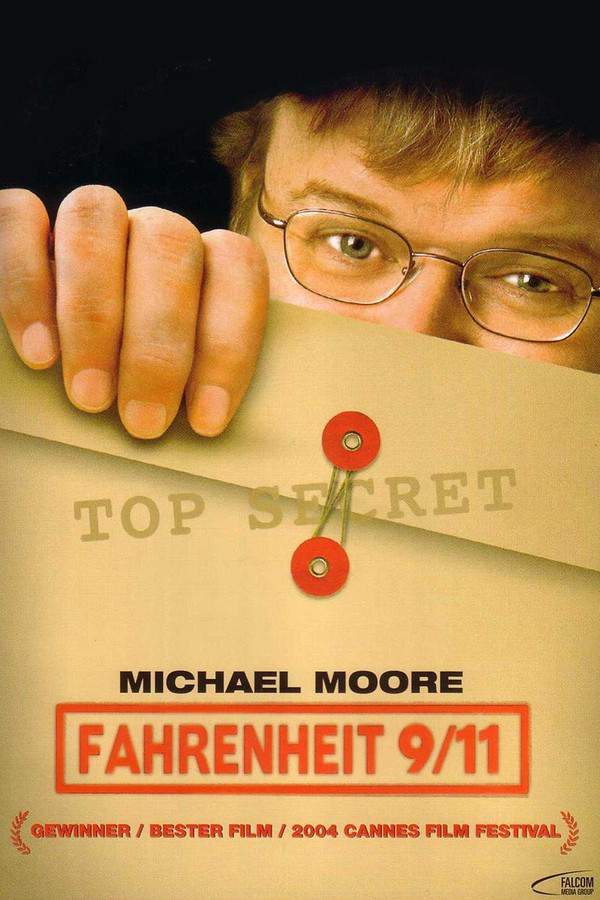
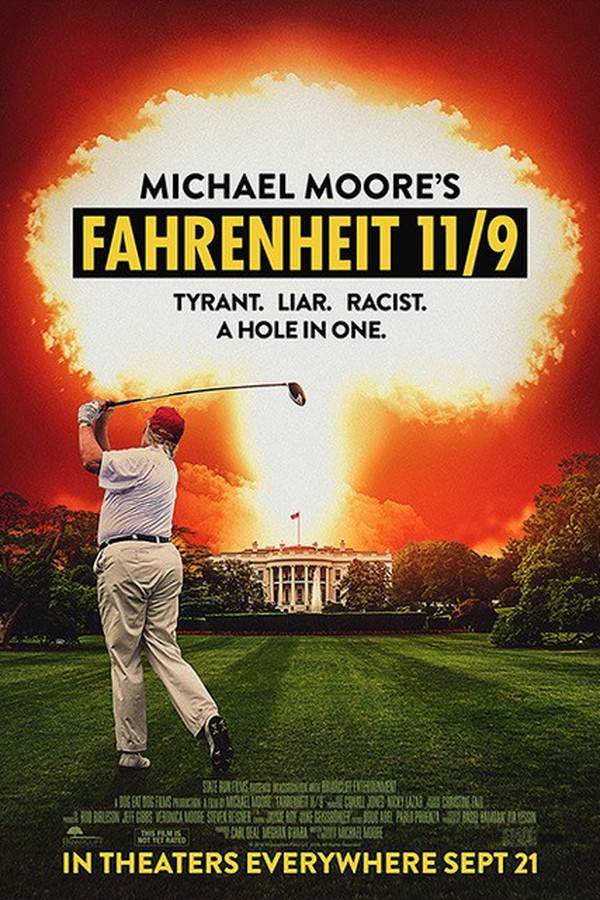
The documentary opens with a provocative claim: friends and political allies of George W. Bush at the Fox News Channel played a pivotal role in swaying the outcome of the 2000 election by prematurely declaring Bush victorious against Al Gore. This announcement came right after CBS had declared Florida, a vital swing state, in favor of Gore. The stakes were high; winning Florida meant securing the presidency. Intriguingly, the individual responsible for calling the election for Bush at Fox was none other than his first cousin, John Ellis. To further complicate matters, Bush's brother was the Governor of Florida.
The film suggests that the tumultuous handling of the Florida voting controversy amounted to election fraud. Incredibly, the chairman of Bush's campaign oversaw the vote counting in Florida and employed a firm to purge the voter rolls of those unlikely to support Bush, with many of those targeted being African Americans. Even more troubling, the Supreme Court, comprised of judges appointed by Bush Sr., sided with Bush despite overwhelming evidence from independent investigations indicating that Gore had actually won Florida.
In Congress, objections to the election results could be raised, but required support from a Senate member. While several African American Congressmen stepped forward with their concerns, none found backing from a single Senator, as they were consistently instructed to remain silent. The African American community felt compelled to protest even on the day of Bush's inauguration, labeling it a stolen election. As a result, Bush struggled to confirm his judges, pass legislation, and ultimately lost Republican control of the Senate, all while spending an astonishing 42% of his time on vacation.
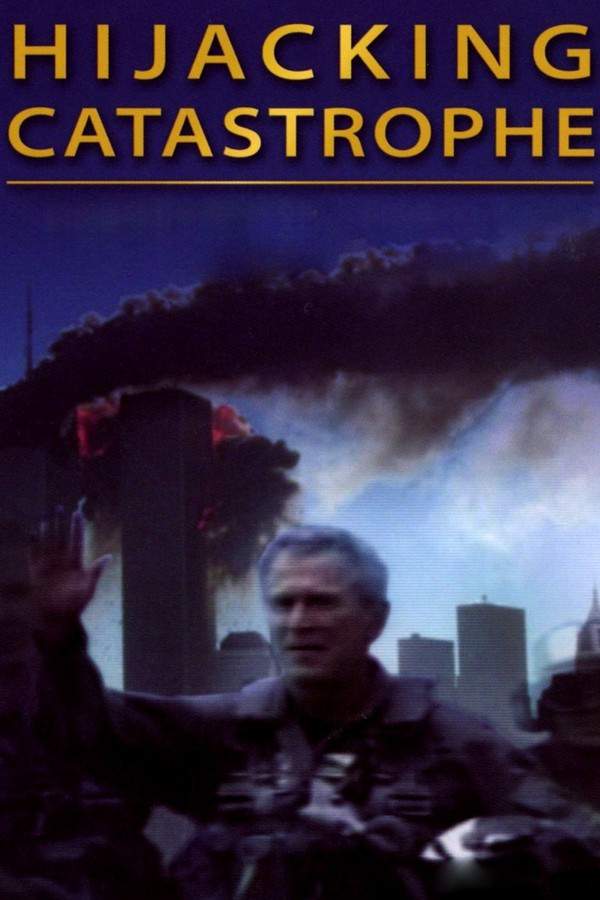
The narrative then shifts dramatically to the harrowing events of September 11, 2001, which marked the largest foreign attack on U.S. soil. Documentarian Michael Moore illustrates the chilling moments as Bush was informed of the first plane striking the World Trade Center while en route to an elementary school in Florida. Captivating footage shows Bush in an Emma E. Booker Elementary School classroom, engrossed in a reading session with children. Even upon learning of the second plane's crash and that the nation was "under attack," Bush chose to let the students finish their story, continuing to read The Pet Goat for nearly seven minutes.
Moore goes on to shed light on the complicated web of relationships linking the U.S. government, the Bush family, and the Bin Laden family, revealing that the Bin Ladens had invested approximately $1.4 billion through the Bush family and their associated enterprises over the preceding three decades. Remarkably, Moore asserts that shortly after the attacks, the U.S. government orchestrated the clandestine evacuation of 24 Bin Laden family members on a secret flight, sparing them from any interrogation. This operation involved the use of six private jets and 24 commercial planes, transporting a total of 142 Saudi citizens during a time when the entire nation was under a FAA flight ban.
As the documentary unfolds, Moore scrutinizes George W. Bush's service record in the Texas Air National Guard and contends that Bush's failed oil ventures were partially financed by both the Saudis and the Bin Laden family, funneled through intermediary James R. Bath, whose name appears blacked out from Bush's records. Furthermore, in 1990, one of Bush's companies was taken over by Harken Energy, earning him a seat on the board at a time when his father was President. He finds himself embroiled in an SEC investigation for selling $848,000 worth of Harken stock just before negative news about the company broke. Strikingly, the lawyer who aided Bush in overcoming the SEC scandal later secured a position as the U.S. ambassador to Saudi Arabia.
Subsequently, Bush's role as director of the Carlyle Group is examined—a company that thrived from the war in Iraq, with the Bin Laden family as investors. The Carlyle Group's portfolio included defense contractors that stood to profit handsomely from increased military funding, further connecting the Bush administration’s interests with those of the Bin Ladens.
Throughout the film, Moore posits that these interconnected interests cast doubt on whether the Bush administration acted in the best interests of the American populace. Following the 9/11 attacks, he claims Bush censored 28 pages of a Congressional investigation report, pages primarily focusing on the links between the Bush family, Saudi connections, and the Bin Ladens who had significant financial investments in the U.S. economy.
In the wake of 9/11, Bush fixated on Iraq as a target, demanding agencies produce evidence tying Iraq to the attacks, despite the lack of substantial links. The military commenced bombings of Afghanistan just four weeks later, justifying military action with claims that the Taliban sheltered Osama bin Laden, although only 11,000 troops were deployed on the ground and access to areas where Osama was purportedly located was denied for two months.
The documentary progresses to unveil the underlying motives behind the War in Afghanistan, including a proposed natural gas pipeline leading to the Indian Ocean, which stood to benefit Dick Cheney (previously of oil firm Unocal) and Kenneth Lay from Enron. Moore suggests that five months prior to the attacks, a Taliban delegation was welcomed in the U.S. to enhance the regime's image. Following the invasion, Hamid Karzai, who had connections to Unocal, was installed as Afghanistan’s president.
Moore further critiques the climate of fear fostered by the Bush administration through the mass media, discussing government infiltration of peace groups and the passage of the USA PATRIOT Act. The documentary then shifts focus to the Iraq War, depicting a contrast between the Iraqi population's lives before and after the U.S. invasion. It highlights the portrayal of Iraqis as generally content before the military incursion, and it examines the war cheering promoted by U.S. media, as well as the documented bias among journalists, bolstered by quotes from news outlets and embedded reporters.
Towards the film's conclusion, the heartbreaking story of Lila Lipscomb emerges as she mourns her son, Sgt. Michael Pedersen, who lost his life in the war in Iraq. Overwhelmed with grief, she begins to question the motive behind this conflict. Moore draws connections between the working-class soldiers sent into battle and the absence of those better off who often do not join for service.
As the credits roll accompanied by Neil Young's "Rockin' in the Free World," Moore dedicates this poignant film to his late friend who perished in the World Trade Center attacks, as well as to those brave servicemen and women from Flint, Michigan, who lost their lives in Iraq: "Michael Pedersen, Brett Petriken and all the soldiers from the Flint area who have died in the Iraq War. Bill Weems and the 2,973 who perished on 9/11/01 and the countless others who died in both Afghanistan and Iraq as a consequence of our actions."