Plot Explained Spoilers guaranteed!
Plot Explained

Browse by genre

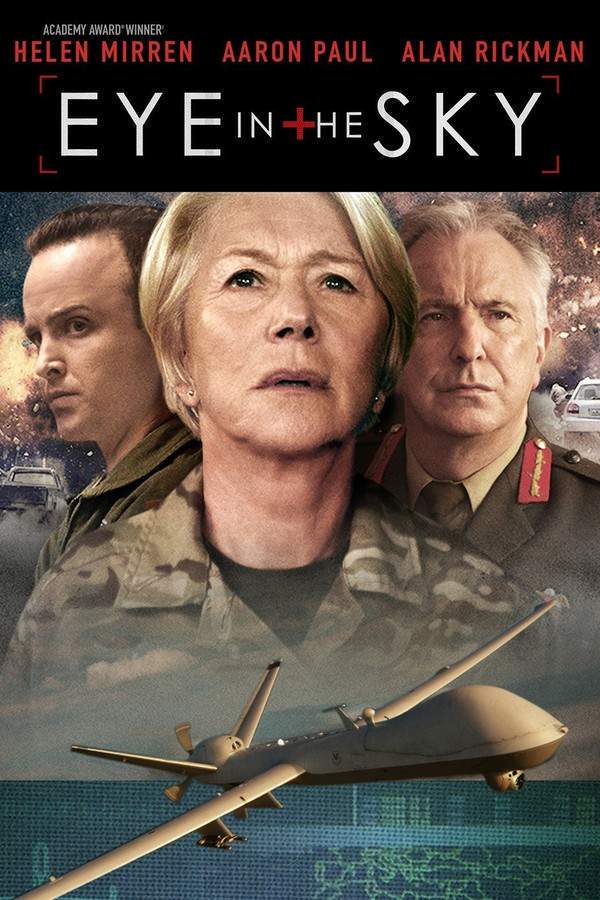
Eye in the Sky (2016) movie poster

Timeline

Eye in the Sky (2016) Timeline Explained – Every Event in Order

Release, runtime and language
2016 · 102 min · English
Loading streaming availability…
Directed by
Gavin Hood
Starring
Helen Mirren, Aaron Paul, Alan Rickman, Barkhad Abdi, Jeremy Northam, Iain Glen

During a counterterrorism operation in Kenya, a British intelligence team identifies terrorists planning a deadly attack. As the team prepares to strike with a drone, a sudden development places an innocent civilian in the target zone. Colonel Katherine Powell must weigh the potential loss of life against the risk of an imminent terrorist strike, sparking a tense ethical dilemma and a global crisis involving multiple governments.

On this page (6)
  1. 1 Where to watch
  2. 2 Events in order (12)
  3. 3 Timeline questions answered
  4. 4 Movie threads
  5. 5 Movies like Eye in the Sky
  6. 6 Every angle
Loading streaming availability…

12 events in order · contains spoilers

Eye in the Sky Timeline: Events in Chronological Order

Every key event of Eye in the Sky (2016) in order, scene by scene, with when and where it takes place. Use it to untangle flashbacks, time jumps and parallel storylines, to refresh your memory before the sequel or to find the exact scene you are thinking of.

  1. Agent murder prompts mission order

    Colonel Katherine Powell learns that an undercover British/Kenyan agent has been murdered by Al-Shabaab. From Northwood Headquarters, she takes command of a mission to capture three of the ten highest-level Al-Shabaab leaders meeting in a safe house in Nairobi. The operation is set up as a multinational effort, coordinated via video and data links.

    Where
    Northwood Headquarters, United Kingdom
  2. Multinational team coordinated with aerial surveillance

    Powell leads a multinational team tasked with the capture, while a USAF MQ-9 Reaper provides aerial surveillance. The drone is controlled from Creech Air Force Base in Nevada, and live feeds connect to ground teams around the world. Facial recognition and intelligence data are routed through facilities including the Joint Intelligence Center Pacific at Pearl Harbor.

    Where
    Creech Air Force Base, Nevada
  3. Kenyan operatives feed ground intelligence from Nairobi

    Undercover Kenyan agents use short-range ornithopter and insectothopter cameras to relay ground intelligence to the operation. The team tracks three high-level targets as they are believed to be within a Nairobi safe house. Ground support and local informants help guide the capture plan.

    Where
    Nairobi, Kenya
  4. COBRA discusses capture vs kill in London

    In London, a COBRA meeting debates whether the mission should be a capture or a kill. The chain of command seeks to minimize collateral damage and move decisions up to the Foreign Secretary and beyond. No definitive authorization is granted during this session.

    Where
    London, United Kingdom
  5. Targets arm two suicide bombers; mission shifts to kill

    Powell's intelligence indicates the three high-level targets are arming two suicide bombers for an attack. The plan shifts from capture to kill as the threat becomes imminent. She seeks permission and begins preparing a precision strike.

    Where
    Nairobi, Kenya
  6. Alia the neighbor raises collateral-damage concerns

    Alia, who lives next door, becomes central to the risk assessment as she travels near the target building. The team weighs the potential civilian casualties against the need to stop the attack. There is growing pressure to delay the strike to avoid harming her.

    Where
    Nairobi, Kenya
  7. Farah’s bread-broker plan backfires

    Farah tries to purchase all of Alia's bread so she will leave her usual spot, but his cover is blown when he pays. He is forced to flee rather than complete his mission. The attempt highlights the human complexities in a rapid-decision scenario.

    Where
    Nairobi, Kenya
  8. Risk assessment narrows civilian casualty estimates

    Powell orders the risk-assessment officer to find parameters that will yield a lower civilian casualty figure. He recalculates the strike point, providing a 45–65% range but reports only the lower figure to satisfy the pressure for a quick decision. The chain of command moves toward authorization.

    Where
    Northwood Headquarters, United Kingdom
  9. First Hellfire missile strikes; Alia injured

    With authorization granted, Watts fires the first Hellfire missile, destroying the target building and injuring Alia. One conspirator survives the strike, prompting the decision to execute a second missile.

    Where
    Nairobi, Kenya
  10. Second missile hits; Alia dies

    Seconds after the first strike, a second missile hits the site as Alia’s parents reach her. They rush her to a hospital, but she is pronounced dead.

    Where
    Nairobi, Kenya
  11. London situation room confronts civilian-cost politics

    In the London situation room, the under-secretary berates Benson for killing from the safety of his chair. Benson counters that he has been on the ground in the aftermath of five suicide bombings and argues the necessity of the action.

    Where
    London, United Kingdom
  12. Closing reflection on the cost of war

    The exchange underscores the moral and political complexities of drone warfare, leaving the audience with the stark reminder of the human cost. Benson's earlier line about the cost of war lingers as the narrative closes.

    Where
    London, United Kingdom

Last updated: October 09, 2025 at 16:23

Was this helpful?

Timeline questions answered

Eye in the Sky Timeline Explained: Your Questions Answered

When does it happen, and why in that order? The questions people ask about the chronology of Eye in the Sky (2016): time jumps, flashbacks, cause and effect between scenes and the correct order of events, each answered with spoilers.

Q1

Why did the mission switch from capture to kill?

The mission shifted from capture to kill because intelligence revealed that the three high-level Al-Shabaab leaders were actively arming two suicide bombers for an imminent attack on a civilian target. This changed the operational calculus from capturing terrorists to preventing an immediate mass-casualty event, making a lethal strike necessary.

Foreshadowing: Earlier scenes establish that the operatives had identified the three leaders as top-priority targets, setting up the tension between capture and elimination.

  • capture
  • kill mission
  • Al-Shabaab
  • suicide bombers
  • terrorist threat
Q2

What happened to Alia at the end?

Alia was struck by debris from the first Hellfire missile and seriously injured. Her parents rushed her to a hospital, but she was pronounced dead upon arrival. The second missile struck seconds after her parents reached her.

Foreshadowing: The escalating pressure to delay the strike while Alia remained in the area foreshadows the tragic outcome.

  • Alia
  • death
  • civilian casualties
  • child
  • hospital
Q3

Why did the military fire a second missile after Alia was already injured?

The second missile was ordered because one of the conspirators survived the first strike. Given the imminent threat of a suicide attack, the decision-makers authorized a follow-up strike to eliminate the remaining terrorist, even though it meant hitting the site again with Alia still present.

Foreshadowing: The first missile's limited effectiveness becomes apparent when the intelligence feed shows movement in the rubble.

  • second missile
  • Hellfire
  • surviving terrorist
  • strike
Q4

How did Farah's plan to move Alia away from the target area fail?

Farah attempted to buy all of Alia's bread so she would leave her usual selling spot near the target building. However, when he paid her, his cover was blown, he was identified as an operative. He was forced to retreat without completing the objective, and Alia remained in the danger zone.

Foreshadowing: Farah's earlier covert work with ornithopter cameras establishes his dual role as both intelligence gatherer and field operative.

  • Farah
  • bread
  • cover blown
  • Alia
  • Kenyan agent
Q5

Why was the civilian casualty risk report changed from 65% to 45%?

Powell pressured her risk-assessment officer to find parameters that would yield a lower civilian casualty figure. The officer recalculated and provided a range of 45–65%, but Powell instructed him to report only the lower 45% figure to push the strike authorization through the chain of command. This manipulation enabled the decision to proceed.

Foreshadowing: The pressure from Powell throughout the film to get authorization creates tension around the accuracy of the risk assessment.

  • civilian casualties
  • risk assessment
  • manipulation
  • Powell
  • chain of command
Q6

Who authorized the drone strike in the end?

The authorization traveled up from Colonel Powell to the COBRA meeting, then to the UK Foreign Secretary (who was in Singapore), who deferred to the United States. The US Secretary of State classified the American suicide bomber as an enemy combatant. The final approval came from the combined British-American chain of command, with each side consenting to the strike.

Foreshadowing: The multiple jurisdictional layers are introduced early when the operation is described as a multinational effort.

  • authorization
  • COBRA
  • Foreign Secretary
  • chain of command
  • US UK
Q7

Did the drone operation succeed in killing the terrorists?

The operation succeeded in eliminating the three high-level Al-Shabaab leaders and neutralizing the imminent suicide bombing threat. However, it came at the cost of Alia's life, creating a pyrrhic victory that raises questions about the true cost of success in modern warfare.

Foreshadowing: The mission's success is framed throughout as a balance between preventing terrorism and avoiding civilian harm.

  • terrorists eliminated
  • Al-Shabaab
  • mission success
  • threat neutralized
Q8

What was the disagreement between the UK and US over the strike?

The UK and US disagreed on authorization and due process. The US classified the American suicide bomber as an enemy combatant and was ready to strike, while the UK insisted on proper authorization and sought to minimize civilian harm. The debate centered on whether to proceed in a country not at war with either nation and how much collateral damage was acceptable.

Foreshadowing: The multinational structure of the operation is established from the beginning, with different national interests at play.

  • UK
  • US
  • political debate
  • authorization
  • civilian harm
  • sovereignty
Q9

What did Benson mean by 'never tell a soldier that he does not know the cost of war'?

In the closing scene, Under-Secretary Blinken criticizes Benson for making a kill decision from safety. Benson counters that he has been on the ground through five suicide bombings and understands the cost of war better than those judging from distance. The line emphasizes that those authorizing strikes are not insulated from the consequences and understand the weight of such decisions.

Foreshadowing: Benson's character is established as someone with direct experience in combat zones.

  • Benson
  • cost of war
  • speech
  • criticism
  • military experience
Q10

Why was Alia near the target building?

Alia was a young girl who lived next door to the target building. She helped her mother by selling bread in the area near the safe house. Her presence in the kill zone created the central moral dilemma of the film, should the strike proceed knowing an innocent child was in the blast radius?

Foreshadowing: Alia is introduced as a normal part of the neighborhood landscape before the target area is defined.

  • Alia
  • bread
  • innocent civilian
  • target building
  • neighbor
Q11

Where was the drone operation controlled from?

The MQ-9 Reaper drone was controlled from Creech Air Force Base in Nevada. The overall command came from Northwood Headquarters in the UK. Intelligence flowed through multiple locations including Joint Intelligence Center Pacific in Hawaii, while ground operatives operated in Nairobi, Kenya. The COBRA meeting took place in London.

Foreshadowing: The multinational nature of the operation is established in the opening scenes.

  • Creech Air Force Base
  • Nevada
  • Nairobi
  • Northwood
  • drone control
Q12

What was Jama Farah's role in the operation?

Jama Farah was an undercover Kenyan field agent who provided ground intelligence for the operation. He used miniature ornithopter and insectothopter cameras to relay information about the target location. Later, he was tasked with moving Alia away from the target area by purchasing her bread, though this operation failed and compromised his cover.

Foreshadowing: Farah's intelligence gathering is essential to tracking the terrorists throughout the film.

  • Jama Farah
  • Kenyan agent
  • ground intelligence
  • ornithopter
  • field operative

Movie threads

More Movies Like Eye in the Sky, by Mood & Story

Curated lists built around what makes Eye in the Sky tick: the same mood, the same kind of story or the same emotional payoff. Each list explains why these movies belong together.

Real-Time Command Room Dramas like Eye in the Sky

High-stakes moral debates unfold in real time within the confines of a control center. Explore movies like Eye in the Sky, where the tension is fueled by real-time ethical debates in high-tech command centers. These films trap you in a single location with characters who must make impossible choices under extreme pressure, resulting in a gripping and morally challenging experience.

  • suspenseful
  • claustrophobic
  • urgent
  • morally conflicted
  • anxious
  • debate-driven
  • Tone: tense, confrontational, morally conflicted
  • Pacing: fast, real-time
Why these movies?

The story pattern: Narratives in this thread are often confined and unfold in real or near-real time. The plot is driven by an urgent crisis, forcing a group of characters to debate the ethical ramifications of their limited options. The structure is linear and focused, with tension escalating as deadlines loom and new information complicates the decision.

Why they belong together: Movies are grouped here for their shared setting, real-time pacing, and core focus on a single, high-stakes ethical debate. They create a claustrophobic, intellectually charged, and intensely suspenseful atmosphere where dialogue is the primary source of conflict.

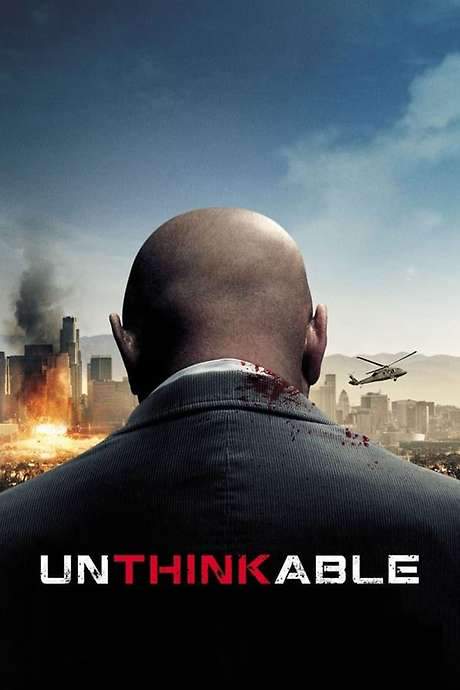
Movies about the Moral Cost of Modern War like Eye in the Sky

Stories that expose the cold, bureaucratic, and morally compromising reality of contemporary conflict. If you liked Eye in the Sky, discover similar films that tackle the difficult questions of modern warfare. These stories explore drone strikes, surveillance, and chain-of-command dilemmas, presenting a bleak and thought-provoking look at the human cost of high-tech military operations.

  • morally conflicted
  • bleak
  • confrontational
  • procedural
  • anxious
  • thought-provoking
  • Tone: bleak, tense, morally conflicted
  • Pacing: steady, procedural
Why these movies?

The story pattern: These narratives often follow a procedural structure, revealing how complex systems and red tape can paralyze or corrupt moral judgment. The protagonist is typically a well-intentioned individual caught within a vast military or intelligence apparatus, forced to confront the devastating human consequences of their abstract, mission-oriented actions.

Why they belong together: These films are united by their thematic focus on the impersonal nature of contemporary combat, the moral ambiguity of remote-controlled violence, and the heavy emotional weight of decisions made far from the battlefield. They share a bleak, confrontational tone and prioritize ideological conflict over physical action.

If you liked this

Movies Like Eye in the Sky

Similar movies to Eye in the Sky: the same genre, themes or kind of story. Each one comes with its own plot summary, timeline and ending explained.

Browse all movie summaries

Every angle

Eye in the Sky (2016) Explained: Plot, Timeline & Characters

Everything about Eye in the Sky in one place: what happens in the plot summary, the timeline in chronological order, the characters and meaning and a spoiler-free summary. What's After the Movie adds the cast, box office and post-credit scenes.

Coming soon on iOS and Android

The Plot Explained Movie Summary App

Plot summaries, endings explained and timelines on your phone. Catch up on any movie in minutes, save your favorites and never miss a twist again.

Be the first to know when we launch. Your email stays private, always.

Learn more about the app