
Plot Explained Spoilers guaranteed!
Plot Explained

Browse by genre

Evil Come Evil Go (1972) movie poster

Timeline

Evil Come Evil Go (1972) Timeline Explained – Every Event in Order

Release, runtime and language
1972 · 66 mins · English
Starring
Sandra Henderson, Rick Cassidy, John Holmes, Chesley Noone, Jesse Dizon, Gerard Broulard

Hell Hath No Fury A religious fanatic murders people who are engaging in sex.

On this page (6)
  1. 1 Where to watch
  2. 2 Events in order (12)
  3. 3 Timeline questions answered
  4. 4 Movie threads
  5. 5 Movies like Evil Come Evil Go
  6. 6 Every angle

Where to watch

Where to Watch Evil Come Evil Go (1972)

Where can you watch Evil Come Evil Go? Stream, rent or buy it in the US, including on Cultpix: current JustWatch availability with up-to-date prices.

Streaming availability powered by JustWatch

12 events in order · contains spoilers

Evil Come Evil Go Timeline: Events in Chronological Order

Every key event of Evil Come Evil Go (1972) in order, scene by scene, with when and where it takes place. Use it to untangle flashbacks, time jumps and parallel storylines, to refresh your memory before the sequel or to find the exact scene you are thinking of.

  1. Bar murder initiation

    Sarah seduces a bar patron and lures him away from the crowd. Once outside, she gruesomely guts him, establishing her violent creed of cleansing through sex-related acts. This act kicks off her murderous campaign.

    When
    Night
    Where
    Bar
  2. Second murder in Los Angeles

    She drives to Los Angeles, where she lures another man into a deadly trap. She kills him and, as a final act, scrawls 'God is Love, not Sex' on a mirror.

    When
    Night
    Where
    Los Angeles
  3. Busking and Penny’s arrival

    While performing on the streets, Sarah preaches her radical doctrine and spots Penelope, a naive young woman supported by wealthy, ashamed parents. They strike up an uneasy alliance as Penny is drawn to her charisma.

    When
    Day
    Where
    City streets
  4. Penny’s initiation into the order

    Sarah moves into Penny's life and subjects her to a ritual induction. She ties Penny to a bed, strips her, and teases her with a knife while they sing, demonstrating the deep control Sarah exerts over her new disciple.

    When
    Evening
    Where
    Penny's home
  5. Public performance and TV dream

    The pair sing on the streets to recruit followers as they lay out plans to turn Sarah's creed into a television series. The scheme gives them a platform to spread their message.

    When
    Day
    Where
    Street
  6. Intimidating Penny’s tenants

    Sarah uses Penny to threaten Penny's tenants, tightening their grip on the building's occupants. The intimidation deepens Penny's submission and reinforces Sarah's dominance.

    When
    Evening
    Where
    Penny's building
  7. Luring and killing another man

    At Sarah's direction, Penny lures a man home. While they have sex, Sarah stabs him to death, demonstrating their collaborative capacity for murder.

    When
    Evening
    Where
    Penny's home
  8. Penny’s horror and obedience

    The murder horrifies Penny, but she continues to obey Sarah's commands, sinking deeper into their predatory dynamic. The relationship tightens as Penny's moral boundaries erode.

    When
    Night
    Where
    Penny's home
  9. Junie’s arrival and murder

    During disposal preparations, Penny's ex-girlfriend Junie visits and becomes another victim. Sarah garrotes Junie with a scarf as she is having sex with Penny.

    When
    Night
    Where
    Penny's home
  10. Dumping bodies and the woods encounter

    Sarah and Penny dump their victims in the woods. They spot a couple having sex; the man approaches and chats with them before leaving with the duo.

    When
    Night
    Where
    Woods
  11. The potential murder of the next man

    The man chats with them and then leaves with the duo, implying a future murder. The encounter underscores their escalating danger.

    When
    Night
    Where
    Woods
  12. Guitarist and credits

    A guitarist who has trailed the group throughout the film appears in the credits sequence and sings 'Evil Come, Evil Go' as the credits roll. The performance reinforces the film's dark mood as it ends.

    When
    End of film
    Where
    Credits sequence

Last updated: February 24, 2026 at 13:55

Was this helpful?

Timeline questions answered

Evil Come Evil Go Timeline Explained: Your Questions Answered

When does it happen, and why in that order? The questions people ask about the chronology of Evil Come Evil Go (1972): time jumps, flashbacks, cause and effect between scenes and the correct order of events, each answered with spoilers.

Q1

Why does Sister Sarah believe God chose her to kill people?

Sarah is a religious fanatic who interprets her faith as a divine mission to cleanse the world of sexual sin. She genuinely believes she has been selected by God to punish those who seek pleasure through sex. This twisted interpretation of religious doctrine fuels her violent crusade and gives her the psychological justification for each murder.

Foreshadowing: Early scenes show Sarah humming hymns while preparing for violence, establishing her conviction that killing is holy work.

  • sister sarah
  • religious fanatic
  • divine mission
  • killing
  • motivation
  • faith
Q2

Why does Penny stay with Sarah after witnessing the murders?

Penny becomes psychologically trapped through a combination of manipulation, dependency, and gradual erosion of her moral boundaries. Sarah isolates her from other influences, uses the initiation ritual to establish control, and creates an environment where obedience feels safer than escape. Penny's naivety and lack of support from her wealthy but ashamed parents make her particularly vulnerable to Sarah's influence.

Foreshadowing: The ritual induction scene, where Sarah ties Penny to a bed and threatens her with a knife while they sing, demonstrates the power dynamic that will keep Penny compliant.

  • penny
  • sarah
  • manipulation
  • control
  • obedience
  • psychological abuse
Q3

What was Sarah's plan with the television series?

Sarah intended to use a television series as a platform to spread her extremist religious views to a mass audience. She and Penny planned to create the show specifically to propagate her doctrine that God is opposed to sexual pleasure. This represents Sarah's ambition to move beyond individual murders and achieve wider conversion to her twisted faith.

Foreshadowing: The public street performances where they sing and preach foreshadow Sarah's desire to reach larger audiences with her message.

  • television series
  • sarah
  • platform
  • preaching
  • conversion
  • religious doctrine
Q4

Why does Sarah kill Junie while she's with Penny?

Sarah kills Junie as both a practical measure to eliminate a potential threat and as a demonstration of absolute power over Penny. Junie's arrival as Penny's ex-girlfriend represents a connection to Penny's past that could pull her away from Sarah's control. The murder serves as a brutal lesson in obedience, Penny must choose absolute loyalty to Sarah over any other relationship.

Foreshadowing: Earlier scenes show Sarah using Penny to lure men, establishing that Sarah views romantic connections as tools to be controlled or destroyed.

  • junie
  • murder
  • sarah
  • penny
  • control
  • jealousy
Q5

Who is the guitarist that follows Sarah and Penny throughout the film?

The guitarist functions as an ominous, symbolic presence representing the inescapable nature of their violence and the dark path they walk. He appears periodically throughout the film, trailing them at a distance, and ultimately performs the song 'Evil Come, Evil Go' during the credits. He embodies the lingering danger and the notion that their murderous journey leaves an indelible mark on everyone it touches.

Foreshadowing: The guitarist first appears early in the film, establishing him as a persistent shadow that follows the pair throughout their killing spree.

  • guitarist
  • credits
  • song
  • ominous presence
  • following
Q6

Why does Sarah write 'God is Love, not Sex' on the mirror after killing in Los Angeles?

Sarah writes this message as a public declaration of her twisted religious mission. The phrase encapsulates her core belief that sexual pleasure is a corruption of true divine love. By leaving it visible, she transforms a murder scene into a proclamation, ensuring her victims become examples of her crusade against sexual sin.

Foreshadowing: This mirrors her street preaching where she condemns sexual pleasure as contrary to God's true nature.

  • mirror message
  • god is love not sex
  • declaration
  • religious mission
  • los angeles
Q7

How does Sarah recruit Penny into her order?

Sarah spots Penny while busking on the street and recognizes her vulnerability, Penny is a naive young woman whose wealthy parents are ashamed of her lesbianism. Sarah befriends her, moves into her life, and performs a ritual initiation that involves tying Penny to a bed, stripping her, and teasing her with a knife while they sing together. This ritual establishes domination and creates psychological bonds that replace Penny's previous identity with devotion to Sarah's cause.

Foreshadowing: Sarah's street preaching identifies her target audience, people seeking belonging and purpose that can be redirected toward her extremist ideology.

  • penny
  • recruitment
  • initiation
  • ritual
  • order
  • subjugation
Q8

What does the ending imply about Sarah and Penny's future?

The ending suggests the cycle of violence will continue indefinitely. After dumping bodies in the woods, they encounter another couple having sex. The man leaves with Sarah and Penny, implying he will become their next victim. The unresolved ending, combined with the guitarist's ominous final performance of 'Evil Come, Evil Go,' reinforces that their murderous partnership shows no signs of stopping.

Foreshadowing: The film's structure follows a repeating pattern of seduction, murder, and disposal, with each cycle reinforcing that there is no end in sight.

  • ending
  • future
  • murder cycle
  • woods
  • implication
  • continue
Q9

Why does Sarah only kill people during or immediately after sexual encounters?

Sarah's religious ideology specifically condemns sexual pleasure as the sin she believes God has tasked her to punish. She sees sex as the ultimate corruption that violates divine love, so she targets victims precisely at the moment they engage in the act she considers most offensive to God. This creates a twisted logic where her murders are framed as holy retribution against sinners.

Foreshadowing: The opening bar murder establishes this pattern, Sarah seduces the man specifically to draw him into the sexual act she will punish with death.

  • sexual encounters
  • murder target
  • religious ideology
  • sin
  • punishment
Q10

Why does Sarah intimidate Penny's tenants?

Sarah uses intimidation of Penny's tenants as a way to consolidate power and control over Penny's environment. By threatening the people living in Penny's building, Sarah establishes herself as the dominant force in Penny's life and removes potential allies or influences that could compete with her control. This tightening of the social environment makes Penny more dependent on Sarah and reinforces the abusive dynamic.

Foreshadowing: This intimidation occurs after Sarah has already initiated Penny into her order, showing the progression from psychological manipulation to outright territorial control.

  • tenants
  • intimidation
  • control
  • power
  • building
  • dominance

Movie threads

More Movies Like Evil Come Evil Go, by Mood & Story

Curated lists built around what makes Evil Come Evil Go tick: the same mood, the same kind of story or the same emotional payoff. Each list explains why these movies belong together.

Movies about fanatical evil like Evil Come Evil Go

Stories where unwavering belief becomes a rationalization for brutal violence. If you were fascinated by the psychological terror in Evil Come Evil Go, discover more movies about religious or ideological fanaticism leading to violence. These films share a dark, intense, and unsettling atmosphere.

  • fanatical
  • psychological
  • brutal
  • unsettling
  • menacing
  • cold
  • Tone: dark, menacing, cold
  • Pacing: steady, methodical
Why these movies?

The story pattern: Movies in this thread typically follow a character whose extreme beliefs justify a campaign of terror. The plot unfolds methodically, showing the systematic application of their fanaticism against those they deem immoral or corrupt. The journey is a one-way descent, often ending in a bleak affirmation of the character's destructive worldview.

Why they belong together: These films are grouped together because they share a core focus on a menacing, psychologically-driven antagonist and a dark, heavy atmosphere. They are defined by their unsettling exploration of how dogma can be twisted into violence, creating a similar feeling of cold dread and moral revulsion.
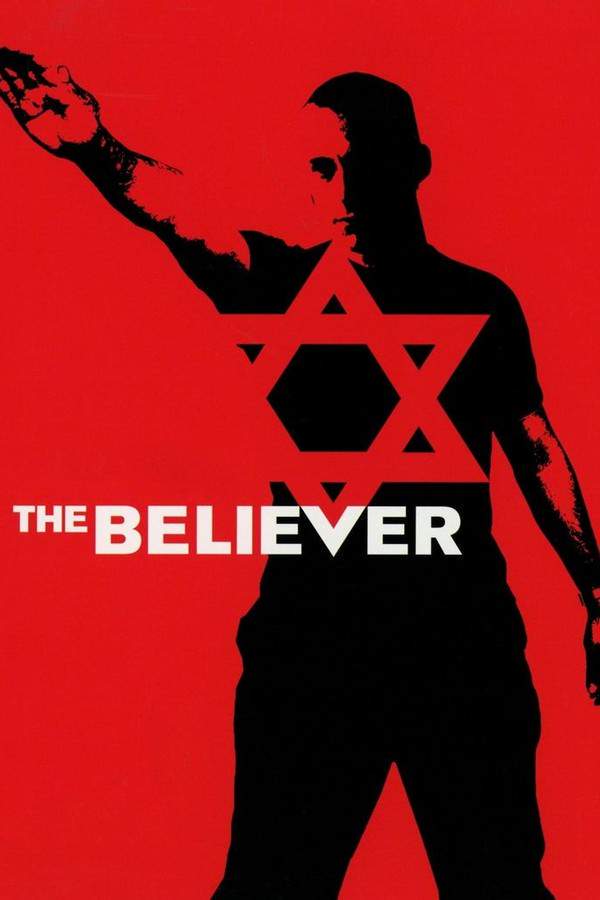
Movies with methodical horror pacing like Evil Come Evil Go

A relentless, driving pace that immerses you in a world of inescapable dread. Fans of the relentless, steady-paced horror in Evil Come Evil Go will appreciate these films. They share a similar brutal, unyielding rhythm that creates a potent sense of dread and inescapable fate.

  • brutal
  • relentless
  • unsettling
  • methodical
  • doomed
  • dread
  • Tone: dark, bleak, relentless
  • Pacing: steady, relentless
Why these movies?

The story pattern: The narrative structure is often repetitive and linear, focusing on a series of similar horrific events. There are few subplots or moments of relief, creating a direct and oppressive experience. The pacing steadily increases the emotional and psychological pressure on both the characters and the audience, leading to an overwhelmingly bleak conclusion.

Why they belong together: These movies are united by their specific pacing and intensity blend, creating a distinct viewing experience. The steady, relentless rhythm combined with high-intensity violence and a dark tone results in a uniquely brutal and immersive form of horror that feels cohesive and impactful.

If you liked this

Movies Like Evil Come Evil Go

Similar movies to Evil Come Evil Go: the same genre, themes or kind of story. Each one comes with its own plot summary, timeline and ending explained.

Browse all movie summaries

Every angle

Evil Come Evil Go (1972) Explained: Plot, Timeline & Characters

Everything about Evil Come Evil Go in one place: what happens in the plot summary, the timeline in chronological order, the characters and meaning and a spoiler-free summary. What's After the Movie adds the cast, box office and post-credit scenes.

Coming soon on iOS and Android

The Plot Explained Movie Summary App

Plot summaries, endings explained and timelines on your phone. Catch up on any movie in minutes, save your favorites and never miss a twist again.

Be the first to know when we launch. Your email stays private, always.

Learn more about the app