Plot Explained Spoilers guaranteed!
Plot Explained

Browse by genre

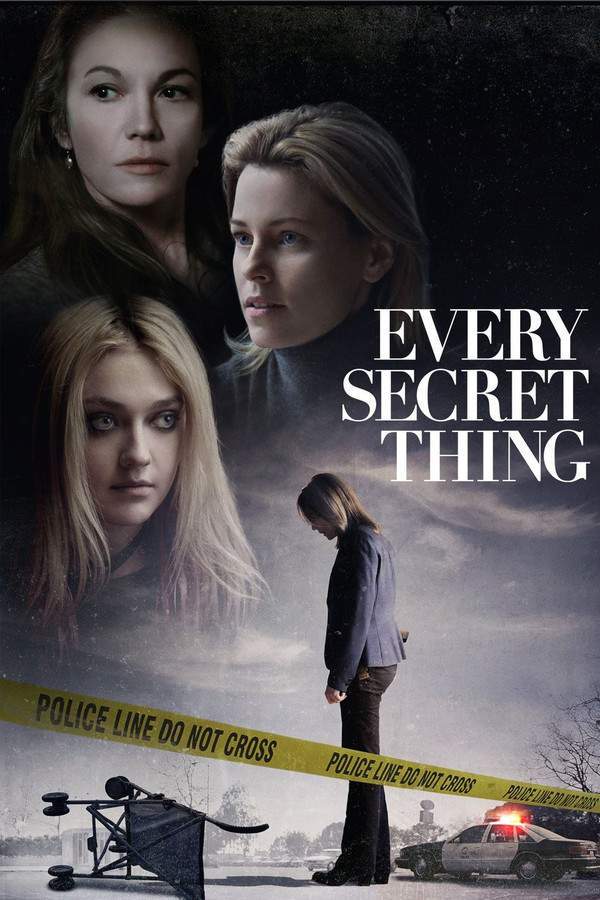
Every Secret Thing (2015) movie poster

Timeline

Every Secret Thing (2015) Timeline Explained – Every Event in Order

Release, runtime and language
2015 · 93 min · English
Loading streaming availability…
Directed by
Amy Berg

Detective Nancy Porter is haunted by a past failure when a new child goes missing, echoing a case she couldn't solve eight years before. Ronnie and Alice, the young girls involved in the previous tragedy and recently released from juvenile detention, become the focus of the investigation. As Porter and her partner delve into the current disappearance, they uncover a complex network of hidden truths and deception, forcing them to confront painful memories and question everything they believe.

On this page (7)
  1. 1 Where to watch
  2. 2 Events in order (14)
  3. 3 Timeline questions answered
  4. 4 The book behind the movie
  5. 5 Movie threads
  6. 6 Movies like Every Secret Thing
  7. 7 Every angle
Loading streaming availability…

14 events in order · contains spoilers

Every Secret Thing Timeline: Events in Chronological Order

Every key event of Every Secret Thing (2015) in order, scene by scene, with when and where it takes place. Use it to untangle flashbacks, time jumps and parallel storylines, to refresh your memory before the sequel or to find the exact scene you are thinking of.

  1. The Kidnapping Incident

    Ronnie Fuller becomes obsessed with a mixed-race infant left unattended in a stroller during their carefree days. Despite Alice Manning's desperate pleas to leave the baby alone, Ronnie’s impulsive decision to take the child marks the beginning of their tragic journey and irrevocably alters both their lives.

    When
    Before their incarceration
    Where
    Local Park
  2. Incarceration Begins

    After the kidnapping and murder of the infant granddaughter of the county's first black judge, Ronnie and Alice are arrested and sentenced to seven years in Juvenile Hall. Their time in detention is riddled with regret and pain, especially for Alice, who insists on her innocence while feeling the weight of their terrible choice.

    When
    Following the tragic incident
    Where
    Juvenile Hall
  3. Life in Juvenile Hall

    During their seven years in Juvenile Hall, the traumatic experience shapes their identities. Alice finds herself frequently dismissed, while Ronnie emerges as a dominant yet troubled figure, reflecting the complexity of their situation and the ramifications of their actions.

    When
    Throughout incarceration
    Where
    Juvenile Hall
  4. Present-Day Struggles

    Post-release, Ronnie works at a local bagel shop, trying to rebuild her life. In contrast, Alice grapples with her mother's harsh judgment and her own self-worth, engaging in unhealthy habits and pursuing an unattainable dream of fame.

    When
    After being released
    Where
    Local Bagel Shop
  5. Alice's Relationship with Helen

    Alice Manning's relationship with her mother, Helen, becomes increasingly toxic due to constant comparisons and criticisms. Helen, a teacher who feels shame about Alice's weight, further complicates Alice's struggles with self-acceptance and approval as she expresses favoritism towards Ronnie.

    When
    Present day
  6. Brittany Lyttle Goes Missing

    The community is shaken when Brittany Lyttle, a young bi-racial girl, goes missing while shopping with her family. Detective Nancy Porter is drawn back into the tragic web of the Fuller and Manning past, as the similarities between Brittany and the previous victim become too haunting to ignore.

    When
    Present Day
    Where
    Local Shopping Center
  7. Detective Nancy Porter's Investigation

    Detective Porter begins her investigation into Brittany Lyttle's disappearance, haunted by the earlier case involving Ronnie and Alice. As she interviews Brittany's family, unsettling parallels surface, complicating the existing trauma associated with the Fuller/Manning case.

    When
    Following the abduction
    Where
    Detective's Office
  8. Alice's Underlying Struggles

    As Detective Porter probes deeper, Alice’s troubled past unveils a tale of exploitation, including a coerced relationship with Rodrigo at Juvenile Hall. This shocking revelation further complicates her emotions and desires, making her actions more desperate.

    When
    After investigation begins
  9. Alice's Twisted Plan

    Alice becomes convinced that Brittany is her long-lost child and develops a chilling plan with Rodrigo's help. Their scheme to frame Ronnie for the past's sins illustrates Alice's determination to reclaim what she believes is rightfully hers.

    When
    Days following Brittany's disappearance
  10. Revelation of Truth

    The investigation reveals that Brittany is not Alice's biological daughter, shattering her aspirations of motherhood and revenge. This truth leads to a devastating realization for both women as they confront the weight of their past decisions.

  11. Alice’s Media Frenzy

    After striking a deal with the district attorney, Alice relishes attention from the media, portraying herself as a victim of a flawed justice system. This shocking turn stuns Detective Porter and the community, complicating their perception of justice.

    When
    After her release
  12. Ronnie's Downward Spiral

    As the pressure mounts and guilt consumes her, Ronnie engages in self-destructive behaviors that threaten her already fragile existence. Her tragic choices reflect the extent of her remorse for the past, leading to devastating consequences.

    When
    During Alice's rise in media
  13. Helen Takes Action

    Helen Manning, determined to rectify the wrongs that Alice has committed, promises that her daughter will face the repercussions of her actions. This decision marks a pivotal moment in the narrative, showcasing the cycle of familial betrayal and redemption.

    When
    Following Alice's media attention
  14. The Confrontation on the Porch

    The story concludes with a poignant scene on the porch where tragedy once began. Instead of Ronnie, it is now Alice who stands there, reveling in a twisted sense of vindication, solidifying her role as the orchestrator of their past horrors.

    When
    End of the story
    Where
    Front Porch

Last updated: November 22, 2024 at 10:58

Was this helpful?

Timeline questions answered

Every Secret Thing Timeline Explained: Your Questions Answered

When does it happen, and why in that order? The questions people ask about the chronology of Every Secret Thing (2015): time jumps, flashbacks, cause and effect between scenes and the correct order of events, each answered with spoilers.

Q1

Why did Ronnie take the baby from the park?

Ronnie became obsessed with the mixed-race infant left unattended in a stroller. Despite Alice's pleas to leave the child alone, Ronnie's impulsive desire to "provide a better life" for the baby led her to take the child, which ultimately resulted in the infant's death. This decision was driven by Ronnie's naivety and misplaced sense of responsibility rather than any malicious intent.

Foreshadowing: Early flashbacks show Ronnie's fascination with the baby long before the actual kidnapping occurs.

  • ronnie fuller
  • baby kidnapping
  • alice manning
  • juvenile hall
Q2

Was Alice actually innocent in the original kidnapping?

Alice was not truly innocent. While she claims she didn't want to take the baby and begged Ronnie to leave the infant alone, she was present and complicit during the kidnapping. Her cries of innocence in Juvenile Hall were largely self-serving, as she sought to avoid accountability while allowing Ronnie to bear the heavier blame.

Foreshadowing: The dynamic between the two girls during the flashback shows Alice protesting but ultimately going along with Ronnie's plan.

  • alice manning
  • innocence
  • kidnapping
  • ronnie fuller
Q3

What happened to Alice's baby from Juvenile Hall?

At age 15, Alice was coerced into a sexual relationship with Rodrigo, a janitor at Juvenile Hall, which resulted in an unplanned pregnancy. Her mother Helen arranged for the baby to be placed for adoption without Alice's knowledge or consent. Alice never knew what happened to her child, which later fuels her belief that Brittany might be her daughter.

Foreshadowing: Alice's secret exploitation is hinted at when the investigation reveals her troubled past.

  • alice baby
  • juvenile hall
  • rodrigo
  • helen manning
  • adoption
Q4

Why does Alice believe Brittany is her daughter?

Alice becomes convinced that Brittany Lyttle is her biological daughter because she was pregnant when she entered Juvenile Hall and her baby was given up for adoption without her knowledge. The fact that Brittany is bi-racial, similar to Alice's own child, fuels Alice's desperate belief that she has found her lost daughter.

Foreshadowing: The investigation into Alice's past reveals her hidden pregnancy and the forced adoption.

  • alice brittany
  • lost daughter
  • adoption
  • bi-racial child
Q5

Why does Alice want to frame Ronnie for Brittany's disappearance?

Alice orchestrates a plan with Rodrigo to frame Ronnie for Brittany's disappearance because she believes doing so will help her reclaim what she thinks is rightfully hers, her child, and escape accountability for her own actions. Alice manipulates the situation to position herself as the victim while sacrificing Ronnie once again.

Foreshadowing: Alice's history of letting Ronnie take the blame for their original crime sets up this pattern of manipulation.

  • alice frame ronnie
  • brittany disappearance
  • manipulation
Q6

What is Alice's relationship with Rodrigo?

Rodrigo was a janitor at Juvenile Hall who coerced Alice into a sexual relationship when she was just 15 years old. This exploitation resulted in Alice's pregnancy. Years later, after their release, Alice tracks him down and together they devise the twisted plan to use Brittany's disappearance to frame Ronnie, revealing a disturbing reconnection built on their shared secrets.

Foreshadowing: The revelation of Alice's exploitation emerges during Detective Porter's investigation of the girls' history.

  • rodrigo
  • juvenile hall
  • sexual exploitation
  • alice manning
Q7

Why is Detective Porter haunted by the first case?

Detective Nancy Porter was directly involved in the original Fuller/Manning case eight years prior, when Ronnie and Alice kidnapped and murdered the judge's infant granddaughter. Her failure to solve that case or prevent the tragedy weighs heavily on her, especially when Brittany Lyttle goes missing under eerily similar circumstances.

Foreshadowing: Porter's visible distress during the initial investigation hints at her unresolved past.

  • detective nancy porter
  • past case
  • guilt
  • fuller manning case
Q8

What does Helen do at the end of the movie?

Helen Manning, devastated by Alice's manipulation and the harm she's caused, takes justice into her own hands. She promises that Alice will face consequences for her deeds, essentially orchestrating her daughter's downfall. This represents Helen's attempt to correct the cycle of harm and abuse that has defined their family.

Foreshadowing: Helen's favoritism toward Ronnie and harsh treatment of Alice foreshadow her ultimate rejection of Alice's actions.

  • helen manning
  • alice consequences
  • justice
  • mother daughter
Q9

Why does Alice get released after the investigation?

Alice strikes a deal with the district attorney, providing information that helps the investigation while avoiding prosecution herself. She then capitalizes on media attention, portraying herself as a victim of a flawed justice system. This allows her to walk free despite her role in the conspiracy against Ronnie.

Foreshadowing: Alice's manipulative nature and tendency to escape accountability are established throughout the narrative.

  • alice released
  • district attorney
  • media attention
  • deal
Q10

What happens to Ronnie at the end of the movie?

Ronnie, overwhelmed by guilt for her original crime and the pressure of Alice's manipulation, spirals into self-destructive behavior. Her tragic choices reflect the extent of her remorse, ultimately leading to her downfall. She is no longer present at the ending, replaced by Alice on the porch where their tragedy began.

Foreshadowing: Ronnie's withdrawal and self-destructive behaviors intensify as the investigation progresses.

  • ronnie fuller
  • death
  • guilt
  • self-destructive
Q11

Why does the movie end on such a dark note?

The ending is bleak because Alice, the true manipulator, evades justice while Ronnie suffers the consequences. The film concludes with Alice standing on the porch where the original tragedy occurred, reveling in her twisted vindication. This cyclical tragedy reinforces the movie's dark themes of exploitation, manipulation, and the failure of justice.

Foreshadowing: The non-linear structure and earlier hints at Alice's manipulation set up this pessimistic conclusion.

  • ending
  • bleak
  • alice vindication
  • cyclical tragedy
Q12

Why does Helen favor Ronnie over Alice?

Helen Manning favors Ronnie because she feels shame about Alice's weight and perceived lack of refinement. This dynamic fostered resentment between Alice and Ronnie, with Helen constantly comparing them unfavorably. This toxic favoritism contributed to Alice's desperate need for approval and her eventual manipulation of everyone around her.

Foreshadowing: Helen's criticism of Alice and preference for Ronnie are visible throughout their present-day interactions.

  • helen manning
  • alice
  • ronnie
  • favoritism
  • mother daughter

Movie threads

More Movies Like Every Secret Thing, by Mood & Story

Curated lists built around what makes Every Secret Thing tick: the same mood, the same kind of story or the same emotional payoff. Each list explains why these movies belong together.

Bleak crime investigations with tragic pasts like in Every Secret Thing

Stories where detectives are haunted by unsolved cases and moral failure. Movies like Every Secret Thing for fans of dark, character-driven crime stories. If you liked the theme of a detective haunted by a past failure and a bleak, morally complex investigation, you'll find similar films in this section. These movies share a heavy emotional weight and a focus on the psychological toll of unsolved crimes.

  • oppressive
  • somber
  • gripping
  • tragic
  • anxious
  • melancholic
  • Tone: dark, bleak, tense
  • Pacing: variable, methodical
Why these movies?

The story pattern: Narratives in this thread typically follow a dual timeline, interweaving the present-day investigation with revealing flashbacks to the original, unsolved crime. The protagonist's journey is one of obsession and fraught redemption, often culminating in a bleak realization that some wounds cannot be healed and true justice is unattainable. The central conflict is as much internal—battling personal demons—as it is external.

Why they belong together: These films are grouped together for their shared dark tone, heavy emotional weight, and focus on the psychological burden of law enforcement. They create a cohesive experience through their complex, non-linear narratives, oppressive atmosphere, and themes of guilt, cyclical tragedy, and the flaws within the justice system.

Psychological manipulation movies like Every Secret Thing

Films that unravel complex webs of deceit through shifting character viewpoints. If you liked the complex web of deception and shifting truths in Every Secret Thing, this section is for you. Discover similar movies and psychological dramas where character motivations are ambiguous and narratives are built on unreliable perspectives. These films share a complex structure and a gripping, anxious mood.

  • anxious
  • gripping
  • psychological
  • unsettling
  • complex
  • deceptive
  • Tone: dark, tense, anxious
  • Pacing: variable, slow burn
Why these movies?

The story pattern: The defining narrative pattern involves a central mystery or conflict that is perceived differently by key characters. Flashbacks and present-day scenes are carefully layered to obfuscate the truth before a devastating revelation. The journey is less about external action and more about the slow, chilling unraveling of a personality or a carefully constructed facade, often leading to a tragic outcome.

Why they belong together: These movies are connected by their complex narrative structures and their focus on the theme of manipulation. They share a dark, anxious mood and a variable pacing that builds tension through revelation and misdirection. The similarity lies in the intellectual and emotional challenge of deciphering the story.

If you liked this

Movies Like Every Secret Thing

Similar movies to Every Secret Thing: the same genre, themes or kind of story. Each one comes with its own plot summary, timeline and ending explained.

Browse all movie summaries

Every angle

Every Secret Thing (2015) Explained: Plot, Timeline & Characters

Everything about Every Secret Thing in one place: what happens in the plot summary, the timeline in chronological order, the characters and meaning and a spoiler-free summary. What's After the Movie adds the cast, box office and post-credit scenes.

Coming soon on iOS and Android

The Plot Explained Movie Summary App

Plot summaries, endings explained and timelines on your phone. Catch up on any movie in minutes, save your favorites and never miss a twist again.

Be the first to know when we launch. Your email stays private, always.

Learn more about the app