















Plot Explained Spoilers guaranteed!
Plot Explained

Browse by genre

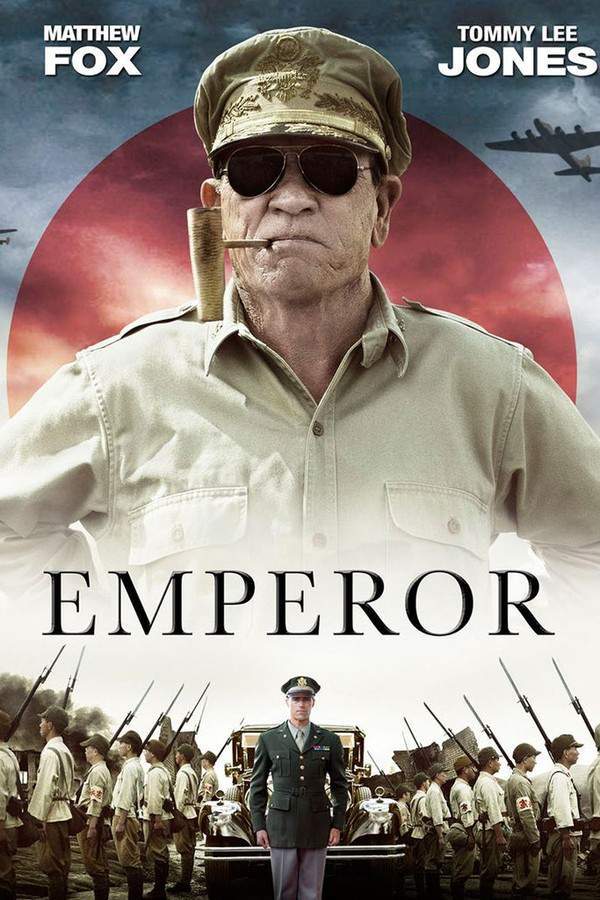
Emperor (2013) movie poster

Timeline

Emperor (2013) Timeline Explained – Every Event in Order

Release, runtime and language
2013 · 105 min · English
JustWatch #12,014 6
Directed by
Peter Webber
Starring
Tommy Lee Jones, Eriko Hatsune, Masayoshi Haneda, Toshiyuki Nishida, Matthew Fox, Colin Moy

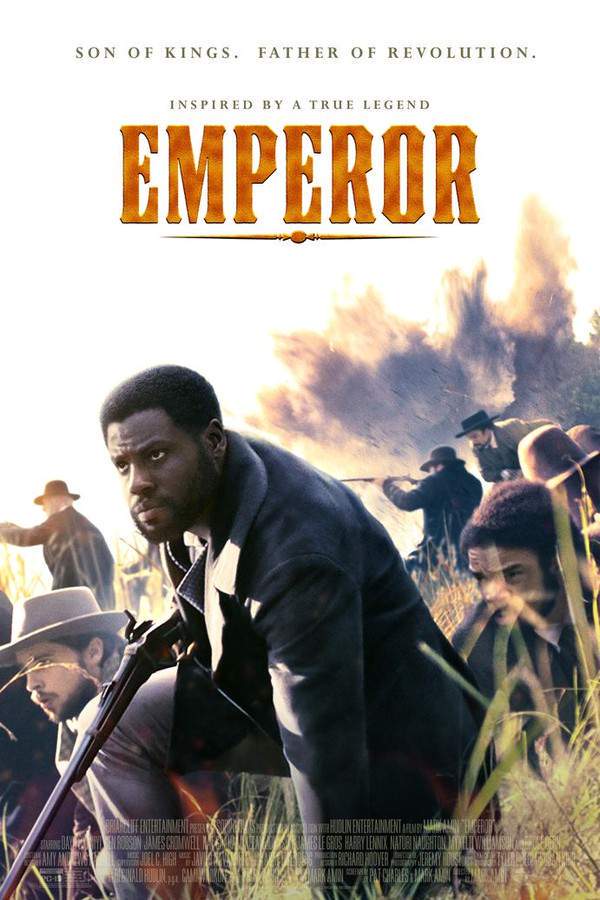
In 1859, Shields "Emperor" Green, a man born into slavery and hardened by a life as an outlaw, undertakes a dangerous mission to free his family and escape bondage. He joins forces with the passionate abolitionist John Brown and leads a daring uprising at Harpers Ferry, Virginia. This bold act of defiance aims to spark a widespread rebellion and challenge the institution of slavery, igniting a struggle for freedom.

On this page (6)
  1. 1 Where to watch
  2. 2 Events in order (14)
  3. 3 Timeline questions answered
  4. 4 Movie threads
  5. 5 Movies like Emperor
  6. 6 Every angle

Where to watch

Where to Watch Emperor (2013)

Where can you watch Emperor? Stream, rent or buy it in the US, including on fuboTV, Philo and Fawesome: current JustWatch availability with up-to-date prices.

Streaming availability powered by JustWatch

14 events in order · contains spoilers

Emperor Timeline: Events in Chronological Order

Every key event of Emperor (2013) in order, scene by scene, with when and where it takes place. Use it to untangle flashbacks, time jumps and parallel storylines, to refresh your memory before the sequel or to find the exact scene you are thinking of.

  1. The Aftermath of Japan's Defeat

    Following Japan's catastrophic defeat in World War II, the American Occupation begins, ushering in a period of unrest and uncertainty. The newly conquered lands are largely unexplored, setting the stage for the unfolding drama.

    When
    Post-WWII
    Where
    Japan
  2. Fellers Receives His Assignment

    Brigadier General Bonner Frank Fellers is given the daunting task of investigating Emperor Hirohito's involvement in the attack on Pearl Harbor. This responsibility weighs heavily on him, as any misstep could lead to widespread unrest among the Japanese populace.

    When
    Within days of the Occupation
    Where
    General Headquarters, Japan
  3. Fellers' Background

    Fellers is recognized not only as a soldier but also as a Japan aficionado who had lived in Japan prior to the war. His unique qualifications make him both suitable and vulnerable to the cultural dynamics he must navigate during his investigation.

    When
    Before the Occupation
    Where
    Japan
  4. Meeting the War Criminals

    Fellers begins his investigations by questioning Class-A War Criminals, including Wartime Prime Minister Hideki Tojo, Former Prime Minister Konoe, and Koichi Kido. Each interrogation reveals the complex web of political machinations that preceded the war.

    When
    During Investigation
    Where
    Tokyo
  5. Resistance from American Soldiers

    As Fellers delves deeper, he encounters hostility not just from the Japanese citizens but also from his fellow American soldiers. Their resentment for the Japanese complicates his mission and threatens the integrity of his findings.

    When
    During Investigation
    Where
    American Army Base, Japan
  6. General Richter's Sabotage

    General Richter actively works against Fellers, driven by a desire for retribution against the Emperor. His actions heighten the pressure on Fellers, making it increasingly difficult to pursue an unbiased investigation.

    When
    During Investigation
    Where
    General Headquarters, Japan
  7. Principle of Justice vs. Revenge

    Fellers grapples with the ethical dilemma of justice versus revenge, reminding his peers that 'Revenge is not Justice.' This philosophy becomes a central theme as he navigates the moral complexities of his assignment.

    When
    Throughout Investigation
  8. Takahashi Joins the Team

    To aid in his mission, Fellers is assigned an interpreter and driver, Takahashi. Initially met with indifference, Takahashi proves to be a crucial ally, facilitating communication and providing local insights that benefit the investigation.

    When
    During Investigation
    Where
    Tokyo
  9. Fellers' Personal Conflict

    Fellers struggles with personal demons as he searches for his pre-war love, Aya Shimada. His emotional attachment to her complicates his objectivity and adds a layer of turmoil to his already heavy responsibilities.

    When
    During Investigation
    Where
    Japan
  10. Steering Bombing Missions

    In a significant act of defiance, Fellers carefully alters bombing missions to avoid harming his love interest, Aya. This decision reflects both his moral convictions and the personal toll the war has taken on him.

    When
    During War
    Where
    Japan
  11. Confrontation with General Richter

    Fellers confronts General Richter, pushing back against his agenda for revenge. This conflict underscores the tensions between personal vengeance and the quest for justice in post-war Japan.

    When
    During Investigation
    Where
    General Headquarters, Japan
  12. Cultural Tensions Rise

    As the investigation unfolds, cultural tensions mount, exemplifying the clash between American ideals and Japanese traditions. Fellers must navigate these delicate waters while upholding his commitment to justice.

    When
    Throughout Investigation
    Where
    Various locations in Japan
  13. Final Revelations

    As Fellers approaches the conclusion of his investigation, critical revelations about the Emperor's role come to light. These findings not only influence post-war perceptions of Japan but also shape Fellers' own views on justice.

    When
    Conclusion of Investigation
    Where
    Tokyo
  14. A New Understanding

    In the aftermath of his investigation, Fellers emerges with a newfound understanding of the complexities of forgiveness and accountability. The experiences shape his worldview and illustrate the poignant theme of reconciliation in the wake of conflict.

    When
    Post-Investigation
    Where
    Japan

Last updated: May 12, 2025 at 07:04

Was this helpful?

Timeline questions answered

Emperor Timeline Explained: Your Questions Answered

When does it happen, and why in that order? The questions people ask about the chronology of Emperor (2013): time jumps, flashbacks, cause and effect between scenes and the correct order of events, each answered with spoilers.

Q1

Why was Fellers chosen to investigate the Emperor's involvement in Pearl Harbor?

Fellers was chosen because he was a recognized Japanophile who had lived in Japan before the war and spoke the language. This made him uniquely qualified to navigate the sensitive cultural and political terrain of the occupation. His knowledge of Japanese society and language allowed him to effectively interrogate war criminals and gather intelligence that less culturally aware officers might have missed.

Foreshadowing: The film establishes early on that Fellers' deep understanding of Japan is both his greatest asset and a potential liability, as his known affection for the country could be seen as bias.

  • bonner fellers
  • general fellers
  • japan occupation
  • investigation
  • qualifications
Q2

What was the significance of the 10-day deadline in the film?

Fellers was given just ten days to complete his investigation and determine whether Emperor Hirohito should be charged as a war criminal. This compressed timeframe reflected the urgent need to stabilize post-war Japan, as keeping the Emperor in limbo risked provoking a national uprising. The deadline created constant pressure throughout the film, forcing Fellers to work quickly while navigating political resistance and personal conflicts.

Foreshadowing: The urgency of the deadline is established in the opening scenes, setting the pace for the entire investigation.

  • ten days
  • deadline
  • emperor hirohito
  • war crimes trial
  • occupation
Q3

Why does Fellers believe the Emperor should not be tried as a war criminal?

Fellers believes that prosecuting the Emperor would trigger widespread unrest and potentially a violent uprising among the Japanese population. He argues that the Emperor is essential to maintaining social order in defeated Japan, and that holding him accountable would prevent the country from accepting the occupation and moving toward reconstruction. His stance also reflects his broader belief that revenge differs from true justice.

Foreshadowing: Fellers' principled stance against revenge is established early when he confronts General Richter about the matter.

  • emperor hirohito
  • war crimes
  • fellers beliefs
  • justice
  • uprising prevention
Q4

What motivates General Richter to sabotage Fellers' investigation?

General Richter is driven by a personal desire for vengeance against the Emperor and the Japanese people. He represents the American public's demand for retribution following the war and actively works to undermine Fellers' objective investigation. Richter threatens to expose Fellers' wartime actions of diverting bombs away from Aya Shimada's home, using this information as leverage to push his own agenda of holding the Emperor accountable regardless of the consequences.

Foreshadowing: Richter's antagonistic nature is introduced early when he conveys the American public's hunger for revenge.

  • general richter
  • revenge
  • sabotage
  • vengeance
  • motivation
Q5

Why did Fellers divert bombing missions away from Aya's home during the war?

Fellers deliberately guided American bombing missions away from Aya Shimada's home because she was his pre-war love interest. This act of personal defiance put him at significant risk, as deliberately altering military operations for personal reasons could be considered treason. This secret becomes a point of vulnerability that General Richter threatens to exploit during the investigation.

Foreshadowing: Fellers' emotional attachment to Japan is partially explained by his romantic connection to Aya.

  • aya shimada
  • bombing missions
  • love
  • wwii
  • personal motive
Q6

What evidence does Fellers uncover about the Emperor's role in Pearl Harbor?

Through interrogations of Class-A War Criminals including Prime Minister Hideki Tojo, former Prime Minister Konoe, and Koichi Kido, Fellers investigates whether Emperor Hirohito actively supported or merely acquiesced to the Pearl Harbor attack. The evidence reveals the complex web of political pressure and military decision-making that preceded the attack, showing how the Emperor was positioned within the wartime power structure.

Foreshadowing: The complexity of the Emperor's role is hinted at from the beginning of the investigation.

  • pearl harbor
  • evidence
  • interrogation
  • hideki tojo
  • war criminals
Q7

Does Fellers find Aya Shimada during the occupation?

The film follows Fellers' search for his pre-war love Aya Shimada throughout his investigation. This personal subplot runs parallel to his official mission, adding emotional weight to the story. While the search creates personal conflict and vulnerability for Fellers, it also demonstrates how the war affected individual lives beyond the political and military spheres.

Foreshadowing: Fellers' preoccupation with finding Aya is established early, complicating his ability to focus solely on the investigation.

  • aya shimada
  • reunion
  • search
  • love interest
  • personal story
Q8

How does Fellers' investigation conclude regarding the Emperor?

Fellers completes his investigation and reaches conclusions about the Emperor's involvement in the decision to attack Pearl Harbor. His findings contribute significantly to the post-war understanding of Japan's wartime leadership and help determine whether the Emperor would face war crimes charges. The resolution reflects the film's central theme of balancing justice with practical considerations of governance and stability.

Foreshadowing: The investigation's conclusions are foreshadowed by the mounting evidence Fellers gathers throughout the film.

  • investigation conclusion
  • emperor responsibility
  • final report
  • occupation outcome
Q9

What does the phrase 'revenge is not justice' represent in the film?

The phrase 'Revenge is not Justice' represents Fellers' core philosophical stance throughout the investigation. He uses this principle to resist pressure from both American colleagues seeking vengeance and Japanese officials hoping to avoid accountability. The film explores how post-war justice differs from retribution, arguing that true justice requires objectivity rather than emotional payback. This theme becomes the moral backbone of Fellers' mission.

Foreshadowing: This principle is established as Fellers' defining characteristic from his first confrontation with Richter.

  • revenge
  • justice
  • principle
  • moral theme
  • accountability
Q10

Why is Fellers' position morally complicated despite his principled stance?

Fellers' position is morally complicated because his personal affection for Japan and his secret wartime actions to protect Aya create apparent conflicts of interest. While he advocates for justice over revenge, his own judgment may be compromised by his emotional connections. General Richter exploits this vulnerability, questioning whether Fellers' desire to protect the Emperor stems from genuine principle or personal bias.

Foreshadowing: The tension between Fellers' personal history and professional duty is established early in the film.

  • moral complexity
  • conflict of interest
  • principles
  • bias
  • investigation ethics
Q11

What role does Takahashi play in Fellers' investigation?

Takahashi serves as Fellers' interpreter and driver throughout the investigation, providing crucial cultural and linguistic assistance. Initially met with indifference from Fellers, who was preoccupied with his mission and search for Aya, Takahashi proves to be a dedicated and reliable ally. His role facilitates communication with Japanese officials and war criminals, making the investigation possible.

Foreshadowing: Takahashi's loyalty and competence become apparent as the investigation progresses.

  • takahashi
  • interpreter
  • driver
  • support
  • investigation assistance

Movie threads

More Movies Like Emperor, by Mood & Story

Curated lists built around what makes Emperor tick: the same mood, the same kind of story or the same emotional payoff. Each list explains why these movies belong together.

Historical dramas about war ethics like Emperor

Stories where personal duty clashes with the impossible ethics of conflict. If you liked the moral complexities of Emperor, explore more movies like it. These historical dramas and war films focus on the difficult ethical decisions faced by individuals in power, blending intense political pressure with heavy emotional weight.

  • thought-provoking
  • morally complex
  • tense
  • gripping
  • historical
  • oppressive
  • Tone: dark, morally complex
  • Pacing: steady, investigative
Why these movies?

The story pattern: The narrative pattern typically centers on an investigation or a crucial decision-making process set against the backdrop of war or occupation. The protagonist, often a person of authority or principle, must weigh rigid rules against human compassion, leading to a journey fraught with political intrigue and personal moral compromise.

Why they belong together: Movies in this thread share a dark tone, high emotional weight, and a steady, methodical pacing that allows for deep exploration of ethical dilemmas. They are united by themes of justice, loyalty, and the haunting aftermath of violence.

Movies with a high-stakes central mission like Emperor

A single, perilous undertaking that tests the limits of human conviction. Find more movies like Emperor that revolve around a dangerous and defining undertaking. These gripping stories feature protagonists on a critical mission against overwhelming odds, creating a tense and emotionally resonant viewing experience.

  • tense
  • gripping
  • historical
  • oppressive
  • thought-provoking
  • driven
  • Tone: tense, gripping
  • Pacing: steady, mission-focused
Why these movies?

The story pattern: The narrative follows a linear or deadline-driven structure, building tension as the protagonist confronts obstacles and adversaries. The success or failure of the mission carries immense consequences, not just for the characters involved but often for a larger cause, resulting in a bittersweet or heavy ending.

Why they belong together: These films are connected by their high intensity, gripping tension, and a steady, propulsive pace focused on a central goal. They deliver a consistently tense atmosphere where personal stakes are intertwined with broader historical or political conflicts.

If you liked this

Movies Like Emperor

Similar movies to Emperor: the same genre, themes or kind of story. Each one comes with its own plot summary, timeline and ending explained.

Browse all movie summaries

Every angle

Emperor (2013) Explained: Plot, Timeline & Characters

Everything about Emperor in one place: what happens in the plot summary, the timeline in chronological order, the characters and meaning and a spoiler-free summary. What's After the Movie adds the cast, box office and post-credit scenes.

Coming soon on iOS and Android

The Plot Explained Movie Summary App

Plot summaries, endings explained and timelines on your phone. Catch up on any movie in minutes, save your favorites and never miss a twist again.

Be the first to know when we launch. Your email stays private, always.

Learn more about the app