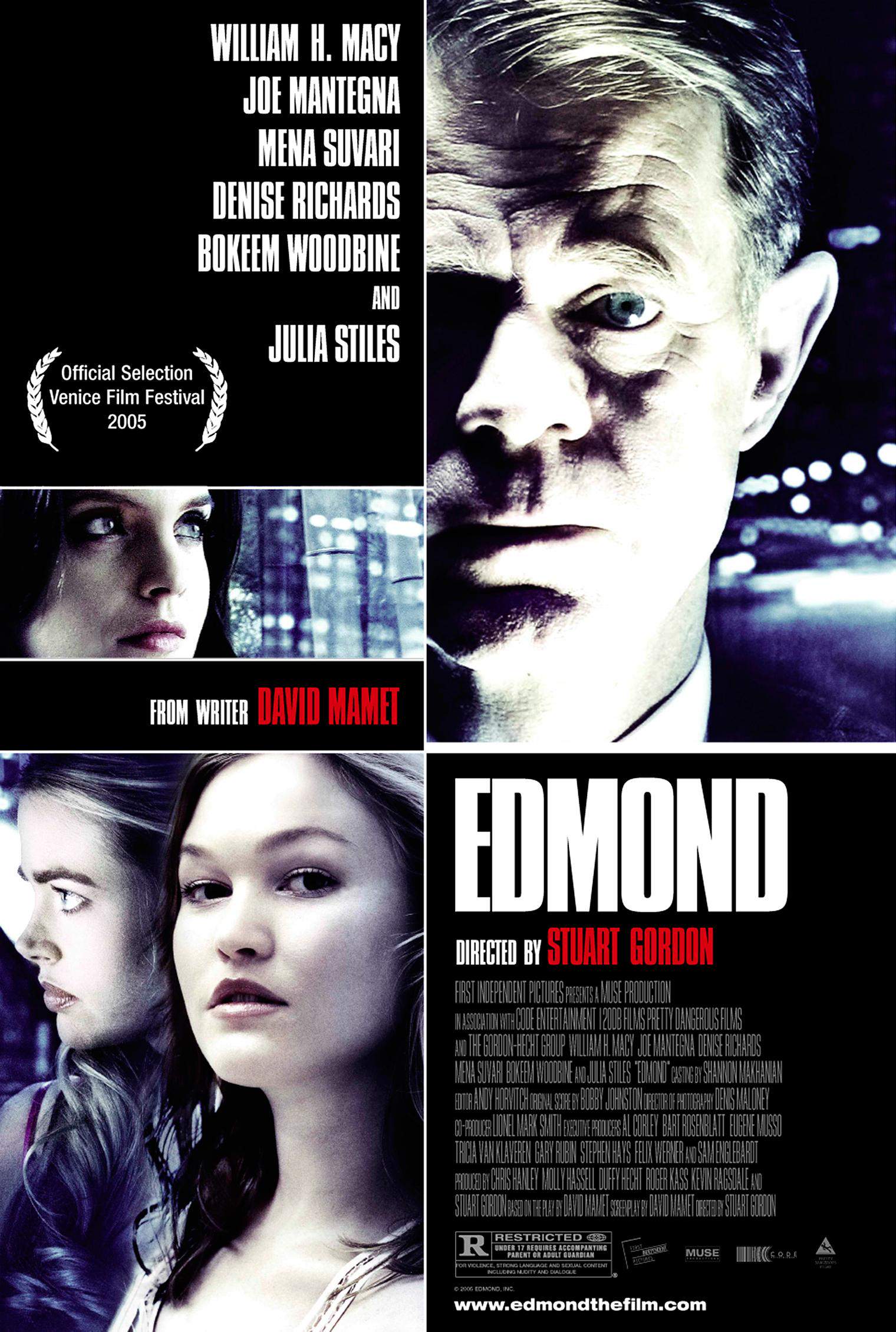
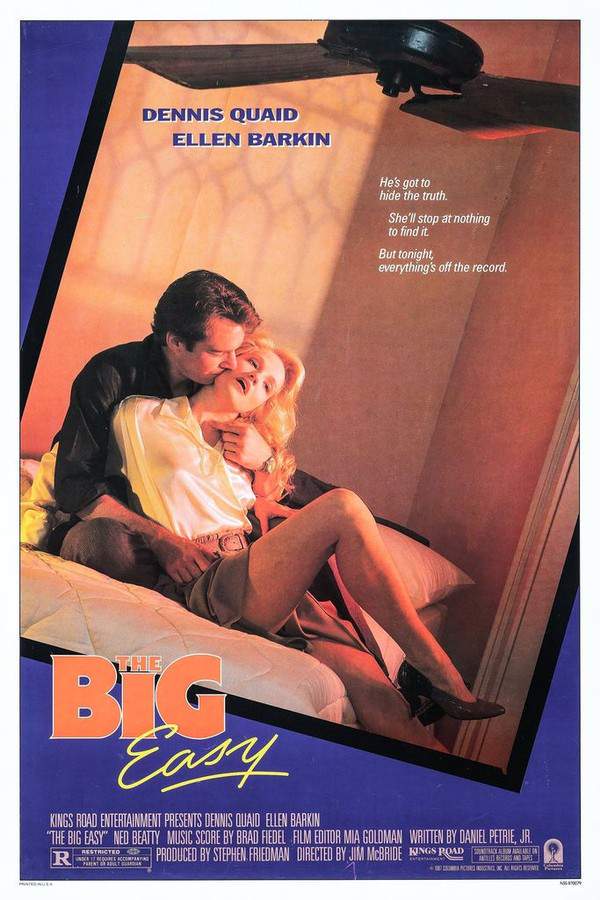
"Edmond" is an intense and gripping journey into the psyche of a man in turmoil. The film opens on Edmond, a corporate executive garbed in a suit, who learns that his pivotal meeting has been rescheduled to 1:15 PM—a detail that inexplicably troubles him. As he makes his way home, he stumbles upon a tarot card reader, noticing that the shop's address bears the number 115. This moment strikes him as a sign, compelling him to seek a reading of his future. What follows is anything but reassuring.
Once home, Edmond feels an overwhelming sense of disconnection from his surroundings. He informs his wife that he is going out, even as she requests he return with a pack of cigarettes. In a calm yet jarring revelation, he tells her that he no longer loves her and plans to leave for good. This unexpected announcement leaves his wife baffled and heartbroken, while Edmond embarks on an unsettling night of escapism.
His journey leads him to an upscale bar, where he encounters a character played by Joe Mantegna, who embodies a rational yet bigoted worldview. This interaction triggers an inexplicable desire within Edmond to pursue pleasure and freedom, prompting him to seek out a woman, only to find himself entangled in confusing negotiations about the price of intimacy—a deal overshadowed by unexpected fees that he struggles to cover with his credit card.
Venturing further into the depths of the night, Edmond becomes embroiled in a game of three-card-Monte, where a stranger offers to share the secrets of the trick. Driven by curiosity and desperation, Edmond participates, only to be swindled out of his money. Frustration mounts as he attempts to confront his misfortunes, leading to a sinister encounter in a pawn shop where he purchases a wicked-looking knife. This acquisition fuels a transformation in him, instilling a sense of empowerment that he desperately craves.
As his night escalates into chaos, Edmond confronts a violent and aggressive side of himself during a confrontation with a pimp, losing grip on his previous persona. He spirals deeper into turmoil when he expresses a haunting truth, stating that “people kill simply because there are too many people in the world.” The narrative captures the unraveling of a man who once appeared ordinary, raising questions about sanity and societal chaos in a world that seems to have lost its way.
Ultimately, Edmond's journey through this harrowing night serves as a dark exploration of the human condition, encapsulating the idea that sometimes a simple rescheduling can set off a chain reaction that reveals the chaos lurking beneath a seemingly mundane life. In retrospect, perhaps that shifting meeting time was not merely trivial—it was the catalyst for Edmond’s thrilling yet catastrophic transformation.