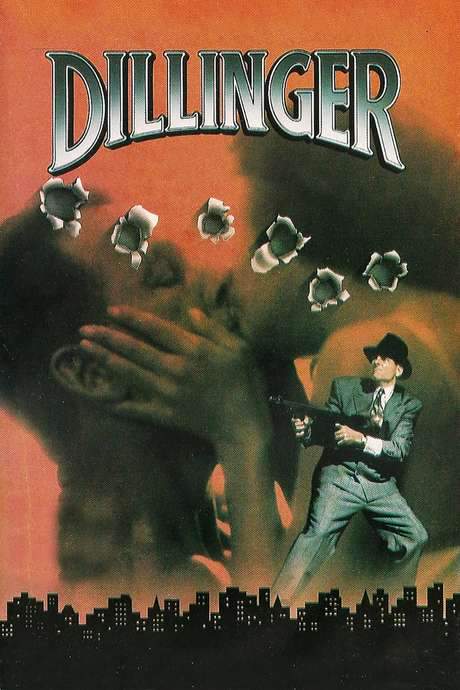
In the gritty streets of 1934 Chicago, the city’s neon glow is matched only by the shadows cast by law‑men and outlaws alike. A single, sudden gunfire outside the Biograph theater signals the fragile line between notoriety and obscurity, setting a tone of relentless tension that lingers long after the echo fades. The world feels both cinematic and claustrophobic, a place where the eyes of J. E. Hoover’s agents never stray far from the infamous names whispered in back‑alley diners.
John Dillinger emerges from that opening blaze carrying more than a scar; his legend is a weight that pushes him toward a quieter existence. He retreats from the roar of the city, seeking solace in open fields, a steady marriage, and the ordinary rhythms of farm life. Yet the past is a hard‑won habit, and his newfound peace is constantly tested by the lingering presence of a life he thought he’d left behind. The mood sways between the serene hum of rural nights and the ever‑present undercurrent of danger that never fully fades.
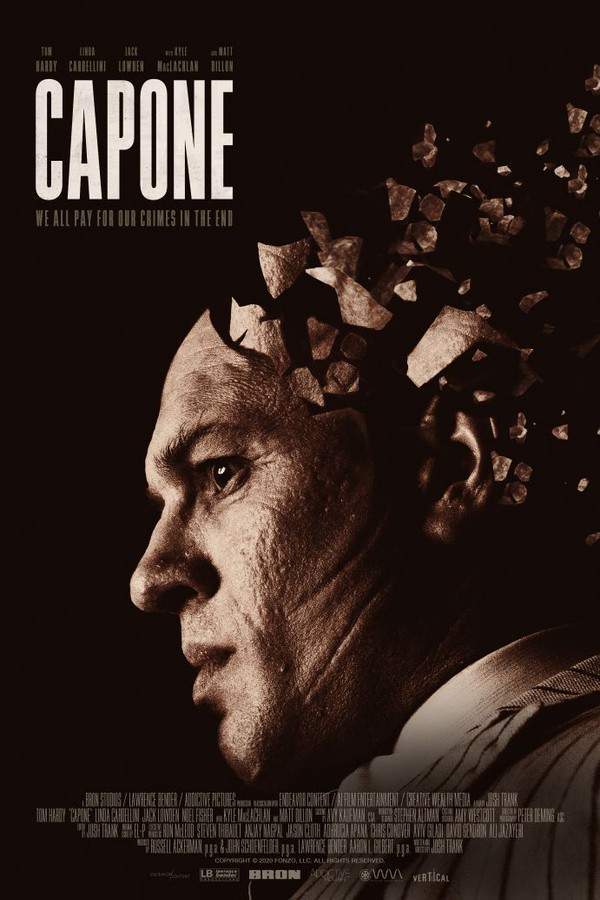
Across the distance, Al Capone—once the unchallenged kingpin of the Chicago Outfit—now confronts his own decline. Ailing and stripped of his former empire, he clings to a dwindling hold on power and the remnants of a mind still sharp enough to devise one final, desperate gamble. His offer to Dillington is stark: a vault of untold wealth in exchange for compliance, or the threat of his family’s ruin. This uneasy alliance hints at a world where loyalty is a commodity and survival hinges on impossible choices.
The film drapes its characters in a palette of smoky noir, punctuated by tense, breath‑holding moments that keep the audience guessing. It is less a chronicle of crime than an exploration of how legends cope when the spotlight dims, and how even the most feared figures are forced to reckon with the cost of their past deeds. The lingering question remains—who will bend, and who will break, under the weight of a whispered promise?