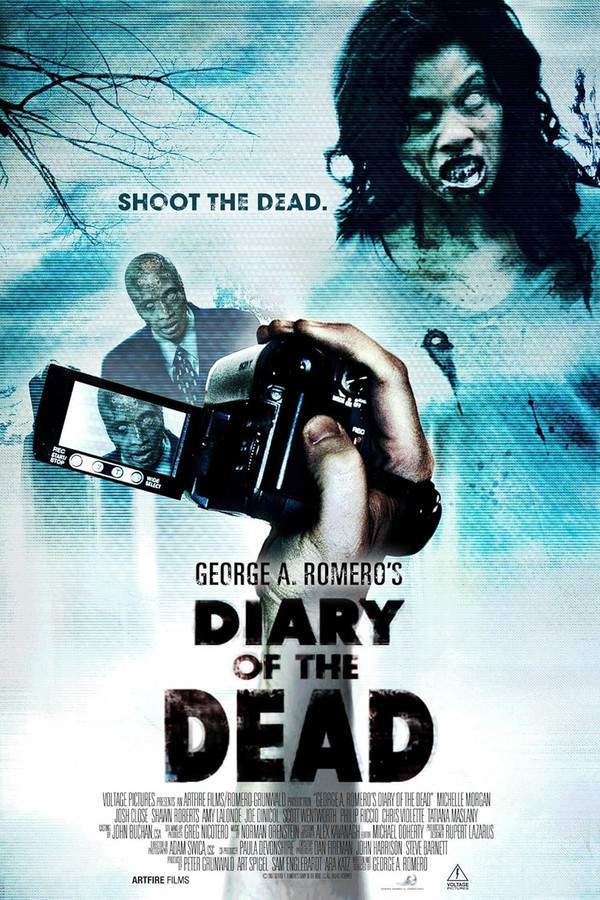
In a remote stretch of Pennsylvania woods, a rag‑tag group of film‑school students set out to capture the making of their low‑budget horror project. Their enthusiasm for staged scares quickly collides with a far more visceral menace when the world around them begins to crumble under an unanticipated outbreak. The setting—a bleak, rain‑slicked landscape dotted with abandoned cabins and the echo of distant sirens—infuses every frame with an uneasy mix of documentary realism and creeping dread, turning their creative endeavor into an unsettling survival experiment.
At the heart of the story is Debra, the determined student filmmaker whose obsession with documenting every moment drives the narrative’s visual diary. Her pragmatic leadership balances a restless curiosity with a growing sense of responsibility for her peers. Alongside her, Jason brings a technical eye and a steady hand behind the camera, while Andrew Maxwell, the faculty advisor, offers an older, more cynical perspective on horror’s mechanics—both as art and as an emergent reality. Their interactions form a fragile camaraderie that is tested by the escalating chaos, and the contrast between their youthful optimism and the encroaching terror creates a compelling emotional undercurrent.
The film adopts a handheld, pseudo‑found‑footage aesthetic that blurs the line between fiction and reportage, inviting viewers to experience the panic through the same lenses the characters wield. The tone is gritty and unflinching, punctuated by moments of dark humor that emerge from the absurdity of trying to film a horror movie while living it. As the undead begin to roam the countryside, the group’s plan to seek safety in a Winnebago becomes a desperate quest for any refuge, underscoring the fragile illusion of safety in a world where the familiar has turned hostile.
Yet even as the horde looms, the core of the story remains a meditation on the act of recording catastrophe. Debra and her companions wrestle with the ethical weight of turning real suffering into footage, prompting questions about voyeurism, memory, and what it means to bear witness when survival itself hangs in the balance. This tension between art and apocalypse sets the stage for a visceral, thought‑provoking journey that keeps the audience on edge, wondering whether the camera can capture both horror and humanity.


![[REC] 4: Apocalypse movie poster](https://whats-after-the-movie-ti152.sevalla.storage/movies/rec-4-apocalypse.jpg)