Plot Explained Spoilers guaranteed!
Plot Explained

Browse by genre

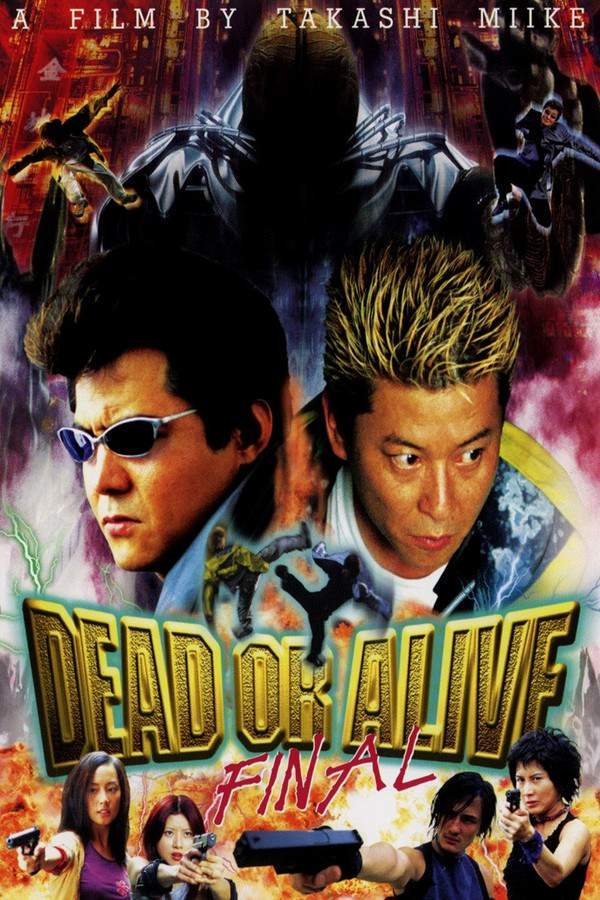
Dead or Alive: Final (2002) movie poster

Characters & Themes

Dead or Alive: Final (2002) Characters, Setting & Themes Explained

Release, runtime and language
2002 · 89 min · Chinese
Loading streaming availability…
Directed by
Takashi Miike

In a dystopian future consumed by crime and disorder, a powerful drug lord targets a defiant rebel. Following the rebel's death, her kin embarks on a relentless quest for retribution, confronting those responsible and unleashing a wave of escalating violence. This conflict pushes the boundaries of morality and tests the resilience of those caught in its destructive path.

On this page (9)
  1. 1 Where to watch
  2. 2 Characters explained (3)
  3. 3 Character relationship map
  4. 4 Where & when it takes place
  5. 5 Themes & meaning (3)
  6. 6 Character & meaning questions
  7. 7 Movie threads
  8. 8 Movies like Dead or Alive: Final
  9. 9 Every angle
Loading streaming availability…

3 main characters · contains spoilers

Dead or Alive: Final Characters Explained: Who Is Who

The main characters of Dead or Alive: Final (2002), heroes and villains: what drives them, how they change over the course of the story and what each of them reveals about the film's bigger ideas.

  • Ryo

    Ryo is depicted as a wandering drifter caught in the midst of a political upheaval. Initially reluctant to engage, his inherent instinct to protect leads him into a web of conflict, forming bonds with other characters as he confronts his past and grapples with the nature of his existence.

    • 👤 Protagonist
    • 🌍 Wanderer
    • ⚔️ Survivor
  • Takeshi Honda

    Takeshi Honda is an unwavering enforcer for Mayor Woo, showcasing a blend of loyalty and brutality. His character is marked by an intense commitment to maintaining order, yet his journey reveals deeper layers, including paternal instincts that challenge his allegiance.

    • 👮 Enforcer
    • 💔 Father
    • 🔥 Fierce
  • Mayor Woo

    Mayor Woo represents the oppressive control and manipulation of power, enforcing his will through fear. His character embodies the thematic elements of tyranny and delusion, ultimately revealing flawed perceptions of humanity and governance.

    • 👔 Antagonist
    • 🔒 Tyrant
    • 👁️ Manipulative

Last updated: October 30, 2026 at 11:44

Was this helpful?

3 characters · 3 connections · contains spoilers

Dead or Alive: Final Character Relationship Map

Who is connected to whom in Dead or Alive: Final: family, love, friendships, rivalries and hidden ties, colour-coded. Pick a character to see their side of the story, or a connection to see what brings two characters together.

How much of the story to show
RRyoTHTakeshi HondaMWMayor Woo

Last updated: October 30, 2026 at 11:44

Was this helpful?

Setting

Where and When Does Dead or Alive: Final Take Place?

The setting of Dead or Alive: Final (2002): the year and time period, the places and locations, and how they shape the characters, the mood and the tension of the story.

Time period

24th century

The story unfolds in the 24th century, a time characterized by significant technological advancements overshadowed by the collapse of societal norms. This era witnesses the aftermath of cataclysmic conflicts that have drastically altered humanity, leaving behind a world where survival hinges on navigating oppressive powers.

Location

Yokohama

Yokohama serves as the primary setting for this dystopian narrative, embodying both the remnants of a once-thriving city and the harsh realities of a totalitarian regime. Known for its iconic skyline, in this future depiction, the city is marked by oppressive governance and unrest, leading residents to question their very existence.

  • 🏙️ City
  • 🌆 Dystopian

Last updated: October 30, 2026 at 11:44

Was this helpful?

3 major themes

Dead or Alive: Final Meaning: Themes & Message Explained

What is Dead or Alive: Final (2002) really about? The emotional, social and philosophical themes the film keeps returning to, its symbolism and the message beneath the surface.

  • Rebellion

    The theme of rebellion is central to the narrative, as it explores the struggles of a group resisting an oppressive regime. The characters navigate internal and external conflicts, revealing the complexities of loyalty and the sacrifices required for freedom.

  • Identity

    The exploration of identity plays a pivotal role, particularly as characters grapple with their existence and the implications of being artificially created beings. This theme invites contemplation on what it means to be human in a world where the lines between man and machine are blurred.

  • Betrayal

    Betrayal shapes the dynamics within the rebel faction and between characters, as trust is compromised leading to devastating consequences. This theme underscores the fragility of alliances in the face of desperation and the moral dilemmas of survival.

Last updated: October 30, 2026 at 11:44

Was this helpful?

Character & theme questions

Dead or Alive: Final Characters & Meaning: Your Questions Answered

The questions people ask about Dead or Alive: Final (2002): who the characters really are, their relationships, what the symbols mean, where it takes place and what the movie is really about. Each answer contains spoilers.

Q1

Where is the movie set?

The movie is set in Yokohama, depicted as a dystopian metropolis in the 24th century. Once a thriving city, it now suffers under an oppressive regime where residents live in constant unrest, questioning their very existence under totalitarian control.

  • yokohama
  • setting
  • dystopian city
  • futuristic japan
Q2

When does the story take place?

The story unfolds in the 24th century, a era marked by technological advancement but overshadowed by the collapse of societal norms. This future world is the result of cataclysmic conflicts that have drastically altered humanity, leaving a harsh reality where survival depends on navigating oppressive powers.

  • 24th century
  • future
  • time period
  • sci-fi era
Q3

What is the rebellion theme about?

Rebellion is central to the narrative, exploring a group struggling against an oppressive regime. Characters face internal and external conflicts, revealing the complexities of loyalty and the extreme sacrifices required to pursue freedom in a totalitarian society.

  • rebellion
  • resistance
  • oppression
  • freedom
  • fight
Q4

How does the movie explore identity?

Identity plays a pivotal role as characters confront what it means to be human in a world where the line between man and machine is blurred. The story particularly examines artificially created beings and their struggle with existence, raising profound questions about consciousness and selfhood.

  • identity
  • artificial beings
  • humanity
  • machine
  • creation
Q5

What role does betrayal play in the story?

Betrayal fundamentally shapes relationships within the rebel faction and between characters, as trust is repeatedly compromised with devastating consequences. This theme highlights the fragility of alliances under desperation and the moral dilemmas people face for survival.

  • betrayal
  • trust
  • alliances
  • treachery
  • loyalty
Q6

Who is Ryo in the story?

Ryo is a wandering drifter caught in the midst of political upheaval. Though initially reluctant to engage with the conflict, his inherent instinct to protect leads him into danger. He forms bonds with other characters while confronting his past and grappling with the nature of his existence.

  • ryo
  • drifter
  • protector
  • main character
Q7

Who is Takeshi Honda?

Takeshi Honda serves as a ruthless enforcer for Mayor Woo, committed to maintaining order through any means necessary. His character shows intense loyalty to the regime, though his journey reveals deeper layers including paternal instincts that ultimately challenge his allegiance.

  • takeshi honda
  • enforcer
  • mayor woo
  • police
  • order
Q8

Who is Mayor Woo?

Mayor Woo represents the oppressive control and manipulation of power in Yokohama. He enforces his will through fear and intimidation, embodying tyranny and delusion. His character reveals flawed perceptions of humanity and governance, acting as the primary antagonistic force in the dystopian world.

  • mayor woo
  • antagonist
  • tyrant
  • ruler
  • oppressor
Q9

What kind of world does the movie depict?

The movie depicts a dystopian world consumed by crime and disorder, where a powerful drug lord targets defiant rebels. It's a universe where technological advancement exists alongside societal collapse, creating a bleak atmosphere where survival often means choosing between morality and existence.

  • dystopia
  • future world
  • society collapse
  • crime
  • disorder
Q10

What does the movie say about humanity?

The movie probes what it means to be human through the revelation that key characters are artificially created beings. This discovery triggers identity crises and challenges the characters' understanding of themselves, suggesting that humanity is defined not by origin but by consciousness, choice, and moral decision-making.

  • humanity
  • meaning of life
  • artificial intelligence
  • self-awareness
Q11

What is the tone and atmosphere of the film?

The film maintains a consistently dark, oppressive atmosphere throughout its non-stop action sequences. The tone is dominated by themes of totalitarian control, identity crises, and moral ambiguity. Violent confrontations and the bleak setting create heavy emotional weight, with the surreal, ambiguous ending further blurring the lines between reality and fantasy.

  • tone
  • dark
  • mood
  • atmosphere
  • violence
Q12

Is the ending ambiguous?

Yes, the ending is deliberately ambiguous, cutting abruptly during a fantastical aerial battle and leaving the central conflict unresolved. This surreal conclusion mirrors the identity themes by blurring reality, leaving viewers to interpret whether the characters' struggles have any meaning in a world where nothing is certain.

  • ending
  • ambiguous
  • conclusion
  • open ending
  • cliffhanger

Movie threads

More Movies Like Dead or Alive: Final, by Mood & Story

Curated lists built around what makes Dead or Alive: Final tick: the same mood, the same kind of story or the same emotional payoff. Each list explains why these movies belong together.

Chaotic Dystopian Thrillers like Dead or Alive: Final

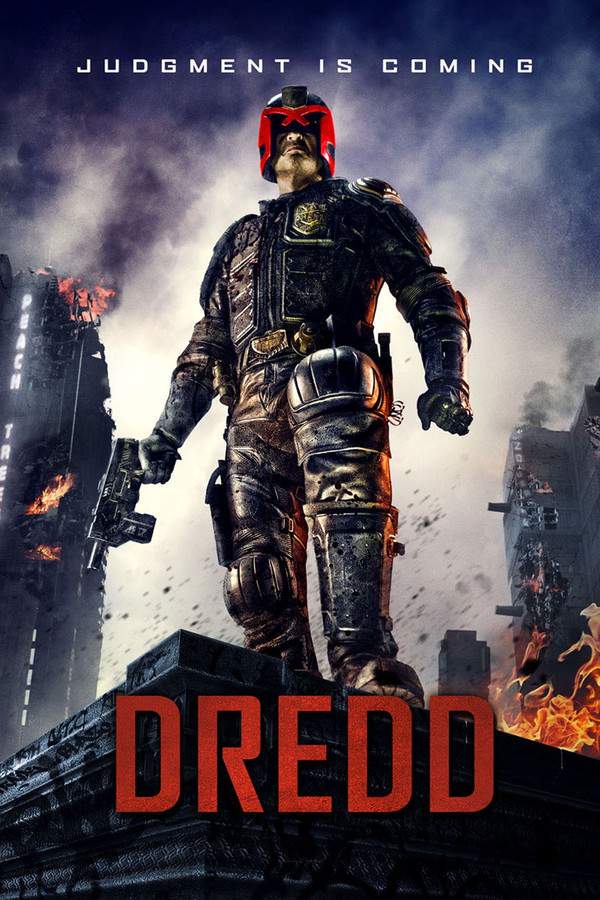
High-octane stories set in oppressive, surreal, and crumbling futures. If you liked the fast-paced, oppressive cyberpunk world of Dead or Alive: Final, explore these movies. This list features similar dystopian thrillers with high-intensity action, surreal settings, and themes of rebellion against totalitarian control, perfect for fans of movies like Akira or Dredd.

  • chaotic
  • oppressive
  • frenetic
  • surreal
  • brutal
  • anxious
  • Tone: dark, oppressive, bleak
  • Pacing: fast, frenetic
Why these movies?

The story pattern: Stories in this thread typically follow rebels or outcasts navigating a deeply flawed, often surreal society. The plot is propelled by a series of violent confrontations, betrayals, and desperate acts of defiance against a powerful, corrupt system. The journey is less about intricate plotting and more about surviving a relentless, chaotic environment.

Why they belong together: These movies are grouped by their shared high-intensity, fast-paced energy, dark and oppressive tone, and the specific setting of a dystopian future. They create a cohesive experience defined by a constant feeling of instability, visceral action, and a bleak examination of societal collapse.
Existential Cyberpunk Movies like Dead or Alive: Final

Dark sci-fi exploring identity, artificial life, and moral collapse. For viewers who appreciated the heavy themes of artificial life and identity in Dead or Alive: Final, this list features similar sci-fi movies. Discover stories with existential horror, dark tones, and ambiguous endings that explore what it means to be human in a technologically advanced but morally bankrupt future.

  • melancholic
  • surreal
  • brutal
  • anxious
  • existential
  • psychological
  • Tone: dark, melancholic, ambiguous
  • Pacing: variable, often fast with reflective pauses
Why these movies?

The story pattern: The narrative pattern involves a character's journey that is as much internal as external. A shocking revelation—often about their own manufactured identity—triggers a crisis. The ensuing conflict forces them to confront fundamental questions of consciousness, free will, and morality, typically against a backdrop of violence and societal decay, leading to an emotionally heavy and often ambiguous conclusion.

Why they belong together: Movies are grouped here primarily for their shared thematic depth, focusing on existential dread and identity within a sci-fi context. They share a dark tone, heavy emotional weight, and a tendency toward ambiguous endings, creating a cohesive vibe of psychological unease layered over action-driven plots.

If you liked this

Movies Like Dead or Alive: Final

Similar movies to Dead or Alive: Final: the same genre, themes or kind of story. Each one comes with its own plot summary, timeline and ending explained.

Browse all movie summaries

Every angle

Dead or Alive: Final (2002) Explained: Plot, Timeline & Characters

Everything about Dead or Alive: Final in one place: what happens in the plot summary, the timeline in chronological order, the characters and meaning and a spoiler-free summary. What's After the Movie adds the cast, box office and post-credit scenes.

Coming soon on iOS and Android

The Plot Explained Movie Summary App

Plot summaries, endings explained and timelines on your phone. Catch up on any movie in minutes, save your favorites and never miss a twist again.

Be the first to know when we launch. Your email stays private, always.

Learn more about the app