



Plot Explained Spoilers guaranteed!
Plot Explained

Browse by genre

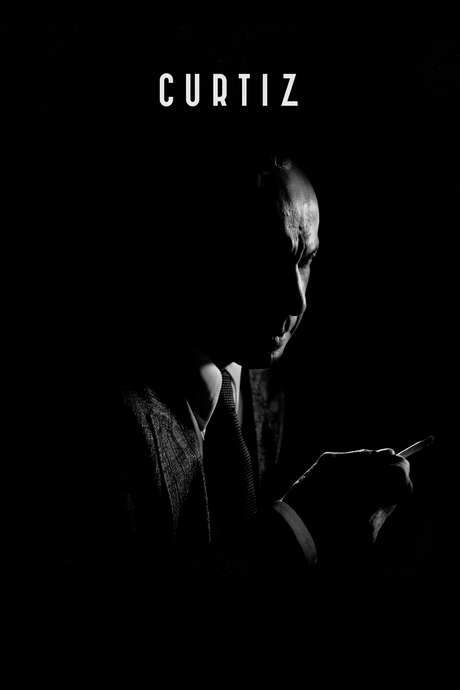
Curtiz (2018) movie poster

Timeline

Curtiz (2018) Timeline Explained – Every Event in Order

Release, runtime and language
2018 · 99 mins · Hungarian
Starring
Björn Freiberg, Andrew Hefler, Caroline Boulton, Christopher Krieg, Declan Hannigan, Evelin Dobos

Hollywood, 1942. As Hungarian-born film director Michael Curtiz nears completion of Casablanca, the US government intervenes, requesting he amplify the film’s message to influence public opinion and garner support for American involvement in the European war. Curtiz grapples with the pressure to alter his artistic vision and the potential consequences of his decisions during this pivotal moment in history.

On this page (5)
  1. 1 Where to watch
  2. 2 Events in order (12)
  3. 3 Timeline questions answered
  4. 4 Movie threads
  5. 5 Every angle

Where to watch

Where to Watch Curtiz (2018)

Where can you watch Curtiz? Stream, rent or buy it in the US, including on Fawesome, Tubi TV and Amazon Video: current JustWatch availability with up-to-date prices.

Streaming availability powered by JustWatch

12 events in order · contains spoilers

Curtiz Timeline: Events in Chronological Order

Every key event of Curtiz (2018) in order, scene by scene, with when and where it takes place. Use it to untangle flashbacks, time jumps and parallel storylines, to refresh your memory before the sequel or to find the exact scene you are thinking of.

  1. Curtiz arrives in Hollywood and makes his mark

    Mihály Kertész becomes Michael Curtiz, a legendary director known for nearly 200 films. In Hollywood he establishes a reputation for uncompromising discipline and a fierce work ethic. The film opens by showing how his larger-than-life personality shapes everything on set.

    When
    1942
    Where
    Hollywood
  2. Casablanca production begins under pressure

    Filming of Casablanca begins and Curtiz pushes actors and crew to the limit, rewriting scenes and endings as shooting nears. Tension rises as deadlines loom and options are rapidly tested. The set becomes a pressure cooker of creativity and conflict.

    When
    1942
    Where
    Casablanca set, Hollywood
  3. Political overseer arrives

    State authorities appoint a political official to supervise the production, aiming to steer the film toward wartime propaganda. He pressures Curtiz to modify the storyline and tone to align with official messaging. The director resists, balancing demands with personal artistic vision.

    When
    1942
    Where
    Studio
  4. Curtiz resists interference

    Curtiz refuses to surrender control, fighting to preserve his voice and cinematic integrity. He makes tough choices on scenes, despite political and studio pressure. The clash between art and politics becomes a central tension on set.

    When
    1942
    Where
    Studio
  5. Sister's danger from Hungary adds pressure

    News from Hungary reveals that Curtiz's sister is in danger, adding personal stakes to the production. The looming family crisis gnaws at him as he works on screen moments. The threat abroad casts a shadow over his professional decisions.

    When
    1942
    Where
    Hungary
  6. Daughter returns and unsettles the set

    Curtiz's daughter returns after a long absence, reigniting unresolved family dynamics. Her presence influences his mood and decisions on set, complicating his relationships with crew and collaborators. The personal and professional worlds become tightly interwoven.

    When
    1942
    Where
    Hollywood
  7. Endings revised again

    The director revisits the ending multiple times, testing different directions for the film's finale. This iterative process slows production but aims to sharpen Casablanca's emotional payoff. The team waits as new pages are shot and edited.

    When
    1942
    Where
    Studio
  8. Tensions on set mount

    Artistic ambitions, personal conflicts, and external pressure create friction among cast and crew. Actors challenge choices, writers adjust dialogue, and Curtiz's blunt style keeps the process volatile. Yet the on-set energy fuels a relentless pursuit of quality.

    When
    1942
    Where
    Hollywood
  9. Wrap of principal photography

    Principal photography wraps after months of intense work and ongoing revisions. Post-production begins as Curtiz inventories footage and refines pacing, striving to realize his vision. The film moves from shooting to shaping Casablanca's final form.

    When
    1942-1943
    Where
    Hollywood
  10. Casablanca release and Oscar win

    Casablanca premieres to broad acclaim and later earns the Best Director Oscar for Curtiz. The award solidifies his status as the first Hungarian filmmaker to win in that category. The film's reputation cements his place in cinema history.

    When
    1944
    Where
    Los Angeles
  11. Legacy and impact

    The film notes Curtiz's prolific career, spanning nearly 200 films, and acknowledges the controversial methods that characterized his work. Despite criticism, his films endure as landmarks in cinema history. His influence on Hollywood remains undeniable.

    When
    Post-1944
    Where
    Hollywood
  12. Dramatized storytelling rooted in real events

    The movie describes itself as built on anecdotes and memoirs, presenting a dramatized version of real events rather than a literal chronicle. Screenwriter Zsuzsanna Bak notes that about 85 percent of the events reflect actual occurrences. The film uses this blend to offer a vivid portrait of Curtiz's era.

    When
    1942-1944
    Where
    Studio

Last updated: February 18, 2026 at 23:43

Was this helpful?

Timeline questions answered

Curtiz Timeline Explained: Your Questions Answered

When does it happen, and why in that order? The questions people ask about the chronology of Curtiz (2018): time jumps, flashbacks, cause and effect between scenes and the correct order of events, each answered with spoilers.

Q1

Why did the US government want to change the script of Casablanca?

The US government intervened because they wanted Casablanca to serve as wartime propaganda. With the US recently entering World War II, authorities sought to amplify the film's message to influence public opinion and garner support for American involvement in the European war. A political official was sent to supervise the production and pressure Curtiz to modify the storyline and tone.

Foreshadowing: Early scenes establish Curtiz's reputation for uncompromising discipline, hinting at the conflict to come.

  • casablanca
  • propaganda
  • wwii
  • political pressure
  • script changes
  • us government
Q2

Who was the political official overseeing the Casablanca production?

State authorities appointed a political official to supervise the production of Casablanca. This official's role was to steer the film toward wartime propaganda, pressuring Curtiz to modify the storyline and tone to align with official messaging about the war.

  • political overseer
  • studio
  • propaganda
  • wwii
  • censorship
Q3

What happened to Curtiz's sister in Hungary?

Curtiz received news that his sister Margit was in danger in Hungary. This personal crisis added significant emotional pressure during the production, as Hungary was caught in the turmoil of World War II. The threat to his family member abroad cast a shadow over his professional decisions and intensified the stakes he faced on set.

  • margit
  • hungary
  • family
  • danger
  • wwii
  • sister
Q4

Why did Curtiz's daughter return after being absent for years?

Curtiz's daughter re-emerged during the filming of Casablanca after a long period of absence. Her return reignited unresolved family dynamics and influenced his mood and decisions on set. The presence of his daughter complicated his relationships with crew and collaborators, weaving his personal and professional worlds tightly together.

  • daughter
  • family
  • return
  • hollywood
  • personal conflict
Q5

Why did Curtiz refuse to change his vision for Casablanca?

Curtiz fiercely resisted the political interference because he was determined to preserve his artistic vision and cinematic integrity. Known for his intense and demanding personality, he refused to surrender control of his film. He made tough choices on scenes despite intense political and studio pressure, fighting to maintain his voice as a director.

Foreshadowing: The opening scene establishes Curtiz's larger-than-life personality and uncompromising discipline that would define his resistance.

  • artistic vision
  • creative control
  • integrity
  • resistance
  • director
Q6

How many different endings did Curtiz test for Casablanca?

Curtiz revisited the ending multiple times during production, testing different directions for Casablanca's finale. This iterative process was part of his relentless pursuit of quality, slowing production but aiming to sharpen the film's emotional payoff. The team shot and edited new pages repeatedly until finding the right conclusion.

  • ending
  • filming
  • production
  • revisions
  • casablanca
Q7

Did Michael Curtiz win an Oscar for directing Casablanca?

Yes, Michael Curtiz won the Academy Award for Best Director for Casablanca in 1944. This achievement made him the first Hungarian filmmaker to win in that category. The film's release was met with broad acclaim, and the Oscar solidified his status as a legendary director in Hollywood cinema history.

  • oscar
  • best director
  • award
  • 1944
  • casablanca
  • hungarian
Q8

How accurate is the movie Curtiz to real events?

The film describes itself as dramatized storytelling rooted in real events. According to screenwriter Zsuzsanna Bak, the narrative covers roughly 85 percent of actual events, drawing from anecdotes and memoirs. While many details reflect real occurrences, the film blends factual inspiration with cinematic storytelling to create a vivid portrait of the director's era.

  • accuracy
  • historical
  • drama
  • zsuzsanna-bak
  • real events
  • memoires
Q9

What caused the tensions on the Casablanca set?

Tensions on set arose from multiple sources: artistic ambitions colliding with external political pressure, personal conflicts including Curtiz's blunt and demanding style, and ongoing script revisions. Actors challenged choices, writers adjusted dialogue, and the political official's interference created additional friction. Yet this volatile energy fueled Curtiz's relentless pursuit of quality.

  • conflict
  • actors
  • crew
  • tension
  • set
  • production
Q10

How did Curtiz's family situation affect the making of Casablanca?

Curtiz had to balance duty to his art with the needs of his family during the production. His sister Margit's danger in Hungary and his daughter's return after years of absence created personal emotional stakes. These family dynamics added pressure to an already tense production, forcing Curtiz to navigate personal worry while making critical creative decisions under wartime scrutiny.

  • family
  • production
  • pressure
  • personal
  • emotional
  • hungary

Movie threads

More Movies Like Curtiz, by Mood & Story

Curated lists built around what makes Curtiz tick: the same mood, the same kind of story or the same emotional payoff. Each list explains why these movies belong together.

Movies about Artistic Integrity like Curtiz

When creators face external forces that threaten to compromise their vision. If you liked Curtiz, explore other films about artists defending their creative vision. These movies feature compelling dramas where directors, painters, and writers face high-stakes pressure not to compromise their art.

  • driven
  • frustrated
  • tense
  • defiant
  • anxious
  • melancholic
  • Tone: tense, defiant, frustrated
  • Pacing: steady, dialogue-driven
Why these movies?

The story pattern: Narratives in this thread follow a creator's journey as they navigate a high-stakes conflict between their artistic principles and external demands. The central tension revolves around the push and pull of compromise, often culminating in a resolution that weighs the cost of staying true to one's vision.

Why they belong together: Movies are grouped here because they share a core focus on the creative struggle. They feature similar tones of tension and frustration, exploring the universal theme of an individual's fight against institutional or societal pressure.
Tense Historical Dramas like Curtiz

Personal dramas set against the backdrop of pivotal historical moments. Find more movies with the tense feel of Curtiz. These historical dramas blend personal stories with real-world events, creating a steady-paced, character-driven tension rooted in the anxieties of a specific era.

  • tense
  • anxious
  • melancholic
  • historical
  • driven
  • frustrated
  • Tone: tense, anxious, melancholic
  • Pacing: steady, deliberate
Why these movies?

The story pattern: The narrative pattern interweaves a character's personal or professional challenges with the overarching pressures of a significant historical period. The plot is driven by the friction between individual ambition and the demands of a world in crisis, often leading to bittersweet resolutions.

Why they belong together: These movies share a specific atmosphere: a steady, grounded pace combined with a tense tone derived from high-stakes historical contexts. They balance a medium emotional weight, focusing on the human experience within grand historical narratives.

Every angle

Curtiz (2018) Explained: Plot, Timeline & Characters

Everything about Curtiz in one place: what happens in the plot summary, the timeline in chronological order, the characters and meaning and a spoiler-free summary. What's After the Movie adds the cast, box office and post-credit scenes.

Coming soon on iOS and Android

The Plot Explained Movie Summary App

Plot summaries, endings explained and timelines on your phone. Catch up on any movie in minutes, save your favorites and never miss a twist again.

Be the first to know when we launch. Your email stays private, always.

Learn more about the app