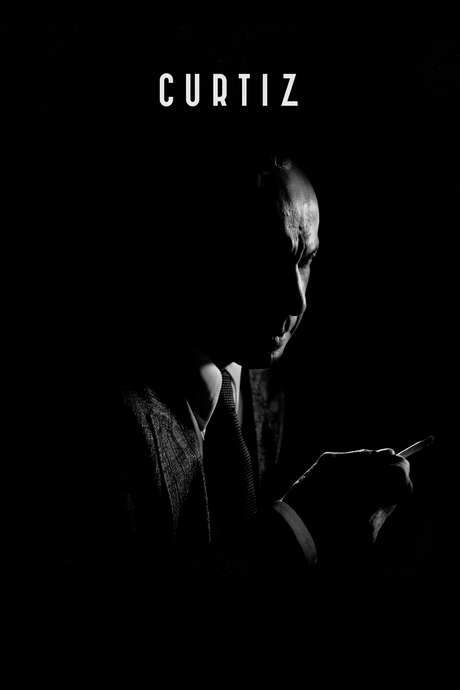
This biographical drama follows Mihály Kertész, better known to the world as Michael Curtiz, the first Hungarian to win an Oscar for Best Director after Casablanca made cinematic history. A prolific filmmaker with nearly two hundred titles, Curtiz is portrayed as a figure whose brilliance is inseparable from a fierce, controversial personality — intense, demanding, and at times abrasive.
Set against the 1942 backdrop of Casablanca's production, the film tracks the tension between art and politics as the authorities send a political official to oversee the project. The official pressure to bend the story to wartime propaganda collides with Curtiz's stubborn insistence on preserving his vision. The result is a tense, sometimes combative creative process as the crew navigates shifting scripts and the pressures of a world at war.
Parallel to the on-set drama, the movie explores deep personal strains. His sister, Margit, remains in Hungary and faces danger, while his relationship with his daughter—absent for years and re-emerging during the shoot—adds emotional stakes to the production. These family dynamics push Curtiz to balance duty to his art with the needs of those he cares about, often under the watchful eye of the war’s moral implications. Margit becomes a potent reminder of how personal and political histories interlace on a film set.
The cast brings to life a chorus of real-world figures who shaped Casablanca’s story. The character Ingrid Bergman is portrayed in part through Petra Juronics, and the iconic Humphrey Bogart is rendered with a mix of on-screen presence and archival voice work. The enigmatic Peter Lorre appears in the studio narrative, while the tortured machinations unfold around Claude Rains. The film's approach pays homage to the era's atmosphere, even as it dramatizes the behind-the-scenes chess matches that ultimately shaped a movie considered by critics to be among cinema's finest.
While the drama on set unfolds, the filmmakers lean on a wealth of anecdotes and memoirs to construct their tale. The project originated as a TV movie, and, according to screenwriter Zsuzsanna Bak, the narrative covers roughly 85 percent of actual events. This blend of factual inspiration and cinematic storytelling aims to give audiences a vivid, readable portrait of a legend and the movie he fought to complete.