Year: 2004
Runtime: 97 mins
Language: English
Director: Ernie Barbarash
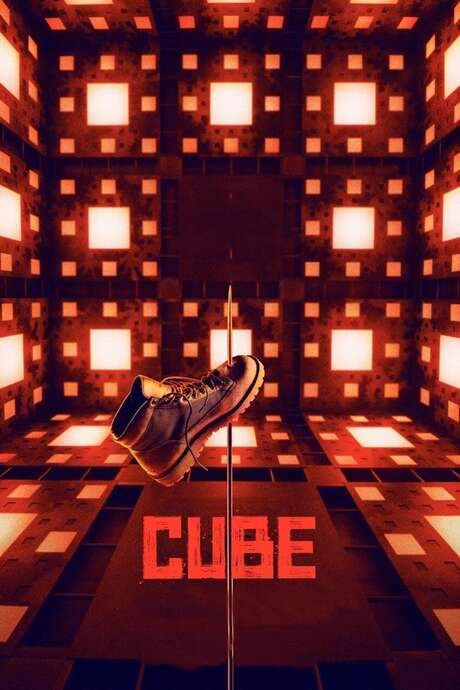
Every nightmare has a beginning. A young programmer tasked with monitoring the reality‑warping Cube discovers an innocent mother trapped inside one of its deadly chambers. Ignoring strict protocol, he rebels against his superiors, risking his career to slip into the structure and try to rescue her.
Warning: spoilers below!
Haven’t seen Cube Zero yet? This summary contains major spoilers. Bookmark the page, watch the movie, and come back for the full breakdown. If you're ready, scroll on and relive the story!
Read the complete plot breakdown of Cube Zero (2004), including all key story events, major twists, and the ending explained in detail. Discover what really happened, and what it all means.
Ryjkin is a man trying to escape from the Cube, and when a spray of liquid hits him he fears it’s acid—yet it proves to be a sweet-tasting base that melts his body after a few minutes. In the control room that watches the Cube, two technicians work behind a wall, unaware of who actually runs the operation. The pair pass the time by playing chess, and it’s here that Wynn displays unsettling abilities to predict the cube’s moves, even as his colleague, Dodd, stays close at hand.
The two are ordered to record the dream of a subject. In Wynn’s vision, Rains is seen being chased in a forest with her daughter, a scene that bleeds into reality when Rains later wakes up inside the Cube and joins the other captives. The man with the tattoo on his forehead—Haskell—shares the same mark as the soldier who captured Rains, and he cannot recall his life beyond his name. Everyone in the Cube has a backstory that hints at consented participation in experiments, yet the files reveal that [Rains]’ form doesn’t appear in her own records, leaving a haunting gap in her past.
As the group navigates the labyrinthine rooms, the occupants face deadly traps. Bartok and Meyerhold are claimed by the Cube’s perilous devices, underscoring the cruel math of the experiment. The tension peaks when a call from “above” orders Wynn and Dodd to perform a procedure for Owen, who has reached one of the exits. The attempt spins out of control after Owen answers the crucial question—> Do you believe in God? —with a negative, and Dodd is forced to push a button that incinerates Owen. The result is a chilling reminder that no one has ever answered positively, and Wynn begins to suspect that the Cube is a place where people are placed against their will.
Back in the control room, Jax and the supervising analysts learn of the incident. They trap the occupants in one room and then electrify the walls to execute a brutal rescue, but Dodd relents and sabotages the panels that power the Cube’s traps. The sabotage buys the prisoners a ten-minute window to escape as the rooms reset and a new procedure looms to vaporize everything inside. When Jax uncovers the betrayal, he kills Dodd and activates a chip that injects Haskell with a hostile directive. The once-cooperative group must contend with a now-alien threat as they push toward an exit, while Wynn and Rains fight to stay ahead of the cycle’s end.
The escape culminates when Wynn and Rains leap through the exit just as the final vaporization sequence begins. They emerge into a lake, then sprint through a forest that eerily mirrors the dream Wynn witnessed. Soldiers close in, and Wynn is tranquilized and recaptured. He wakes in a room to learn that he has been sentenced for treason and that he allegedly agreed to become a subject—yet he recalls neither the trial nor any form of consent. His brain has been altered, and he drifts between memories of Rains reuniting with her daughter and praising him as a superhero. Now handicapped, Wynn is found by the captive group and pressed to reflect on the room’s color, wanting to return to a room of a different color, a reminder that the Cube’s mysteries—and its control over him—are far from resolved.
Last updated: October 09, 2025 at 16:48
Explore frequently asked questions about Cube Zero (2004) with spoiler-rich answers covering the full plot summary, major story beats, character motivations, hidden details, and ending meaning. This movie summary FAQ helps explain confusing scenes, plot twists, and narrative decisions in clear, searchable detail.
Owen is incinerated because he reaches one of the Cube's exits and is asked the question 'Do you believe in God?' When he answers negatively, Dodd is forced to push a button that incinerates him. The system reveals that no one has ever answered positively, making the question a lethal test that determines whether a prisoner can leave.
The God question had been set up as a procedure earlier in the film, establishing that only affirmative answers would permit escape.
Dodd sabotages the Cube's trap panels after witnessing the brutal execution of the rescue attempt ordered by Jax. Unable to stomach the continued killing, he relents and disables the traps, buying the prisoners a ten-minute window to escape before the vaporization sequence resets the rooms.
Earlier, Dodd remained close to Wynn and showed discomfort with the unethical procedures, hinting at his eventual betrayal.
Rains' file shows no record of her form appearing in the Cube's system, suggesting her capture was orchestrated through means outside the normal experimental protocol. The missing records indicate she may have been placed in the Cube through an irregular or covert operation, possibly by the same soldier who marked Haskell.
The dream sequence showing Rains being chased by a soldier with the same tattoo as Haskell foreshadows a direct connection between her capture and the men inside the Cube.
Haskell bears the same forehead tattoo as the soldier who captured Rains in her nightmare, suggesting a connection between the soldiers outside the Cube and the subjects trapped within it. Haskell himself cannot recall any life beyond his name, indicating his identity and memory have been deliberately erased or altered.
The shared tattoo visually links Haskell to the captors, hinting that subjects may have been previous soldiers or operatives.
Wynn decides to rebel against his superiors after witnessing the Cube's procedures and realizing that the subjects, including Rains, were placed there against their will. His growing suspicion that the Cube is a place of non-consensual experimentation, combined with his ability to predict its moves, compels him to risk his career and enter the structure to rescue them.
Wynn's unsettling ability to predict the Cube's moves earlier signaled his deeper connection to the experiment.
After escaping through the exit, Wynn is tranquilized by soldiers and recaptured. He learns he has been sentenced for treason and allegedly agreed to become a subject, though he recalls neither the trial nor any consent. His brain has been altered, causing him to drift between memories of Rains reuniting with her daughter and praising him as a superhero, while the system prepares to place him back into the Cube.
The escape culminates in a forest mirroring Wynn's earlier dream, establishing the cyclical nature of his fate.
Jax activates a chip that injects Haskell with a hostile directive, turning the once-cooperative group against one another. This internal threat becomes as deadly as the Cube's external traps, forcing the remaining captives to contend with an alien threat among them.
Haskell's mysterious past and tattoo suggested he was already linked to the operation's control mechanisms.
The God question serves as an ideological filter built into the Cube's exit procedure. Those who answer positively are allowed to leave, while those who answer negatively are incinerated. The system reveals that no prisoner has ever answered affirmatively, suggesting the test is designed to ensure no one exits, or that the experiment is testing for a specific psychological profile.
The question was introduced as a standard procedure before Owen's arrival at the exit, establishing its importance.
The Cube contains rooms of different colors, and Wynn is pressed to reflect on the room's color after his recapture, wanting to return to a room of a different color. This suggests the Cube's color system may determine conditions, privileges, or memory manipulation levels for subjects, reinforcing the facility's control over every aspect of captivity.
The colors were visible throughout the escape sequence, with rooms resetting between cycles.
Wynn, working in the control room, is ordered to record the dream of a subject. In his vision, he sees Rains fleeing through a forest with her daughter, a scene that bleeds into reality when Rains later wakes up inside the Cube and joins the other captives. This phenomenon suggests the Cube blurs the boundary between observation and participation, between the technicians and the subjects.
The forest from Wynn's dream reappears at the film's end when he and Rains escape to the lake and forest.
No prisoner has ever answered the God question positively, which is why Owen's negative answer triggers his incineration. This may indicate the Cube selects subjects who are athesist or non-believers, or it suggests the test is designed to ensure all subjects fail, making the exit a cruel illusion rather than a real escape option.
The procedure was described as standard, implying it had been used on every previous exit attempt.
Discover curated groups of movies connected by mood, themes, and story style. Browse collections built around emotion, atmosphere, and narrative focus to easily find films that match what you feel like watching right now.
Characters fight for survival within a cruel and meticulously designed system.If you liked the claustrophobic horror of Cube Zero, these movies feature similar stories of survival within deadly, controlled environments. Discover other tense sci-fi and thriller films where characters are pawns in a cruel experiment, fighting for their lives against an unforgiving system.
The narrative pattern follows individuals or groups who wake up or are placed inside a deadly, constructed world with strict, often hidden rules. The story unfolds as a desperate attempt to understand and escape the trap, frequently involving puzzles, betrayals, and the revelation that the outside world may be just as complicit or hopeless.
Movies are grouped here by their shared setting of a controlled, lethal environment and the overwhelming mood of futility. They deliver a consistent experience of high-tension survival against a faceless antagonist, often culminating in bleak realizations about the nature of their confinement.
A protagonist discovers a dark truth and risks everything to defy their controllers.Fans of Cube Zero's theme of moral rebellion will enjoy these films about protagonists who discover a terrible truth and turn against their superiors. Explore similar stories of psychological manipulation, shattered illusions, and desperate attempts to expose or escape a corrupt and powerful organization.
The journey typically begins with a seemingly loyal insider who witnesses an injustice that clashes with their conscience. Their investigation peels back layers of deception, revealing their own role in the system's horrors. The rebellion is personal and costly, often ending with the protagonist being re-captured, eliminated, or forever scarred by the knowledge of what they were part of.
These films share a core character arc of disillusionment and betrayal, driven by a heavy emotional weight and themes of control. The similarity lies in the psychological tension of the protagonist's awakening and the dark, tense tone that accompanies their doomed or costly rebellion.
Don't stop at just watching - explore Cube Zero in full detail. From the complete plot summary and scene-by-scene timeline to character breakdowns, thematic analysis, and a deep dive into the ending - every page helps you truly understand what Cube Zero is all about. Plus, discover what's next after the movie.
Track the full timeline of Cube Zero with every major event arranged chronologically. Perfect for decoding non-linear storytelling, flashbacks, or parallel narratives with a clear scene-by-scene breakdown.
Discover the characters, locations, and core themes that shape Cube Zero. Get insights into symbolic elements, setting significance, and deeper narrative meaning - ideal for thematic analysis and movie breakdowns.