















Plot Explained Spoilers guaranteed!
Plot Explained

Browse by genre

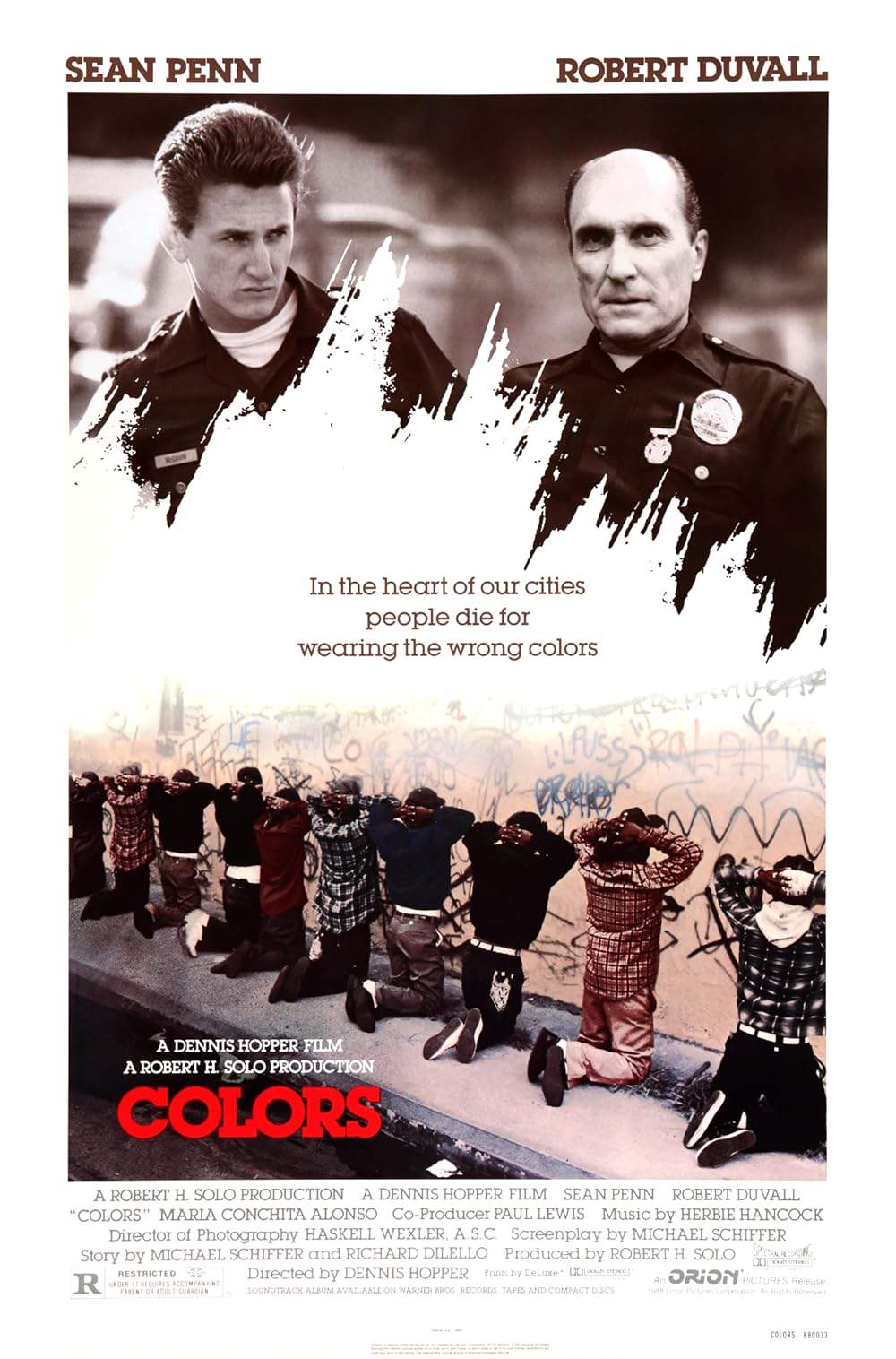
Colors (1988) movie poster

Characters & Themes

Colors (1988) Characters, Setting & Themes Explained

Release, runtime and language
1988 · 120 min · Malayalam
JustWatch #3,645 23
Starring
Robert Duvall, Sean Penn

Roma, a spirited young woman, inadvertently triggers a dangerous series of events after causing disruption at a local military base. Her actions draw her and those close to her into a shadowy criminal network, exposing them to significant danger as they navigate a world of deceit and violence.

On this page (8)
  1. 1 Where to watch
  2. 2 Characters explained (6)
  3. 3 Where & when it takes place
  4. 4 Themes & meaning (3)
  5. 5 Character & meaning questions
  6. 6 Movie threads
  7. 7 Movies like Colors
  8. 8 Every angle

Where to watch

Where to Watch Colors (1988)

Where can you watch Colors? Stream, rent or buy it in the US, including on fuboTV, MGM Plus and Philo: current JustWatch availability with up-to-date prices.

Streaming availability powered by JustWatch

6 main characters · contains spoilers

Colors Characters Explained: Who Is Who

The main characters of Colors (1988), heroes and villains: what drives them, how they change over the course of the story and what each of them reveals about the film's bigger ideas.

  • Uncle Bob Hodges

    played by Robert Duvall

    An experienced LAPD officer and Vietnam veteran known for his calm, diplomatic approach. He champions 'rapport' and community trust, guiding his younger partner through complex gang policing. Respected on the streets, he balances enforcement with understanding and mentorship. His death marks a pivotal emotional moment for the story.

    • 👮 Police
    • 🕊️ Peacekeeping
    • 🧭 Mentor
    • 🎯 Duty
  • Danny McGavin

    played by Sean Penn

    A rookie LAPD officer whose charisma and impulsiveness push the limits of conduct. He forms a quick bond with Louisa and often acts before fully considering consequences, creating tension with civilians and colleagues. His growth arc centers on learning restraint and responsibility, especially after Hodges' death.

    • 🚓 Officer
    • 💥 Impulsiveness
    • 💔 Romance
    • 🎯 Ambition
  • Frog

    Leader of the 21st Street Gang, a strategic player who uses information to influence gang dynamics. He becomes a key informant figure whose actions connect police operations to gang conflicts, ultimately facing arrest as the CRMASH crackdown tightens.

    • 🧭 Gang politics
    • 🗡️ Rivalry
    • 🧩 Betrayal
  • Rocket

    Leader of the Crips, a central figure in the gang conflict that drives the plot. His leadership motivates escalations and drives the pursuit by police as the violence intensifies around his crew.

    • 🕶️ Gang leadership
    • 🗡️ Violence
    • 🧭 Power
  • Hi Top

    A drug dealer whose activities come under investigation by Hodges and McGavin. He represents the supply side of the street violence, and his capture is a milestone in the crackdown on drug networks.

    • 💊 Drug trade
    • ⚖️ Incarceration
  • Killa Bee

    A Crips member killed by an officer due to a mistaken identity, illustrating the tragic costs of rapid, escalating violence and misidentification within the turf wars.

    • 💣 Violence
    • 🕵️ Mistaken identity

Last updated: October 04, 2025 at 08:08

Was this helpful?

Setting

Where and When Does Colors Take Place?

The setting of Colors (1988): the year and time period, the places and locations, and how they shape the characters, the mood and the tension of the story.

Time period

Late 1980s

Colors is set during the late 1980s Los Angeles gang era, focusing on the escalating violence between the Crips, Bloods, and local Hispanic gangs. The period is marked by a tense police culture, where street-level policing, community relations, and vigilantism collide. The city is portrayed at a peak moment of gang influence and law enforcement response.

Location

Los Angeles, California; Northwest Los Angeles; East Los Angeles; South Los Angeles

The film unfolds across several Los Angeles neighborhoods, highlighting the urban landscape where police work intersects with street life. It follows the CRASH unit as it patrols the northwest, east, and south parts of the city. The setting emphasizes the dense, interconnected communities affected by gang activity and constant tension between residents and law enforcement.

  • 🏙️ City
  • 🚓 Crime
  • 🧭 Urban
  • 🎭 Social tensions

Last updated: October 04, 2025 at 08:08

Was this helpful?

3 major themes

Colors Meaning: Themes & Message Explained

What is Colors (1988) really about? The emotional, social and philosophical themes the film keeps returning to, its symbolism and the message beneath the surface.

  • Cycle of Violence

    The narrative shows how retaliatory actions spiral into deeper violence, pulling both communities and police into a loop of harm. Encounters with gangs heighten mistrust and set off chain reactions that are difficult to halt. The film suggests that vengeance perpetuates itself, impacting bystanders and reshaping loyalties.

  • Community Policing

    Hodges emphasizes building rapport with gang members as a tool for safety, contrasting it with brute force. The partnership with McGavin illustrates how trust, diplomacy, and restraint can influence street realities. The film portrays police work as a balance between enforcement and relationship-building within troubled neighborhoods.

  • Loyalty and Identity

    Loyalty is tested between gang allegiance, family ties, and professional duty. Characters navigate conflicting identities as violence reshapes friendships and rivalries. The story probes how individuals define themselves when pressure from gangs, love interests, and colleagues converges.

Last updated: October 04, 2025 at 08:08

Was this helpful?

Character & theme questions

Colors Characters & Meaning: Your Questions Answered

The questions people ask about Colors (1988): who the characters really are, their relationships, what the symbols mean, where it takes place and what the movie is really about. Each answer contains spoilers.

Q1

What city and neighborhoods is Colors set in?

Colors is set in Los Angeles, California, primarily unfolding across several neighborhoods including Northwest Los Angeles, East Los Angeles, and South Los Angeles. The film focuses on the CRASH unit as it patrols these areas, highlighting the urban landscape where police work intersects with street life and the dense, interconnected communities affected by gang activity.

  • los angeles
  • setting
  • crash unit
  • neighborhoods
  • laf
Q2

What time period does Colors depict?

Colors is set in the late 1980s, during the peak of the Los Angeles gang era. This period was marked by escalating violence between the Crips, Bloods, and local Hispanic gangs, as well as a tense police culture where street-level policing, community relations, and vigilantism collided.

  • 1980s
  • time period
  • late 1980s
  • gang era
  • los angeles
Q3

What is the Cycle of Violence theme in Colors about?

The Cycle of Violence theme shows how retaliatory actions spiral into deeper violence, pulling both communities and police into a continuous loop of harm. Encounters with gangs heighten mistrust and set off chain reactions that are difficult to halt. The film suggests that vengeance perpetuates itself, impacting bystanders and reshaping loyalties throughout the story.

  • cycle of violence
  • theme
  • retaliation
  • vengeance
  • revenge
Q4

How does Colors portray community policing?

Colors explores community policing through Officer Bob Hodges, who emphasizes building rapport with gang members as a tool for safety, contrasting his approach with brute force. His partnership with rookie McGavin illustrates how trust, diplomacy, and restraint can influence street realities. The film portrays police work as a balance between enforcement and relationship-building within troubled neighborhoods.

  • community policing
  • bob hodges
  • rapport
  • police work
  • enforcement
Q5

What does the Loyalty and Identity theme explore in Colors?

The Loyalty and Identity theme examines how characters navigate conflicting allegiances between gang membership, family ties, and professional duty. As violence reshapes friendships and rivalries, the story probes how individuals define themselves when pressure from gangs, love interests, and colleagues converges, testing their sense of self and belonging.

  • loyalty
  • identity
  • gang allegiance
  • family
  • conflict
Q6

Who is Bob Hodges in Colors and what is his approach?

Bob Hodges is an experienced LAPD officer and Vietnam veteran portrayed by Robert Duvall. He is known for his calm, diplomatic approach and champions building trust with gang members. As a mentor to rookie Danny McGavin, he balances enforcement with understanding, earning respect on the streets. His death becomes a pivotal emotional moment in the story.

  • bob hodges
  • robert duvall
  • veteran
  • mentor
  • lapd officer
Q7

Who is Danny McGavin in Colors?

Danny McGavin is a rookie LAPD officer portrayed by Sean Penn. He is characterized by charisma and impulsiveness, often acting before considering consequences. His quick bond with gang member Louisa creates tension with civilians and colleagues. His growth arc centers on learning restraint and responsibility, particularly after Hodges' death forces him to mature.

  • danny mcgavin
  • sean penn
  • rookie
  • impulsiveness
  • growth
Q8

What gang conflict drives the story in Colors?

The central conflict involves the escalating violence between the Crips, Bloods, and local Hispanic gangs in late 1980s Los Angeles. Rocket leads the Crips, driving much of the gang conflict, while Frog leads the 21st Street Gang. The film depicts the tensions between these groups and how their rivalry fuels the cycle of violence that permeates the story.

  • crips
  • bloods
  • gangs
  • gang violence
  • rocket
  • frog
Q9

What happens to Killa Bee in Colors and what does it represent?

Killa Bee is a Crips member who is killed by an officer due to a mistaken identity. This tragic death illustrates the costs of rapid, escalating violence and misidentification within the turf wars, highlighting how the cycle of violence claims victims on all sides and underscores the film's commentary on the chaos of gang warfare.

  • killa bee
  • mistaken identity
  • death
  • tragic
  • police violence
Q10

What is the overall tone and emotional weight of Colors?

Colors has a dark, intense tone reflecting a serious and often pessimistic view of urban conflict with minimal relief from the grim reality. The emotional weight is heavy, centered on themes of loss, futility, and the psychological toll of policing. The ending is bittersweet, while McGavin demonstrates growth and honors his mentor, the closing implies the cycle of violence continues, making any victory feel hollow.

  • tone
  • dark
  • intensity
  • emotional weight
  • ending
  • bittersweet

Movie threads

More Movies Like Colors, by Mood & Story

Curated lists built around what makes Colors tick: the same mood, the same kind of story or the same emotional payoff. Each list explains why these movies belong together.

Gritty police partnership movies like Colors

Polar opposite officers clash while facing an unforgiving urban warzone. Find more movies like Colors that explore tense, high-stakes police partnerships. These similar crime dramas feature volatile duos navigating urban decay, gang violence, and moral conflicts, offering a steady, intense, and heavy viewing experience.

  • gritty
  • tense
  • oppressive
  • urgent
  • anxious
  • bleak
  • Tone: dark, tense, bleak
  • Pacing: steady, methodical
Why these movies?

The story pattern: The narrative follows two officers, usually with conflicting methods and philosophies, who are thrown into a chaotic and dangerous environment. Their journey is less about solving a clean case and more about surviving a war of attrition, where the line between justice and vengeance blurs, and personal sacrifices are inevitable.

Why they belong together: Movies are grouped here for their central focus on the tense, character-driven relationship between law enforcement partners operating in high-pressure, morally ambiguous settings. They share a dark tone, high intensity, and a heavy emotional weight derived from the psychological toll of the job.
Movies about the cycle of violence like Colors

Stories where crime begets crime in an inescapable spiral of tragedy. Discover films similar to Colors that delve into the bleak cycle of urban violence. If you liked the themes of futility and moral decay in Colors, these movies explore how crime spirals endlessly, featuring gritty settings, heavy drama, and bittersweet or bleak endings.

  • bleak
  • oppressive
  • melancholic
  • gritty
  • futile
  • tragic
  • Tone: dark, bleak, melancholic
  • Pacing: steady, inevitable
Why these movies?

The story pattern: The plot structure often feels less like a traditional arc and more like a downward spiral or a closed loop. Actions intended to stop violence only incite more, characters are consumed by the environment they operate in, and the ending reinforces that the underlying conflict continues unabated, making any resolution feel hollow.

Why they belong together: This thread groups movies that share a central thematic focus on the inescapable nature of systemic violence. They are united by a dark, oppressive mood, a steady pacing that builds a sense of doom, and a bittersweet or bleak ending feel that underscores the theme of futility.

If you liked this

Movies Like Colors

Similar movies to Colors: the same genre, themes or kind of story. Each one comes with its own plot summary, timeline and ending explained.

Browse all movie summaries

Every angle

Colors (1988) Explained: Plot, Timeline & Characters

Everything about Colors in one place: what happens in the plot summary, the timeline in chronological order, the characters and meaning and a spoiler-free summary. What's After the Movie adds the cast, box office and post-credit scenes.

Coming soon on iOS and Android

The Plot Explained Movie Summary App

Plot summaries, endings explained and timelines on your phone. Catch up on any movie in minutes, save your favorites and never miss a twist again.

Be the first to know when we launch. Your email stays private, always.

Learn more about the app