Plot Explained Spoilers guaranteed!
Plot Explained

Browse by genre

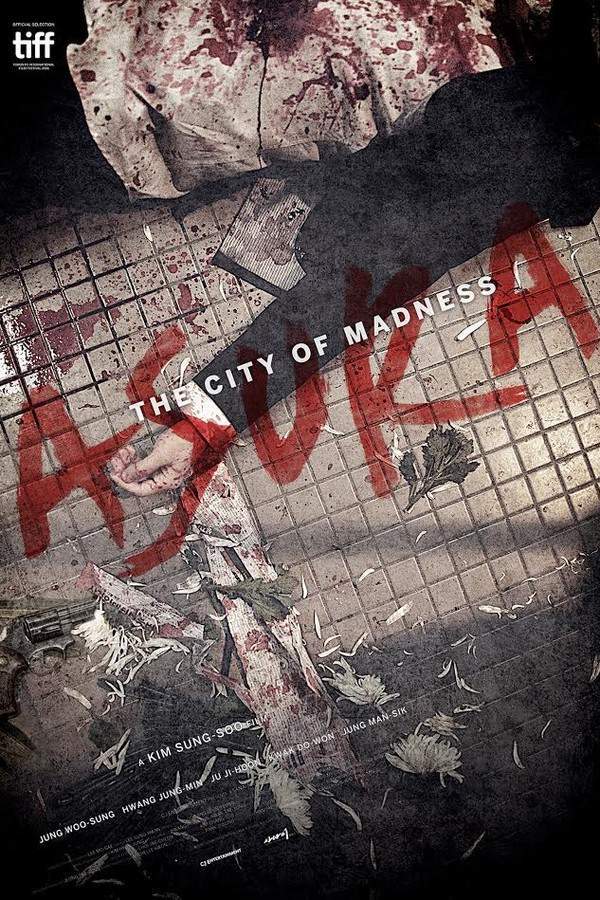
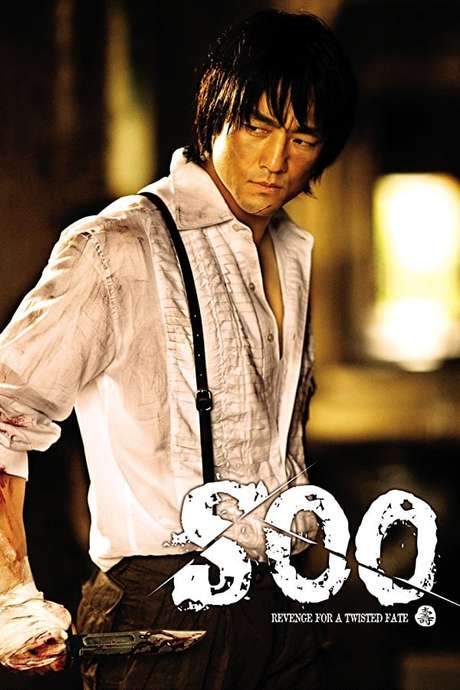
The City of Violence (2006) movie poster

Plot Summary

The City of Violence (2006) Plot Summary Explained

Release, runtime and language
2006 · 92 mins · Korean
Starring
Park Young-seo, Kim Seo-hyung, Park Ji-hwan, Kim Su-hyun, Ahn Kil-kang, Kim Ki-cheon

Detective Tae-su, a veteran of organized‑crime battles, returns to his hometown for his high‑school friend Wang‑jae’s funeral. He reunites with old classmates Pil‑ho, Dong‑hwan and Seok‑hwan, and they reminisce. Unconvinced by the official cause, Tae‑su and Seok‑hwan investigate separately, uncovering a corrupt land‑development scheme run by Pil‑ho.

On this page (5)
  1. 1 What happens: full plot
  2. 2 Plot questions answered
  3. 3 Movie threads
  4. 4 Movies like The City of Violence
  5. 5 Every angle

Full plot summary · contains spoilers

What Happens in The City of Violence: Full Plot Summary

The whole story of The City of Violence (2006) explained, from the opening scene to the final frame: every key event, every twist and what it all adds up to. Read it as a quick recap before the sequel, to check a scene you missed, or to finally understand what really happened.

Wang-jae, an ex-gangster, chases a group of punks into an alley and is fatally stabbed.

Nearly twenty years pass and four childhood friends reunite at Wang-jae's funeral: Tae-su, Pil-ho, Seok-hwan, and Dong-hwan.

Each has carved out a different path: Tae-su became a Seoul detective; Pil-ho took over Wang-jae's business; Seok-hwan works as a debt collector, while his older brother Dong-hwan struggles as a maths professor.

After the funeral, Tae-su decides to investigate the murder within a week before he would return to his job in Seoul.

Meanwhile, Seok-hwan decides to find and kill Wang-jae's murderers. While investigating, Tae-su is attacked by youth gangs, where he barely escapes with Seok-hwan's unexpected arrival. They decide to work together.

After hunting the gangs, they discover Wang-jae's death was not a random mindless attack, but a planned murder. The revelation leads them to Dong-hwan, who confesses that Pil-ho was behind the plan after Wang-jae disapproved Pil-ho's plans to turn their city into a tourist district. After strangers tried to kill him as part of tying up Pil-ho's loose ends, Wang-jae's young murderer agrees to testify against Pil-ho.

A killer douses the young murderer in gasoline and sets him on fire. Later, Pil-ho badly thrashes Tae-su and also targets to finish Seok-hwan, Dong-hwan and their mother in an accident, but Seok-hwan survives. After Dong-hwan and his mother's funeral, Seok-hwan and Wang-jae's widow leave the funeral house and see Tae-su waiting outside. Tae-su persuades Wang-jae's widow into revealing information on Pil-ho's whereabouts. Tae-su and Seok-hwan storm Pil-ho's fortress, where they fight their way through swarms of armed cooks until the banquet room.

Meanwhile, Pil-ho kills the Seoul president, which prompts all guests to leave. Tae-su and Seok-hwan confront Pil-ho, who is along with his four elite guards in the room. A fight ensues where Tae-su and Seok-hwan manage to defeat Pil-ho's elite guards and set to take on Pil-ho, who takes them by surprise by attacking Seok-hwan. Pil-ho turns and stabs Tae-su, but Seok-hwan later finishes Pil-ho with a katana. As Tae-su bleeds to death, an exhausted Seok-hwan notices the carnage that he and Tae-su had created and sighs heavily.

Last updated: October 09, 2025 at 16:30

Was this helpful?

Plot questions answered

The City of Violence Plot Explained: Your Questions Answered

The questions people ask most about The City of Violence (2006): what happens in the confusing scenes, why the characters do what they do, the twists, hidden details and what the ending means. Each answer contains spoilers.

Q1

Why did Pil-ho kill Wang-jae?

Pil-ho killed Wang-jae because he opposed Pil-ho's plan to transform their hometown into a tourist district. Wang-jae's disapproval threatened to derail the corrupt land-development scheme, so Pil-ho orchestrated his murder to remove the obstacle and push the project forward.

Foreshadowing: Earlier, the friends reminisce about their past, establishing the deep bond between Pil-ho and Wang-jae before the betrayal is revealed.

  • pil-ho
  • wang-jae
  • murder
  • tourist district
  • motive
Q2

How did Tae-su and Seok-hwan discover Pil-ho was behind the murder?

After hunting down the youth gangs responsible for Wang-jae's killing, they uncovered evidence that the attack was planned rather than random. The investigation led them to Dong-hwan, who confessed that Pil-ho had orchestrated the murder after Wang-jae rejected the tourist district plan.

Foreshadowing: Tae-su is attacked by youth gangs during his investigation, suggesting the killers are being protected by someone powerful.

  • investigation
  • pilho
  • dong-hwan
  • murder plot
  • discovery
Q3

Why did Dong-hwan confess to Tae-su and Seok-hwan?

Dong-hwan confessed because he was guilt-ridden over his involvement in the murder plot. As Pil-ho's younger brother, he had been aware of the plan and chose to reveal the truth when confronted by Tae-su and Seok-hwan, ultimately providing crucial evidence against Pil-ho.

Foreshadowing: Dong-hwan appears throughout the investigation as a link between the friends, setting up his eventual revelation.

  • dong-hwan
  • confession
  • guilt
  • brother
  • pilho
Q4

What happened to the young witness who agreed to testify against Pil-ho?

Before he could testify, a killer doused the young murderer in gasoline and set him on fire. This was Pil-ho's attempt to eliminate the witness and destroy the evidence against him.

Foreshadowing: Earlier, strangers tried to kill Wang-jae's young murderer to silence him, showing Pil-ho's desperation to prevent testimony.

  • witness
  • fire
  • murder
  • pilho
  • elimination
Q5

How did Seok-hwan survive Pil-ho's attack?

Pil-ho orchestrated an accident targeting Seok-hwan, Dong-hwan, and their mother to eliminate witnesses. Seok-hwan survived the attack while Dong-hwan and his mother did not, leaving him as one of the few remaining people who could testify against Pil-ho.

Foreshadowing: After Pil-ho thrashes Tae-su, he plans to silence all potential witnesses, including Seok-hwan's family.

  • seok-hwan
  • accident
  • survival
  • pilho
  • attack
Q6

Why did Pil-ho kill the Seoul president?

Pil-ho killed the Seoul president during the final confrontation at his fortress. The murder was likely meant to eliminate a key figure who might have opposed his schemes or to prevent the president from interfering with his plans, though the exact motive remains tied to his broader corrupt operations.

Foreshadowing: The presence of the Seoul president at Pil-ho's fortress suggests deep political connections in his criminal network.

  • seoul president
  • pilho
  • murder
  • fortress
  • political
Q7

How did Tae-su find Pil-ho's location?

Tae-su persuaded Wang-jae's widow to reveal Pil-ho's whereabouts after the funerals of Dong-hwan and his mother. Using this information, he and Seok-hwan staged an assault on Pil-ho's fortress, fighting through armed cooks to reach the banquet room.

Foreshadowing: After the funerals, Seok-hwan and Wang-jae's widow encounter Tae-su waiting outside, setting up the final confrontation.

  • tae-su
  • pilho
  • location
  • fortress
  • assault
Q8

Why did Seok-hwan use a katana to kill Pil-ho?

Seok-hwan used a katana to kill Pil-ho during their final confrontation, representing a symbolic and brutal form of retribution. The weapon choice reflects the film's thematic emphasis on traditional justice and the personal nature of the vengeance against a betrayer.

Foreshadowing: Seok-hwan's vow to find and kill Wang-jae's murderers establishes his commitment to direct, violent justice.

  • seok-hwan
  • katana
  • pilho
  • death
  • revenge
Q9

Why did Tae-su die at the end?

Tae-su was stabbed by Pil-ho during the final showdown in the banquet room. Despite he and Seok-hwan defeating Pil-ho's elite guards, Pil-ho managed to turn and stab Tae-su before Seok-hwan killed Pil-ho with the katana. Tae-su bled to death as Seok-hwan surveyed the carnage.

Foreshadowing: The final confrontation is set up as a dangerous assault on Pil-ho's heavily guarded fortress.

  • tae-su
  • death
  • stabbing
  • pilho
  • final showdown
Q10

What triggered the conflict between Pil-ho and Wang-jae?

The conflict arose when Pil-ho proposed turning their hometown into a tourist district, a corrupt land-development scheme that would bring profit but destroy their community. Wang-jae strongly opposed the plan, leading Pil-ho to arrange his murder to silence opposition and proceed with the development.

Foreshadowing: The friends' reunion at the funeral provides context about their shared past in the town that Pil-ho now seeks to transform.

  • tourist district
  • land development
  • pilho
  • wang-jae
  • conflict
Q11

Why did Pil-ho betray his childhood friends?

Pil-ho betrayed his childhood friends, particularly Wang-jae, because profit and power outweighed loyalty. His transformation from childhood friend to ruthless businessman led him to eliminate anyone who threatened his corrupt schemes, including those closest to him.

Foreshadowing: The reunion scene establishes the deep bonds between the four friends before revealing how completely Pil-ho has changed.

  • pil-ho
  • betrayal
  • childhood friends
  • money
  • power
Q12

What did Seok-hwan lose by pursuing vengeance?

Seok-hwan lost his brother Dong-hwan and his mother, who were killed in Pil-ho's attempt to silence witnesses. The pursuit of vengeance also resulted in Tae-su's death, leaving Seok-hwan as the sole survivor to confront the aftermath of their violent retribution.

Foreshadowing: Seok-hwan's vow to kill Wang-jae's murderers sets in motion a chain of events that claims multiple lives.

  • seok-hwan
  • vengeance
  • loss
  • brother
  • mother

Movie threads

More Movies Like The City of Violence, by Mood & Story

Curated lists built around what makes The City of Violence tick: the same mood, the same kind of story or the same emotional payoff. Each list explains why these movies belong together.

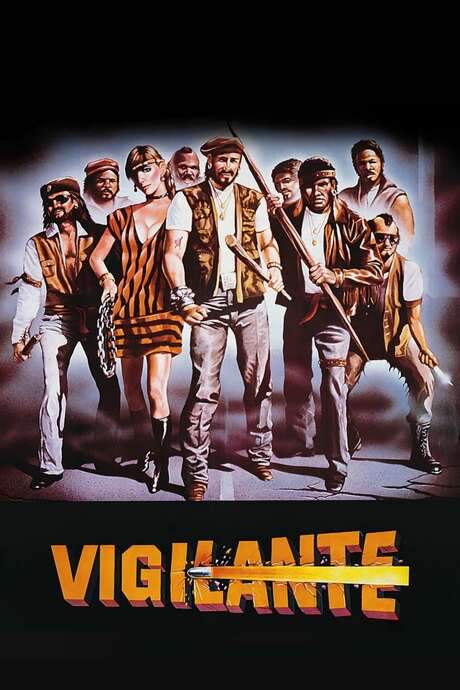
Movies with Vigilante Justice like The City of Violence

When the system fails, justice is delivered with fists and fury. If you liked the brutal, hands-on revenge in The City of Violence, explore these movies where heroes become judge, jury, and executioner. These films feature corrupt systems, personal betrayals, and fast-paced action, delivering a similar vibe of grim, gritty, and furious retribution.

  • vengeful
  • brutal
  • gritty
  • tense
  • furious
  • vigilante
  • Tone: dark, vengeful, brutal
  • Pacing: fast, relentless
Why these movies?

The story pattern: These stories typically begin with a profound personal loss or injustice that the established authorities cannot or will not address. The protagonist, driven by grief and rage, embarks on a direct and violent path of investigation and retribution. The narrative is a straightforward descent into a world of chaos, where the line between hero and avenger blurs, often ending with a pyrrhic victory.

Why they belong together: Movies in this thread are grouped by their core theme of extra-legal justice, a dark and gritty tone, and high-intensity action. They share a focus on the physical and emotional toll of revenge, exploring themes of corruption, betrayal, and the heavy cost of taking matters into one's own hands.
Movies about Betrayal and Friendship like The City of Violence

The deepest cuts come from those you once called family. For viewers who appreciated the tragic betrayal between childhood friends in The City of Violence, this section features similar films exploring fractured bonds. Discover stories where loyalty is tested, trust is shattered, and the fallout is both emotionally heavy and violently explosive.

  • betrayal
  • somber
  • tragic
  • tense
  • gritty
  • friendship
  • Tone: somber, dark, tragic
  • Pacing: steady, escalating
Why these movies?

The story pattern: The narrative pattern revolves around a tight-knit group, often with a shared history, whose stability is destroyed by one member's greed or ambition. The discovery of the betrayal is a slow, painful unraveling, transforming nostalgic reunion into a deadly conflict. The emotional journey is one of profound loss, not just of life but of cherished memories and identity, culminating in a bittersweet or bleak resolution.

Why they belong together: These films are connected by their intense focus on the theme of betrayal within a family-like unit. They share a heavy emotional weight derived from the loss of innocence and trust, combined with a dark tone and often high-stakes, violent consequences that give the drama a palpable, gritty tension.

If you liked this

Movies Like The City of Violence

Similar movies to The City of Violence: the same genre, themes or kind of story. Each one comes with its own plot summary, timeline and ending explained.

Browse all movie summaries

Every angle

The City of Violence (2006) Explained: Plot, Timeline & Characters

Everything about The City of Violence in one place: what happens in the plot summary, the timeline in chronological order, the characters and meaning and a spoiler-free summary. What's After the Movie adds the cast, box office and post-credit scenes.

Coming soon on iOS and Android

The Plot Explained Movie Summary App

Plot summaries, endings explained and timelines on your phone. Catch up on any movie in minutes, save your favorites and never miss a twist again.

Be the first to know when we launch. Your email stays private, always.

Learn more about the app