Plot Explained Spoilers guaranteed!
Plot Explained

Browse by genre

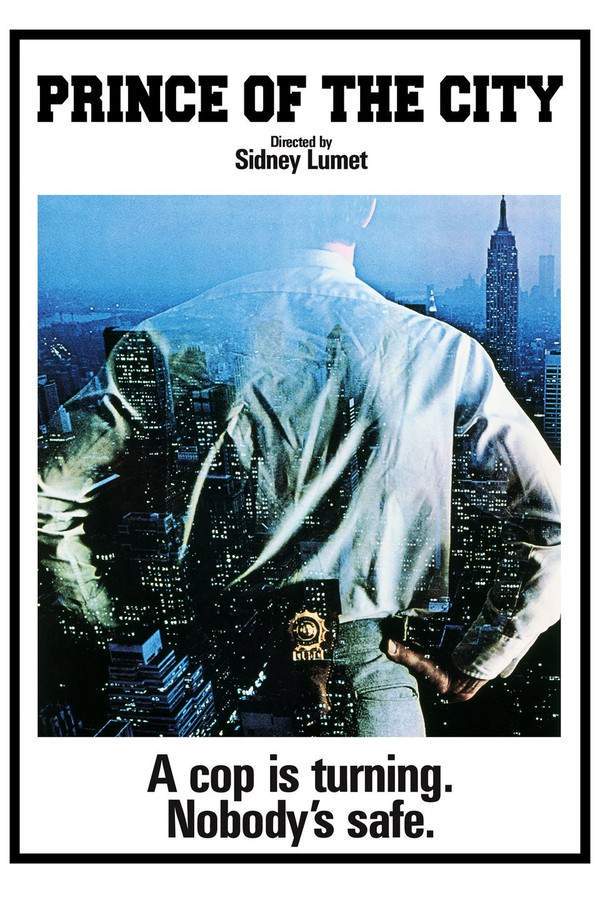
Prince of the City (2012) movie poster

Plot Summary

Prince of the City (2012) Plot Summary Explained

Release, runtime and language
2012 · 84 mins · English
Directed by
Roslan Hussin
Starring
Michael Madsen, Wan Hanafi Su, Aaron Aziz, Julian Cheah, Jehan Miskin, Yank Kassim

Take Back What Belongs To You A wrongfully exiled and disgraced man seeks revenge against his jealous brother, after their billionaire father mysteriously dies.

On this page (5)
  1. 1 Where to watch
  2. 2 What happens: full plot
  3. 3 Plot questions answered
  4. 4 Movie threads
  5. 5 Every angle

Where to watch

Where to Watch Prince of the City (2012)

Where can you watch Prince of the City? Stream, rent or buy it in the US, including on FlixFling and Amazon Video: current JustWatch availability with up-to-date prices.

Streaming availability powered by JustWatch

Full plot summary · contains spoilers

What Happens in Prince of the City: Full Plot Summary

The whole story of Prince of the City (2012) explained, from the opening scene to the final frame: every key event, every twist and what it all adds up to. Read it as a quick recap before the sequel, to check a scene you missed, or to finally understand what really happened.

Danny Ciello is a NYPD narcotics detective who operates within the Special Investigative Unit (SIU). In a city where undercover work and high-stakes investigations are the norm, Ciello and his colleagues are known as the Princes of the City—sleek, confident, and largely left to their own devices as they prosecute cases with broad leeway. That autonomy comes with a price: they’re also linked to a spectrum of shady practices, including skimming money from criminals and supplying informants with stolen drugs to resell. The unit’s culture of impunity is a backbone of the story, painting a careful, unflinching look at how power and temptation can bend the rules in the pursuit of turning a case.

Ciello’s personal life is tangled in the criminal underworld as well. He has a drug-addicted brother and a cousin who operates within organized crime, relationships that complicate every choice he makes on the job and add emotional weight to the moral calculus he faces. These ties become a heavy burden as the narrative moves forward, underscoring the risks that Ciello takes when his conscience begins to niggle at him after a violent incident: he assaults a junkie to steal his heroin supply, an act that leaves him unsettled and increasingly aware of the consequences of the unit’s methods.

Soon afterward, Ciello is approached by internal affairs and federal prosecutors who want him to participate in a far-reaching investigation into police corruption. The offer comes with a stark choice: he could potentially avoid prosecution and secure federal protection for himself and his family if he agrees to wear a wire and go undercover to expose other dirty cops. He accepts the arrangement, but with a crucial condition—he does not want to turn in his partners. The decision threads the narrative with moral tension, as Ciello’s past misdeeds and his own circle of criminal acquaintances begin to loom over every step of his undercover mission.

As the undercover work unfolds, the pressure mounts. One of Ciello’s partners commits suicide during an interrogation, a devastating event that intensifies the emotional and ethical stakes of the operation. At the same time, Ciello’s cousin in the Mafia, who had lent a hand to him in the past, is killed, further entangling his loyalties and forcing him to confront the real cost of the line he’s walking. These incidents pull Ciello deeper into a web of tough choices, where the line between arresting corrupt officers and protecting his own skin becomes increasingly blurred.

In the course of his undercover testimony, Ciello admits to three crimes he committed while working in the SIU, but he also finds himself perjuring—denying the many other offenses he and his partners engaged in. The confession is not a victory; it’s a fragile bid for survival that reveals how complex and fragmented the truth can be when fear, loyalty, and fear of retaliation intersect. Despite repeated demonstrations of allegiance, Ciello ultimately turns on his partners as the investigation tightens, and most of them retaliate or distance themselves in response to his disclosures.

The story closes on a tempered, morally nuanced note. The chief prosecutor decides not to prosecute Ciello, a decision that preserves him from prison but leaves him forever entwined with the consequences of his actions. He is reassigned to a quieter, more advisory role—serving as an instructor at the Police Academy. The outcome underscores a central theme: the costs of policing corruption extend far beyond any single case, reshaping a detective’s identity, loyalties, and sense of duty, while offering a measured contemplation on whether justice can ever be fully achieved from within a system designed to bend the rules.


Last updated: March 05, 2026 at 18:42

Was this helpful?

Plot questions answered

Prince of the City Plot Explained: Your Questions Answered

The questions people ask most about Prince of the City (2012): what happens in the confusing scenes, why the characters do what they do, the twists, hidden details and what the ending means. Each answer contains spoilers.

Q1

Why did Danny Ciello agree to become an informant for Internal Affairs?

Danny Ciello agreed to cooperate with Internal Affairs and federal prosecutors after they approached him with an offer to avoid prosecution for his own corrupt activities. The turning point was the heroin incident where he beat a junkie to steal his heroin supply, which left him morally shaken and aware of how far he had fallen. Faced with the possibility of prosecution and wanting to protect himself and his family, he accepted their deal to wear a wire and expose other corrupt cops.

Foreshadowing: Earlier scenes establish Danny's growing discomfort with the unit's methods, particularly after witnessing the violent consequences of their practices.

  • danny ciello
  • informant
  • internal affairs
  • police corruption
  • nypd
Q2

What was the heroin incident that changed Danny Ciello?

The heroin incident was a brutal street encounter where Danny Ciello beat a drug addict to steal his heroin supply. This violent act shook him deeply and marked his first major moral awakening, making him acutely aware of how the unit's corrupt practices had corrupted him personally. It became the catalyst for his eventual decision to cooperate with authorities.

Foreshadowing: The scene foreshadows Danny's internal conflict and sets up his psychological deterioration throughout the film.

  • heroin
  • drug addiction
  • violence
  • moral awakening
  • street crime
Q3

Why didn't Danny want to turn in his fellow officers?

When Danny agreed to work with Internal Affairs, he stipulated that he would not have to turn in his partners in the SIU. This condition reflected his deep loyalty to his fellow Princes of the City and his understanding that exposing them would not only betray their trust but also unravel his own life, given how deeply involved he was in their illegal activities.

Foreshadowing: This loyalty is tested throughout the film as the investigation closes in and Danny faces impossible choices.

  • loyalty
  • partners
  • siu unit
  • police corruption
  • betrayal
Q4

What happened to Danny's partner during the investigation?

During the investigation into police corruption, one of Danny Ciello's partners committed suicide while under interrogation. This devastating event intensified the emotional stakes of the operation and highlighted the lethal consequences of the SIU's corrupt culture, leaving Danny to witness the fallout of the unit's actions.

Foreshadowing: The suicide underscores the desperation and fear spreading through the unit as investigations intensify.

  • partner suicide
  • interrogation
  • investigation
  • consequences
  • police misconduct
Q5

Why was Danny's cousin killed in the movie?

Danny's cousin, who was involved in organized crime and had helped Danny in the past, was killed during the course of the investigation. This murder deepened the personal stakes for Danny and showed how far the corruption case reached into his personal life, further complicating his loyalties and forcing him to confront the dangerous territory he was navigating.

Foreshadowing: The killing demonstrates the consequences of Danny's双重身份 and the risks of mixing police work with family criminal connections.

  • cousin
  • mafia
  • organized crime
  • murder
  • family ties
Q6

Why did Danny perjure himself during his testimony?

When Danny testified under oath, he confessed to three specific crimes he committed in the SIU but deliberately perjured himself by denying many other offenses he and his partners had committed. This was a calculated move to protect himself while still appearing cooperative, revealing how fear, loyalty, and self-preservation intersected to fragment the truth during the investigation.

Foreshadowing: The perjury reflects Danny's ongoing attempt to walk the line between cooperation and loyalty throughout the film.

  • perjury
  • testimony
  • confession
  • lies
  • legal procedure
Q7

Why wasn't Danny Ciello prosecuted at the end?

The chief prosecutor ultimately decided not to prosecute Danny Ciello. While he had confessed to several crimes and had turned on his partners, the prosecution evidently considered his cooperation, the complex circumstances, and the difficulty of securing convictions in such cases. Instead of prison, Danny was reassigned to serve as an instructor at the Police Academy.

Foreshadowing: This outcome reflects the moral ambiguity that pervades the entire narrative, corruption is exposed but not fully punished.

  • prosecution
  • not guilty
  • police academy
  • outcome
  • justice
Q8

What does "Princes of the City" refer to in the movie?

"Princes of the City" is the nickname for the detectives in NYPD's Special Investigative Unit who operate with broad leeway and minimal supervision. These narcotics detectives are sleek, confident, and perceived as powerful figures within their domain. The term reflects both their status in the criminal underworld and the impunity they enjoy while pursuing their own brand of justice, or injustice.

Foreshadowing: The nickname establishes the unit's culture of arrogance and corruption from the beginning.

  • princes
  • siu unit
  • narcotics
  • police unit
  • corruption culture
Q9

How did Danny Ciello's family connections affect his decisions?

Danny Ciello had a drug-addicted brother and a cousin involved in organized crime, which tied his personal life directly to the criminal underworld. These connections constantly complicated his professional choices and added emotional weight to his moral decisions. His family's involvement made him more vulnerable to manipulation and created personal stakes that intersected with his undercover work.

Foreshadowing: These family ties foreshadow the personal costs Danny would pay as the investigation progressed.

  • brother
  • cousin
  • family
  • organized crime
  • drug addiction
Q10

What happened to the other officers exposed in the investigation?

Despite repeatedly professing loyalty to his partners, Danny ultimately turned on all of them as the investigation tightened. Most of his former partners responded by retaliating or distancing themselves from him. The investigation exposed the systemic corruption within the SIU unit, but the human cost was devastating, relationships were destroyed and lives were ruined on all sides.

Foreshadowing: The betrayal demonstrates the inevitable collapse of trust when corruption is exposed from within.

  • exposed officers
  • partners
  • betrayal
  • investigation outcome
  • fallout

Movie threads

More Movies Like Prince of the City, by Mood & Story

Curated lists built around what makes Prince of the City tick: the same mood, the same kind of story or the same emotional payoff. Each list explains why these movies belong together.

Gritty Undercover Thrillers Like Prince of the City

Stories of compromised agents trapped in webs of institutional crime. Explore movies like Prince of the City that delve into the dark world of undercover operations and police corruption. These films share a tense, morally complex atmosphere where loyalty is tested and betrayal is constant.

  • tense
  • morally conflicted
  • paranoid
  • gritty
  • anxious
  • heavy
  • Tone: tense, morally conflicted, bleak
  • Pacing: steady, methodical
Why these movies?

The story pattern: The narrative typically follows a character, often an insider like a detective or agent, who is tasked with exposing corruption from within. As they dive deeper, the line between their cover identity and their true self blurs. The story unfolds as a steady burn of tension, revealing layers of deception and forcing the protagonist to make devastating moral choices that lead to personal and professional ruin.

Why they belong together: Movies are grouped here because they all feature a central, morally conflicted character operating in a high-stakes, corrupt environment. They share a heavy, anxious tone, a focus on internal investigation, and a narrative structure that builds tension methodically towards a devastating, often bittersweet, conclusion.

Moral Crime Dramas Like Prince of the City

Methodical investigations that unravel characters as much as cases. If you liked the heavy moral weight and procedural detail of Prince of the City, you'll find similar films here. These movies explore the psychological toll of crime and justice, often ending on a bittersweet note.

  • gloomy
  • morally conflicted
  • heavy
  • procedural
  • psychological
  • tense
  • Tone: gloomy, tense, morally heavy
  • Pacing: steady, deliberate
Why these movies?

The story pattern: The plot follows a detailed, often internal, investigation that exposes deep-seated corruption. The protagonist's journey is one of increasing isolation and moral devastation as they are forced to confront betrayal from within their own ranks. The narrative structure is complex, weaving together multiple threads of personal and professional conflict that culminate in a resolution where the system is perhaps partially cleansed, but the human cost is immense.

Why they belong together: These films are united by their focus on the detailed process of a high-stakes investigation and its profound psychological impact on the main character. They share a gloomy, morally conflicted mood, a steady pacing that builds tension, and a narrative complexity that results in an emotionally heavy, bittersweet ending.

Every angle

Prince of the City (2012) Explained: Plot, Timeline & Characters

Everything about Prince of the City in one place: what happens in the plot summary, the timeline in chronological order, the characters and meaning and a spoiler-free summary. What's After the Movie adds the cast, box office and post-credit scenes.

Coming soon on iOS and Android

The Plot Explained Movie Summary App

Plot summaries, endings explained and timelines on your phone. Catch up on any movie in minutes, save your favorites and never miss a twist again.

Be the first to know when we launch. Your email stays private, always.

Learn more about the app