Plot Explained Spoilers guaranteed!
Plot Explained

Browse by genre

Closed Circuit (1978) movie poster

Timeline

Closed Circuit (1978) Timeline Explained – Every Event in Order

Release, runtime and language
1978 · 106 mins · Italian
Directed by
Giuliano Montaldo
Starring
Giuliano Gemma, Aurore Clément, Flavio Bucci, Franco Balducci, Gabriele Tozzi, Luciano Rossi

At a local cinema, patrons watch a Spaghetti Western matinee. During the on‑screen duel’s climax, a real bullet hits a viewer. With no obvious leads and the entire audience now suspects, investigators lock the doors, seat everyone again and replay the film, hoping the second viewing will reveal the true killer.

On this page (5)
  1. 1 Events in order (12)
  2. 2 Timeline questions answered
  3. 3 Movie threads
  4. 4 Movies like Closed Circuit
  5. 5 Every angle

12 events in order · contains spoilers

Closed Circuit Timeline: Events in Chronological Order

Every key event of Closed Circuit (1978) in order, scene by scene, with when and where it takes place. Use it to untangle flashbacks, time jumps and parallel storylines, to refresh your memory before the sequel or to find the exact scene you are thinking of.

  1. Opening screening and odd behavior

    The film opens with a crowd assembling for a screening and staff preparing the theater. Several audience members display unusual behavior, including secret lovers and a man who spends an unusually long time in the restroom. The setup establishes a tense mood as the audience settles in for the Western.

    When
    Opening moments
    Where
    Movie theater
  2. Murder during the Western

    During the Western's end, a man sitting near a young couple is shot dead in the theater. It is unclear who fired the shot, and panic erupts as spectators realize a real murder has occurred. The shooter remains unknown among the attendees inside the cinema.

    When
    End of the Western
    Where
    Movie theater
  3. Panic and lockdown

    Panic spreads as the theater is quickly closed to prevent anyone from leaving. Police arrive and the inspector is assured that the murderer and the weapon must still be inside the theater. Investigators begin to canvass the audience to find any lead, while tensions run high.

    When
    Immediately after the shooting
    Where
    Movie theater
  4. Initial interrogations and clues

    The inspector conducts individual interrogations, trying to uncover motives and alibis. He notes suspicious behavior, including two lovers who are secretly married to other people and have been meeting in the theater. Two would-be escapees, crooks seeking a quick exit, are caught, though no conclusive evidence ties them to the murder.

    When
    After the initial questioning
    Where
    Movie theater
  5. Victim profile

    The detective learns that the victim was a solitary pensioner with a passion for cinema and photography. This detail provides personality but no direct clue to the crime. The case remains stubbornly unsolved as investigators chase dead ends.

    When
    Soon after discovery
    Where
    Movie theater
  6. First reconstruction

    The inspector arranges a reconstruction, forcing visitors to sit in the same seats as during the first viewing. In the reenactment, a popular usher occupies the murdered man's chair and is mysteriously shot at the end of the Western. The exercise duplicates the film's events and amplifies the sense that the theater holds hidden dangers.

    When
    During reconstruction reenactment
    Where
    Movie theater
  7. Ministry involvement

    Time pressure increases when the Ministry of Defense becomes involved because the victim had worked there as an accountant. Authorities stress that the clock is ticking while the trapped audience awaits a resolution. The case takes on a national significance beyond the cinema.

    When
    After reconstructions
    Where
    Movie theater
  8. Second reconstruction and on-screen threat

    A second reconstruction places one of the commissioner’s superiors in the seat. Before the on-screen gunfight reaches its climax, he stands and bolts through the theater, terrified by the image of the gunman aiming at him. In the end the gunman on the screen shoots this victim as well.

    When
    During second reconstruction
    Where
    Movie theater
  9. Film cannot be switched off; film disappears

    The film cannot be switched off, and during the third gunshot the physical film disappears from the projector. The loss of the film complicates the investigation and traps the characters in an endless loop. Technicians begin to search for the cause while the theater remains sealed.

    When
    During ongoing screening
    Where
    Projection booth / Theater
  10. Forensic weapon identified

    Police and forensic experts identify the firearm used in the shootings as a Colt revolver from 1863. This discovery narrows the field of suspects and suggests a deliberate, historic choice of weapon. The weapon's vintage links the theater's events to the era of Westerns shown earlier.

    When
    After analysis
    Where
    Forensic lab
  11. Unsolved case and final debate

    The case remains officially unsolved at the end. The inspector remains without a formal verdict, and questions linger about guilt and motive. The unresolved nature underscores a broader theme about how people kill with the machines they create.

    When
    End of investigation
    Where
    Movie theater
  12. Philosophical closing discussion

    Final scene shows the inspector and the sociologist continuing their discussion, lingering over the implications of cinema and technology. They consider how media shapes perception, memory, and fear beyond the theater walls.

    When
    End of film
    Where
    Movie theater

Last updated: October 09, 2025 at 11:21

Was this helpful?

Timeline questions answered

Closed Circuit Timeline Explained: Your Questions Answered

When does it happen, and why in that order? The questions people ask about the chronology of Closed Circuit (1978): time jumps, flashbacks, cause and effect between scenes and the correct order of events, each answered with spoilers.

Q1

How was the victim shot during the movie screening without anyone noticing?

The shooter used the climax of the Spaghetti Western's on-screen duel as cover. When the film's guns fired, the real bullet was fired simultaneously, making it impossible for anyone to distinguish the real shot from the fictional one. The killer sat in the audience with a vintage Colt revolver from 1863 and timed the shot to coincide with the movie's sound, creating a perfect alibi in the chaos.

Foreshadowing: The opening scenes establish the audience's intense focus on the screen during the Western's duel, making the timing of the shot possible.

  • shooting mechanism
  • real bullet
  • movie theater
  • Spaghetti Western
  • murder method
Q2

Why was the pensioner singled out as the victim?

The victim was not a random target. He was discovered to be a former accountant at the Ministry of Defense, which brought national-level investigators into the case. His quiet personality as a cinema and photography enthusiast may have made him appear inconspicuous, but his government background suggests the murder was politically motivated rather than random.

  • pensioner victim
  • Ministry of Defense
  • accountant
  • target
  • political murder
Q3

Why did the reconstruction attempts result in additional shootings?

The reconstructions were designed to replicate the exact conditions of the original murder, with someone sitting in the victim's seat. The killer used these staged events as opportunities to strike again, demonstrating that the weapon and ability to fire without detection remained available. When the usher was placed in the victim's chair, he was shot at the exact moment the on-screen guns fired, mirroring the original murder.

Foreshadowing: The inspector's decision to replay the Western created identical conditions that the killer could exploit again.

  • reconstruction
  • reenactment
  • second shooting
  • usher killed
  • cinema investigation
Q4

What happened to the film that disappeared from the projector?

During the third shooting, the physical film inexplicably vanished from the projector booth. This mysterious disappearance prevented further screenings and trapped the investigation in an endless loop. The loss of the film complicated forensic analysis and removed the ability to recreate the exact timing mechanism the killer used.

  • film disappears
  • projector
  • missing film
  • evidence
  • investigation complication
Q5

Why did the case remain officially unsolved despite the investigation?

The investigation was hampered by multiple factors: the locked-room nature of the crime made identifying the shooter nearly impossible in a dark theater, the film's disappearance removed crucial forensic evidence, and the social dynamics among the audience members created a web of secrets and alibis that obscured the truth. The killer's method of timing the shot with the movie's climax meant no witnesses came forward with usable information.

  • unsolved case
  • no solution
  • mystery
  • detective
  • investigation failed
Q6

What is the significance of the sociologist's closing monologue about images and reality?

The sociologist's conversation with the inspector at the film's end presents the murder as a meditation on how images and technology can exert force beyond reality. He suggests that the boundary between fiction and life has blurred, the violence on screen crossing into actual violence reflects humanity's capacity to create machines and images that can destroy. This metafictional element positions the entire locked-room mystery as a commentary on cinema's power over human perception and fear.

  • sociologist
  • philosophy
  • images
  • reality
  • cinema
  • technology
  • meaning
  • interpretation
Q7

What role did the secret lovers play in the investigation?

During interrogations, the inspector discovered two lovers secretly married to other people who had been meeting at the cinema. Their clandestine relationship made them suspicious because they had motive to hide their meetings and provided questionable alibis. However, their secret was ultimately unrelated to the murder, their subplot represents the broader theme of people hiding behind masks and screens in the theater.

Foreshadowing: Early scenes show secretive glances in back rows, establishing the lovers' presence.

  • secret lovers
  • affair
  • married
  • alibi
  • suspects
  • audience members
Q8

Why couldn't the film be turned off during the investigation?

The projector could not be shut off, allowing the Western to continue running even during the reconstructions and shootings. This technical impossibility became plot-critical, it maintained the exact audio conditions the killer used to mask the real gunshot. The inability to stop the film meant the triggering mechanism remained active throughout the investigation.

  • projector
  • film running
  • cannot stop
  • technical problem
  • gunfight timing
Q9

What was the significance of the Colt revolver from 1863?

Forensic analysis identified the murder weapon as a Colt revolver from 1863, a vintage firearm matching the era of the Western being screened. This specific choice of weapon was deliberate, the killer selected a gun whose sound would be historically consistent with the film's audio, making it impossible to distinguish the real shot from the on-screen gunfire. The weapon's age also suggested the killer had access to or interest in historical firearms.

  • Colt 1863
  • weapon
  • forensic
  • firearm
  • historical gun
  • murder weapon

Movie threads

More Movies Like Closed Circuit, by Mood & Story

Curated lists built around what makes Closed Circuit tick: the same mood, the same kind of story or the same emotional payoff. Each list explains why these movies belong together.

Movies with a locked-room mystery like Closed Circuit

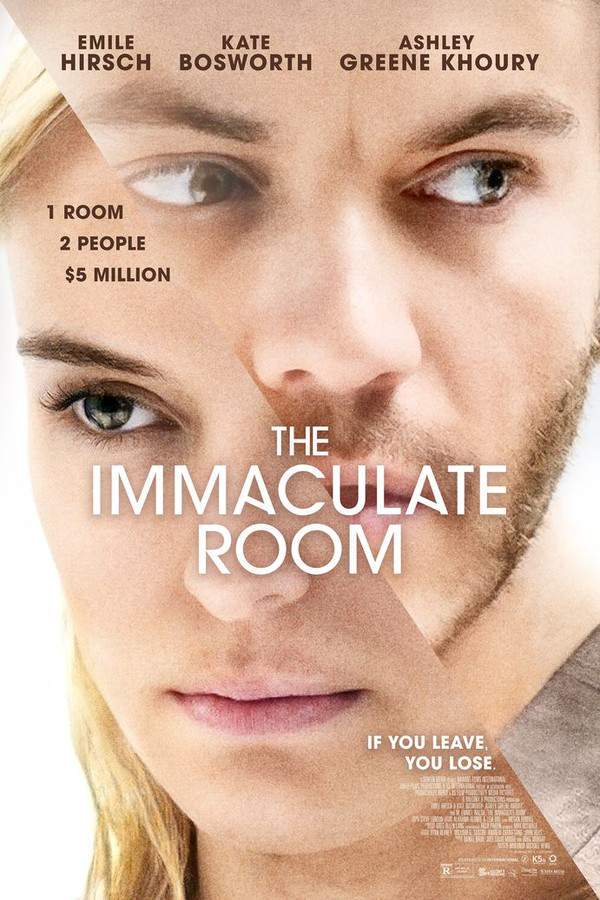
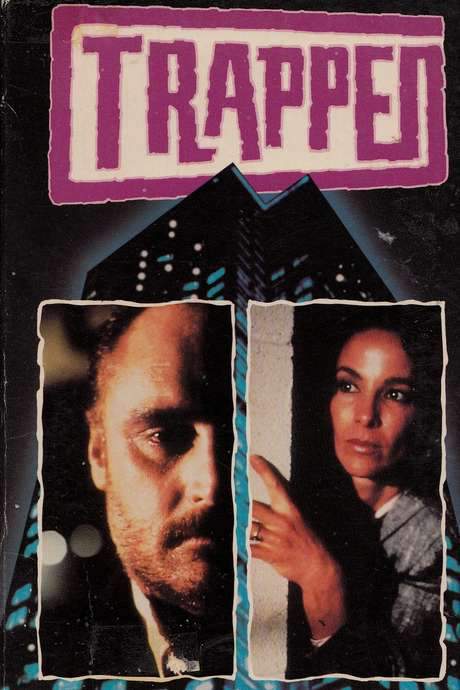
Thrillers that trap characters and viewers in a single, pressure-cooker location. If you liked the tense, single-location investigation in Closed Circuit, you'll find more movies like it here. These claustrophobic thrillers and whodunnits use confined settings to create intense pressure, focusing on psychological unraveling and social dynamics under duress.

  • claustrophobic
  • suspenseful
  • paranoid
  • anxious
  • atmospheric
  • thought-provoking
  • Tone: tense, paranoid
  • Pacing: steady, methodical
Why these movies?

The story pattern: Narratives typically begin with a crime or disruptive event that seals a group of people in a contained space. The plot unfolds through interviews, interrogations, and simmering tensions as hidden motives are exposed. The journey is less about physical escape and more about the psychological exposure of truth and guilt within the microcosm.

Why they belong together: They are grouped by their shared use of spatial confinement to generate high-tension atmospheres, a steady pacing driven by methodical reveals, and a focus on the psychological impact of isolation and suspicion on a closed group of characters.
Movies that blur reality and fiction like Closed Circuit

Stories where art, media, or fiction violently intrude upon the real world. For viewers who enjoyed the metafictional elements of Closed Circuit, this list features similar movies where media or art violently spills into reality. These thought-provoking thrillers explore the power of images and narratives, often featuring ambiguous endings and complex philosophical themes.

  • thought-provoking
  • unsettling
  • mind-bending
  • atmospheric
  • anxious
  • philosophical
  • Tone: tense, philosophical
  • Pacing: steady, deliberate
Why these movies?

The story pattern: The plot often revolves around a piece of media—a movie, a book, a simulation—that begins to eerily mirror or directly affect the characters' lives. The story structure creates a sense of unease and philosophical doubt, leading characters and viewers to question what is real. The journey typically culminates in an ambiguous or bleak conclusion that reinforces the theme.

Why they belong together: They share a core thematic fascination with the relationship between fiction and reality, often employing similar narrative structures that create layers of meaning. The tone is consistently tense and thought-provoking, with a heavy emotional weight derived from the unsettling collapse of perceived boundaries.

If you liked this

Movies Like Closed Circuit

Similar movies to Closed Circuit: the same genre, themes or kind of story. Each one comes with its own plot summary, timeline and ending explained.

Browse all movie summaries

Every angle

Closed Circuit (1978) Explained: Plot, Timeline & Characters

Everything about Closed Circuit in one place: what happens in the plot summary, the timeline in chronological order, the characters and meaning and a spoiler-free summary. What's After the Movie adds the cast, box office and post-credit scenes.

Coming soon on iOS and Android

The Plot Explained Movie Summary App

Plot summaries, endings explained and timelines on your phone. Catch up on any movie in minutes, save your favorites and never miss a twist again.

Be the first to know when we launch. Your email stays private, always.

Learn more about the app