Plot Explained Spoilers guaranteed!
Plot Explained

Browse by genre

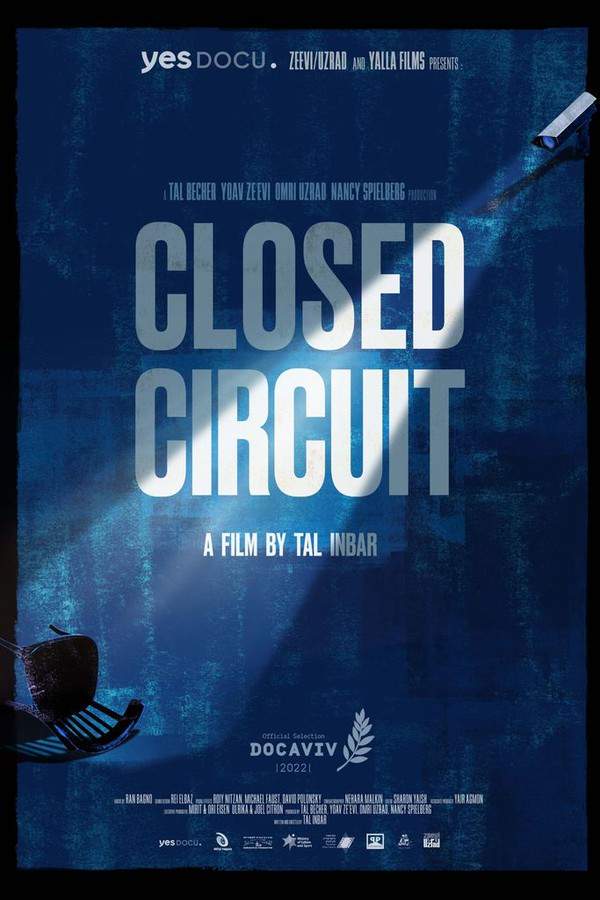
Closed Circuit (1978) movie poster

Characters & Themes

Closed Circuit (1978) Characters, Setting & Themes Explained

Release, runtime and language
1978 · 106 mins · Italian
Directed by
Giuliano Montaldo
Starring
Giuliano Gemma, Aurore Clément, Flavio Bucci, Franco Balducci, Gabriele Tozzi, Luciano Rossi

At a local cinema, patrons watch a Spaghetti Western matinee. During the on‑screen duel’s climax, a real bullet hits a viewer. With no obvious leads and the entire audience now suspects, investigators lock the doors, seat everyone again and replay the film, hoping the second viewing will reveal the true killer.

On this page (7)
  1. 1 Characters explained (8)
  2. 2 Where & when it takes place
  3. 3 Themes & meaning (3)
  4. 4 Character & meaning questions
  5. 5 Movie threads
  6. 6 Movies like Closed Circuit
  7. 7 Every angle

8 main characters · contains spoilers

Closed Circuit Characters Explained: Who Is Who

The main characters of Closed Circuit (1978), heroes and villains: what drives them, how they change over the course of the story and what each of them reveals about the film's bigger ideas.

  • Il pistolero (Giuliano Gemma)

    The gunslinger from the Western being shown who becomes the focal figure of fear within the audience. His on-screen duel culminates in a real murder in the theater, blurring the line between fiction and reality and heightening spectators' tension.

    • 🔫 Gunslinger
    • 🎭 Dual Reality
  • Il sociologo (Flavio Bucci)

    A visiting sociologist who provides the film's philosophical lens, arguing that people kill using the machines they create. He cites science fiction as a precursor to modern violence and highlights how images exert power over behavior.

    • 💡 Idea
    • 🧠 Scholar
  • Controllore (Gabriele Tozzi)

    The theater's ticket inspector who questions patrons to reconstruct the crime's sequence. His inquiries reflect the tension between order and chaos as he helps reveal patterns of behavior in the crowd.

    • 🎟️ Inspector
    • 🕵️‍♀️ Scrutiny
  • Ragazza controllore (Michela Martini)

    A young ticket attendant whose presence adds to the atmosphere of monitoring the audience. Her observations contribute to uncovering secretive behavior among filmgoers.

    • 🎟️ Apprentice
    • 🧭 Investigation
  • Intervistatrice (Irene Bignardi)

    A journalist/interviewer who questions attendees and offers external perspective on motives and alibis.

    • 🗣️ Interviewer
    • 🗨️ Inquiry
  • Magistrato (Gianni Ottaviani)

    A magistrate who participates in the reconstruction attempts, representing the legal system's effort to rationalize an inexplicable event.

    • ⚖️ Magistrate
    • 🧭 Reconstruction
  • Nonno (Giovanni Di Benedetto)

    An elderly pensioner in the audience who becomes a central figure in the investigation, embodying the vulnerable observer drawn into the mystery.

    • 👴 Elder
    • 🕵️‍♂️ Spectator
  • Adolescente (Mattia Sbragia)

    A teenage viewer among the audience who reflects the curiosity and tension of younger generations watching violence unfold on screen.

    • 🧒 Adolescent
    • 🕹️ Observer

Last updated: October 04, 2025 at 15:44

Was this helpful?

Setting

Where and When Does Closed Circuit Take Place?

The setting of Closed Circuit (1978): the year and time period, the places and locations, and how they shape the characters, the mood and the tension of the story.

Time period

The events unfold over a single tense night in a contemporary urban cinema, with police and defense authorities involved as the mystery deepens. The enclosed space of the theater creates a pressure-cooker atmosphere, underscoring a modern setting rather than a distant era.

Location

Cinema

The action takes place entirely inside a single movie theater where an ongoing screening traps the audience. The setting is a public cinema showing a Western, populated by a diverse crowd of staff, couples and families. The claustrophobic environment heightens tension as investigators work to uncover who committed the murder and where the weapon is.

  • 🎬 Cinema
  • 🕵️ Mystery
  • ⏳ Nighttime

Last updated: October 04, 2025 at 15:44

Was this helpful?

3 major themes

Closed Circuit Meaning: Themes & Message Explained

What is Closed Circuit (1978) really about? The emotional, social and philosophical themes the film keeps returning to, its symbolism and the message beneath the surface.

  • Images

    Images can powerfully shape perception and action. The audience experiences violence through a projection, blurring the line between cinema and reality. The sociologist later argues that the machines we create, including media, influence our impulses to harm. The theme critiques how moving pictures exert influence on behavior.

  • Suspicion

    The closed theater becomes a lab for paranoia, as attendees' hidden motives come to light during interrogations. The inspector's attempts to parse guilt reveal social dynamics, secrets and potential complicity among the crowd. The setting forces people to reveal truths under scrutiny and fear.

  • Media and Violence

    The sociologist's discourse frames violence as a product of technological and media systems rather than random acts. Images on screen can provoke real danger, suggesting that spectators copy or amplify violence they witness. The film uses this theme to question responsibility for what cinema can unleash.

Last updated: October 04, 2025 at 15:44

Was this helpful?

Character & theme questions

Closed Circuit Characters & Meaning: Your Questions Answered

The questions people ask about Closed Circuit (1978): who the characters really are, their relationships, what the symbols mean, where it takes place and what the movie is really about. Each answer contains spoilers.

Q1

Where does the movie take place?

The entire story unfolds inside a single movie theater in a contemporary urban setting. The cinema is showing a Spaghetti Western when the murder occurs, trapping the audience inside as investigators work to uncover the killer. The confined space of the theater becomes both the crime scene and the investigative arena.

  • cinema setting
  • movie theater
  • location
  • trapped audience
Q2

What time period is the film set in?

The movie takes place in a modern, contemporary urban environment during a single night. While the film being screened is a Western, the real-world events occur in present-day Italy, with police, defense attorneys, and legal authorities handling the investigation as it unfolds.

  • time period
  • modern era
  • contemporary
  • nighttime
Q3

What does the film say about media and violence?

The sociologist character argues that violence is a product of technological and media systems rather than random acts. The premise itself demonstrates this thesis: a fictional Western triggers real-world murder. The film questions whether creators and viewers share responsibility for the violence that cinema can unleash.

  • media violence
  • film violence
  • responsibility
  • sociologist
  • influence
Q4

What is the film's message about images and perception?

The movie explores how powerful images can shape perception and action. The audience experiences violence through the projection, which blurs the line between cinema and reality. The film suggests that moving pictures exert a measurable influence on viewer behavior, making images far from harmless entertainment.

  • images
  • perception
  • cinema influence
  • reality vs fiction
Q5

How does the film explore suspicion?

The closed theater becomes a laboratory for paranoia as attendees' hidden motives surface during interrogations. The inspector's questioning reveals social dynamics, secrets, and potential complicity among the crowd. The intense setting forces people to reveal truths under scrutiny and fear, turning strangers into suspects.

  • suspicion
  • paranoia
  • investigation
  • audience secrets
Q6

Who is the gunslinger character in the film?

Il pistolero, played by Giuliano Gemma, is the gunslinger from the Western being screened when the murder occurs. His on-screen character becomes the focal point of audience fear, as the real bullet arrives during his on-screen duel. This creates a meta-layer where the fictional violence seems to manifest in reality.

  • giuliano gemma
  • gunslinger
  • pistolero
  • western character
Q7

Who is the sociologist and what is his role?

The sociologist, played by Flavio Bucci, serves as the film's philosophical voice. He argues that people kill using the machines they create, citing science fiction as a precursor to modern violence. His discourse frames the entire mystery as an exploration of how images and media can provoke real dangerous behavior in viewers.

  • flavio bucci
  • sociologist
  • philosopher
  • film theory
Q8

Who is the ticket inspector in the movie?

The ticket inspector, played by Gabriele Tozzi, serves as the theater's representative who questions patrons to reconstruct the crime's sequence. His inquiries highlight the tension between order and chaos, helping reveal behavioral patterns among the trapped audience members.

  • gabriele tozzi
  • ticket inspector
  • controllore
  • investigation
Q9

Who is the journalist character in the film?

Irene Bignardi plays the interviewer, a journalist who questions attendees and provides an external perspective on the various motives and alibis. Her presence adds a media layer to the investigation, reinforcing the film's themes about observation and documentation.

  • irene bignardi
  • journalist
  • interviewer
  • media perspective
Q10

Why is the theater setting significant?

The single theater location creates a locked-room murder mystery that traps everyone present. This claustrophobic environment heightens tension dramatically, as no one can leave until the killer is identified. The setting transforms ordinary moviegoers into suspects, turning a public space into an arena of mutual suspicion.

  • locked room
  • mystery
  • claustrophobic setting
  • trapped audience
Q11

What makes this movie's premise unique?

The film combines a murder mystery with a meta-commentary on cinema itself. Rather than a straightforward whodunit, it uses the fictional on-screen violence as the apparent trigger for real-world murder, creating ambiguity about whether cinema influences behavior or simply provides a backdrop for human violence.

  • unique premise
  • meta cinema
  • mystery premise
  • cinema violence

Movie threads

More Movies Like Closed Circuit, by Mood & Story

Curated lists built around what makes Closed Circuit tick: the same mood, the same kind of story or the same emotional payoff. Each list explains why these movies belong together.

Movies with a locked-room mystery like Closed Circuit

Thrillers that trap characters and viewers in a single, pressure-cooker location. If you liked the tense, single-location investigation in Closed Circuit, you'll find more movies like it here. These claustrophobic thrillers and whodunnits use confined settings to create intense pressure, focusing on psychological unraveling and social dynamics under duress.

  • claustrophobic
  • suspenseful
  • paranoid
  • anxious
  • atmospheric
  • thought-provoking
  • Tone: tense, paranoid
  • Pacing: steady, methodical
Why these movies?

The story pattern: Narratives typically begin with a crime or disruptive event that seals a group of people in a contained space. The plot unfolds through interviews, interrogations, and simmering tensions as hidden motives are exposed. The journey is less about physical escape and more about the psychological exposure of truth and guilt within the microcosm.

Why they belong together: They are grouped by their shared use of spatial confinement to generate high-tension atmospheres, a steady pacing driven by methodical reveals, and a focus on the psychological impact of isolation and suspicion on a closed group of characters.
Movies that blur reality and fiction like Closed Circuit

Stories where art, media, or fiction violently intrude upon the real world. For viewers who enjoyed the metafictional elements of Closed Circuit, this list features similar movies where media or art violently spills into reality. These thought-provoking thrillers explore the power of images and narratives, often featuring ambiguous endings and complex philosophical themes.

  • thought-provoking
  • unsettling
  • mind-bending
  • atmospheric
  • anxious
  • philosophical
  • Tone: tense, philosophical
  • Pacing: steady, deliberate
Why these movies?

The story pattern: The plot often revolves around a piece of media—a movie, a book, a simulation—that begins to eerily mirror or directly affect the characters' lives. The story structure creates a sense of unease and philosophical doubt, leading characters and viewers to question what is real. The journey typically culminates in an ambiguous or bleak conclusion that reinforces the theme.

Why they belong together: They share a core thematic fascination with the relationship between fiction and reality, often employing similar narrative structures that create layers of meaning. The tone is consistently tense and thought-provoking, with a heavy emotional weight derived from the unsettling collapse of perceived boundaries.

If you liked this

Movies Like Closed Circuit

Similar movies to Closed Circuit: the same genre, themes or kind of story. Each one comes with its own plot summary, timeline and ending explained.

Browse all movie summaries

Every angle

Closed Circuit (1978) Explained: Plot, Timeline & Characters

Everything about Closed Circuit in one place: what happens in the plot summary, the timeline in chronological order, the characters and meaning and a spoiler-free summary. What's After the Movie adds the cast, box office and post-credit scenes.

Coming soon on iOS and Android

The Plot Explained Movie Summary App

Plot summaries, endings explained and timelines on your phone. Catch up on any movie in minutes, save your favorites and never miss a twist again.

Be the first to know when we launch. Your email stays private, always.

Learn more about the app