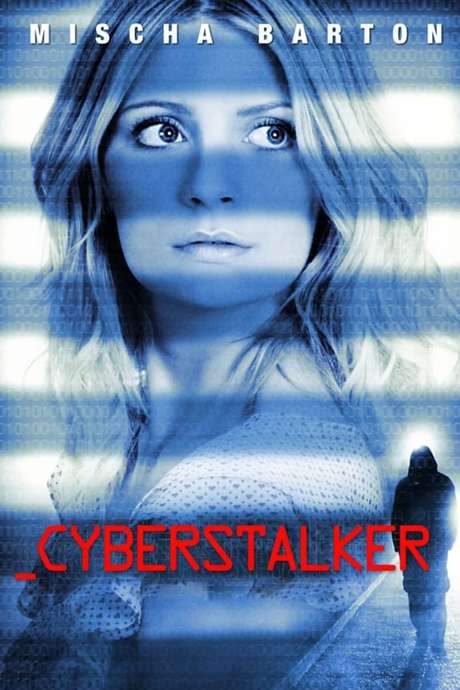
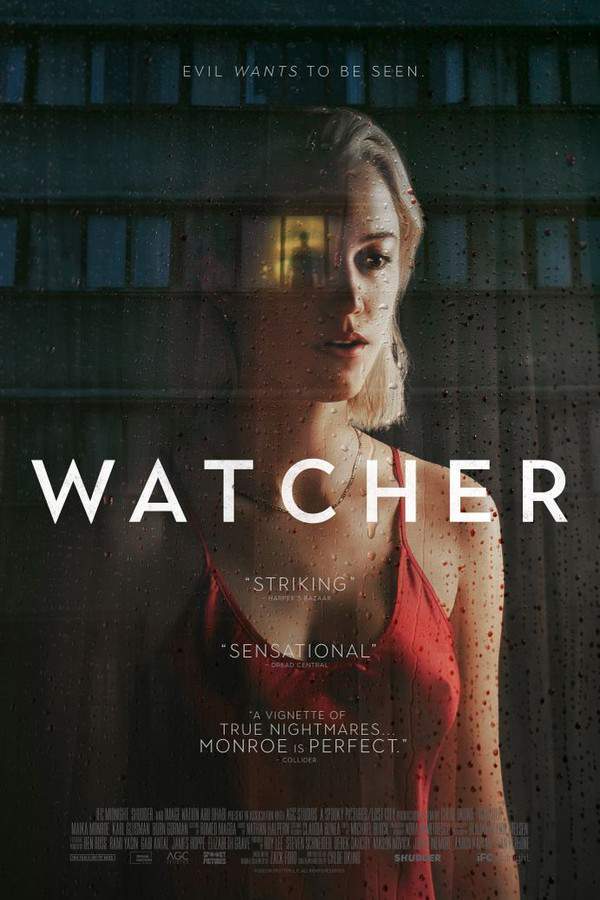
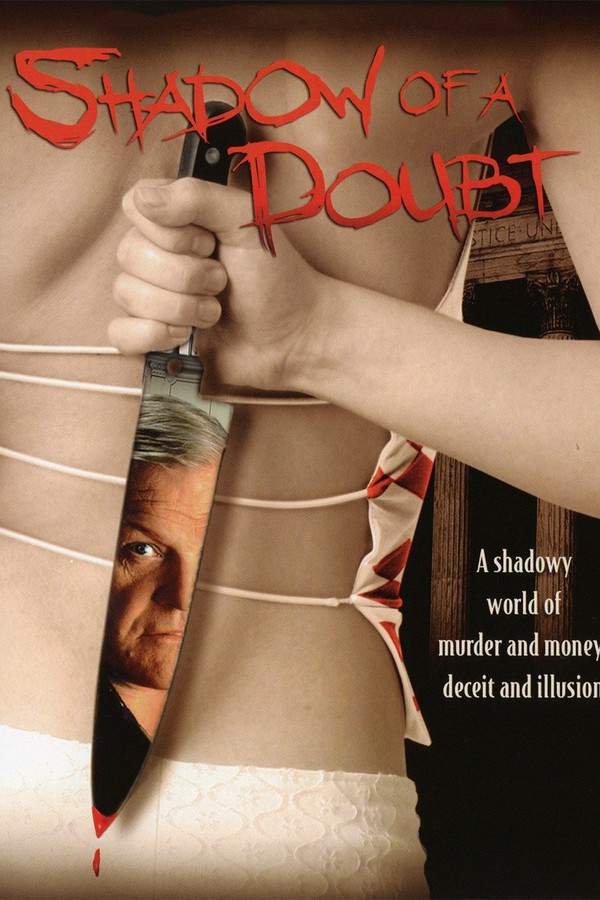
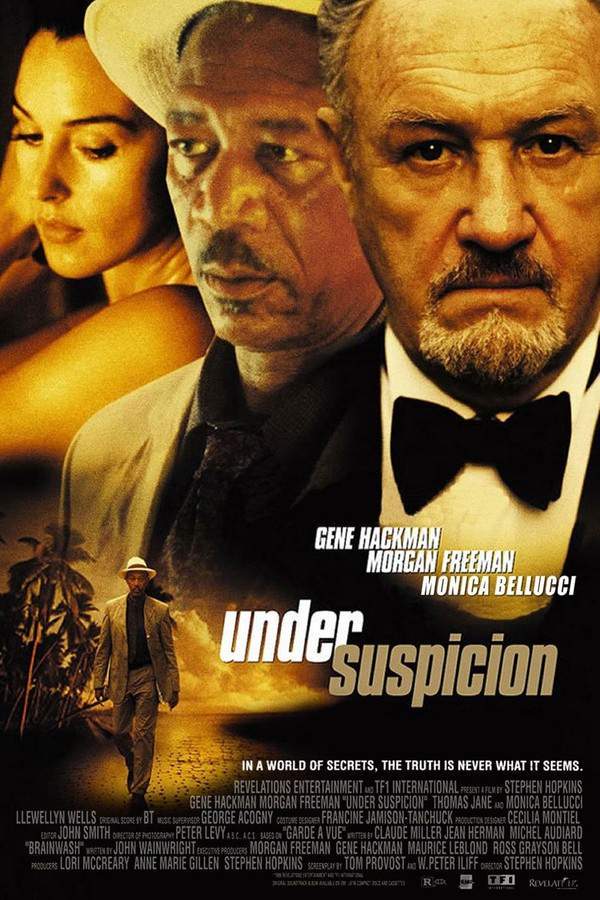
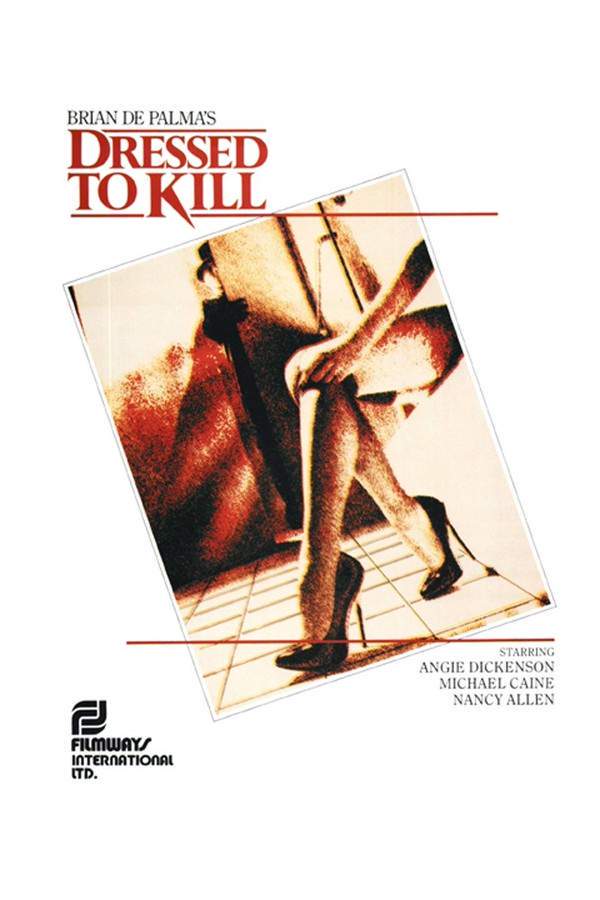
David Lamont, Marc Blucas, is a successful literary agent in New York City whose reputation for ruthlessness spans friends, rivals, and clients alike. He moves into a sleek, high-rise penthouse that promises total control and a private sanctuary from the city’s constant bustle. At once, the new residence seems to offer him the power and prestige he’s always sought, until he encounters his enigmatic neighbor on the third floor, Audrey Levine, Reiko Aylesworth. She radiates a quiet, unsettling allure that only deepens the air of mystery surrounding the building and its inhabitants.
Not long after the move, a shadowy intrusion disrupts the fragile calm of his new life. A pair of visitors arrives—an investigator and a man who insists the penthouse belongs to his father, who apparently never sold it. David insists on the legitimacy of his ownership, pointing to his solid paperwork and the existence of a lawyer who can settle any dispute, but the tension in the air thickens nonetheless. The encounter leaves him unsettled, and the sense that something is very wrong begins to creep into every room.
Within days, the unease blossoms into something far more menacing. The first package delivered to his door contains photographs of violent crimes, all seemingly taken inside his own apartment. The frightening accuracy of the images suggests that someone has intimate, invasive access to his life. As the days pass, the deliveries grow bolder and more foreboding, culminating in DVDs that capture David’s movements in real time, as if an unseen observer is tracking his every action. The feeling of safety evaporates, replaced by a cold realization: someone is watching, waiting, and perhaps living in the space with him.
Desperation pushes David to seek help from trusted colleagues and professionals. He turns to his workplace ally, Rebecca Fay, Shiri Appleby, whose steadiness offers a counterweight to his spiraling anxiety. Together they recruit a seasoned private investigator, Detective Martin Soll, John Bedford Lloyd, whose experience with dangerous, elusive cases begins to peel back the layers of this unsettling puzzle. As the investigation unfolds, the pair uncover clues that point to a buried, darker history attached to the building itself, hinting at a chain of brutal murders that shadow the penthouse long before David ever moved in.
The revelation shifts the mood from mere fear to a creeping paranoia that colors every interaction. David finds himself doubting almost everyone around him, from his closest colleagues to the neighbors who seem almost too perfect in their manners. The suspense intensifies as he and his team uncover more signs of intrusion—hidden cameras, clues that someone has been living undetected in the apartment, and a growing sense that danger is not an external threat but something deeply personal and intimate.
As the investigation deepens, the boundaries between reality and perception blur. David’s mental state shows signs of strain as the pressure of relentless surveillance gnaws at his sense of self and his grip on truth. The penthouse, once a symbol of control and achievement, becomes a fortress of fear, a place where every sound, shadow, and creak could signal danger. The story builds toward a climactic confrontation that forces the truth into the light, revealing the stalker’s identity and motives in a way that reframes everything that has come before.
In the final reckoning, the film delivers a tense, twist-filled conclusion that stays true to its core premise: an intimate invasion of privacy, a fight to reclaim safety, and the unsettling reminder that the line between protection and peril can be paper-thin. The revelation of the stalker’s true identity and their underlying motives brings the narrative to a dramatic close, offering a resolution that feels earned, even as it lingers with the unsettling memories of a man who learned that a home can become the perfect stage for fear.