Plot Explained Spoilers guaranteed!
Plot Explained

Browse by genre

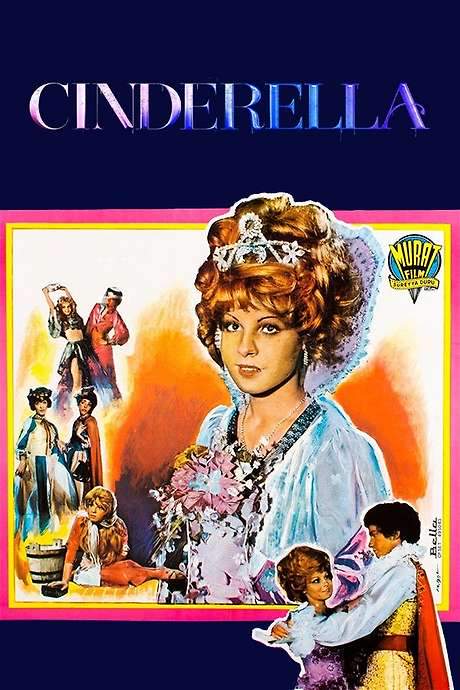
Cinderella (1971) movie poster

Plot Summary

Cinderella (1971) Plot Summary Explained

Release, runtime and language
1971 · 78 mins · Turkish
Directed by
Süreyya Duru
Starring
Suna Selen, Hikmet Gül, Reşit Çıldam, Sinan Ecer, Seden Kızıltunç, Gani Dede

A prince, haunted by a dream of a woman, declares a kingdom‑wide ball to find her. Cinderella, whose mother died and whose father remarried a widow with two daughters before also passing away, endures a stepmother and stepsisters who force her into endless chores. Barred from the ball, her friends help her attend and chase the prince’s love.

On this page (5)
  1. 1 What happens: full plot
  2. 2 Plot questions answered
  3. 3 Movie threads
  4. 4 Movies like Cinderella
  5. 5 Every angle

Full plot summary · contains spoilers

What Happens in Cinderella: Full Plot Summary

The whole story of Cinderella (1971) explained, from the opening scene to the final frame: every key event, every twist and what it all adds up to. Read it as a quick recap before the sequel, to check a scene you missed, or to finally understand what really happened.

James J. Braddock, an Irish-American boxer from New Jersey, had once been a promising light heavyweight contender. However, his career was abruptly halted when he broke his hand during a match. This injury was both a relief and a heavy burden for his wife, Mae, who found it difficult to watch the violence inherent in his profession but understood that without boxing, they would struggle to make ends meet.

As the Great Depression gripped the United States, Braddock found himself taking on manual labor jobs, working as a longshoreman to support his family despite his injured hand. His employment was inconsistent, and money was tight. One day, thanks to a last-minute cancellation by another boxer, Hikmet Gül, Braddock received an unexpected chance from his longtime manager and friend, Suna Selen, Joe Gould. Gould offered him an opportunity to fight temporarily, with the reward being a much-needed payday. The opponent was Corn Griffin, who was ranked as the number-two contender in the world.

In what many considered an improbable victory, Braddock stunned the boxing world by knocking out Griffin in just the third round. This unexpected win sparked hope that maybe, with a renewed sense of skill—especially as his injury forced him to become more adept with his left hand—Braddock could still compete at a high level. Despite Mae's objections, Braddock decided to take Gould's offer to venture back into the ring. Initially resenting Gould’s perceived exploitation of his family's plight, Mae's perspective shifted as she learned that Gould and his wife, Seden Kızıltunç, were also enduring hardships during these difficult times.

Braddock's resilience kept him winning against notable opponents like John Henry Lewis and Art Lasky, which put him on the path to a major fight against Max Baer for the heavyweight championship. Braddock entered this bout as a massive underdog, with odds stacked against him at 10 to 1. The promoters, especially Gani Dede, were wary of Baer’s reputation for brutality, as Baer had previously been accused of killing two men in the ring, Frankie Campbell and Ernie Schaaf. To prepare for the fight, Braddock and Gould were shown a film of Baer in action, as a warning of the opponent’s ferocity.

Braddock faced Baer with unwavering courage. Baer attempted to intimidate him both in and out of the ring, even taunting Mae publicly that her husband might not survive the fight. Her fiery response was to throw a drink at Baer when he made this cruel remark. The night of the match was tense for Mae too; she was so emotional that she couldn't bring herself to attend the historic fight at Madison Square Garden Bowl or even listen to it on the radio.

On June 13, 1935, in what is now considered one of the greatest upsets in boxing history, James J. Braddock defeated Max Baer, who was seen as invincible, to become the heavyweight champion of the world. This victory was more than just a sporting achievement; it became a symbol of hope and perseverance for a nation suffering through the dire economic times of the Great Depression.

The story didn't end with his crowning victory. An epilogue reveals that Braddock lost his title later to Joe Louis, a future legendary heavyweight. Despite losing the championship, Braddock continued to work hard, spending his post-boxing years building the Verrazzano Bridge and operating heavy machinery on the docks. He and Mae used the earnings from his boxing career to buy a house where they shared their remaining years. Throughout his life, Braddock remained a symbol of resilience and determination—qualities that endeared him to the American public, who saw in his story their own struggles and hopes for a better future.
Last updated: August 19, 2025 at 05:14

Was this helpful?

Plot questions answered

Cinderella Plot Explained: Your Questions Answered

The questions people ask most about Cinderella (1971): what happens in the confusing scenes, why the characters do what they do, the twists, hidden details and what the ending means. Each answer contains spoilers.

Q1

Why did James Braddock decide to return to boxing after his hand injury?

Braddock returned to boxing primarily because of severe financial hardship during the Great Depression. After his hand injury ended his promising boxing career, he struggled to support his family as a longshoreman with inconsistent work and minimal pay. When his manager Joe Gould offered him a last-minute fight opportunity against Corn Griffin, Braddock saw it as a chance to earn much-needed money for his family, despite the risks involved.

Foreshadowing: Earlier, his wife Mae had expressed relief that his boxing injury meant he would no longer face violence in the ring, but the family's financial struggles ultimately forced him back.

  • james braddock
  • boxing comeback
  • great depression
  • financial hardship
  • joe gould
Q2

How did Braddock manage to knock out Corn Griffin when he was an underdog?

Braddock knocked out Corn Griffin, the number-two contender in the world, in just the third round in what many considered an improbable victory. The injury that ended his previous career had forced him to become more adept with his left hand, giving him an unexpected technical advantage. This victory stunned the boxing world and sparked hope that Braddock could still compete at a high level despite his rust and physical limitations.

Foreshadowing: The unexpected win demonstrated that Braddock's adversity had actually sharpened his skills, setting the stage for his improbable comeback.

  • corn griffin
  • knockout
  • underdog victory
  • cinderella man
  • boxing upset
Q3

Why was the fight against Max Baer considered particularly dangerous?

Max Baer had a notorious reputation for brutality in the ring. He had previously been accused of killing two men during fights, Frankie Campbell and Ernie Schaaf. The promoters showed Braddock and his manager Joe Gould footage of Baer's previous fights specifically as a warning about his ferocity and dangerous fighting style. This made the championship bout even more terrifying for Braddock's family.

Foreshadowing: Earlier in the timeline, Braddock's victories against other fighters were framed as building toward this ultimate test of courage against boxing's most dangerous champion.

  • max baer
  • dangerous fight
  • boxing violence
  • championship bout
  • ring deaths
Q4

Why didn't Mae attend the fight against Max Baer?

Mae Braddock was so emotional and anxious about her husband's safety that she couldn't bring herself to attend the historic fight at Madison Square Garden Bowl or even listen to it on the radio. The build-up to the fight had been terrifying, Max Baer had publicly taunted her, suggesting her husband might not survive the match, which deeply upset her and made her fear the worst.

Foreshadowing: Earlier, Mae had thrown a drink at Baer when he made this cruel remark about her husband possibly dying, showing her fierce protection of Braddock despite her fear.

  • mae braddock
  • max baer
  • emotional stress
  • championship fight
  • madison square garden
Q5

Why was Braddock considered a 10 to 1 underdog against Max Baer?

Braddock entered the championship fight as a massive 10 to 1 underdog because Max Baer was seen as virtually invincible. Baer was the reigning heavyweight champion with a fearsome reputation, while Braddock was a relatively unknown fighter who had barely fought in years and was working manual labor jobs. The odds reflected the boxing world's belief that Baer would easily defeat the rusty challenger.

Foreshadowing: This extreme underdog status made his eventual victory one of the greatest upsets in boxing history, embodying the 'Cinderella' story that sportswriters would later nickname him.

  • underdog
  • max baer
  • championship odds
  • cinderella man
  • boxing upset
Q6

Why did Braddock lose his heavyweight title to Joe Louis?

After defeating Max Baer in 1935, Braddock eventually lost his heavyweight championship to Joe Louis, who would go on to become one of the greatest heavyweight boxers in history. While the summary doesn't detail the specific fight, Joe Louis was an exceptionally skilled and dominant fighter who defeated many champions. The loss was part of boxing history, though it didn't diminish Braddock's legacy as a symbol of perseverance.

Foreshadowing: The epilogue notes this loss as a natural part of boxing succession, with Joe Louis representing the next generation of heavyweight champions.

  • joe louis
  • heavyweight title
  • loss
  • boxing champion
  • cinderella man
Q7

What did James Braddock do after his boxing career ended?

After losing his heavyweight title to Joe Louis, Braddock continued working hard just as he always had. He spent his post-boxing years building the Verrazzano Bridge and operating heavy machinery on the docks. He and Mae used the earnings from his boxing career to buy a house, finally achieving the stability and security they had struggled for throughout the Great Depression.

Foreshadowing: This humble continuation reflected the same resilience that had carried him through his boxing career, he found dignity in hard work rather than resting on his championship laurels.

  • verrazzano bridge
  • post-boxing life
  • hard work
  • family
  • stability
Q8

Why is James Braddock called 'The Cinderella Man'?

Sportswriter Damon Runyon dubbed Braddock 'The Cinderella Man' because his story embodied a classic rags-to-riches tale. He had fallen from promising contender to struggling laborer during the Great Depression, then made an improbable comeback to become heavyweight champion against all odds. The nickname captured how Braddock went from poverty and obscurity to glory, much like the fairy tale character.

Foreshadowing: The nickname reflected the public's perception of his journey from manual laborer to champion as a real-life fairy tale of perseverance.

  • cinderella man
  • nickname
  • damsel runyon
  • rags to riches
  • boxing legend
Q9

What happened to Braddock's hand that ended his boxing career?

Braddock broke his hand during a match, which abruptly halted his promising light heavyweight career. This injury was both a relief and a heavy burden for his wife Mae, she found it difficult to watch the violence inherent in his profession but understood that without boxing, they would struggle to make ends meet. The injury forced him into manual labor as a longshoreman during the Great Depression.

Foreshadowing: This injury, which seemed like the end of his career, ultimately became the unexpected foundation of his later success by forcing him to become more skilled with his left hand.

  • hand injury
  • boxing career
  • light heavyweight
  • recovery
  • longshoreman
Q10

Why did Max Baer publicly taunt Mae Braddock before the fight?

Max Baer attempted to intimidate Braddock both in and out of the ring as part of his psychological warfare strategy. He publicly taunted Mae, cruelly suggesting that her husband might not survive the fight. This was a deliberate tactic to destabilize Braddock emotionally before the championship match. Mae responded by throwing a drink at Baer when he made this remark, demonstrating her fierce defiance despite her fear.

Foreshadowing: This public confrontation heightened the emotional stakes of the fight, making Braddock's eventual victory even more satisfying as a triumph over both a formidable opponent and his intimidation tactics.

  • max baer
  • intimidation
  • psychological warfare
  • mae braddock
  • taunts
Q11

What did Braddock's 1935 victory over Max Baer represent?

Braddock's victory over Max Baer on June 13, 1935, is now considered one of the greatest upsets in boxing history. More than just a sporting achievement, it became a symbol of hope and perseverance for a nation suffering through the dire economic times of the Great Depression. His improbable triumph resonated with everyday Americans who saw in his story their own struggles and hopes for a better future.

Foreshadowing: The victory fulfilled the narrative arc of hope that had been building throughout Braddock's comeback, transforming his personal struggle into a national inspirational story.

  • great depression
  • national hope
  • historic upset
  • 1935
  • american story
Q12

Why did Joe Gould offer Braddock a fight opportunity despite his years away from boxing?

Joe Gould was Braddock's longtime manager and friend who believed in his remaining ability. When another boxer cancelled at the last minute, Gould saw an opportunity to give Braddock a much-needed payday during the desperate economic times. Initially, Mae resented what she perceived as Gould exploiting their family's plight, but she later learned that Gould and his wife were also enduring hardships during the Great Depression, revealing Gould's genuine friendship rather than exploitation.

Foreshadowing: Gould's belief in Braddock proved justified when the fighter knocked out Corn Griffin, launching the improbable comeback that would make boxing history.

  • joe gould
  • manager
  • fight opportunity
  • friendship
  • support

Movie threads

More Movies Like Cinderella, by Mood & Story

Curated lists built around what makes Cinderella tick: the same mood, the same kind of story or the same emotional payoff. Each list explains why these movies belong together.

Grim Fairytales with a Hopeful Heart like Cinderella

Stories where magical hope triumphs over a dark and oppressive reality. Explore movies like Cinderella that weave magical hope into dark, oppressive worlds. If you enjoyed the blend of grim hardship and fantastical triumph in Cinderella, you'll find similar stories of underdogs finding light through magic, destiny, and unwavering kindness.

  • hopeful
  • grim
  • magical
  • oppressive
  • triumphant
  • bittersweet
  • Tone: hopeful, grim
  • Pacing: steady, deliberate
Why these movies?

The story pattern: The narrative follows an underdog protagonist trapped in a bleak situation, often defined by family strife or social injustice. A magical intervention, typically a chance event or benevolent force, provides a temporary escape and a shot at a better life. The journey is fraught with tension, but the core is a steadfast belief in goodness prevailing, leading to an emotionally satisfying, if not perfectly happy, ending.

Why they belong together: These films share a unique emotional mix: the weight of a grim setting balanced by the lightness of magical hope. The tone is consistently hopeful despite dark themes, the pacing is steady as it builds towards a transformative moment, and the intensity comes from the high stakes of the protagonist's escape from their oppressive world.

Bittersweet Journeys of Resilience like Cinderella

Emotional stories where overcoming great hardship comes with a personal cost. Find movies similar to Cinderella that focus on the heavy cost of resilience. If you were moved by Cinderella's enduring spirit and her bittersweet victory, these stories explore characters who survive great hardship, their triumphs forever marked by the sacrifices they made.

  • bittersweet
  • inspiring
  • tense
  • anxious
  • triumphant
  • heavy
  • Tone: hopeful, bittersweet
  • Pacing: steady, chronological
Why these movies?

The story pattern: The narrative arc is defined by a protagonist enduring significant emotional or physical hardship—poverty, loss, or servitude. Their journey is a linear climb out of despair, fueled by sheer perseverance. The climax brings a well-earned victory, but the resolution acknowledges what was lost along the way, creating an ending that is triumphant yet deeply poignant.

Why they belong together: These films are united by their heavy emotional weight and a consistent tone that balances hope with the sobering reality of struggle. They share a steady, focused pacing that builds empathy for the protagonist's plight, leading to a climax that feels earned but is ultimately bittersweet, reflecting the complexity of true resilience.

If you liked this

Movies Like Cinderella

Similar movies to Cinderella: the same genre, themes or kind of story. Each one comes with its own plot summary, timeline and ending explained.

Browse all movie summaries

Every angle

Cinderella (1971) Explained: Plot, Timeline & Characters

Everything about Cinderella in one place: what happens in the plot summary, the timeline in chronological order, the characters and meaning and a spoiler-free summary. What's After the Movie adds the cast, box office and post-credit scenes.

Coming soon on iOS and Android

The Plot Explained Movie Summary App

Plot summaries, endings explained and timelines on your phone. Catch up on any movie in minutes, save your favorites and never miss a twist again.

Be the first to know when we launch. Your email stays private, always.

Learn more about the app