Plot Explained Spoilers guaranteed!
Plot Explained

Browse by genre

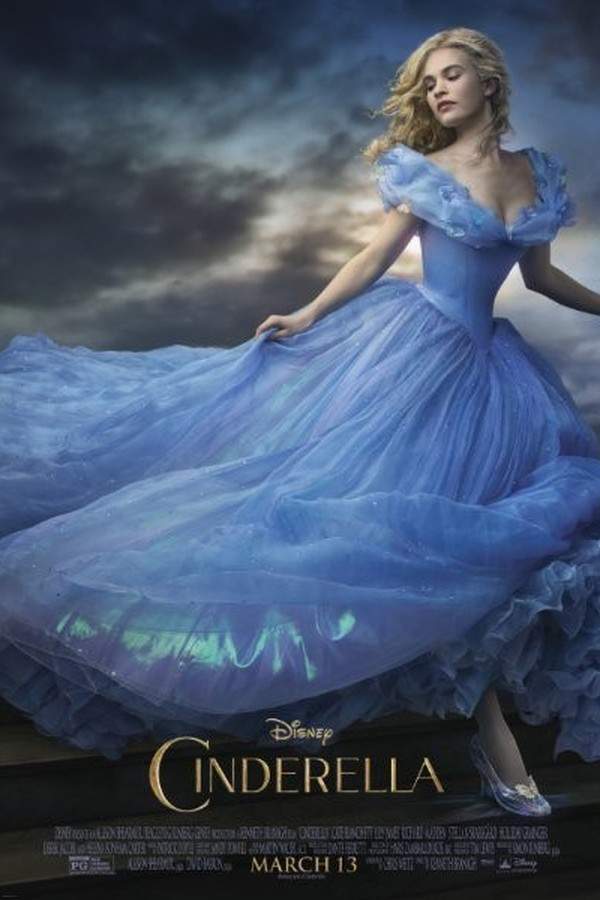
Cinderella (2015) movie poster

Plot Summary

Cinderella (2015) Plot Summary & Ending Explained

Release, runtime and language
2015 · 105 min · English
JustWatch #32,435 1
Directed by
Kenneth Branagh
Starring
Lily James
Budget
$95M

After the death of her mother and her father’s subsequent marriage, young Ella finds her life irrevocably changed. Forced into servitude by her stepmother and two stepsisters, she endures hardship and cruelty while clinging to her kindness and hope. When a royal ball is announced, Ella dreams of attending, and with a little magic, her wish comes true. There, she meets a charming prince, but must flee before her true identity is revealed, leaving behind only a lost slipper.

On this page (8)
  1. 1 Where to watch
  2. 2 What happens: full plot
  3. 3 Plot questions answered
  4. 4 How it ends
  5. 5 The book behind the movie
  6. 6 Movie threads
  7. 7 Movies like Cinderella
  8. 8 Every angle

Where to watch

Where to Watch Cinderella (2015)

Where can you watch Cinderella? Stream, rent or buy it in the US, including on Disney Plus, Amazon Video and Apple TV Store: current JustWatch availability with up-to-date prices.

Streaming availability powered by JustWatch

Full plot summary · contains spoilers

What Happens in Cinderella: Full Plot Summary

The whole story of Cinderella (2015) explained, from the opening scene to the final frame: every key event, every twist and what it all adds up to. Read it as a quick recap before the sequel, to check a scene you missed, or to finally understand what really happened.

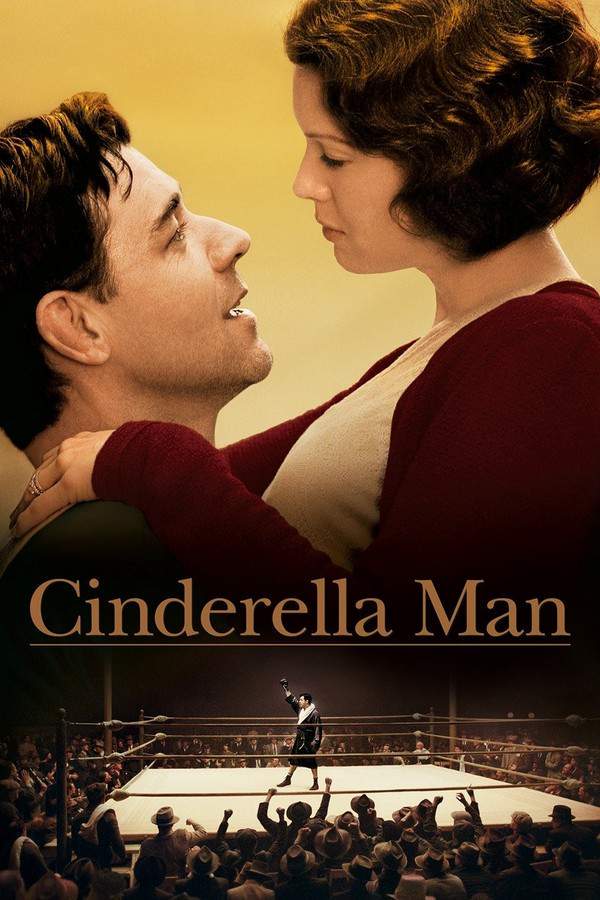
James J. Braddock, an Irish-American boxer hailing from New Jersey, once stood as a light heavyweight contender. However, after suffering a career-ending hand injury in the ring, he is compelled to abandon his boxing dreams. This turn of events brings mixed emotions to his wife, [Mae](lily-james); she is relieved to see him step away from the violent sport yet knows that their financial stability hinges on his ability to fight.

As the Great Depression unfolds, Braddock takes on grueling manual labor as a longshoreman to support their family, enduring the challenges of employment with his injured hand. Opportunities are scarce, and just when hope seems dim, a fortunate twist occurs. A last-minute cancellation from another fighter leads his longtime manager and friend, Joe Gould, to propose a one-night opportunity to earn much-needed cash. The bout is against the formidable Corn Griffin, the number-two contender in boxing.

In a stunning display of determination, Braddock shocks both boxing pundits and fans alike, achieving a remarkable third-round knockout of Griffin. This victory instills in him a renewed confidence; he believes that, despite the loss of function in his right hand, he has honed his skills with his left. Despite Mae's palpable objections to his return, Braddock cannot resist the call of the ring. Mae initially harbors resentment towards Gould, seeing his encouragement as a profit-driven scheme, until she learns that Gould’s own family is equally mired in hardship.

With each fight, Braddock inches closer to a possible shot at the heavyweight championship ruled by Max Baer. Driven by pride, he decides to reimburse the money he received from the government during his unemployment spells from his winnings. As his inspiring journey captures the public's imagination, the writer Damon Runyon coins the term "The Cinderella Man," symbolizing Braddock as a beacon of hope amidst the nationwide struggles.

After impressive victories over John Henry Lewis and Art Lasky, a title fight against Baer looms. Facing overwhelming odds as a 10-to-1 underdog, Braddock exhibits unwavering courage. Baer's reputation for destruction precedes him; the fight's promoter, James Johnston, insists that both Braddock and Gould watch footage of Baer’s past matches, to underscore the real danger that lies ahead, highlighting Baer’s history of fatal matches in the ring.

Unfazed by the intimidation tactics employed by the arrogant Baer, who even mocks Mae publicly, Braddock remains resolute. Mae, incensed by the blatant disrespect, retaliates by throwing a drink at him, yet she ultimately cannot bear to watch the fight at Madison Square Garden or even listen to the live broadcast.

On June 13, 1935, Braddock achieves what many deem one of the greatest upsets in boxing legend, defeating the seemingly unbeatable Baer to clinch the heavyweight championship title.

In a poignant epilogue, we learn that Braddock eventually loses his title to Joe Louis, who later reflects on Braddock's bravery, calling him "the most courageous man I ever fought." After his boxing career, Braddock finds stability by working on the construction of the Verrazzano Bridge, operating heavy machinery on the docks, and he and Mae finally purchase a house, where they will cherish their life together for years to come.
Last updated: November 16, 2024 at 19:05

Was this helpful?

Plot questions answered

Cinderella Plot Explained: Your Questions Answered

The questions people ask most about Cinderella (2015): what happens in the confusing scenes, why the characters do what they do, the twists, hidden details and what the ending means. Each answer contains spoilers.

Q1

Why did Braddock return to boxing after his career-ending injury?

Braddock returned to boxing primarily because of extreme financial hardship during the Great Depression. After his hand injury ended his boxing career, he worked grueling manual labor as a longshoreman, but opportunities were scarce and his family struggled to survive. When his manager Joe Gould offered a last-minute fight against Corn Griffin that could earn much-needed cash, Braddock saw it as his only viable option to provide for his family.

Foreshadowing: Earlier scenes show Braddock struggling with his injured hand while doing physically demanding longshoreman work, establishing the desperate financial circumstances that push him back toward boxing.

  • james braddock
  • comeback
  • injury
  • great depression
  • financial struggle
Q2

Why was Braddock's victory over Corn Griffin so important?

The victory over Corn Griffin was significant because it was completely unexpected and earned Braddock a much-needed substantial purse. Griffin was the number-two contender in boxing, and Braddock knocked him out in the third round despite having a permanently damaged right hand. This win convinced Braddock that he could still compete at a high level and motivated him to pursue a shot at the heavyweight championship.

Foreshadowing: The fight was arranged as a last-minute opportunity when another fighter cancelled, highlighting how unlikely this comeback story was.

  • corn griffin
  • knockout
  • upset
  • contender
  • title shot
Q3

Why did Mae initially resent Joe Gould?

Mae resented Joe Gould initially because she believed he was encouraging Braddock to return to boxing purely for profit and financial gain, seeing his motivation as self-serving. She worried about the dangers of the sport and didn't want Braddock risking further injury. However, her resentment diminished when she learned that Gould's own family was suffering from the same poverty and hardship, revealing that Gould genuinely believed in Braddock's potential.

Foreshadowing: Early in the film, Mae expresses concern about Braddock's safety and questions Gould's intentions, establishing the tension in their relationship.

  • mae braddock
  • joe gould
  • manager
  • resentment
  • trust
Q4

Why did Braddock decide to pay back the government assistance money?

Braddock decided to pay back the government unemployment money he received during his period of hardship because of his strong sense of pride and personal integrity. Once he started winning fights and earning money, he felt it was wrong to keep assistance he no longer needed. This act symbolized his commitment to responsibility and his desire to stand on his own feet, reflecting the values central to his character.

Foreshadowing: Throughout the film, Braddock is portrayed as a man of dignity who struggles with accepting charity, making his decision to repay consistent with his personality.

  • reimbursement
  • pride
  • unemployment
  • integrity
  • repayment
Q5

Why was the fight against Max Baer considered especially dangerous?

The fight against Max Baer was considered especially dangerous because Baer had a notorious reputation for violence in the ring. The fight promoter showed Braddock and Gould footage of Baer's previous matches to emphasize the real threat, as Baer had been involved in fatal matches that resulted in opponent deaths. This context made the 10-to-1 underdog fight even more terrifying for Braddock's family.

Foreshadowing: Before the title fight, the promoter specifically warns both Braddock and Gould about Baer's history, creating tension about the dangerous matchup ahead.

  • max baer
  • danger
  • fatal matches
  • heavyweight champion
  • title fight
Q6

Why did Mae throw a drink at Max Baer?

Mae threw a drink at Max Baer because he publicly mocked and disrespected her in front of everyone. Baer's arrogance and cruel mockery of Mae as part of his trash-talking strategy to intimidate Braddock crossed a personal line. Mae reacted impulsively to defend her honor, showing her strong emotional investment in her husband's career despite her earlier reservations.

Foreshadowing: Baer's arrogant demeanor and willingness to belittle opponents is established earlier, making his mockery of Mae consistent with his character.

  • max baer
  • mae braddock
  • insult
  • confrontation
  • mockery
Q7

Why did Mae choose not to watch the fight against Max Baer?

Mae chose not to watch the fight at Madison Square Garden or even listen to the live broadcast because she was deeply distressed by Max Baer's public mockery of her and overwhelmed by fear for Braddock's safety. The combination of the emotional insult and the genuine danger Baer represented made the experience too painful for her to bear witness to.

Foreshadowing: After throwing the drink at Baer, Mae is shown in a highly agitated state, indicating she cannot handle the stress of watching her husband face such a dangerous opponent.

  • mae braddock
  • anxiety
  • fear
  • support
  • boxing match
Q8

How did Braddock get the nickname "The Cinderella Man"?

Writer Damon Runyon coined the nickname "The Cinderella Man" to describe Braddock because his story embodied the classic fairy tale of an underdog rising from obscurity to triumph. Like Cinderella, Braddock went from poverty and hardship during the Great Depression to unexpected glory in the boxing ring, capturing the public's imagination as a symbol of hope during the nation's struggles.

Foreshadowing: The nickname emerges after Braddock's series of upset victories, when his inspiring journey begins to capture widespread media attention.

  • cinderella man
  • damon runyon
  • nickname
  • underdog
  • hope
Q9

Why is Braddock's 1935 victory over Max Baer considered a historic upset?

Braddock's victory over Max Baer on June 13, 1935, is considered a historic upset because Baer was the reigning heavyweight champion and Braddock faced overwhelming 10-to-1 odds against him. Most boxing experts and fans believed Braddock had no chance against the seemingly invincible champion. The win was celebrated not just as a sports triumph but as a cultural moment of hope and proof that even the most seemingly impossible circumstances could be overcome during the Great Depression.

Foreshadowing: The film's emphasis on Braddock being a 10-to-1 underdog and the widespread skepticism from boxing pundits establishes the monumental nature of this upset.

  • june 13 1935
  • upset
  • max baer
  • heavyweight championship
  • boxing legend
Q10

What happened to Braddock after he lost the heavyweight title?

After losing his title to Joe Louis, Braddock transitioned to a new life outside of boxing. He worked on the construction of the Verrazzano Bridge, operating heavy machinery on the docks, which provided stable employment. Eventually, Braddock and his wife Mae purchased a house together, achieving the personal stability and happiness they had long sought. Joe Louis himself later reflected on Braddock's bravery, calling him "the most courageous man I ever fought."

Foreshadowing: The epilogue reveals that Braddock's journey continues beyond his boxing career, showing his resilience in building a new life.

  • joe louis
  • verrazzano bridge
  • retirement
  • legacy
  • personal stability

Ending explained

What Happens at the End of Cinderella?

How Cinderella (2015) ends, in short: the final scene, the last twist and what it means for the characters. The full ending explained, with every spoiler, lives on its own page.

Read the full ending explained

In the dark and twisted version of Cinderella’s story, the film culminates in a gruesome revenge scenario. After attending the royal ball with the help of her dark fairy godmother, Cinderella is publicly humiliated and brutalized by Prince Levine, who is in cahoots with her stepmother to mock her. This heartbreaking experience pushes Cinderella to her breaking point, leading her to call on her final wish. She agrees to give her fairy godmother control over her body, warning of the irreversible consequences, and the fairy godmother transforms her into a vengeful demon.

Once possessed, Cinderella unleashes chaos at the ball, slaughtering the aristocrats with her crystal shoes—her weapon of choice—using gruesome and brutal methods. She kills her stepmother and stepsisters in painful and satisfying ways, seeking not just revenge but justice for her suffering. Even Levine succumbs to her wrath, devoured by her undead thralls. As her fury reaches its peak, Cinderella confronts her stepmother during her last moments alive, and instead of mercy, she decides that her enemy deserves death. Burning her stepmother alive, she finally frees herself from her tormentor’s grip.

Continue reading the ending (4 more paragraphs)

In the aftermath, Cinderella refuses the fairy godmother’s offer to join her as one of her undead thralls, wanting instead to forge her own path. She stabs her with the magical crystal shoes, taking control of her destiny. Her thralls, now led by her, disappear into darkness, symbolizing their new beginning and the unleashing of her unleashed rage and desire for justice, ending the story with Cinderella becoming a dark, powerful anti-hero who finally writes her own story.

In this dark and brutal retelling of Cinderella, the story ends with her unleashing her fury and taking control of her destiny. After her traumatic experience at the ball, where she’s publicly humiliated and attacked, Cinderella calls upon her dark fairy godmother to grant her one last wish, fully aware of the irreversible consequences. The goddess possesses her, transforming her into a demonic being.

With her newfound power, Cinderella begins a relentless slaughter of everyone involved in her suffering — her stepmother, stepsisters, and even Prince Levine. She uses her crystal shoes as deadly weapons, inflicting gruesome and satisfying punishment on her tormentors. As her rage and vengeance reach their climax, she confronts her stepmother in her final moments. Instead of mercy, she chooses to end her stepmother’s life permanently, burning her alive as a final act of justice.

Refusing to be bound by her fairy godmother’s offer to become one of her undead thralls, Cinderella stabs her with her magical shoes and seizes her own destiny. Her remaining thralls, now under her command, vanish into the darkness, symbolizing her rebirth as a fierce and independent force. The ending portrays Cinderella as a dark anti-hero—a person who has endured unbelievable suffering but finally takes power and justice into her own hands, rewriting her story with strength and vengeance.

Cinderella ending explained in full

Movie threads

More Movies Like Cinderella, by Mood & Story

Curated lists built around what makes Cinderella tick: the same mood, the same kind of story or the same emotional payoff. Each list explains why these movies belong together.

Inspiring Underdog Stories like Cinderella

Ordinary people achieve the extraordinary through sheer perseverance and heart. Discover movies like Cinderella that feature an underdog protagonist overcoming immense hardship. If you enjoyed the story of Ella's triumph over cruelty, you'll love these films about courage, hope, and achieving dreams against all odds.

  • underdog
  • triumphant
  • inspiring
  • hopeful
  • dramatic
  • gritty
  • Tone: hopeful, triumphant
  • Pacing: steady, building to a climax
Why these movies?

The story pattern: These narratives typically begin with the protagonist at their lowest point, oppressed by powerful forces or dire circumstances. Through a combination of inner strength, external help (like a mentor or a bit of magic), and relentless determination, they embark on a journey to confront their challenges, culminating in a public victory that validates their worth and spirit.

Why they belong together: Movies are grouped here for their shared core of hope amidst intense struggle. They deliver a cathartic emotional experience centered on perseverance, making the final victory feel earned and deeply satisfying. The tone balances heavy emotional weight with an ultimately uplifting and triumphant spirit.

Bittersweet Fantasy Movies like Cinderella

Magical journeys where happy endings are tinged with loss and change. If you liked the magical yet poignant ending of Cinderella, explore these fantasy and drama films. These stories blend wish-fulfillment with emotional depth, featuring hopeful journeys that end on a bittersweet note, much like Ella's transformation.

  • bittersweet
  • hopeful
  • magical
  • whimsical
  • transformative
  • poignant
  • Tone: hopeful, bittersweet
  • Pacing: steady, character-driven
Why these movies?

The story pattern: The narrative pattern involves a protagonist trapped in a bleak situation, often feeling powerless. A magical event or encounter provides a temporary escape and a chance at a new life, leading to a central, transformative experience. However, the return to reality or the final resolution acknowledges what was lost or left behind, creating an ending that is joyful yet reflective.

Why they belong together: These films are grouped by their unique emotional blend of whimsical fantasy and grounded human emotion. They share a tone that is fundamentally hopeful yet emotionally mature, refusing a purely saccharine conclusion. The pacing is steady, building towards a climax that delivers wonder while acknowledging the complexity of change.

If you liked this

Movies Like Cinderella

Similar movies to Cinderella: the same genre, themes or kind of story. Each one comes with its own plot summary, timeline and ending explained.

Browse all movie summaries

Every angle

Cinderella (2015) Explained: Plot, Ending, Timeline & Characters

Everything about Cinderella in one place: what happens in the plot summary, the timeline in chronological order, the characters and meaning, the ending explained and a spoiler-free summary. What's After the Movie adds the cast, box office and post-credit scenes.

Coming soon on iOS and Android

The Plot Explained Movie Summary App

Plot summaries, endings explained and timelines on your phone. Catch up on any movie in minutes, save your favorites and never miss a twist again.

Be the first to know when we launch. Your email stays private, always.

Learn more about the app