Plot Explained Spoilers guaranteed!
Plot Explained

Browse by genre

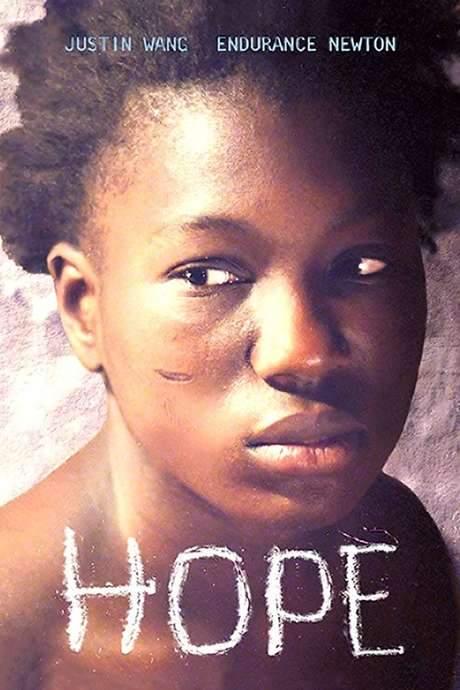
Hope (2014) movie poster

Plot Summary

Hope (2014) Plot Summary Explained

Release, runtime and language
2014 · 91 mins · French
Loading streaming availability…
Directed by
Boris Lojkine
Starring
Justin Wang, Endurance Newton

On his clandestine journey from Cameroon to Europe through the Sahara desert, Léonard meets Hope, a Nigerian girl who’s following the same dream.

On this page (5)
  1. 1 Where to watch
  2. 2 What happens: full plot
  3. 3 Plot questions answered
  4. 4 Movie threads
  5. 5 Every angle
Loading streaming availability…

Full plot summary · contains spoilers

What Happens in Hope: Full Plot Summary

The whole story of Hope (2014) explained, from the opening scene to the final frame: every key event, every twist and what it all adds up to. Read it as a quick recap before the sequel, to check a scene you missed, or to finally understand what really happened.

So-won’s life begins in a quiet, ordinary rhythm, living with her working-class parents, Dong-hoon and Mi-hee, until a sunny school morning shatters everything. On her way to class, a male stranger named Jong-sool abducts her, leaving her body scarred by brutal violence. Miraculously, So-won survives and calls for help, but the path ahead is anything but simple. The hospital becomes a place of hard truths, where her family is confronted with the full gravity of her injuries. Medical teams explain that So-won will bear the physical aftershocks of the attack, including major surgeries and the need to wear a colostomy bag for life. As she regains consciousness, she faces the unnerving prospect of identifying her attacker and testifying in court, aided by Jung-sook, a devoted psychiatrist.

The moment the attacker is arrested at his home, the case erupts into a media frenzy, turning So-won’s hospital room into a public stage that electrifies and terrifies her family and friends. To shield So-won from the relentless glare of reporters, Dong-hoon leads her to a different room and keeps her away from the cameras. Yet the emotional toll continues to mount: So-won begins to show symptoms of post-traumatic stress, and in a heart-wrenching moment, she mistakes her own father for the attacker while he tries to help her manage her colostomy bag. The pain of that scene leaves Dong-hoon crushed, and Mi-hee’s own exhaustion deepens when she faints and is hospitalized, later learning she is pregnant. The family’s stability feels increasingly fragile, even as love threads through the crisis.

Mi-hee initially resists psychology for So-won, hoping for a return to normal life, but she changes her mind and, with Jung-sook’s support, pursues help to repair her daughter’s mind. Dong-hoon confronts financial strain, trying to keep his job while caring for So-won, and turns to his friend and manager, Gwang-sik, who recognizes the family’s hardship and steps in with both advice and money to cover medical bills. In a bid to lift So-won’s spirits, Mi-hee and her friends rent mascot costumes, hoping to spark joy. This small spark of whimsy leads Dong-hoon to a larger, more personal act: he dresses as So-won’s favorite cartoon character, Cocomong, and secretly stays close as So-won begins to trust the presence in the suit. The moment she feels a comforting hug from the masked figure is pivotal, and while the girl doesn’t know who is inside, this mysterious helper becomes a lifeline. Gradually, So-won’s physical health improves, and her family brings her home to begin healing in earnest.

Back at home, Dong-hoon doesn’t stop there; he returns to work but continues to slip into the Cocomong costume to accompany So-won on the way to and from school. The daily routine slowly rebuilds her sense of safety, and the bond between father and daughter grows stronger. The truth of the masquerade—that her father was beneath the Cocomong head all along—becomes a turning point: So-won finally looks at him clearly for the first time since the attack, and the act of seeing marks a step toward healing.

Yet the shadow of the courtroom lingers. So-won must testify against Jong-sool, and the family faces the difficult task of reliving the trauma in front of an audience of strangers. With great courage, she describes the night of the assault and identifies her attacker. The verdict offers a bitter note of injustice: Jong-sool is sentenced to twelve years in prison. Dong-hoon, overwhelmed by anger and a burning sense of loss, nearly acts on his impulse to kill, but So-won begs him to take her home instead, seeking a sense of closure that remains just out of reach. The family leaves the courtroom with fragile stitches of peace, not a complete resolution.

Time moves forward, and life continues its quiet resilience. Mi-hee gives birth to a son, So-mang, welcomed by a circle of family and supportive friends, including Jung-sook and Gwang-sik. In the closing moments, So-won explains that the struggle in her mind persists—school interruptions and lingering fears—but the arrival of her little brother bestows a renewed purpose. The family’s journey—marked by courage, care, and a father’s unseen devotion—shows how love and small acts of kindness can become a steady anchor when the road ahead remains uncertain.

Last updated: October 09, 2025 at 15:50

Was this helpful?

Plot questions answered

Hope Plot Explained: Your Questions Answered

The questions people ask most about Hope (2014): what happens in the confusing scenes, why the characters do what they do, the twists, hidden details and what the ending means. Each answer contains spoilers.

Q1

Why does So-won mistake her father for her attacker?

So-won experiences severe PTSD after the assault, which causes her to panic whenever a male figure approaches her, especially when they touch her near the area where she was injured. When her father Dong-hoon tries to help her manage her colostomy bag, she momentarily confuses him with her attacker in a traumatic flashback, screaming and rejecting his touch.

Foreshadowing: Earlier in the hospital, So-won shows signs of disorientation and heightened fear responses, foreshadowing this moment of mistaken identity.

  • PTSD
  • So-won
  • trauma
  • flashback
  • father
  • colostomy bag
Q2

Why does Dong-hoon dress as Cocomong for his daughter?

After seeing how much joy mascot costumes bring So-won, Dong-hoon decides to wear the Cocomong costume himself to secretly comfort his daughter while she recovers. He knows So-won is afraid of adult men due to her trauma, so he uses the disguise to stay close to her and help rebuild her sense of safety without triggering her fear.

Foreshadowing: The family initially rents mascot costumes to lift So-won's spirits, showing her capacity to respond to playful, non-threatening presences.

  • Dong-hoon
  • Cocomong
  • father
  • disguise
  • recovery
  • therapy
Q3

What sentence does Jong-sool receive at the trial?

Jong-sool is sentenced to twelve years in prison for his crimes. The family finds this sentence inadequate given the severity of the attack and the lifelong impact on So-won, which is why Dong-hoon becomes so overwhelmed with anger that he nearly attacks the attacker in the courtroom.

  • Jong-sool
  • trial
  • sentence
  • 12 years
  • verdict
  • courtroom
Q4

Why does Dong-hoon almost attack Jong-sool in court?

After listening to So-won testify about the brutal assault and then hearing the lenient twelve-year sentence, Dong-hoon is consumed by rage and grief. He lunges toward Jong-sool, nearly committing violence, but So-won begs him to stop and take her home instead, seeking closure that the verdict could not provide.

Foreshadowing: The buildup of Dong-hoon's frustration throughout the film, combined with the financial strain and watching his daughter's suffering, creates the emotional pressure that explodes in this moment.

  • Dong-hoon
  • Jong-sool
  • anger
  • courtroom
  • attack
  • justice
Q5

What is a colostomy bag and why does So-won need one?

A colostomy bag is a medical appliance that collects waste from the body after part of the intestine is surgically redirected through an opening in the abdomen. So-won sustained severe internal injuries during the assault that damaged her digestive system, requiring this permanent surgical alteration and lifelong use of the bag.

  • colostomy bag
  • surgery
  • injuries
  • medical
  • permanent damage
Q6

Why does So-won's mother initially refuse psychological help?

Mi-hee hopes that by avoiding psychological treatment, her daughter can simply return to a normal life and move past the trauma without being labeled or defined by it. She fears that pursuing therapy will constantly remind So-won of the attack and make her feel different.

Foreshadowing: This reluctance reflects Mi-hee's protective instincts and the family's initial denial about the depth of psychological damage the assault caused.

  • Mi-hee
  • psychology
  • therapy
  • refusal
  • normalcy
  • denial
Q7

What does the Cocomong costume represent in the film?

The Cocomong costume becomes a metaphor for unconditional parental love and protection. Dong-hoon hides his identity to reach his daughter when his presence as a man triggers her trauma. When So-won finally learns it was her father all along, it marks a pivotal moment of trust and healing, she chooses to see him clearly despite her fear.

Foreshadowing: The mascot costumes appear early as a source of joy, establishing the mechanism through which Dong-hoon can secretly care for his daughter.

  • Cocomong
  • mascot
  • trust
  • healing
  • father-daughter
  • bonding
Q8

Why does So-won ask to leave the courtroom after the verdict?

So-won realizes that continuing to stay in the courtroom will only prolong her pain and her father's suffering. By asking to go home, she takes control of her own healing process and chooses to prioritize her family's emotional well-being over pursuing further confrontation with her attacker.

Foreshadowing: Throughout the film, So-won demonstrates remarkable resilience and agency in her recovery, making this request consistent with her character development.

  • So-won
  • courtroom
  • leave
  • closure
  • home
  • emotional healing
Q9

What does the birth of So-mang represent for the family?

The birth of So-won's baby brother So-mang represents renewed hope and purpose for the entire family. While So-won admits she still struggles mentally, the arrival of a new life gives her a reason to keep fighting and signals that the family is choosing to move forward despite their trauma.

Foreshadowing: Mi-hee's pregnancy was revealed earlier in the film during her hospitalization, establishing this as a future turning point.

  • So-mang
  • baby
  • new life
  • hope
  • renewal
  • family future
Q10

Why does Jong-sool only receive a 12-year sentence?

The twelve-year sentence reflects South Korean criminal law at the time for charges of aggravated assault and sexual assault, though the film portrays this as inadequate. The lenient outcome highlights the theme that justice often fails victims, deepening the family's emotional burden.

  • sentence
  • 12 years
  • justice system
  • law
  • inadequate
  • payload

Movie threads

More Movies Like Hope, by Mood & Story

Curated lists built around what makes Hope tick: the same mood, the same kind of story or the same emotional payoff. Each list explains why these movies belong together.

Heavy Dramas That Find Hope in Hardship like Hope

Stories where characters endure extreme suffering but find strength and resilience. If you liked the powerful emotional journey of Hope, explore more movies that balance heavy themes with a resilient, hopeful core. These films feature characters facing extreme trauma or hardship, yet they focus on the strength found in family bonds and small acts of love, offering a similar bittersweet but uplifting experience.

  • heart-wrenching
  • inspiring
  • resilient
  • sobering
  • hopeful
  • painful
  • Tone: hopeful, resilient
  • Pacing: steady, methodical
Why these movies?

The story pattern: Narratives in this thread typically begin with a devastating inciting event that shatters a character's world. The story then methodically follows the arduous process of coping, healing, and seeking justice or peace. The central conflict is internal as much as external, charting a journey from despair towards a fragile, earned sense of renewal, often without a perfectly happy resolution.

Why they belong together: These movies are grouped together because they share a specific emotional mix: they are unflinching in their portrayal of pain but are fundamentally about resilience. They balance a high emotional intensity with a tone that is ultimately hopeful, creating a deeply moving and inspiring, if challenging, viewing experience.

Sobering Journeys of Survival and Injustice like Hope

Gritty, realistic stories about ordinary people fighting against overwhelming systems. Viewers seeking movies like Hope will find similar themes in these sobering dramas about survival. These films depict characters grappling with trauma, navigating complex systems like courtrooms or hospitals, and facing financial struggles, all while trying to hold their families together against overwhelming odds.

  • sobering
  • anxious
  • gritty
  • realistic
  • heart-wrenching
  • resilient
  • Tone: sobering, bittersweet
  • Pacing: steady, grounded
Why these movies?

The story pattern: The narrative pattern involves a protagonist thrust into a conflict with an impersonal or unjust system. The plot is driven by their struggle for dignity, truth, or simple survival against bureaucratic, legal, or societal forces. The journey is linear and straightforward, emphasizing the emotional and psychological toll of the battle, which often concludes with an imperfect, bittersweet resolution that feels true to life.

Why they belong together: These films share a cohesive vibe defined by their sobering realism, steady pacing, and focus on societal struggles. They connect through their depiction of weighty themes like trauma and justice, a straightforward narrative approach that grounds the drama, and an emotional tone that balances despair with moments of human connection and resilience.

Every angle

Hope (2014) Explained: Plot, Timeline & Characters

Everything about Hope in one place: what happens in the plot summary, the timeline in chronological order, the characters and meaning and a spoiler-free summary. What's After the Movie adds the cast, box office and post-credit scenes.

Coming soon on iOS and Android

The Plot Explained Movie Summary App

Plot summaries, endings explained and timelines on your phone. Catch up on any movie in minutes, save your favorites and never miss a twist again.

Be the first to know when we launch. Your email stays private, always.

Learn more about the app