Plot Explained Spoilers guaranteed!
Plot Explained

Browse by genre

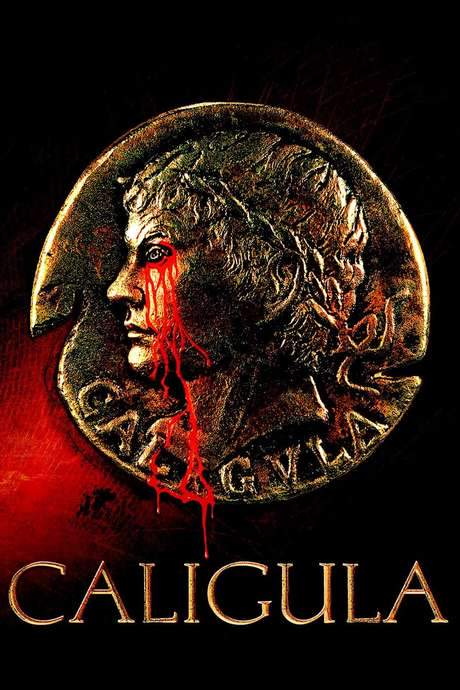
Caligula (1979) movie poster

Characters & Themes

Caligula (1979) Characters, Setting & Themes Explained

Release, runtime and language
1979 · 156 mins · Italian
Loading streaming availability…
Directed by
Tinto Brass
Starring
Helen Mirren, John Gielgud, Adriana Asti, Malcolm McDowell, Peter O'Toole, Mirella D'Angelo

With the death of the paranoid Emperor Tiberius, his heir Caligula ascends to the throne, and his unchecked authority quickly descends into a reign of violence, cruelty and unchecked excess. He drives the Roman Empire into a bloody spiral of madness and depravity, revealing how absolute power corrupts absolutely.

On this page (8)
  1. 1 Where to watch
  2. 2 Characters explained (11)
  3. 3 Where & when it takes place
  4. 4 Themes & meaning (3)
  5. 5 Character & meaning questions
  6. 6 Movie threads
  7. 7 Movies like Caligula
  8. 8 Every angle
Loading streaming availability…

11 main characters · contains spoilers

Caligula Characters Explained: Who Is Who

The main characters of Caligula (1979), heroes and villains: what drives them, how they change over the course of the story and what each of them reveals about the film's bigger ideas.

  • Caligula (Malcolm McDowell)

    From heir to emperor to megalomaniac, Caligula rises through charisma and terror. His early charm quickly gives way to volatile whims, public cruelties, and a god-complex that unsettles Rome. He relies on loyalty from allies like Longinus and Chaerea while sacrificing anyone who threatens his hold on power.

    • 👑 Power
    • 🗡️ Violence
  • Drusilla (Teresa Ann Savoy)

    Caligula's sister and lover, she exerts influence through proximity and sympathy. She supports his ascent, seeks to stabilize the dynasty, and reluctantly partners in his excesses. Her death braces Caligula and ignites a spiral of paranoia and revenge.

    • 💖 Family bond
    • 👀 Influence
  • Caesonia (Helen Mirren)

    A priestess and notorious courtesan who becomes Caligula's wife and mother to his heir. She navigates court politics with pragmatism, aligning with Caligula's ambitions while sustaining her own influence. Her presence anchors Caligula's domestic life amid public spectacle.

    • 💍 Marriage
    • 👗 Influence
  • Nerva (John Gielgud)

    Tiberius's close adviser who embodies a rational counterpoint to the emperor's depravity. His suicide underscores the peril of resisting the ruling circle and the fragility of political alliances.

    • 🧭 Politics
    • ⚖️ Authority
  • Macro (Guido Mannari)

    A former loyal Praetorian Guard chief who helps Caligula consolidate power but becomes a target of political purges. His murder marks a turning point from consolidation to brutal autocracy.

    • 🗡️ Power
    • ⚔️ Betrayal
  • Longinus (John Steiner)

    Tiberius's one-time adviser who later conspires with Chaerea to topple Caligula. He embodies the dangerous politics of the era, where influence among the elite can precipitate assassination.

    • 🧭 Influence
    • 🗡️ Conspiracy
  • Chaerea (Paolo Bonacelli)

    A key conspirator and Praetorian guard leader who joins Longinus in the plot against Caligula. His actions reveal the fragility of loyalty and the appetite for regime change within the army.

    • 🗡️ Power
    • 🕵️ Intrigue
  • Gemellus (Bruno Brive)

    Grandson of Tiberius, positioned as a manipulated witness and pawn in Caligula's downfall. His fear and vulnerability highlight the personal costs of imperial politics.

    • 👶 Heir
    • 🕊️ Vulnerability
  • Claudius (Giancarlo Badessi)

    Caligula's wary uncle who ultimately rises to the throne after the coup. His presence signals a conservative shift and the restoration of a traditional imperial line after chaos.

    • 👑 Heir
    • 🏛️ Restoration
  • Ennia (Adriana Asti)

    Macro's wife who is banished from Rome as part of Caligula's political purges. Her fate illustrates the reach of courtly power into private lives.

    • 💔 Banished
    • 🏛️ Court politics
  • Livia (Mirella D'Angelo)

    A figure from the imperial household, representing the long shadow of Rome's ruling families and the dynastic politics that color Caligula's reign.

    • 🏛️ Dynasty
    • 🕊️ Legacy

Last updated: October 05, 2025 at 08:39

Was this helpful?

Setting

Where and When Does Caligula Take Place?

The setting of Caligula (1979): the year and time period, the places and locations, and how they shape the characters, the mood and the tension of the story.

Time period

AD 37–41 CE

The events unfold in the early Roman Empire during Caligula's reign, beginning with Tiberius's decline and ending in his assassination. The period is marked by public spectacle, treachery, and rapid shifts of power as emperors consolidate authority through fear. The film tracks how quickly loyalty can fracture under obsessive rule and volatile personalities.

Location

Capri, Rome

Capri is the sun-soaked island palace where Emperor Tiberius hides in decadent excess, a fortress of pleasure and fear. The setting juxtaposes opulence with cruelty, illustrating how retreat from Rome can intensify political depravity. Rome itself is the political heart where the Senate, Praetorian Guard, and imperial households shape Caligula's brutal ascent and its collapse.

  • 🏛️ Ancient Rome
  • 🗺️ Historic setting
  • 🎭 Power plays

Last updated: October 05, 2025 at 08:39

Was this helpful?

3 major themes

Caligula Meaning: Themes & Message Explained

What is Caligula (1979) really about? The emotional, social and philosophical themes the film keeps returning to, its symbolism and the message beneath the surface.

  • Tyranny

    An unchecked ruler uses murder, purges, and public humiliation to maintain control. Caligula's ascent relies on loyalty from subordinates and fear among rivals, illustrating how personal ambition can erode institutions. The narrative portrays tyranny as both political strategy and a descent into madness.

  • Debauchery

    The emperor's appetite for sex, spectacle, and sensual power becomes a tool of influence and a distraction from governance. The palace becomes a theatre where intimacy and power intersect, revealing how sex and pleasure are weaponized in rule. These excesses destabilize the state and alienate both elites and the masses.

  • Public image

    Caligula stages ceremonies, trials, and rituals to sculpt his godlike persona. The line between performance and reality blurs as crowds, senators, and soldiers respond to his theatrics. The narrative shows how image-building can sustain tyranny even as it hides brutality.

Last updated: October 05, 2025 at 08:39

Was this helpful?

Character & theme questions

Caligula Characters & Meaning: Your Questions Answered

The questions people ask about Caligula (1979): who the characters really are, their relationships, what the symbols mean, where it takes place and what the movie is really about. Each answer contains spoilers.

Q1

Where is Caligula set?

Caligula is set primarily in two key locations: Rome, the political heart of the empire where the Senate and Praetorian Guard wield power, and the island of Capri, where Emperor Tiberius retreats into decadent excess. The contrast between these settings highlights how the retreat from political center intensified the depravity of imperial rule.

  • ancient rome
  • capri
  • roman empire
  • imperial palace
  • setting
Q2

What time period does Caligula depict?

The film depicts the early Roman Empire during AD 37-41 CE, covering Caligula's ascension after Tiberius's death and ending with his assassination. This period was marked by public spectacle, rapid political shifts, and the fragile nature of loyalty under volatile imperial rule.

  • ad 37
  • ad 41
  • roman empire
  • early empire
  • ancient rome
  • historical period
Q3

What are the main themes of Caligula?

Caligula explores three interconnected themes: Tyranny, showing how unchecked power leads to murder and political erosion; Debauchery, illustrating how sex and spectacle become tools of control that destabilize the state; and Public Image, demonstrating how rulers use ceremonies and theatrics to build godlike personas that sustain brutality.

  • tyranny
  • absolute power
  • corruption
  • debauchery
  • public image
  • themes
Q4

Who is Caligula in the movie?

Caligula is the Roman emperor who ascends from heir to a megalomaniac ruler, using charisma and terror to consolidate power. His early charm quickly gives way to volatile whims, public cruelties, and a god-complex that unsettles Rome, ultimately relying on loyal allies while sacrificing anyone who threatens his rule.

  • caligula
  • emperor
  • roman ruler
  • megalomania
  • tyrant
  • malcolm mcdowell
Q5

Who is Drusilla in Caligula?

Drusilla is Caligula's sister and lover, portrayed by Teresa Ann Savoy. She exerts influence through proximity to the emperor and seeks to stabilize the dynasty. Her support for Caligula's ascent and reluctant participation in his excesses make her a central figure in the imperial household.

  • drusilla
  • caligula sister
  • teresa ann savoy
  • incest
  • imperial family
Q6

Who is Caesonia in Caligula?

Caesonia, played by Helen Mirren, is a priestess and notorious courtesan who becomes Caligula's wife and mother to his heir. She navigates court politics with pragmatism, aligning with Caligula's ambitions while sustaining her own influence, anchoring his domestic life amid public spectacle.

  • caesonia
  • helen mirren
  • imperial wife
  • priestess
  • courtesan
Q7

What does Caligula say about absolute power?

Caligula illustrates how absolute power corrupts absolutely, showing the emperor's unchecked authority descending into violence, cruelty, and excess. The film portrays tyranny as both political strategy and descent into madness, demonstrating how personal ambition can erode Roman institutions.

  • absolute power
  • corruption
  • tyranny
  • roman empire
  • political corruption
  • power
Q8

What is the political world of Caligula?

The political world of Caligula centers on the Roman Empire's power structure, where the Senate, Praetorian Guard, and imperial household constantly vie for influence. The film shows how quickly loyalty can fracture under obsessive rule, with emperors consolidating authority through fear and violence.

  • roman senate
  • praetorian guard
  • imperial politics
  • roman government
  • conspiracy
Q9

Who is Claudius in Caligula?

Claudius is Caligula's wary uncle who ultimately rises to the throne after the assassination. His presence signals a conservative shift and the restoration of a traditional imperial line following the chaos of Caligula's reign.

  • claudius
  • emperor
  • imperial succession
  • roman emperor
  • giancarlo badessi
Q10

Who is Macro in Caligula?

Macro is the Praetorian Guard chief who helps Caligula consolidate power after ascending to the throne. His murder marks a significant turning point in the film, shifting from political consolidation to brutal autocracy as Caligula turns on his own supporters.

  • macro
  • praetorian guard
  • imperial guard
  • guido mannari
  • political purge
Q11

Who plots against Caligula?

Longinus and Chaerea, both former allies and Praetorian Guard leaders, conspire to assassinate Caligula. Their plot illustrates the dangerous politics of the era, where even those closest to the emperor can precipitate regime change. Nerva's earlier suicide also underscores the peril of resisting the ruling circle.

  • longinus
  • chaerea
  • conspiracy
  • assassination
  • roman plot
  • treason

Movie threads

More Movies Like Caligula, by Mood & Story

Curated lists built around what makes Caligula tick: the same mood, the same kind of story or the same emotional payoff. Each list explains why these movies belong together.

Stories about absolute power corrupting like in Caligula

Chilling portraits of rulers undone by the limitless authority they wield. If you were fascinated by Caligula's exploration of unlimited authority leading to moral decay, these movies offer similar journeys. Discover historical epics and intense dramas that follow rulers, leaders, and dictators as their power spirals into madness, paranoia, and tragic collapse, revealing the darkest sides of human nature.

  • oppressive
  • brutal
  • decadent
  • anxious
  • unsettling
  • tragic
  • Tone: dark, bleak, tragic
  • Pacing: steady, methodical
Why these movies?

The story pattern: The narrative typically follows a protagonist who gains near-total control, only to be consumed by it. The story is a linear or escalating descent, charting the erosion of their virtues through acts of increasing depravity, hubris, and violence, culminating in a catastrophic failure, assassination, or loss of everything they held.

Why they belong together: Movies in this thread are united by their central thematic focus on power as a corrosive agent. They share a dark, heavy tone and a steady or methodical pacing that allows the decay to feel inevitable. The emotional experience is one of bleak observation, witnessing a predictable but horrifying human tragedy unfold.

Intense movies about descent into madness like Caligula

Brutal, psychological journeys to the darkest edges of human behavior. For audiences who appreciated the unflinching bleakness of Caligula's portrayal of a mind coming apart, this collection features films with similar psychological spirals. Find movies that explore madness, depravity, and moral collapse with high intensity, dark tones, and a steady, oppressive pacing that builds to a devastating conclusion.

  • depraved
  • brutal
  • unsettling
  • anxious
  • oppressive
  • decadent
  • Tone: dark, unsettling, oppressive
  • Pacing: steady, methodical
Why these movies?

The story pattern: The narrative arc is a focused, often linear, downward trajectory. A character's psyche fractures under internal or external pressures, leading them to embrace increasingly transgressive, violent, or hedonistic acts. The world of the film often reflects this inner chaos, becoming a landscape of excess and brutality that mirrors the protagonist's disintegration.

Why they belong together: These films are grouped by their shared commitment to a bleak, high-intensity vibe and a steady pacing that methodically builds oppressive tension. The core similarity is the visceral, unsettling experience of watching a character lose their grip on reality and morality, resulting in a profoundly heavy emotional impact.

If you liked this

Movies Like Caligula

Similar movies to Caligula: the same genre, themes or kind of story. Each one comes with its own plot summary, timeline and ending explained.

Browse all movie summaries

Every angle

Caligula (1979) Explained: Plot, Timeline & Characters

Everything about Caligula in one place: what happens in the plot summary, the timeline in chronological order, the characters and meaning and a spoiler-free summary. What's After the Movie adds the cast, box office and post-credit scenes.

Coming soon on iOS and Android

The Plot Explained Movie Summary App

Plot summaries, endings explained and timelines on your phone. Catch up on any movie in minutes, save your favorites and never miss a twist again.

Be the first to know when we launch. Your email stays private, always.

Learn more about the app