Plot Explained Spoilers guaranteed!
Plot Explained

Browse by genre

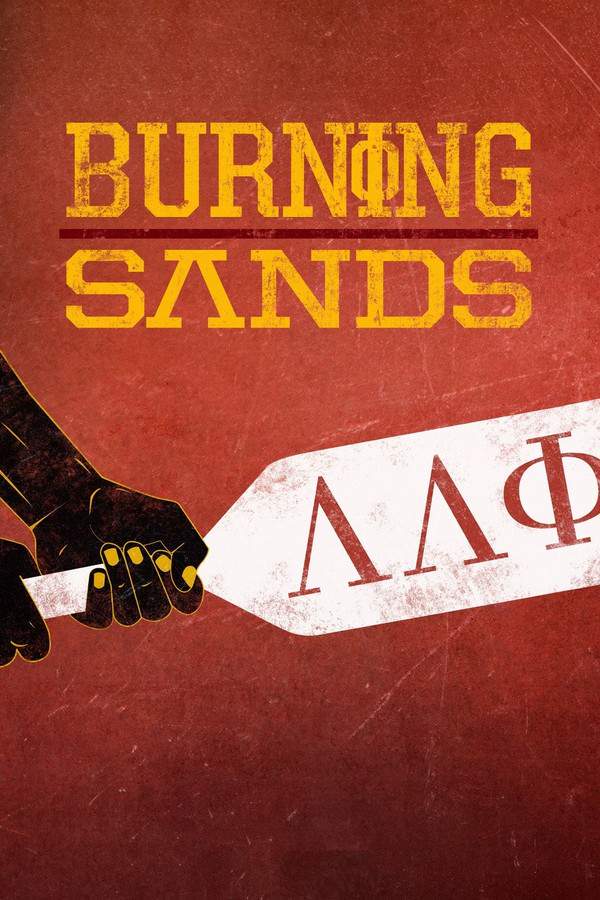
Burning Sands (2017) movie poster

Plot Summary

Burning Sands (2017) Plot Summary Explained

Release, runtime and language
2017 · 96 min · English
Loading streaming availability…
Directed by
Gerard McMurray

Zurich, a promising college freshman, finds himself at the peak of his academic career, earning respect and admiration from those around him. However, the fraternity he longs to join subjects him to a brutal and intense Hell Week initiation. As Zurich endures the increasingly dangerous trials, he uncovers a disturbing reality about the fraternity's traditions and the lengths its members will go to protect their brotherhood, forcing him to question his values and confront a dangerous web of secrets and betrayal.

On this page (5)
  1. 1 Where to watch
  2. 2 What happens: full plot
  3. 3 Plot questions answered
  4. 4 Movie threads
  5. 5 Every angle
Loading streaming availability…

Full plot summary · contains spoilers

What Happens in Burning Sands: Full Plot Summary

The whole story of Burning Sands (2017) explained, from the opening scene to the final frame: every key event, every twist and what it all adds up to. Read it as a quick recap before the sequel, to check a scene you missed, or to finally understand what really happened.

Five young men pledge Lambda Lambda Phi Fraternity at a historically Black institution, Frederick Douglass University, stepping into a tradition that tests every boundary they carry. Zurich leads the pledge class as they navigate the dual grind of campus life and the demanding, often brutal rites that unfold both on campus and inside the fraternity house. The story follows how his days in class, where he studies under an English professor named Hughes, intertwine with nights filled with parties, the attention of sorority girls, and the evolving dynamics of dating and friendship. From the outset, the pledge class is introduced to the fraternity’s brotherhood mottos, and with those mottos comes a deepening sense that they are forming a tightly knit bond that will carry them through both camaraderie and consequence.

As the new brothers settle into their roles, the atmosphere inside the fraternity house grows dense with ritual, secrecy, and a code that asks for loyalty even when the cost feels heavy. The film tracks Zurich’s internal balance between scholarly pursuits and the intense social life that membership demands, offering glimpses of how personal ambition, peer pressure, and the pressure to conform can press on a young man’s choices. The other pledges—each navigating their own hopes and fears—start to see the fraternity not just as a place of belonging but as a pressure cooker where the line between tradition and coercion can blur in dangerous ways.

Dean Richardson, an alumnus of Lambda Lambda Phi, is portrayed as a living echo of the system’s ideals, casting himself as an exemplar of what the fraternity claims to stand for. He openly presents the benefits of fraternity life and makes himself available to hear stories of pledge abuse, but he does not intervene to dismantle the culture of silence that surrounds it. The tension between public image and private realities becomes a central undercurrent, highlighting the conflict between the appearance of virtue and the consequences of unspoken rules.

One night, the hazing escalates beyond its already perilous bounds. A big brother advises the pledge class to discreetly drop off a seriously injured pledge, Frank, at the emergency room—and to do so without leaving any trace in the cameras that might expose them. The instructions tempt fate, urging secrecy over accountability. The group hesitates, then chooses to wait together at the hospital, haunted by the fear of what will be revealed and who will be blamed. A doctor later confirms the devastating outcome: Frank has died from a ruptured aorta, a consequence that jolts the room into a stark reckoning with what they’ve become entwined in.

In the aftermath, Zurich reaches for a lifeline beyond the hospital walls, calling his father on his cell phone. The conversation becomes a quiet revelation about the enduring reasons behind his father’s decision not to join the fraternity in the first place, a moment that hints at the larger, often hidden costs of loyalty and tradition. The film closes on this somber reflection, leaving Zurich and the audience to contemplate how a path chosen in the name of brotherhood can lead to tragedy, and how the echoes of that choice can shape a person long after the painful events have passed.
Last updated: February 24, 2026 at 14:20

Was this helpful?

Plot questions answered

Burning Sands Plot Explained: Your Questions Answered

The questions people ask most about Burning Sands (2017): what happens in the confusing scenes, why the characters do what they do, the twists, hidden details and what the ending means. Each answer contains spoilers.

Q1

Why did Frank die in the movie?

Frank died from a ruptured aorta caused by the brutal physical hazing he endured during Hell Week. After being seriously injured during the initiation rituals, a big brother instructed the pledges to drop him off at the emergency room discreetly without leaving camera traces. When they arrived at the hospital, a doctor confirmed Frank had died from his injuries.

  • frank death
  • hazing
  • ruptured aorta
  • hell week
  • pledge injury
Q2

Why did the pledges wait at the hospital instead of leaving?

Despite the big brother's advice to drop Frank off and leave without being seen, the pledges chose to stay together and wait for news about their brother. This decision represented a moment of collective moral reckoning, where their loyalty to each other outweighed their fear of exposure and the fraternity's code of silence.

Foreshadowing: Earlier scenes established the brotherhood mottos that emphasized loyalty to one another, setting up this choice between fraternity loyalty and self-preservation.

  • hospital scene
  • pledges
  • loyalty
  • code of silence
  • frank
Q3

Why doesn't Dean Richardson stop the hazing?

Dean Richardson presents himself as an approachable alumnus who extols fraternity virtues and invites students to report abuse, but he never actually intervenes to dismantle the culture of silence. His role highlights the disconnect between the institution's public image and its failure to protect students, demonstrating how administrators can appear supportive while remaining complicit.

Foreshadowing: From his first appearance, Richardson is framed as someone who talks about reform but is bound by the same alumni loyalty that perpetuates the system.

  • dean richardson
  • administration
  • fraternity
  • inaction
  • abuse reporting
Q4

Why did Zurich's father never join a fraternity?

During the emotional aftermath at the hospital, Zurich calls his father and learns the reason behind his father's decision not to join a fraternity. The conversation reveals the hidden costs and sacrifices his father witnessed or experienced, providing Zurich with a painful reframing of what brotherhood truly means and what loyalty can demand.

  • zurich father
  • family
  • fraternity decision
  • loyalty
  • legacy
Q5

Why was Zurich chosen as the pledge class leader?

Zurich emerged as the natural leader of the pledge class because he was academically accomplished, earned respect from his peers and professors like Hughes, and demonstrated the ability to guide his fellow pledges through the demanding rituals. His leadership position placed him at the center of every major decision during Hell Week.

Foreshadowing: Early scenes showed Zurich balancing academic success with social life, establishing his credibility and standing among his peers.

  • zurich
  • pledge leader
  • hell week
  • leadership
  • respect
Q6

What caused the hazing to escalate so dramatically?

The hazing escalated as the fraternity's rituals demanded increasingly extreme tests of loyalty and endurance. The line between tradition and coercion blurred as the pledge class progressed through their initiation, with each trial designed to test their commitment to the brotherhood above all else, including their own safety.

Foreshadowing: The fraternity mottos introduced early on emphasized brotherhood above personal limits, setting the stage for dangerous escalation.

  • hazing escalation
  • initiation
  • rituals
  • brotherhood
  • danger
Q7

What advice did the big brother give the pledges about Frank?

The big brother instructed the pledge class to discreetly drop off the seriously injured Frank at the emergency room while avoiding the cameras that could expose them. His advice prioritized protecting the fraternity from consequences over seeking immediate help for their injured brother, revealing the depth of the code of silence.

  • big brother
  • frank
  • advice
  • er drop-off
  • secrecy
Q8

What was the code of silence in Lambda Lambda Phi?

The code of silence was an unwritten rule that required fraternity members to protect each other and the organization's reputation, regardless of what happened during initiation rituals. This code prevented members from reporting abuse or seeking outside help, even when a pledge's life was at stake, ultimately contributing to Frank's death.

  • code of silence
  • secrecy
  • fraternity loyalty
  • protection
  • tradition
Q9

Why did Zurich want to join the fraternity?

Zurich was a promising college freshman at Frederick Douglass University who aspired to belong to Lambda Lambda Phi for the social connections, brotherhood, and career advantages it promised. His academic success and leadership qualities made him an ideal candidate, and he sought the respect and admiration that came with fraternity membership.

Foreshadowing: The opening scenes establish Zurich as a driven student balancing academic excellence with the desire for social belonging.

  • zurich motivation
  • fraternity membership
  • belonging
  • college
  • ambition
Q10

What disturbing reality did Zurich uncover about the fraternity?

During Hell Week, Zurich discovered that the fraternity's traditions involved dangerous rituals that could cause serious injury or death, and that the organization would go to extreme lengths to protect its members and secrets. The code of silence meant that abuse would be concealed rather than addressed, forcing him to confront the gap between the fraternity's ideals and its actual practices.

  • zurich discovery
  • secrets
  • fraternity traditions
  • abuse
  • betrayal

Movie threads

More Movies Like Burning Sands, by Mood & Story

Curated lists built around what makes Burning Sands tick: the same mood, the same kind of story or the same emotional payoff. Each list explains why these movies belong together.

Movies about Toxic Institutions like Burning Sands

Stories exposing the violent underbelly of prestigious organizations. If you were captivated by Burning Sands' unflinching look at a fraternity's dark traditions, this thread features similar movies about characters confronting the violent secrets and moral decay within prestigious organizations. These films share a tense, oppressive mood and a heavy emotional weight.

  • tense
  • oppressive
  • grim
  • suspenseful
  • anxious
  • institutional critique
  • Tone: dark, tense, oppressive
  • Pacing: steady, methodical build
Why these movies?

The story pattern: The narrative follows a protagonist who is initially drawn to an exclusive group or institution, only to be systematically broken down by its harsh initiation rituals or hidden corruption. The story builds steadily towards a climax where the protagonist must choose between conforming to the toxic groupthink or rebelling, often at great personal cost, leading to a somber or tragic realization.

Why they belong together: These films are grouped together because they create a similar feeling of claustrophobic dread and moral unease. They share a focus on the conflict between individual integrity and group loyalty, set against the backdrop of an insular world with its own dark rules. The viewing experience is characterized by high intensity, a dark tone, and a heavy emotional weight.

Moral Dilemma Dramas with Tragic Endings like Burning Sands

Character-driven stories where moral choices lead to inevitable sorrow. For viewers who appreciated the heavy moral questions and somber conclusion of Burning Sands, this thread collects similar character-driven dramas. These movies feature a steady pace, high emotional stakes, and endings that are unequivocally sad, focusing on the cost of difficult choices.

  • melancholic
  • serious
  • heavy
  • tragic
  • moral quandary
  • somber
  • Tone: dark, melancholic, serious
  • Pacing: steady, character-driven
Why these movies?

The story pattern: The plot is driven by a protagonist's escalating moral conflict, often set in motion by peer pressure, systemic injustice, or a flawed ideal. The pacing is steady, allowing the tension and emotional stakes to build methodically without relying on action. The narrative arc is ultimately tragic, emphasizing the high cost of conformity, betrayal, or a failure to act, leaving the audience with a sense of loss and sober reflection.

Why they belong together: These films are united by their shared emotional trajectory: a methodical build-up of tension around a core ethical problem, leading to a conclusion that is deeply sorrowful. They prioritize character psychology over plot twists, creating a heavy, thoughtful viewing experience defined by their bleak tone and devastating endings.

Every angle

Burning Sands (2017) Explained: Plot, Timeline & Characters

Everything about Burning Sands in one place: what happens in the plot summary, the timeline in chronological order, the characters and meaning and a spoiler-free summary. What's After the Movie adds the cast, box office and post-credit scenes.

Coming soon on iOS and Android

The Plot Explained Movie Summary App

Plot summaries, endings explained and timelines on your phone. Catch up on any movie in minutes, save your favorites and never miss a twist again.

Be the first to know when we launch. Your email stays private, always.

Learn more about the app