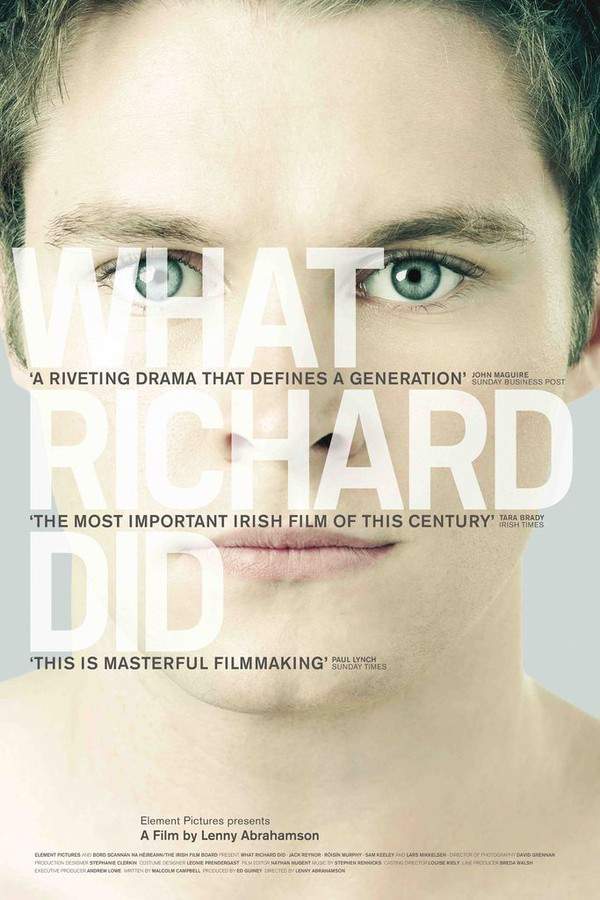
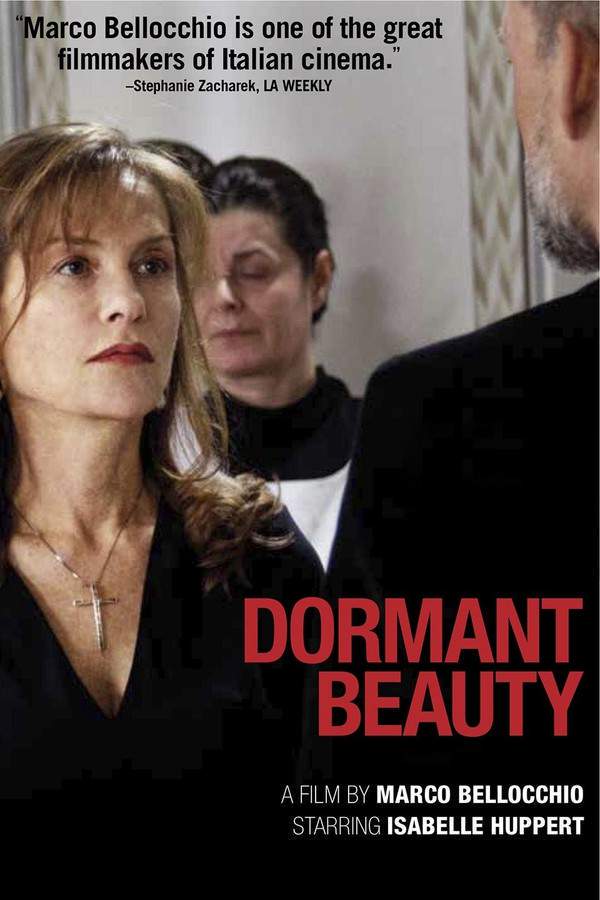
In the town of Karmack, a persistent string of fatal accidents creates a need for a Middle Man, the person who handles casualty notifications. Frank Farrelli, Pål Sverre Hagen, an unemployed man who still lives with his mother, lands the job and begins to take on that official role, stepping into a job that probes the delicate boundary between grief, duty, and the weight of responsibility.
As weeks pass with no new incidents, Frank and his best friend Steve Miller, Rossif Sutherland, head to a bar to unwind and share a rare moment of normalcy. The night turns violent when Bob Spencer, Trond Fausa Aurvåg, initiates a petty argument with Steve, delivering a blow that leaves Steve in a coma after a severe traumatic brain injury. The hospital becomes a grim backdrop for the unraveling lives around them, and the mood shifts from camaraderie to a grim calculation about what the future holds for Steve.
The morning after, Frank informs Steve’s father, Mr. Miller, Kenneth Welsh, about his son’s condition. Doctors warn of a very poor outcome, describing a prognosis that haunts the family with uncertainty and fear. Faced with the looming possibility of life supported only in the faint hope of a recovery, Frank makes a hard decision: he chooses to stop life-sustaining treatment for Steve, a choice that weighs heavily on his conscience and his sense of duty.
In a bid to hold someone responsible and perhaps to alleviate his own guilt, Frank seeks help from Arthur Clintstone, Aksel Hennie. In exchange for favors, Frank persuades Arthur to rough up Bob, convinced that this act would settle the matter and assign accountability for Steve’s death to the right person. Yet violence has a way of spiraling beyond control, and Arthur’s intervention ends in tragedy: Bob is killed, and the two men are left to deal with the consequences of a secret they were never meant to keep.
Trying to cover their tracks, Frank and Arthur move the body to Martin’s former home and set it alight, making the death appear accidental to outside observers and the authorities. The crime scene is staged, and the truth becomes murky, as pressures and loyalties pull in opposing directions. The ensuing investigation probes not only the mechanics of the fire but the moral landscape of a town that wants to believe in harmless misfortune rather than deliberate harm.
Meanwhile, the truth begins to loosen its grip on those involved. Frank’s mother, smelling the accelerant and recognizing something off about the sequence of events, confronts the unsettling reality that she may have misread or misjudged the past as well. Her confession to Frank reveals a fracture in their relationship, and she makes a harsh choice to distance herself from him: “Frank, I don’t want to have anything more to do with you.”
The story unfolds with a stark, quiet focus on how people cope with grief, guilt, and the impulse to control outcomes in the face of tragedy. It examines how ordinary choices can lead to extraordinary consequences, especially when fear and duty collide, and how a community can be pulled apart by secrets, loyalties, and the cost of trying to set things right.
> "Frank, I don’t want to have anything more to do with you."