Year: 2014
Runtime: 70 min
Language: English
In 1985, filmmaker Richard Linklater established a film screening society in Austin, Texas, with the goal of showcasing classic art-house and experimental films to a growing community of film enthusiasts and aspiring filmmakers. The Austin Film Society successfully raised funds to invite guest speakers and filmmakers, fostering a vibrant cinematic scene within the city. This documentary explores the origins and impact of the society, highlighting its role in shaping Austin’s unique film culture.
Warning: spoilers below!
Haven’t seen Double Play: James Benning and Richard Linklater yet? This summary contains major spoilers. Bookmark the page, watch the movie, and come back for the full breakdown. If you're ready, scroll on and relive the story!
Read the complete plot breakdown of Double Play: James Benning and Richard Linklater (2014), including all key story events, major twists, and the ending explained in detail. Discover what really happened, and what it all means.
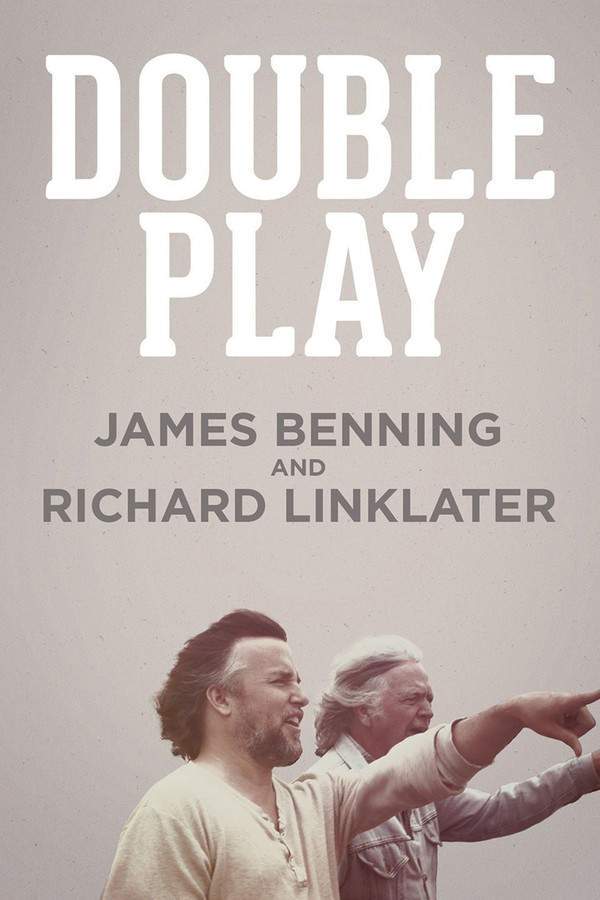
A documentary that delves into the profound friendship between acclaimed filmmakers James Benning and Richard Linklater, this film seamlessly intertwines candid conversations with a rich array of archival footage, examining both their parallels and distinctions in life and their cinematic visions.
The story begins in 1985, when Richard Linklater, a former oil rig worker, initiated a film screening society in Austin, Texas. This society aimed to showcase classic art-house and experimental films to a growing community of film enthusiasts. Eventually evolving into a nonprofit entity, the rebranded Austin Film Society was able to gather enough funding to invite prominent filmmakers, and their first guest was none other than Milwaukee's own James Benning, who had then relocated to New York.
Upon accepting the invitation, Benning met Linklater, and a genuine personal and intellectual connection blossomed between them. This encounter laid the groundwork for future screenings and multiple interactions. From the late 1960s, Benning had been crafting structural non-narrative films primarily in solitude. Meanwhile, Linklater was just stepping into the world of filmmaking, producing his initial 8 mm and 16 mm shorts. Despite their diverging career paths—Linklater experiencing significant success with big-budget narrative films following the cult achievement of Slacker (1991), while Benning chose to stay true to his modest artistic roots—the two have maintained a steadfast friendship.
This documentary, crafted by film studies professor Gabe Klinger and produced in collaboration with the legendary Andre S. Labarthe, who co-produced the notable French television series Cinema, de notre temps (Cinema of Our Time), seeks to capture the unique bond between Benning and Linklater. Over several days in Austin and Bastrop, Texas, the filmmakers present Benning's works at the Austin Film Society, engage in friendly baseball games at Linklater's residence, visit significant filming locations from the past, and share personal stories over long meals and serene hikes.
By blending this newly filmed content with comprehensive archival material, Double Play endeavors to uncover not only the similarities shared by Benning and Linklater but also the distinct differences that characterize their artistic journeys and philosophies. Through this intricate tapestry of friendship and film, viewers are invited to reflect on the expansive landscape of cinema and the enduring bonds that it can create.
Last updated: May 12, 2025 at 07:04
Explore frequently asked questions about Double Play: James Benning and Richard Linklater (2014) with spoiler-rich answers covering the full plot summary, major story beats, character motivations, hidden details, and ending meaning. This movie summary FAQ helps explain confusing scenes, plot twists, and narrative decisions in clear, searchable detail.
Linklater, then a former oil rig worker, wanted to showcase classic art-house and experimental films to a growing community of film enthusiasts and aspiring filmmakers in Austin. The goal was to foster a local community around independent and experimental cinema, which eventually evolved into the nonprofit Austin Film Society.
His interest in alternative cinema foreshadows his later diverse filmography, which would include everything from mainstream narrative films to experimental projects.
Benning first visited Austin after the Austin Film Society raised enough funds to invite him as a guest speaker. This was their first meeting, and they immediately connected both personally and intellectually, laying the groundwork for their enduring friendship.
This initial meeting in Austin would eventually lead to the documentary itself, which was filmed decades later.
Benning was invited as the first guest filmmaker because the society had raised sufficient funds to bring in prominent filmmakers. Being from Milwaukee but living in New York at the time, Benning was an established figure in experimental cinema, making him an ideal first guest to introduce Austin audiences to art-house films.
Inviting an established experimental filmmaker like Benning set the tone for the society's commitment to showcasing non-mainstream cinema.
Despite their immediate connection, their philosophies about cinema differed significantly. Linklater achieved commercial success with Slacker in 1991, leading to bigger-budget narrative films. Benning chose to remain true to his modest artistic roots, continuing to create structural non-narrative films largely independently. Their friendship endured despite these diverging paths, demonstrating that artistic compatibility doesn't require similar career trajectories.
This divergence is central to the documentary's exploration of contrasting approaches to filmmaking.
The title Double Play refers to the dual focus of the documentary - examining both the profound friendship between Benning and Linklater while also exploring the contrasts between their respective filmmaking approaches and careers. The title suggests the interplay between two filmmakers whose paths crossed and influenced each other despite taking very different routes in cinema.
The documentary itself is a 'double play' in that it presents both new footage and archival material.
Benning has been creating structural non-narrative films since the late 1960s, focusing on experimental techniques and often working in solitude. Linklater, particularly after his breakthrough with Slacker, became known for his unique narrative style in mainstream cinema. The documentary explores how one filmmaker embraced experimental, minimalist cinema while the other achieved commercial success with narrative films, yet both maintained mutual respect.
These differences make their friendship particularly interesting - it's a meeting of opposites who share a deep appreciation for cinema.
The documentary was filmed over several days in Austin and Bastrop, Texas. Key locations include the Austin Film Society where Benning's works were presented, Linklater's residence where they played baseball, significant filming locations from their past, and various settings for meals and hikes where they shared personal stories and conversations.
Revisiting old shooting locations adds nostalgic weight to their reflections on their careers.
The documentary was directed by film studies professor Gabe Klinger and produced in collaboration with Andre S. Labarthe, who is known for co-producing the French television series Cinema de notre temps (Cinema of Our Time). The film was made with the cooperation of both Benning and Linklater.
Klinger's academic background shapes the documentary's analytical approach to examining their friendship.
The documentary combines newly filmed content with comprehensive archival material. This includes footage from Benning's earlier structural films, Linklater's early 8mm and 16mm shorts, and historical material from the Austin Film Society's early years. The blend of past and present footage creates a comprehensive portrait of their friendship and artistic evolution.
The archival material provides context for understanding who they were when they first met.
Their friendship is significant because it bridges the divide between experimental and mainstream cinema. Despite Benning's commitment to obscure, structurally experimental films and Linklater's success in narrative filmmaking, they maintained a genuine intellectual bond. This friendship demonstrates that different approaches to cinema can coexist respectfully and that the independent film community can embrace diverse artistic philosophies.
The documentary itself argues that such cross-pollination between different cinematic traditions enriches the broader film landscape.
Discover curated groups of movies connected by mood, themes, and story style. Browse collections built around emotion, atmosphere, and narrative focus to easily find films that match what you feel like watching right now.
Documentaries that capture the intellectual spark of artistic friendship.Explore movies like 'Double Play: James Benning and Richard Linklater' that delve into the bonds between creative figures. These films are for viewers who enjoy reflective documentaries about artistic process, intellectual companionship, and the slow, thoughtful exploration of what drives an artist.
These stories unfold through interviews, candid conversations, and archival materials, tracing the evolution of a creative relationship over time. The narrative is driven by dialogue and mutual reflection rather than a traditional plot, often leaving the journey open-ended.
Movies are grouped here for their shared focus on intellectual camaraderie, a calm and observational tone, and a pacing that allows for deep dives into artistic philosophy. They offer a similar reflective and low-intensity viewing experience.
Observational films that explore the birth and growth of artistic communities.Find films similar to 'Double Play: James Benning and Richard Linklater' that document the rise of local art movements and film societies. If you liked seeing how Austin's film culture grew, you'll appreciate these stories about grassroots creative communities and their impact.
The narrative follows the organic growth of a cultural hub, often starting from a small seed idea and expanding through the efforts of a dedicated few. Conflict is minimal, replaced by a focus on collective building and the nostalgic look back at a formative time and place.
These films share a nostalgic and observational mood, a light emotional weight, and a focus on setting and community as the main character. They are united by their calm depiction of how art thrives in local microcosms.
Don't stop at just watching - explore Double Play: James Benning and Richard Linklater in full detail. From the complete plot summary and scene-by-scene timeline to character breakdowns, thematic analysis, and a deep dive into the ending - every page helps you truly understand what Double Play: James Benning and Richard Linklater is all about. Plus, discover what's next after the movie.
Track the full timeline of Double Play: James Benning and Richard Linklater with every major event arranged chronologically. Perfect for decoding non-linear storytelling, flashbacks, or parallel narratives with a clear scene-by-scene breakdown.
Discover the characters, locations, and core themes that shape Double Play: James Benning and Richard Linklater. Get insights into symbolic elements, setting significance, and deeper narrative meaning - ideal for thematic analysis and movie breakdowns.
Get a quick, spoiler-free overview of Double Play: James Benning and Richard Linklater that covers the main plot points and key details without revealing any major twists or spoilers. Perfect for those who want to know what to expect before diving in.
Visit What's After the Movie to explore more about Double Play: James Benning and Richard Linklater: box office results, cast and crew info, production details, post-credit scenes, and external links - all in one place for movie fans and researchers.