Plot Explained Spoilers guaranteed!
Plot Explained

Browse by genre

Black Mirror: Bandersnatch (2018) movie poster

Timeline

Black Mirror: Bandersnatch (2018) Timeline Explained – Every Event in Order

Release, runtime and language
2018 · 90 mins · English
Echo score 73
Loading streaming availability…
Directed by
David Slade
Starring
Will Poulter, Fionn Whitehead, Rochenda Sandall, Craig Parkinson, Alice Lowe, Sandra Teles

In 1984, a young programmer begins to question reality as he adapts a dark fantasy novel into a video game. A mind-bending tale with multiple endings.

On this page (6)
  1. 1 Where to watch
  2. 2 Events in order (15)
  3. 3 Timeline questions answered
  4. 4 Movie threads
  5. 5 Movies like Black Mirror: Bandersnatch
  6. 6 Every angle
Loading streaming availability…

15 events in order · contains spoilers

Black Mirror: Bandersnatch Timeline: Events in Chronological Order

Every key event of Black Mirror: Bandersnatch (2018) in order, scene by scene, with when and where it takes place. Use it to untangle flashbacks, time jumps and parallel storylines, to refresh your memory before the sequel or to find the exact scene you are thinking of.

  1. Adapting Bandersnatch

    In July 1984, young programmer Stefan Butler begins adapting 'Bandersnatch', a choose-your-own-adventure book by Jerome F. Davies, into a revolutionary adventure game. The book belonged to his late mother, making the project deeply personal for him. His ambition is to create something truly groundbreaking for the gaming world.

    When
    July 1984
    Where
    Britain
  2. The Pitch at Tuckersoft

    Stefan pitches his game to the video game company Tuckersoft. The company is run by Mohan Thakur and employs the famous game creator Colin Ritman. During the meeting, Stefan is given the choice of accepting or rejecting the company's help in developing the game.

    When
    July 1984
    Where
    Tuckersoft
  3. The Wrong Path

    If Stefan accepts Tuckersoft's help, Colin tells him that he chose the 'wrong path'. The game is rushed out and released months later, only to be critically panned as 'designed by committee'. Stefan considers trying again, and the story loops back to the day of the original offer, presenting the same choice to the viewer once more.

  4. Working Alone Under Pressure

    After rejecting the offer, Stefan begins developing the game entirely on his own from his bedroom, with a September deadline to deliver the finished product. As the project grows more complex, it starts to consume every part of his life. The mounting stress causes him to become hostile toward his father, Peter, and his mental state begins to visibly deteriorate.

    Where
    Stefan's bedroom
  5. Therapy with Dr. Haynes

    Stefan visits the clinic of therapist Dr. R. Haynes for therapy sessions. During the sessions, he may open up about his past traumas, and Dr. Haynes prescribes him medicine to cope. The viewer is then given the choice of whether Stefan takes the medication or flushes it down the toilet.

    Where
    Dr. R. Haynes's clinic
  6. The Truth About His Mother

    Stefan reveals that when he was five years old, his father confiscated his stuffed rabbit toy. His mother was delayed by Stefan's refusal to leave without it, and the train she took derailed, killing her. Stefan has carried the guilt and felt responsible for her death ever since.

    When
    Flashback to Stefan's childhood
  7. An Invitation from Colin

    Stefan may accept an invitation to visit Colin Ritman at his flat, where the famed game creator lives with his girlfriend Kitty and their infant daughter Pearl. The visit offers Stefan a rare glimpse into the life of the developer he idolizes. It also sets the stage for one of the film's most surreal sequences.

    Where
    Colin's flat
  8. LSD and the Balcony

    The viewer can choose whether Stefan takes LSD with Colin, and even if he declines, Colin secretly spikes his tea with the drug. Colin rants about secret government mind-control programs and alternate timelines. To demonstrate his theories, he demands that Stefan choose which one of them jumps off the balcony, a decision with fatal or dreamlike consequences either way.

    Where
    Colin's flat balcony
  9. Mirroring Jerome F. Davies

    As the delivery deadline looms, Stefan begins to feel he is being controlled by outside forces. Through a book and a documentary given to him by Colin, he learns that his life is eerily mirroring that of Davies. Like the author, Stefan sees recurring imagery of a 'branching pathway' symbol, which seemingly led Davies to behead his own wife.

  10. Behind the Curtain

    As Stefan mentally breaks down, the viewer is given multiple options to explain who has been controlling him. One option reveals the meta-truth that Stefan is being watched on Netflix by a viewer in the 21st century. The viewer may also discover a locked safe containing either Stefan's old toy rabbit or documents revealing he is being monitored as part of an experiment.

  11. Confronting the Therapist

    One possible path leads Stefan to confront his therapist in a tense encounter. Following the confrontation, it may be revealed that Stefan is actually on a film set, and his 'dad' is nothing more than a fellow actor. This revelation completely upends everything Stefan believes about his own reality.

  12. Back to the Train

    In another branch, Stefan seemingly crosses through a mirror and reaches his five-year-old self. He is then faced with the choice of whether to 'die' alongside his mother in the train crash. Choosing to stay with her causes Stefan to suddenly die in the present.

  13. The Fate of Peter

    In the darkest paths, the viewer can make Stefan kill his father and then choose whether to bury or chop up the body. Burying the body leads to Stefan being jailed before the game's release. Chopping it up leads to the game's successful release, but Stefan is sent to prison shortly after, and the game is recalled and destroyed.

    Where
    Stefan's house
  14. Critical Reception and Tuckersoft's Fate

    In several endings, the viewer is shown the critical reaction to the released Bandersnatch game. The reactions and outcomes vary wildly depending on the choices made along the way, and Tuckersoft may even be driven out of business. Each path demonstrates how Stefan's decisions ripple outward to everyone connected with the game.

  15. Pearl's Legacy

    One ending concludes in the present day with an adult Pearl, now a programmer at Netflix, attempting to adapt Bandersnatch into an interactive film. The viewer chooses whether she pours tea over her computer or destroys it entirely. Either choice implies she may be heading down the same destructive path as Davies and Stefan before her.

    When
    Present day
    Where
    Netflix offices

Last updated: October 20, 2026 at 01:16

Was this helpful?

Timeline questions answered

Black Mirror: Bandersnatch Timeline Explained: Your Questions Answered

When does it happen, and why in that order? The questions people ask about the chronology of Black Mirror: Bandersnatch (2018): time jumps, flashbacks, cause and effect between scenes and the correct order of events, each answered with spoilers.

Q1

Why does Stefan blame himself for his mother's death?

Stefan carries lifelong guilt over his mother's train death because he believes his own actions caused it. When he was five, his father Peter confiscated his stuffed rabbit, and Stefan refused to leave without it, delaying his mother. The train she ended up taking derailed and killed her, and Stefan has interpreted that sequence of events as his fault ever since.

Foreshadowing: The rabbit toy reappears later as a recurring symbol, and its confiscation in the flashback is the emotional seed for Stefan's survivor's guilt.

  • stefan butler
  • mother death
  • rabbit toy
  • survivor guilt
  • train crash
  • childhood trauma
Q2

What does Colin mean when he tells Stefan he chose the 'wrong path'?

Colin Ritman is hinting at the meta-layer of Bandersnatch, suggesting that accepting Tuckersoft's corporate help will ruin Stefan's creative vision. The resulting game is rushed out, critically panned as 'designed by committee,' and Stefan is sent back in time to make the choice again. Colin's warning functions both as a creative critique and as a nod to the branching, non-linear nature of the film itself.

Foreshadowing: Colin's phrasing mirrors the interactive choice structure the viewer is navigating throughout the film.

  • colin ritman
  • wrong path
  • tuckersoft
  • designed by committee
  • branching narrative
Q3

Why does Colin spike Stefan's tea with LSD even after Stefan refuses?

Colin Ritman is obsessed with testing his theories about free will, alternate timelines, and secret mind-control programs, and he needs Stefan to experience them firsthand. Spiking the tea ensures Stefan cannot rationally decline the experiment. The drug trip is Colin's way of forcing the conversation about reality, control, and whether anyone's choices are truly their own.

Foreshadowing: Colin's rant about government control foreshadows Stefan's later paranoia that he is being directed by outside forces.

  • colin ritman
  • lsd
  • spiked tea
  • mind control
  • free will
  • alternate timelines
Q4

How does Stefan's life start mirroring Jerome F. Davies?

As Stefan's mental state deteriorates, he discovers through a book and a documentary that Davies, the original author of Bandersnatch, also suffered a breakdown. Like Davies, Stefan begins seeing a recurring 'branching pathway' symbol, and learns that Davies ultimately beheaded his own wife. Stefan interprets these parallels as proof that his fate is being scripted or repeated, blurring the line between adaptation and obsession.

Foreshadowing: Colin handing Stefan the Davies book and documentary plants the seeds of Stefan's eventual identification with the author.

  • jerome f davies
  • branching pathway
  • mirror
  • beheading
  • book
  • documentary
Q5

What does the recurring 'branching pathway' symbol mean in Bandersnatch?

The branching pathway symbol visually represents the film's central theme of choice, fate, and parallel possibilities. Stefan keeps seeing it as his obsession with Davies deepens, and it functions as a trigger for his psychological unraveling. In Black Mirror: Bandersnatch, the symbol also serves as a literal map of the interactive structure the viewer is navigating.

Foreshadowing: The symbol appears on posters, screens, and dream sequences well before Stefan consciously registers what it represents.

  • branching pathway
  • symbol
  • free will
  • choice
  • visual motif
Q6

What is inside the locked safe Stefan discovers?

Depending on the choices made, the safe either contains Stefan's old stuffed rabbit toy or documents revealing that he is being monitored as part of a classified experiment. The rabbit option ties his present breakdown back to his childhood trauma, while the documents reinforce the film's paranoia that Stefan is being controlled by an outside observer. Both contents suggest the same underlying message: Stefan is not acting freely.

  • locked safe
  • rabbit toy
  • experiment documents
  • monitoring
  • mind control
Q7

Why does Colin demand that one of them jump off the balcony?

Colin uses the LSD-induced standoff as a live demonstration of his beliefs about determinism and choice. By forcing Stefan to pick who jumps, he is testing whether a decision made under duress is truly free or already determined, with Stefan dying if he chooses himself, or the whole scenario collapsing into a dream if he chooses Colin. Either outcome validates Colin's worldview that the universe forces specific outcomes regardless of intention.

Foreshadowing: Colin's earlier lecture about secret programs prepares the viewer for his willingness to stage an extreme 'experiment.'

  • colin ritman
  • balcony
  • lsd
  • determinism
  • jump
  • free will
Q8

How does the Netflix viewer fit into Stefan's reality?

At one point the viewer can choose to tell Stefan that he is being watched on Netflix in the 21st century, breaking the fourth wall entirely. If Stefan accepts this explanation, his breakdown reframes as a character's horrified reaction to discovering he is fictional and interactive. This is the most overtly meta layer of Black Mirror: Bandersnatch and is one of the 'golden eggs' paths that is hard to reach.

Foreshadowing: Colin's rants about being watched and controlled set up Stefan's eventual willingness to believe the viewer is real.

  • netflix viewer
  • fourth wall
  • meta
  • 21st century
  • golden egg ending
Q9

Why does crossing through the mirror cause Stefan to die in the present?

On this path, Stefan passes through a mirror and reaches his five-year-old self, then chooses to 'die' alongside his mother in the original train crash. The choice is treated as a retroactive decision that rewrites his fate, so accepting death in the past causes him to suddenly die in the present. It is one of the clearest expressions of the film's determinism argument, suggesting that some choices echo across the entire timeline.

Foreshadowing: Mirrors and reflective surfaces appear throughout the film as visual cues tied to alternate realities.

  • mirror
  • childhood self
  • train crash
  • death ending
  • timeline
Q10

What is revealed when Stefan confronts Dr. Haynes?

If Stefan confronts his therapist aggressively enough, the scene snaps into a film set, and Peter is revealed to be a fellow actor rather than Stefan's real father. This ending reframes the entire story as a production rather than reality, suggesting Stefan is an actor in an interactive film. It is one of the most disorienting 'golden eggs' reveals in Black Mirror: Bandersnatch.

Foreshadowing: Earlier therapy scenes subtly hint that Stefan's memories may not be reliable by having Dr. Haynes question them.

  • dr haynes
  • film set
  • peter butler
  • actor
  • golden egg
  • meta ending
Q11

Why does chopping up Peter's body lead to the Bandersnatch game succeeding?

In this path, Stefan kills his father, dismembers the body, and finishes the game, which is released to strong reviews. The implication is that Stefan had to fully break psychologically and symbolically destroy his past to pour that violence into the game. The success is short-lived, however, because Stefan is soon arrested, and the game is recalled and destroyed.

Foreshadowing: Stefan's growing hostility toward Peter throughout the film foreshadows the escalation into violence.

  • peter butler
  • kill father
  • chop body
  • game success
  • prison
  • dismember
Q12

What does the ending with adult Pearl imply about the story?

One ending jumps to the present day and reveals that Pearl, Colin's infant daughter, has grown up to be a Netflix programmer attempting to adapt Bandersnatch into an interactive film herself. The viewer chooses whether she pours tea on or smashes her computer, both of which imply she may repeat the same destructive cycle as Davies and Stefan. The ending turns the whole film into a generational inheritance of obsession and control.

Foreshadowing: Pearl appears as an infant during the LSD scene, making her reappearance decades later feel like a closed loop.

  • pearl
  • netflix programmer
  • sequel ending
  • generational cycle
  • interactive film
Q13

Why does Stefan often refuse to take his prescribed medicine?

Stefan is deeply suspicious of any outside influence on his mind, and medicine represents exactly the kind of chemical control he fears. Refusing it keeps him raw and hyper-alert, which is useful for completing the game on schedule but accelerates his paranoia and breakdown. The film uses the medicine choice to show how Stefan's distrust of authority bleeds into every aspect of his life.

Foreshadowing: Stefan's later belief that he is being 'controlled' is foreshadowed by his unwillingness to let a doctor chemically intervene.

  • stefan butler
  • medicine
  • dr haynes
  • control
  • paranoia
  • prescription
Q14

Why does Stefan reject Tuckersoft's help with the Bandersnatch game?

Stefan wants to faithfully and obsessively recreate the novel's branching logic, and he fears a corporate team will compromise that vision. Working alone also keeps the project tied to his private grief over his mother, whose book he is adapting. The decision triggers the more chaotic solo-developer paths, where Stefan's isolation drives his mental collapse.

  • stefan butler
  • tuckersoft
  • mohan thakur
  • solo development
  • creative control
Q15

How does the critical reception of the Bandersnatch game change across endings?

The reviews shown to the viewer depend entirely on which path they have taken. The committee-led version is panned as 'designed by committee,' the solo-but-unfinished versions fail entirely, and the dismemberment path produces a critically acclaimed release that is later recalled. Some endings even show Tuckersoft going out of business, making the studio's fate a direct reflection of Stefan's choices.

  • tuckersoft
  • game reviews
  • bandersnatch game
  • recall
  • multiple endings

Movie threads

More Movies Like Black Mirror: Bandersnatch, by Mood & Story

Curated lists built around what makes Black Mirror: Bandersnatch tick: the same mood, the same kind of story or the same emotional payoff. Each list explains why these movies belong together.

Reality-bending sci-fi like Black Mirror: Bandersnatch

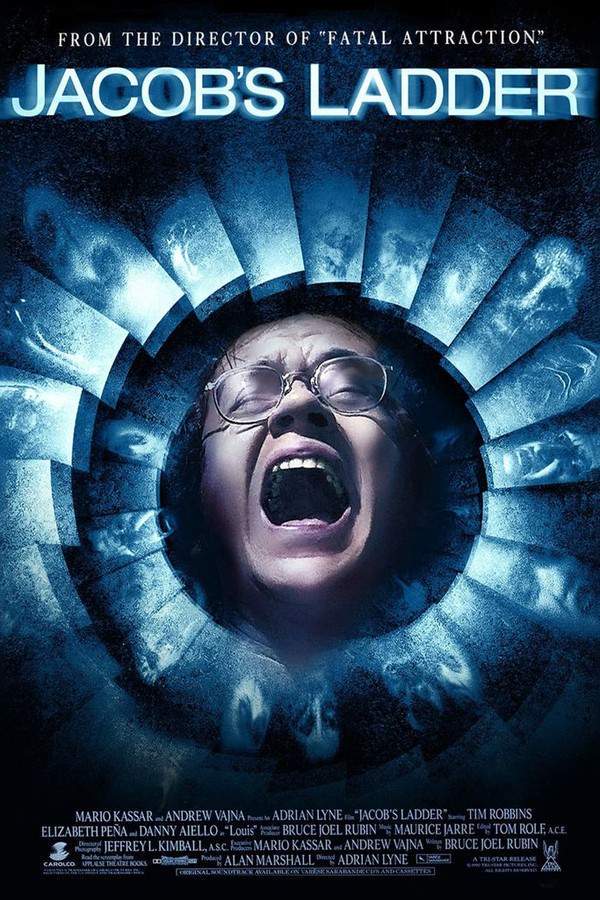
Stories where characters discover the walls of their world are just suggestions. If you loved Black Mirror: Bandersnatch's mind-bending fourth-wall breaks and branching timelines, these cerebral sci-fi stories will hit the same nerve. Expect philosophical puzzles about determinism, meta-narratives that turn the lens on themselves, and twisty journeys where free will and fate become indistinguishable. Movies like Black Mirror: Bandersnatch for viewers who want to question everything.

  • mind-bending
  • meta
  • unsettling
  • cerebral
  • paranoid
  • existential
  • Tone: dark, cerebral, unsettling
  • Pacing: variable with looping rhythms
Why these movies?

The story pattern: These narratives typically begin with an ordinary character who notices impossible things slipping into their world. Reality glitches, time loops, hidden controllers, or simulated environments reveal themselves layer by layer. The protagonist may fight against the unseen forces, or surrender to them, but the audience is always left wondering how much was chosen and how much was orchestrated. Endings often refuse to resolve the puzzle cleanly, instead amplifying the existential vertigo.

Why they belong together: They share a cerebral, unsettling mood anchored by philosophical questions rather than action. Pacing shifts between meditative and jolting as new realities crash into each other. Protagonists are typically intelligent, isolated, and emotionally burdened, and violence or emotion exists to underline the ideas rather than work as spectacle.
Dark psychological unravelings like Black Mirror: Bandersnatch

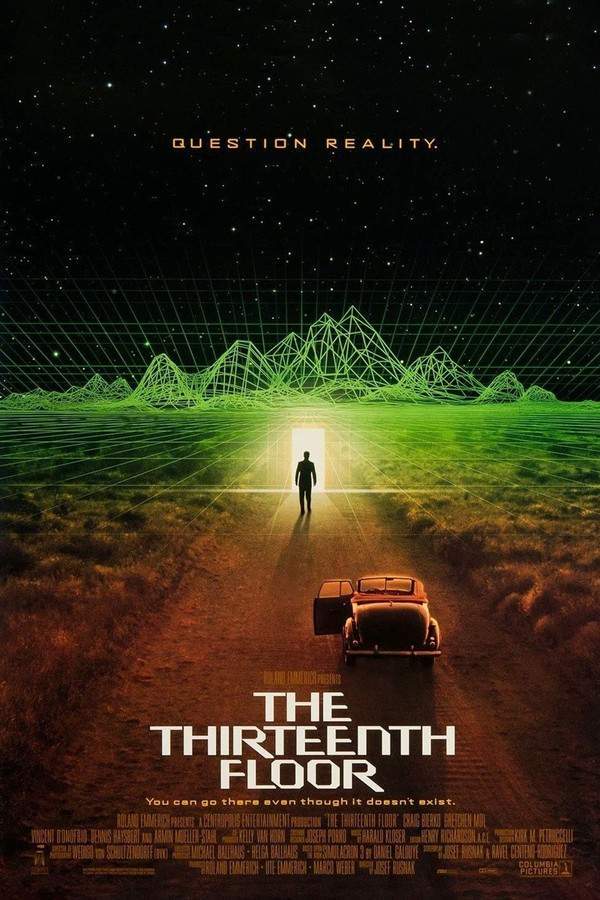
Haunted minds where grief becomes a maze with no exit. Looking for movies like Black Mirror: Bandersnatch that focus on a fragile mind buckling under trauma? These heavy stories follow characters haunted by childhood loss, survivor's guilt, and creeping paranoia. Expect relentless psychological pressure, bleak atmospheres, and endings that reveal the cost of everything they've been carrying. Perfect for fans of cerebral, character-driven darkness.

  • paranoid
  • anxious
  • traumatized
  • melancholic
  • unsettling
  • oppressive
  • Tone: dark, melancholic, oppressive
  • Pacing: variable and uneven
Why these movies?

The story pattern: A quiet protagonist carries a wound from childhood, a parent's death, abuse, or absence, and the film shows that wound reopening through strange events, intrusive thoughts, or impossible choices. Reality becomes suspect. The protagonist may lash out, withdraw, or try to outrun the past, only to discover that the past has already rewritten them. Often framed around a project or puzzle that mirrors their inner collapse until the two merge.

Why they belong together: The defining connection is the interior, claustrophobic mood. Tone is dark and melancholic, pacing can stretch into stillness before spiking into confrontation. Ending feels are mixed or bleak, and emotional weight stays heavy throughout. Characters tend to be isolated, and the world visibly shrinks around them as the film progresses.

If you liked this

Movies Like Black Mirror: Bandersnatch

Similar movies to Black Mirror: Bandersnatch: the same genre, themes or kind of story. Each one comes with its own plot summary, timeline and ending explained.

Browse all movie summaries

Every angle

Black Mirror: Bandersnatch (2018) Explained: Plot, Ending, Timeline & Characters

Everything about Black Mirror: Bandersnatch in one place: what happens in the plot summary, the timeline in chronological order, the characters and meaning, the ending explained and a spoiler-free summary. What's After the Movie adds the cast, box office and post-credit scenes.

Coming soon on iOS and Android

The Plot Explained Movie Summary App

Plot summaries, endings explained and timelines on your phone. Catch up on any movie in minutes, save your favorites and never miss a twist again.

Be the first to know when we launch. Your email stays private, always.

Learn more about the app