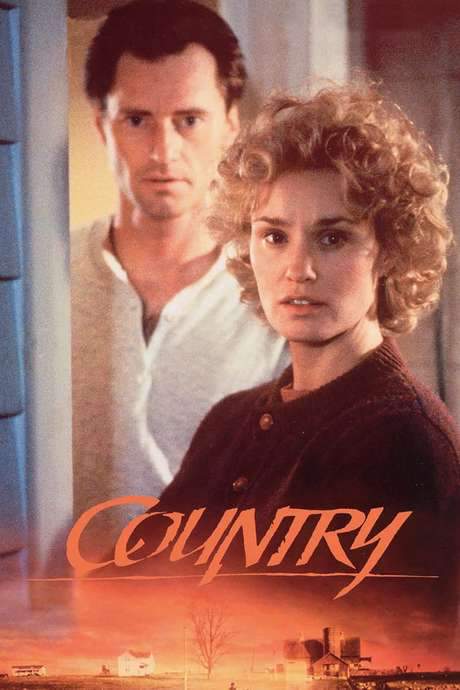
Ned De Vries, Ron Howard, a Michigan dairy farmer with a wife and family, confronts a troubling mystery when his cattle begin to fall ill. He reaches out to the local veterinary authorities from the Michigan Farm Bureau (MFB), who collect samples, even euthanizing a small ailing calf to take the remains for autopsy. Based on their findings, they place the blame squarely on him, insisting the problems stem from his farming practices. De Vries maintains he has been feeding the herd only the protein-enriched feeds marketed through Michigan Farm Bureau Services, and he presses for answers.
As he searches for clues, he discovers a nest of dead rats on his property, and a brief inspection reveals the rodents had symptoms resembling those of his cattle. The nest itself is surrounded by feed that is intended for cattle, raising a disturbing possibility. When he attempts to share these observations with the MFB veterinarians, his concerns are ignored, fueling his frustration. Yet the first signs that something larger is at work soon become undeniable: members of his own family begin to suffer from skin problems, headaches, and a general malaise, despite not consuming cattle feed directly.
A breakthrough arrives when a lab technician who authored the livestock report quietly points De Vries toward Dr. Morton Freeman, Richard Dysart, a respected scientist and researcher. Dr. Freeman carefully reviews the data and identifies the mysterious blip on the chart as polybrominated biphenyl (PBB), a flame retardant once used in Firemaster extinguishers. This discovery reframes the illness as a contaminant circulating through the food chain rather than a fault in the farm’s practices. With further investigation, Freeman reveals that exposure symptoms include memory loss and potential cancer, and that PBB can be passed from cattle into humans by eating beef and drinking milk. The troubling implication is clear: the toxin can accumulate in body fat, and there is no known way to remove it once it has entered a person’s system. The consequences ripple through De Vries’s family, as milk and meat become channels for exposure, threatening the health of those closest to him.
Despite Freeman’s support and the mounting evidence, De Vries encounters stubborn bureaucratic inertia that hampers a swift resolution. Undeterred, he travels the state in his spare time, gathering additional information and witnessing the broader reach of the contamination. He connects with another farmer who has endured a similar ordeal—creatures dying, families suffering, and a sense of guilt weighing heavily on them all. The pattern suggests a systemic flaw rather than an isolated accident.
As the investigation deepens, the source of the contamination is traced to a Michigan Farm Bureau mill near Battle Creek. There, the very proteins added to animal feed and the chemicals used to create PBB are stored in identically colored paper sacks, placed on pallets side by side. The vivid contrast of colors makes it easy for a mix-up to occur, and no one can tell at a glance which bag contains which substance. The film draws a stark line between oversight and consequence, underscoring how a simple mistake in labeling or storage could cascade into widespread illness.
In a somber close, the narrative takes stock of the toll: a year after the initial outbreak, De Vries’s entire herd is killed. The cattle are driven into a deep open pit, shot, and buried under soil, marking the culmination of a tragedy born from contamination, fear, and the slow churn of bureaucratic inertia. The story remains careful and precise in its portrayal, presenting a cautionary tale about food safety, corporate responsibility, and the fragile balance between agricultural practice and public health.