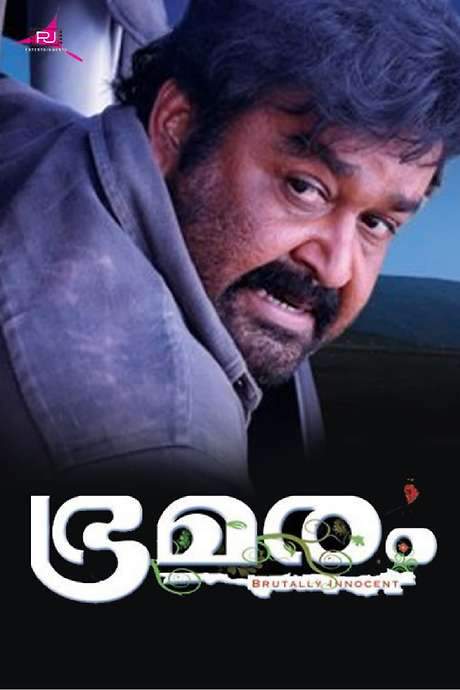
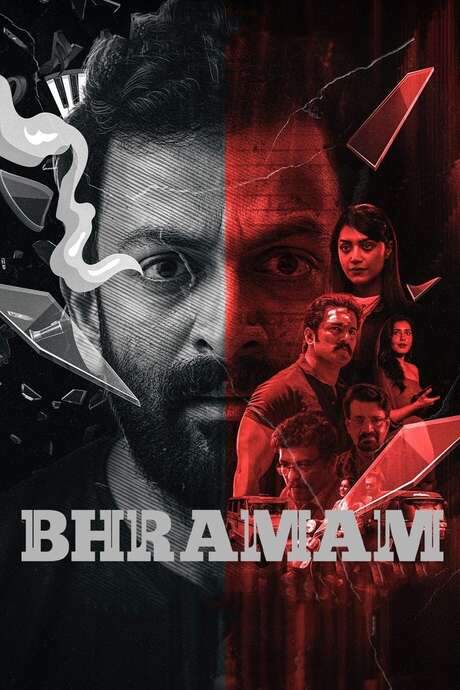
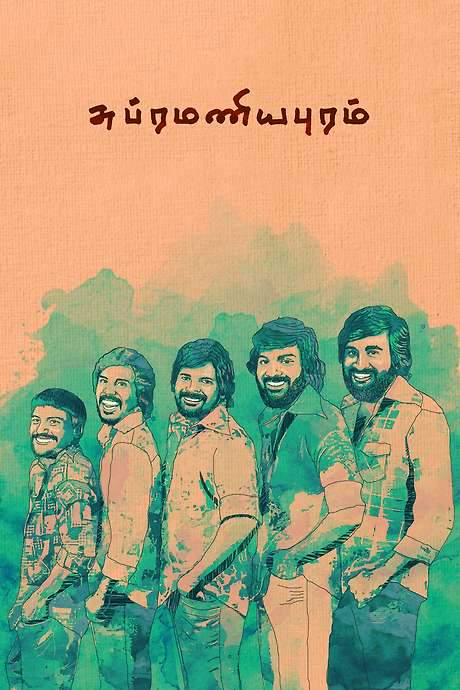
Unni is a successful share broker in Coimbatore who enjoys a comfortable life with his wife Latha and their daughter Lakshmi alias Lechu. Their peaceful routine is suddenly disrupted by a stranger who arrives and introduces himself as Jose. Taking advantage of Unni’s momentary forgetfulness, Jose spurs the notion that he is Unni’s long-lost 7th-grade classmate, nudging him toward a reckless sense of familiarity. What begins as a curious intrusion gradually tilts into a creeping insecurity as the guest—an alcoholic and somewhat eccentric figure—presses for a prolonged stay.
Unni’s misgivings about the “mystery man” and his motives begin to consolidate when their confidant and classmate, Dr. Alexander Varghese (Alex), is consulted. The diagnosis is blunt: they had no schoolmate named Jose. The revelation shatters Unni’s protective rationalizations and sets in motion a chilling truth. It becomes clear that Sivankutty—the man they have long feared—has arrived in their lives for reasons that go far beyond small talk or strangerly visits. The layers of the past begin to peel back, exposing a debt of justice that was left unsettled many years ago.
The truth surfaces with painful clarity: Unni and Alex had ruined Sivankutty’s life in childhood by falsely accusing him of a murder they had accidentally committed. Now Sivankutty is determined to exact payback. He compels Unni to come with him to his village to confess the crime to his wife Jaya and daughter, who had distanced themselves after learning about the jail sentence that followed. The plan to reveal everything to Sivankutty’s family marches forward, but the road is not straightforward. Midway, Unni contemplates abandoning the dangerous mission and tries to return to Coimbatore, only to be forced to continue the journey and face Sivankutty’s insistence.
Alex joins Unni in the uneasy trek to Sivankutty’s home, and the pair finally confront Sivankutty with the truth about their past misdeeds. The confession is lengthy, and it marks a turning point in their lives, as the three men orient themselves toward a painful, but necessary, admission of guilt. The emotional weight of the moment is intensified by the looming question of Sivankutty’s own patience and his readiness to forgive or retaliate.
When they arrive at Sivankutty’s house, they discover a devastating outcome: his wife Jaya and daughter Meenakshi have already passed away. Sivankutty reveals that his intent in bringing them to his town was to carry out a more final act of revenge, but a shift occurs. After the group confesses their past misdeeds, he hesitates, recalibrates his motives, and ultimately chooses to release them, letting them return home rather than carry out the revenge he had contemplated. What could have become a cycle of vengeance instead resolves into a quiet, morally complicated moment of reconciliation, humility, and an uneasy truce with the past.
The story unfolds as a quiet meditation on guilt, memory, and consequence, where the boundaries between victim and offender blur. The core tension rests on the moral weight of actions taken in youth and the long shadow those actions cast on the present. In the end, the tale does not offer easy absolution, but it does present a stark choice: acknowledge the harm done, face the repercussions, and allow the truth to redefine what comes next. The characters circle around a single, resonant idea—that truth, even when painful, can alter the course of life in unexpected ways, sometimes by closing old wounds and sometimes by marking new ones.