




Plot Explained Spoilers guaranteed!
Plot Explained

Browse by genre

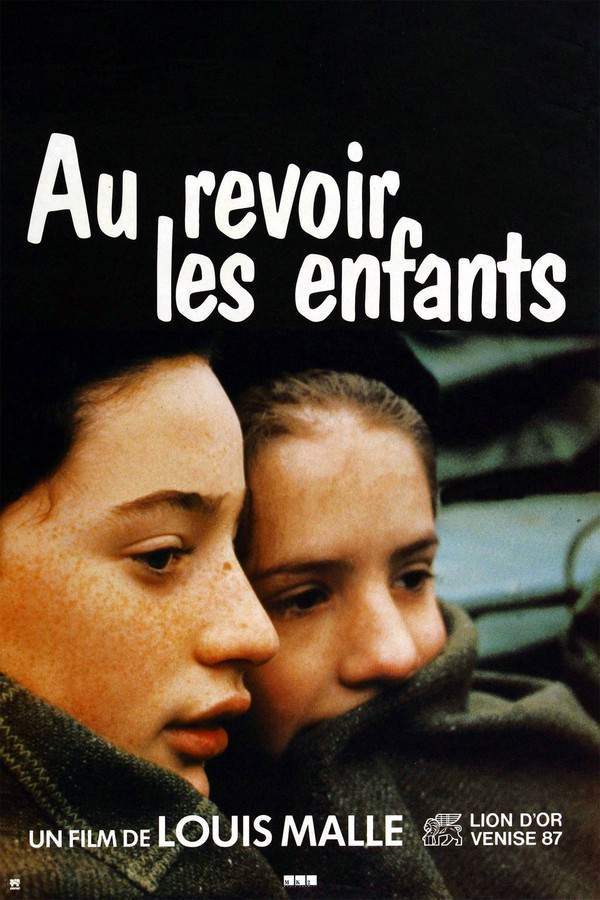
Au Revoir les Enfants (1988) movie poster

Timeline

Au Revoir les Enfants (1988) Timeline Explained – Every Event in Order

Release, runtime and language
1988 · 104 min · French
JustWatch #25,635 8
Directed by
Louis Malle
Starring
Peter Fitz, Benoît Henriet, Francine Racette, François Berléand, François Négret, Gaspard Manesse

During wartime in 1943 France, a young boy named Julien’s life is disrupted by the arrival of three unfamiliar students at his boarding school. He quickly befriends Jean, a reserved and enigmatic boy, but soon discovers Jean’s secret—he is Jewish and living in hiding. As the dangers of the war intensify, Julien must grapple with difficult choices and the risk of exposing his friend while navigating the innocence of childhood and the harsh realities of a nation at war.

On this page (6)
  1. 1 Where to watch
  2. 2 Events in order (12)
  3. 3 Timeline questions answered
  4. 4 Movie threads
  5. 5 Movies like Au Revoir les Enfants
  6. 6 Every angle

Where to watch

Where to Watch Au Revoir les Enfants (1988)

Where can you watch Au Revoir les Enfants? Stream, rent or buy it in the US, including on HBO Max and Fandango At Home: current JustWatch availability with up-to-date prices.

Streaming availability powered by JustWatch

12 events in order · contains spoilers

Au Revoir les Enfants Timeline: Events in Chronological Order

Every key event of Au Revoir les Enfants (1988) in order, scene by scene, with when and where it takes place. Use it to untangle flashbacks, time jumps and parallel storylines, to refresh your memory before the sequel or to find the exact scene you are thinking of.

  1. Return to Boarding School

    Julien Quentin returns to his Carmelite boarding school in occupied France during the winter of 1943-44. As he steps back into the school, he tries to project a tough demeanor to hide his longing for his mother and the comforts of home.

    When
    Winter 1943-44
    Where
    Carmelite Boarding School
  2. Arrival of New Students

    The routine of the school is disrupted with the arrival of three new students, including Jean Bonnet. Initially, he is looked down upon by Julien and his peers, despite having impressive talents in mathematics and piano.

    Where
    Carmelite Boarding School
  3. Discovery of Jean's Secret

    One night, Julien awakes to find Jean in prayer, wearing a kippah. Driven by curiosity, he investigates Jean's locker and discovers his true identity as Kippelstein, realizing the implications of their friendship in a time of danger.

    Where
    Carmelite Boarding School
  4. Père Jean's Secret Sanctuary

    Julien learns that Père Jean, the headmaster, is offering secret sanctuary to hunted Jews. This revelation underscores the moral complexities and risks faced by those living in occupied France, as their actions could have dire consequences.

    Where
    Carmelite Boarding School
  5. Lunch with Julien's Mother

    During a visit from his mother, Julien invites Jean to join them for lunch at a fancy restaurant. The atmosphere shifts dramatically as discussions about Julien's father's political stance lead to tensions, emphasizing the societal pressures of the time.

    Where
    Fancy Restaurant
  6. The Milice Arrives

    Tensions escalate when the Milice arrive at the restaurant, attempting to expel a Jewish diner. Julien's brother's fearless remarks provoke the Milice commander, highlighting the resistance and defiance present among some members of society in response to the oppressive regime.

    Where
    Fancy Restaurant
  7. Joseph's Betrayal

    Troubles arise when Joseph, the school's assistant cook, gets caught selling food supplies on the black market, implicating several students. Despite the injustice, Père Jean decides against expelling the students, showing his compassion for their backgrounds.

    Where
    Carmelite Boarding School
  8. Gestapo Raid

    In January 1944, the school faces a terrifying Gestapo raid searching for Jean Kippelstein. Julien inadvertently reveals Jean's location in a moment of chaos, leading to a frantic atmosphere as Jewish boys are pursued amidst the heart-wrenching circumstances.

    When
    January 1944
    Where
    Carmelite Boarding School
  9. Confrontation with Joseph

    After the raid, Julien confronts Joseph about his betrayal. Joseph's justification reveals the desperation of survival in wartime, leading Julien to reflect on the complexities of human behavior under duress.

    Where
    Carmelite Boarding School
  10. Final Farewell

    As the students gather in the courtyard, a Gestapo officer condemns Père Jean's actions, while the Jewish boys prepare for their departure. A poignant farewell follows as Père Jean is led away, offering a touching moment between him and the students.

    Where
    Carmelite Boarding School
  11. Julien's Reflection

    The film concludes with an older Julien reflecting on the tragic events from the January raid. He shares the painful truth that his friends, Bonnet, Negus, and Dupre, perished in Auschwitz, while Père Jean was lost to Mauthausen, leaving a haunting imprint on his life.

    When
    40 years later
  12. Memories Endure

    Julien expresses that, although decades have passed, the memories of those pivotal moments during the war will remain imprinted in his mind until the end. This serves as a sobering reminder of the impact of history on personal lives.

Last updated: November 16, 2024 at 18:12

Was this helpful?

Timeline questions answered

Au Revoir les Enfants Timeline Explained: Your Questions Answered

When does it happen, and why in that order? The questions people ask about the chronology of Au Revoir les Enfants (1988): time jumps, flashbacks, cause and effect between scenes and the correct order of events, each answered with spoilers.

Q1

Why did Julien accidentally reveal Jean's location during the Gestapo raid?

During the chaotic Gestapo raid in January 1944, Julien was searching for Jean to warn him. In the panic and confusion of the search, Julien inadvertently called out or indicated where Jean was hiding. This moment of unintended betrayal haunts Julien throughout the film, representing the tragic innocence lost, his action came from a place of wanting to help his friend, but the chaos of the raid made him unknowingly lead the Nazis directly to Jean.

Foreshadowing: Earlier, Julien had discovered Jean's secret identity and promised to keep it, making his accidental betrayal particularly devastating.

  • julien
  • jean
  • gestapo raid
  • betrayal
  • accident
Q2

What happened to Jean Bonnet after the Gestapo took him?

Jean Bonnet (whose real name was Kippelstein) was deported along with the other Jewish students, Negus and Dupre, to Auschwitz, where they all perished. The film confirms this in the epilogue when older Julien reveals the tragic fate of his childhood friend, underscoring the brutal reality faced by hidden Jewish children during the Holocaust.

Foreshadowing: The ominous presence of the Gestapo officer and the military presence during the raid signaled the grave danger facing the Jewish boys.

  • jean bonnet
  • auschwitz
  • deportation
  • death
  • kippelstein
Q3

Why did Père Jean decide to shelter Jewish children at his school?

Père Jean, the Carmelite headmaster, made a deliberate moral choice to protect hunted Jewish children during the Nazi occupation of France. He believed it was his religious and ethical duty to save lives, even at tremendous personal risk. This act of defiance against the occupying forces ultimately led to his arrest and death at Mauthausen concentration camp.

Foreshadowing: The discovery of Jean wearing a kippah during prayer and finding Jewish texts in his locker revealed the headmaster's secret operation.

  • pere jean
  • headmaster
  • shelter
  • jewish children
  • resistance
Q4

What is the significance of the film's title "Au Revoir les Enfants"?

"Au Revoir les Enfants" means "Goodbye, Children" in French. The title refers to the final farewell between Père Jean and his students as he is led away by the Gestapo. When the children cry out "Au revoir, mon père!" he turns and replies "Au revoir, les enfants! À bientôt!", a heartbreaking promise of goodbye that became permanent. The title captures both the personal goodbye to friends and the broader loss of innocence and childhood during wartime.

Foreshadowing: The film opens with Julien returning to school, establishing the boarding school as a place of childhood, making the final departure devastating.

  • title
  • farewell
  • pere jean
  • goodbye
  • children
Q5

Why did Julien's mother make negative comments about Jews at the restaurant?

During the lunch at the fancy restaurant, Julien's mother expressed a complicated attitude toward Jews. While she admired the dignity of the Jewish diner being expelled by the Milice, she revealed her disdain for socialist politician Léon Blum. This scene illustrates the nuanced anti-Semitism present in parts of French society at the time, even among those who did not actively support the Nazis. It reflects how ordinary French people, while not all collaborators, held complex and often contradictory views about Jews during the occupation.

Foreshadowing: This scene establishes the political climate of occupied France and the moral compromises many French citizens made.

  • madame quentin
  • jews
  • restaurant
  • political views
  • blum
Q6

Why did Joseph the cook betray the students to the Gestapo?

Joseph, the school's assistant cook, was caught selling food supplies on the black market and, when confronted, implicated several students including Julien and his brother François to save himself. When Julien confronted him after the raid, Joseph justified his betrayal by saying, "Don't act so pious. There's a war going on, kid." This reveals how desperation and survival instincts during wartime led ordinary people to betray others, contrasting with the moral courage of Père Jean.

Foreshadowing: Joseph's earlier black market activities established his character as someone willing to profit from the war's chaos.

  • joseph
  • betrayal
  • black market
  • gestapo
  • survival
Q7

What was the significance of the Milice arriving at the restaurant?

The Milice scene demonstrates the complexity of collaboration in occupied France. When they attempted to expel a Jewish diner, Julien's brother defiantly called them "Collabos," provoking the Milice commander. A Wehrmacht officer then ordered the Milice to leave, showing tensions between the German military and the French collaborationist paramilitaries. Madame Quentin's observation about the Jewish diner's dignity, while she still held anti-Semitic views, illustrates the contradictions of French society under occupation.

Foreshadowing: This scene foreshadows the escalating dangers for Jews in occupied France and the varying responses of French citizens.

  • milice
  • restaurant
  • collaboration
  • jewish diner
  • german officer
Q8

How did the friendship between Julien and Jean develop?

Julien and Jean's friendship evolved from initial hostility, Julien and his classmates looked down on the reserved newcomer, into a deep bond after Julien discovered Jean's secret. A pivotal moment was when Julien invited Jean to lunch with his mother, treating him as an equal despite knowing his true identity. Their friendship was marked by shared book exchanges and the innocent joy of childhood, making the eventual betrayal and separation devastating. Their relationship represents how childhood friendship can transcend the divisions imposed by wartime society.

Foreshadowing: The treasure hunt scene early in the film shows the boys beginning to connect before Julien learns Jean's secret.

  • julien
  • jean
  • friendship
  • childhood
  • book exchange
Q9

What happened to Père Jean after being arrested at the school?

After the Gestapo raid in January 1944, Père Jean was arrested for sheltering Jewish children. He was deported to Mauthausen concentration camp, where he died. The film shows him being led away through the courtyard, with the students calling out "Au revoir, mon père!" He responded with the famous line "Au revoir, les enfants! À bientôt!", a heartbreaking farewell that proved to be final. His sacrifice represents the moral courage of those who risked everything to save Jewish lives during the Holocaust.

Foreshadowing: The Gestapo officer's condemnation of the French as "weak" for harboring Jews foreshadows the severity of Père Jean's punishment.

  • pere jean
  • arrest
  • mauthausen
  • deportation
  • priest
Q10

Why did Julien carry guilt over Jean's betrayal for over 40 years?

Julien's guilt stems from his accidental betrayal of Jean during the Gestapo raid, he was trying to warn Jean but inadvertently revealed his location in the chaos. Even 40 years later, Julien states that these memories remain engraved in his mind until the end of his days. The film uses this guilt to explore themes of innocence, moral responsibility, and the lasting psychological impact of wartime choices. Julien's story is partly an attempt to process this guilt and honor the memory of those lost.

Foreshadowing: The film opens with Julien's melancholic, reflective narration, establishing his burdened perspective from the very beginning.

  • julien
  • guilt
  • betrayal
  • memory
  • remorse

Movie threads

More Movies Like Au Revoir les Enfants, by Mood & Story

Curated lists built around what makes Au Revoir les Enfants tick: the same mood, the same kind of story or the same emotional payoff. Each list explains why these movies belong together.

Movies about lost childhood innocence like Au Revoir les Enfants

Stories where children's sheltered lives are pierced by harsh adult realities. If you were moved by the poignant loss of innocence in Au Revoir les Enfants, explore these films. This collection features similar stories where children's sheltered worlds are fractured by war, societal conflict, or difficult truths, capturing that tender and heartbreaking transition.

  • nostalgic
  • tender
  • heartbreaking
  • somber
  • reflective
  • oppressive
  • Tone: melancholic, reflective, heartbreaking
  • Pacing: steady, observational
Why these movies?

The story pattern: These narratives typically follow a young protagonist living in a relatively sheltered environment. A catalyst event—often the arrival of an outsider or a glimpse into a hidden danger—forces them to grapple with complex moral issues, betrayal, or the weight of history, leading to a fundamental and often sad change in their worldview.

Why they belong together: Movies in this thread share a melancholic, reflective tone and a steady, observational pacing. They are united by their focus on the emotional journey of a child facing adult-sized problems, resulting in a heavy emotional weight and a profound sense of loss, even when moments of friendship and tenderness are present.

Movies with quiet oppressive tension like Au Revoir les Enfants

Stories where everyday life is charged with the silent dread of authoritarian rule. For viewers who appreciated the building dread in Au Revoir les Enfants, this list highlights similar movies. Discover films set under authoritarian rule where the tension is felt in everyday routines and quiet moments, creating a deeply suspenseful and emotionally resonant experience.

  • tense
  • oppressive
  • somber
  • quiet
  • dread
  • claustrophobic
  • Tone: somber, tense, melancholic
  • Pacing: steady, slow burn
Why these movies?

The story pattern: The narrative pattern involves characters attempting to maintain a semblance of normal life while hiding a secret or resisting a powerful, threatening force. The tension builds steadily through small incidents and close calls, often culminating in a devastating betrayal or raid that shatters the fragile peace.

Why they belong together: These films are grouped by their specific mood mix: a steady, deliberate pacing that contrasts with high-stakes tension, a somber and melancholic tone, and a focus on the psychological weight of living in fear. They create an experience that is both quietly observed and intensely gripping.

If you liked this

Movies Like Au Revoir les Enfants

Similar movies to Au Revoir les Enfants: the same genre, themes or kind of story. Each one comes with its own plot summary, timeline and ending explained.

Browse all movie summaries

Every angle

Au Revoir les Enfants (1988) Explained: Plot, Timeline & Characters

Everything about Au Revoir les Enfants in one place: what happens in the plot summary, the timeline in chronological order, the characters and meaning and a spoiler-free summary. What's After the Movie adds the cast, box office and post-credit scenes.

Coming soon on iOS and Android

The Plot Explained Movie Summary App

Plot summaries, endings explained and timelines on your phone. Catch up on any movie in minutes, save your favorites and never miss a twist again.

Be the first to know when we launch. Your email stays private, always.

Learn more about the app