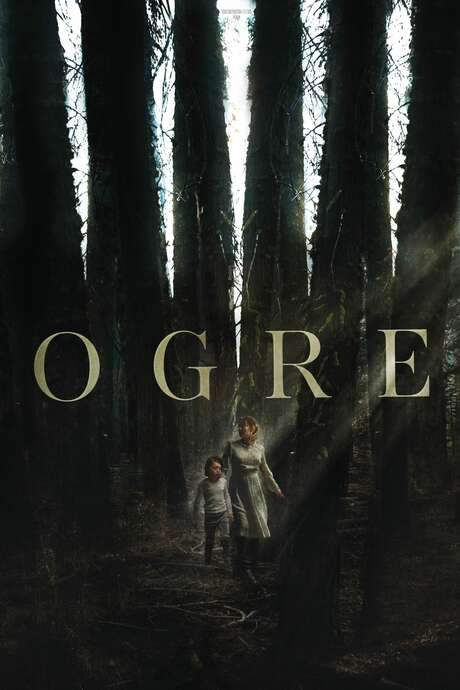
Year: 1996
Runtime: 113 mins
Language: German
Director: Volker Schlöndorff
Abel Tiffauges, a simple‑minded French mechanic, is falsely accused of child abuse. When World War II erupts, he is conscripted into the French army, only to be captured early in the conflict. He is transported deep into Nazi Germany, where his naiveté and unjust accusation shape a harrowing wartime ordeal.
Warning: spoilers below!
Haven’t seen The Ogre yet? This summary contains major spoilers. Bookmark the page, watch the movie, and come back for the full breakdown. If you're ready, scroll on and relive the story!
Read the complete plot breakdown of The Ogre (1996), including all key story events, major twists, and the ending explained in detail. Discover what really happened—and what it all means.
Abel Tiffauges is a simple Frenchman at the dawn of World War II who loves animals and children. The opening chapters revisit his childhood at a harsh Catholic boys’ school, where he prays to Saint Christopher that the prison-like institution will burn. By chance, while Abel is being disciplined for spilling lamp oil on the chapel floor, his friend Nestor accidentally sets fire to the building, burning it down as he wished. From that moment, Abel becomes convinced that fate is on his side and will shield him from harm.
In 1940, he works as a car mechanic in Paris, and photography becomes his hobby, allowing him to document the local children. When a girl named Martine steals his camera, he scolds her, and she falsely accuses him of assault. The police side with her, and Abel stands trial. Yet the tide of war turns in his favor: with Germany’s invasion, he is drafted into the army as punishment for the alleged crime, a twist of fate that pulls him into a much larger machine.
After France capitulates, Abel and his comrades are sent to a prisoner-of-war camp in East Prussia. He finds secret solace by slipping away to a hunting cabin in the forest, where he feeds a blind moose. One day, a German officer takes an interest in his bond with animals and explains that the moose is known as “The Ogre” to the locals before urging him to return to the camp. This moment plants the seed of a strange rapport with the Nazi world that is to come.
Weeks later, the officer returns and removes him from the camp, transporting him to Hermann Göring’s hunting lodge. The Chief Forester gives him a job tending the estate’s animals, a role that seems almost predestined for him. When Hermann Göring arrives, he initially appears cheerful, yet his true nature—sadistic, bombastic, and unstable—slowly reveals itself. Following alarming news that the German army has faltered at Stalingrad, Göring departs for Berlin, abruptly firing the lodge staff. Before leaving, the Chief Forester arranges for Abel to be reassigned to Kaltenborn Castle, a Nazi academy for boys, where power and danger mingle in equal measure.
At Kaltenborn Castle, Abel becomes a favorite with the boys, treated as a privileged servant. He regales the holidaying cadets with stories of life inside the castle, even as locals grow wary and publish pamphlets warning parents about “The Ogre.” An SS officer, Obersturmbannführer Raufeisen, is impressed by his ability to recruit and assigns him the task of bringing local boys to the academy. Although his intentions are earnest, the environment is strained, and Abel’s doubts begin to deepen as one trainee is burned during a training exercise that misfires behind another boy. Meanwhile, the castle’s owner, Count Kaltenborn, is revealed to be part of a plot to murder Hitler; he is arrested and disappears from the scene as the war tightens its grip.
With the Red Army breaching East Prussia, the castle’s leadership and the oldest cadets are sent to the front. One night, Abel witnesses a convoy of prisoners; a German soldier shoots a boy, then Abel uncovers a body-littered road. He rescuers a barely alive boy named Ephraim and hides him in the attic. As officers flee or perish, Abel and Frau Netta remain to tend to the remaining boys, and Abel realizes that the promises of victory peddled by Hitler and the Nazi regime are hollow. He urges evacuation, but the boys misread him as a traitor and turn on him, while veterans led by Raufeisen arrive promising a doomed last stand.
That night, Abel regains consciousness as the situation spirals. Soviet forces press forward, and the castle becomes a battleground. Abel tries to surrender, but Raufeisen’s troops close in, and the boys open fire in a desperate defense. He finds Ephraim again and escapes with him across the marshes as the castle burns, leaving no defenders alive behind. The escape is quiet, almost reverent, as Abel reflects on the tale of Saint Christopher, and the scene fades to black.
Last Updated: October 05, 2025 at 12:42
Discover curated groups of movies connected by mood, themes, and story style. Browse collections built around emotion, atmosphere, and narrative focus to easily find films that match what you feel like watching right now.
Simple souls exploited and crushed by terrible historical forces.If you were captivated by Abel's story in The Ogre, these movies feature similar journeys of innocent characters whose simplistic worldview is shattered by historical brutality. They explore themes of exploitation and the tragic collision of naivety with dark, unforgiving realities.
The narrative typically follows a linear path where a well-meaning but simple protagonist is swept into a larger, violent conflict or ideology. Their initial misinterpretation of events as fate or good fortune gives way to a harrowing realization of their role in a terrible machine, leading to a crisis of conscience and a costly survival.
Movies in this thread share a core character archetype—the innocent—and a narrative structure focused on their disillusionment. They are united by a heavy emotional weight, a dark tone, and themes of manipulation, creating a specific, devastating viewing experience.
Methodical journeys where characters become complicit in atrocity.For viewers who appreciated the grim moral journey in The Ogre, this thread gathers films that explore a character's gradual slide into complicity. These stories feature a steady pacing, high emotional intensity, and a focus on the psychological toll of participating in a corrupt and violent world.
The plot unfolds with a steady, relentless pace, following a character who, often through a desire for survival or belonging, makes a series of small compromises. These choices slowly erode their moral foundation, leading them to participate in or enable acts they once would have condemned, resulting in a bittersweet or bleak reckoning.
This thread groups films based on a shared narrative arc of moral decay and a consistent mood of grim inevitability. They are connected by their steady pacing, high intensity, dark tone, and focus on the psychological unraveling of a character caught in an inescapable ethical nightmare.
Don't stop at just watching — explore The Ogre in full detail. From the complete plot summary and scene-by-scene timeline to character breakdowns, thematic analysis, and a deep dive into the ending — every page helps you truly understand what The Ogre is all about. Plus, discover what's next after the movie.
Track the full timeline of The Ogre with every major event arranged chronologically. Perfect for decoding non-linear storytelling, flashbacks, or parallel narratives with a clear scene-by-scene breakdown.
Discover the characters, locations, and core themes that shape The Ogre. Get insights into symbolic elements, setting significance, and deeper narrative meaning — ideal for thematic analysis and movie breakdowns.
Get a quick, spoiler-free overview of The Ogre that covers the main plot points and key details without revealing any major twists or spoilers. Perfect for those who want to know what to expect before diving in.
Visit What's After the Movie to explore more about The Ogre: box office results, cast and crew info, production details, post-credit scenes, and external links — all in one place for movie fans and researchers.
Discover movies like The Ogre that share similar genres, themes, and storytelling elements. Whether you’re drawn to the atmosphere, character arcs, or plot structure, these curated recommendations will help you explore more films you’ll love.
The Ogre (1996) Scene-by-Scene Movie Timeline
The Ogre (1996) Movie Characters, Themes & Settings
The Ogre (1996) Spoiler-Free Summary & Key Flow
Movies Like The Ogre – Similar Titles You’ll Enjoy
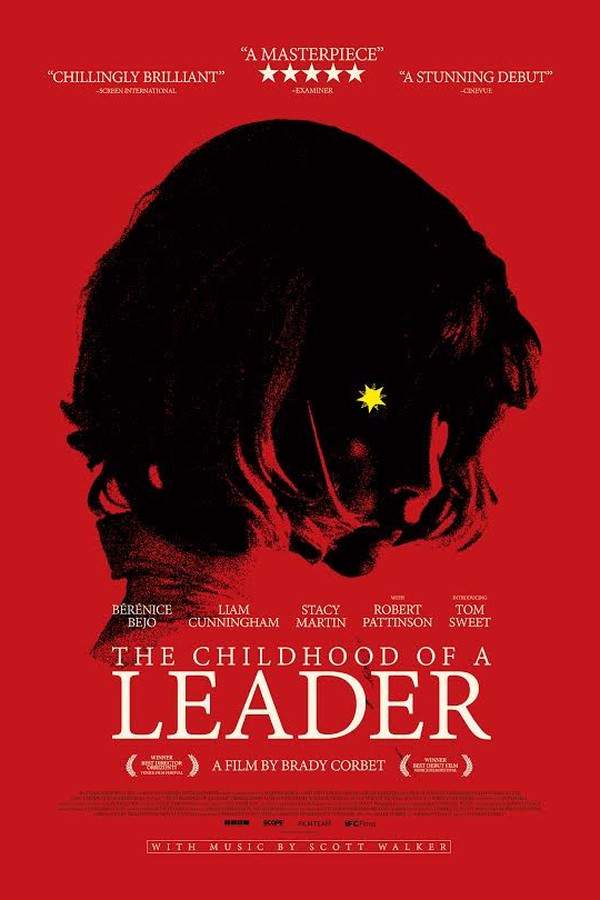
The Childhood of a Leader (2016) Story Summary & Characters
The Great Meaulnes (2006) Film Overview & Timeline
The Escape (1987) Movie Recap & Themes
The Boy Soldier (1981) Complete Plot Breakdown
Hearts of the World (1918) Full Summary & Key Details
The War Is Over (1989) Full Summary & Key Details
Hearts of the World (1918) Complete Plot Breakdown
Forbidden Games (1952) Spoiler-Packed Plot Recap
Too Little for Such a Big War (1970) Full Summary & Key Details
Grand Illusion (1937) Detailed Story Recap
Tomorrow Is My Turn (1960) Full Movie Breakdown
The Village (1953) Complete Plot Breakdown
The Adventures of Werner Holt (1965) Plot Summary & Ending Explained
The Cross of Lorraine (1943) Story Summary & Characters
Playing Soldiers (1967) Ending Explained & Film Insights