Plot Explained Spoilers guaranteed!
Plot Explained

Browse by genre

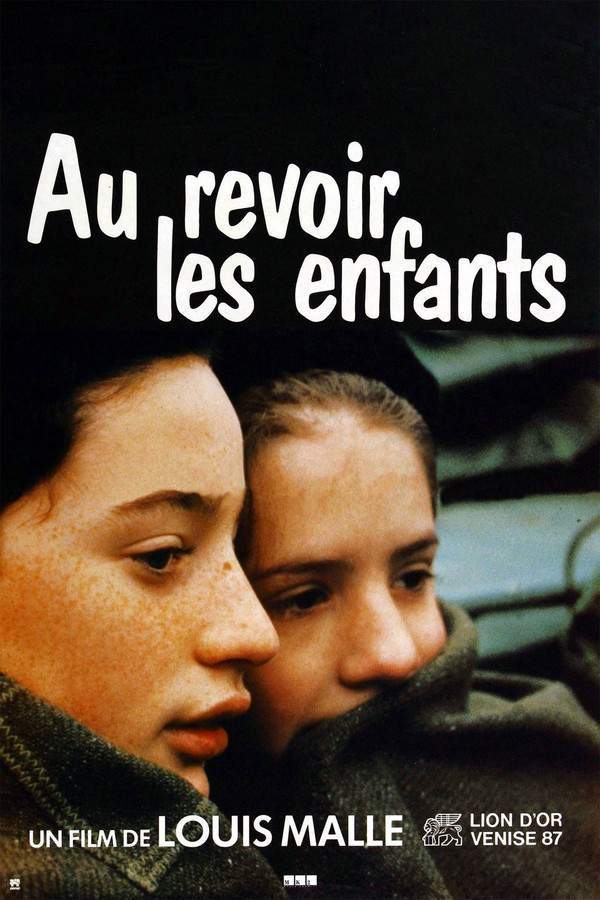
Au Revoir les Enfants (1988) movie poster

Characters & Themes

Au Revoir les Enfants (1988) Characters, Setting & Themes Explained

Release, runtime and language
1988 · 104 min · French
Loading streaming availability…
Directed by
Louis Malle
Starring
Peter Fitz, Benoît Henriet, Francine Racette, François Berléand, François Négret, Gaspard Manesse

During wartime in 1943 France, a young boy named Julien’s life is disrupted by the arrival of three unfamiliar students at his boarding school. He quickly befriends Jean, a reserved and enigmatic boy, but soon discovers Jean’s secret—he is Jewish and living in hiding. As the dangers of the war intensify, Julien must grapple with difficult choices and the risk of exposing his friend while navigating the innocence of childhood and the harsh realities of a nation at war.

On this page (8)
  1. 1 Where to watch
  2. 2 Characters explained (3)
  3. 3 Where & when it takes place
  4. 4 Themes & meaning (3)
  5. 5 Character & meaning questions
  6. 6 Movie threads
  7. 7 Movies like Au Revoir les Enfants
  8. 8 Every angle
Loading streaming availability…

3 main characters · contains spoilers

Au Revoir les Enfants Characters Explained: Who Is Who

The main characters of Au Revoir les Enfants (1988), heroes and villains: what drives them, how they change over the course of the story and what each of them reveals about the film's bigger ideas.

  • Julien Quentin

    Julien is a complex character who struggles to balance his tough exterior with his inner vulnerability. As a privileged boy, he yearns for his mother's affection while grappling with the newfound friendship with Jean. His character evolves through significant moral dilemmas, ultimately demonstrating growth in understanding and empathy.

    • 🧒 Boy
    • 🤔 Vulnerability
    • 🤝 Friend
  • Jean Bonnet (Kippelstein)

    Jean, also known as Kippelstein, represents innocence endangered by the realities of war. Initially socially awkward, he has remarkable talents that draw Julien in, leading to a deep friendship. His struggle for acceptance and identity amidst persecution adds depth to his character, making his plight even more tragic.

    • 🧑‍🎤 Talented
    • 😢 Endangered
    • 🤝 Friend
  • Père Jean

    played by François Berléand

    Père Jean serves as a protector and moral compass for the boys at the school. His bravery in sheltering Jewish students showcases his commitment to humanity over societal norms. He embodies the spirit of resistance and sacrifice, leaving a profound impact on the lives of Julien and Jean.

    • 🙏 Protector
    • 👨‍🏫 Teacher
    • 🛡️ Sacrifice

Last updated: October 22, 2024 at 21:24

Was this helpful?

Setting

Where and When Does Au Revoir les Enfants Take Place?

The setting of Au Revoir les Enfants (1988): the year and time period, the places and locations, and how they shape the characters, the mood and the tension of the story.

Time period

1943-44

The events of the movie take place during the winter of 1943-44, a critical time in World War II when Nazi occupation was at its peak. It's a period marked by fear, betrayal, and the resistance of individuals risking their lives to protect others. This time frame profoundly affects the students at the school, shaping their experiences and interactions.

Location

Carmelite boarding school, France

The movie is set in a Carmelite boarding school located in occupied France during World War II. This school serves as a significant backdrop where friendships form and secrets unfold, reflecting the tension of the era. It is a place where innocence is challenged, and the realities of war encroach upon the lives of young boys.

  • 🏫 School
  • 🇫🇷 France

Last updated: October 22, 2024 at 21:24

Was this helpful?

3 major themes

Au Revoir les Enfants Meaning: Themes & Message Explained

What is Au Revoir les Enfants (1988) really about? The emotional, social and philosophical themes the film keeps returning to, its symbolism and the message beneath the surface.

  • Friendship

    At its core, the movie explores the theme of friendship amid adversity. The bond between Julien and Jean showcases how genuine connections can form even in the darkest times. Their relationship evolves from initial prejudice to deep loyalty, illustrating the power of compassion across cultural divides.

  • Injustice

    Injustice is a prevailing theme, as seen through the students' interactions with authority and the tragic fate of Jewish characters. The film highlights the moral dilemmas faced by individuals during wartime, questioning loyalty and self-preservation against the backdrop of societal cruelty. Characters grapple with the consequences of betrayal and the cost of inaction.

  • Loss

    Loss permeates the narrative, culminating in the heart-wrenching fates of Jean and Père Jean. The film poignantly illustrates how war severs bonds and takes away innocent lives, leading to a lasting impact on those who survive. Julien's reflection at the end underscores the enduring grief that comes with remembering lost friends.

Last updated: October 22, 2024 at 21:24

Was this helpful?

Character & theme questions

Au Revoir les Enfants Characters & Meaning: Your Questions Answered

The questions people ask about Au Revoir les Enfants (1988): who the characters really are, their relationships, what the symbols mean, where it takes place and what the movie is really about. Each answer contains spoilers.

Q1

Where is the story set?

The movie takes place at a Carmelite boarding school in occupied France during World War II. This setting is significant because it creates a seeming bubble of normalcy and innocence where young boys go about their school routines, while the realities of Nazi occupation and the Holocaust loom just outside the school's walls.

  • carmelite boarding school
  • occupied france
  • setting
  • world war 2
Q2

When does the movie take place?

The story unfolds during the winter of 1943-44, a critical period when Nazi occupation of France was at its peak. This timeframe was marked by widespread fear, increasing roundups of Jewish citizens, and the growing resistance movement. The harsh winter setting mirrors the cold realities of war and adds to the film's melancholic tone.

  • 1943
  • 1944
  • winter
  • world war 2
  • occupied france
  • time period
Q3

What are the main themes?

The film explores three major themes: friendship, injustice, and loss. Friendship is at the heart, showing how genuine bonds form between Julien and Jean despite cultural divides. Injustice pervades the narrative through the treatment of Jewish people and the moral dilemmas faced by characters. Loss permeates the story, culminating in the tragic fates of key characters and leaving lasting grief.

  • friendship
  • injustice
  • loss
  • themes
  • war
  • holocaust
Q4

What does the film say about friendship?

The friendship between Julien and Jean demonstrates how genuine connections can form even in the darkest times. Their bond evolves from initial prejudice to deep loyalty, showing the power of compassion across cultural divides. Through their relationship, the film illustrates how childhood friendships can transcend the hatred and division imposed by the adult world of war.

  • friendship
  • julien
  • jean
  • connection
  • compassion
Q5

What does the film convey about loss?

Loss is woven throughout the narrative, showing how war severs bonds and takes innocent lives. The film depicts the tragic fates of Jean and Père Jean, who are both sent to concentration camps. For Julien, this loss represents the end of childhood innocence and leaves him with enduring grief that he carries into adulthood, as suggested by the reflective, nostalgic framing of the story.

  • loss
  • death
  • grief
  • tragedy
  • childhood
  • innocence
Q6

Who is Julien Quentin?

Julien Quentin is the film's protagonist, a privileged student at the boarding school who struggles to balance his tough exterior with inner vulnerability. He yearns for his mother's affection and initially shows prejudice toward the new student Jean. Through their friendship, Julien undergoes significant moral growth, learning empathy and understanding as he grapples with the dangerous secret Jean is hiding.

  • julien quentin
  • protagonist
  • main character
  • growth
Q7

Who is Jean Bonnet?

Jean Bonnet, also known by his real name Kippelstein, is a Jewish boy hidden at the boarding school to protect him from Nazi deportation. Initially socially awkward, he possesses remarkable talents that impress Julien. His struggle for acceptance and identity amidst persecution adds profound depth to his character, making his tragic fate even more poignant.

  • jean bonnet
  • kippelstein
  • jewish
  • hidden
  • protagonist
Q8

Who is Père Jean?

Père Jean is the priest and headmaster at the boarding school who serves as a protector and moral compass for the students. He shelters Jewish children at great personal risk, demonstrating commitment to humanity over societal norms. His bravery embodies the spirit of resistance and sacrifice, and his fate further underscores the film's themes of loss and injustice.

  • pere jean
  • priest
  • protector
  • resistance
  • sacrifice
  • moral compass
Q9

How does the wartime setting shape the story?

The Nazi-occupied France setting creates constant tension that permeates even the seemingly safe environment of the boarding school. The war's presence is felt through food shortages, the threat of raids, and the moral compromises demanded by occupation. This context forces children to confront adult realities of betrayal, loyalty, and the high stakes of hiding someone's secret.

  • nazi occupation
  • war
  • france
  • tension
  • Holocaust
  • historical context
Q10

What is the film's tone and emotional approach?

The film has a dominantly melancholic tone, established through its reflective, nostalgic framing and quiet observations. While it balances the low-key pacing of boarding school life with the tension of Nazi occupation, the emotional weight remains heavy due to the tragic subject matter. Even moments of childhood friendship are tinged with the awareness of what looms ahead, making the overall experience poignant and bittersweet.

  • tone
  • mood
  • melancholic
  • emotional
  • war
  • nostalgia

Movie threads

More Movies Like Au Revoir les Enfants, by Mood & Story

Curated lists built around what makes Au Revoir les Enfants tick: the same mood, the same kind of story or the same emotional payoff. Each list explains why these movies belong together.

Movies about lost childhood innocence like Au Revoir les Enfants

Stories where children's sheltered lives are pierced by harsh adult realities. If you were moved by the poignant loss of innocence in Au Revoir les Enfants, explore these films. This collection features similar stories where children's sheltered worlds are fractured by war, societal conflict, or difficult truths, capturing that tender and heartbreaking transition.

  • nostalgic
  • tender
  • heartbreaking
  • somber
  • reflective
  • oppressive
  • Tone: melancholic, reflective, heartbreaking
  • Pacing: steady, observational
Why these movies?

The story pattern: These narratives typically follow a young protagonist living in a relatively sheltered environment. A catalyst event—often the arrival of an outsider or a glimpse into a hidden danger—forces them to grapple with complex moral issues, betrayal, or the weight of history, leading to a fundamental and often sad change in their worldview.

Why they belong together: Movies in this thread share a melancholic, reflective tone and a steady, observational pacing. They are united by their focus on the emotional journey of a child facing adult-sized problems, resulting in a heavy emotional weight and a profound sense of loss, even when moments of friendship and tenderness are present.

Movies with quiet oppressive tension like Au Revoir les Enfants

Stories where everyday life is charged with the silent dread of authoritarian rule. For viewers who appreciated the building dread in Au Revoir les Enfants, this list highlights similar movies. Discover films set under authoritarian rule where the tension is felt in everyday routines and quiet moments, creating a deeply suspenseful and emotionally resonant experience.

  • tense
  • oppressive
  • somber
  • quiet
  • dread
  • claustrophobic
  • Tone: somber, tense, melancholic
  • Pacing: steady, slow burn
Why these movies?

The story pattern: The narrative pattern involves characters attempting to maintain a semblance of normal life while hiding a secret or resisting a powerful, threatening force. The tension builds steadily through small incidents and close calls, often culminating in a devastating betrayal or raid that shatters the fragile peace.

Why they belong together: These films are grouped by their specific mood mix: a steady, deliberate pacing that contrasts with high-stakes tension, a somber and melancholic tone, and a focus on the psychological weight of living in fear. They create an experience that is both quietly observed and intensely gripping.

If you liked this

Movies Like Au Revoir les Enfants

Similar movies to Au Revoir les Enfants: the same genre, themes or kind of story. Each one comes with its own plot summary, timeline and ending explained.

Browse all movie summaries

Every angle

Au Revoir les Enfants (1988) Explained: Plot, Timeline & Characters

Everything about Au Revoir les Enfants in one place: what happens in the plot summary, the timeline in chronological order, the characters and meaning and a spoiler-free summary. What's After the Movie adds the cast, box office and post-credit scenes.

Coming soon on iOS and Android

The Plot Explained Movie Summary App

Plot summaries, endings explained and timelines on your phone. Catch up on any movie in minutes, save your favorites and never miss a twist again.

Be the first to know when we launch. Your email stays private, always.

Learn more about the app