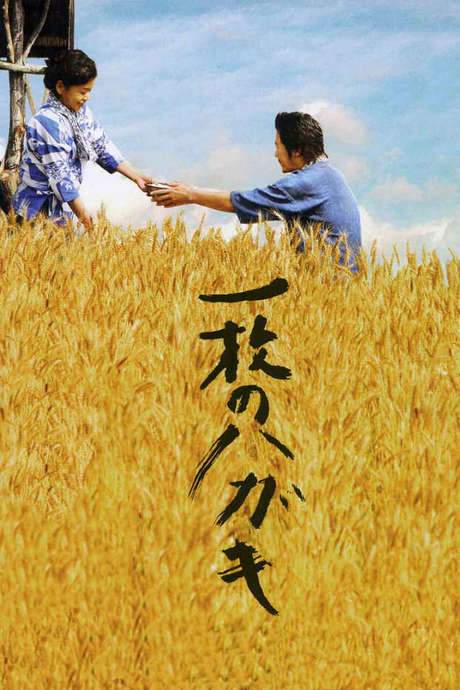
Spring flooding forms a small silt island with rich soil in the middle of the Enguri River, a land without an owner that quietly invites new life. An old man İlyas Salman, together with his granddaughter Mariam Buturishvili, claims the island, builds a simple hut, and plants corn. While the granddaughter finishes school, the old man clings to a quiet pride in her education and hopes to see her diploma the following year, a milestone that anchors his slow, patient vigil in this fragile sanctuary.
The island sits at a tense crossroads of identity. The old man and his granddaughter are ethnic Abkhazians, and they exchange nods with passing Georgian soldiers, a reminder of the borderland’s delicate balance. The granddaughter, newly past puberty, encounters the unsettling gaze and noisy taunts of the soldiers from across the shore—a mix of curiosity and resentment that colors her days with unease and questions about her own body and safety. One night, while swimming, a shotgun blast startles her, and she slips into the water, nearly drowning before she manages to rescue herself and hurry back to the hut.
The next morning, the old man discovers and shelters a wounded soldier who seeks refuge on the island. He protects him from pursuers for a time, a choice that complicates the already precarious life they lead. A flirtatious moment with the granddaughter and a near-death encounter with Georgian soldiers—who barge onto the island, drink the old man’s wine, and break its quiet rhythm—test the old man’s rules and the granddaughter’s growing sense of danger. The wounded soldier is later revealed to be Russian when his comrades arrive on the scene, and the old man chooses to turn them away, underscoring the island’s precarious independence on the edge of larger conflicts.
As summer wanes, rising floodwaters begin to pull the island apart, taking some of the corn that had become their livelihood. They gather as many ears as will fit into a single boat, leaving the old man with no room to board. He shoves the boat away, insisting the granddaughter stay behind, and clings to the hut as the churning current drags the land from beneath them. The sheltering hut collapses, and the old man drowns in the heavy undertow, a quiet, devastating end to a life lived in the margins of history.
The film closes with the spring return of the island’s memory. A new man comes ashore on the remains of the corn island, digs into the silt to gauge the soil, and discovers a ragdoll—belonging to the granddaughter—from the prior year. He rinses it clean, places it in his own boat, and sits beside it in contemplative silence, hinting that the island’s quiet ritual might begin anew with the doll as its companion and symbol.