Plot Explained Spoilers guaranteed!
Plot Explained

Browse by genre

A Single Spark (1995) movie poster

Timeline

A Single Spark (1995) Timeline Explained – Every Event in Order

Release, runtime and language
1995 · 92 mins · Korean
Directed by
Park Kwang-su
Starring
Jeong In-gi, Lee Yong-nyeo, Kwon Tae-won, Park Cheol-min, Moon Sung-keun, Dong Bang-woo

Kim, an activist and law school graduate, is pursued by the mid‑1970s Park regime as he seeks to write a book about Jeon Tae‑il, the 22‑year‑old union activist who immolated himself to protest government hypocrisy. Their struggle ignites a broader movement that reshapes the nation.

On this page (5)
  1. 1 Events in order (14)
  2. 2 Timeline questions answered
  3. 3 Movie threads
  4. 4 Movies like A Single Spark
  5. 5 Every angle

14 events in order · contains spoilers

A Single Spark Timeline: Events in Chronological Order

Every key event of A Single Spark (1995) in order, scene by scene, with when and where it takes place. Use it to untangle flashbacks, time jumps and parallel storylines, to refresh your memory before the sequel or to find the exact scene you are thinking of.

  1. Kim Yeong-su begins the Tae-il biography in hiding

    In the 1980s, Kim Yeong-su, a law school graduate with a history of militant activity, lives in hiding in Seoul while he starts writing the biography of Jeon Tae-il. He uses the project to stay productive and keep his mind focused under pressure. He also holds secret conversations with his wife, Shin Jeong-soon, who is pregnant, about their future.

    When
    1980s
    Where
    Seoul
  2. Shin Jeong-soon pushes for a trade union at work

    Shin Jeong-soon, pregnant and determined, begins efforts to form a trade union at her workplace. She faces resistance and the threat of disciplinary action from her employers. Her actions connect to the broader struggle explored in the biography Kim Yeong-su is compiling.

    When
    1980s
    Where
    Shin Jeong-soon's workplace
  3. Yeong-su contacts Tae-il's mother and gathers testimonies

    Kim Yeong-su reaches out to Jeon Tae-il's mother and travels around the city to interview Tae-il's friends and former colleagues. He collects testimonies that form the backbone of the biography and illuminate the conditions that spurred Tae-il's activism. The interviews give the project a vivid, ground-level perspective on labor abuses.

    When
    1980s
    Where
    Seoul
  4. Clandestine interviews across Seoul

    Over months, Yeong-su conducts clandestine interviews with activists and workers, gathering details about working hours, abuses, and the social climate. The material is woven into the book, highlighting the jump between the present and the past timelines. The color timeline thus gains its depth and nuance.

    When
    1980s
    Where
    Seoul
  5. Tae-il starts work at The Peace Market garment factory

    Jeon Tae-il moves from selling umbrellas to securing a job at a garment factory in The Peace Market. He witnesses long hours, unpaid overtime, and harsh conditions that reveal systemic abuse in the industry. His early experiences spark a determination to learn the laws that could protect workers.

    When
    late 1960s – early 1970s
    Where
    The Peace Market, Seoul
  6. He learns about laws and begins his research

    From his father, Tae-il learns that labor rights exist in law but are not enforced. He starts researching these laws and uses his findings to push for fair treatment at work. He even buys cakes for colleagues who cannot afford proper meals.

    When
    early 1970s
    Where
    The Peace Market
  7. Forming The Fool's Association

    Tae-il shares his research with other workers, and they form an activist group called The Fool's Association. They challenge managers and demand compliance with labor laws. The group becomes a catalyst for organized worker action at the market.

    When
    early 1970s
    Where
    The Peace Market
  8. Ministry of Labour receives his report

    Tae-il compiles a formal report for the Ministry of Labour detailing widespread violations. The ministry promises to look into the issues, giving workers a glimmer of progress. Tae-il urges his colleagues to rest, but he is fired from the factory, pushing him toward other forms of activism.

    When
    early 1970s
    Where
    Ministry of Labour / The Peace Market
  9. Fired and reassigned to road construction

    After being fired, Tae-il is sent to a road construction project where the work is just as hard and exploitation remains. He cannot ignore the plight of his fellow workers and decides to return to advocacy for garment workers. He reengages with the protest movement and continues pressing the Ministry for change.

    When
    early 1970s
    Where
    Road construction site, Seoul
  10. Meets a journalist; exposé follows

    Tae-il meets a journalist who needs concrete facts, so he interviews more workers to document pay, hours, lack of benefits, and dangerous conditions. The exposé published by the journalist draws Ministry attention. A summit with workers, owners, and the Ministry yields promises but reveals limited commitment.

    When
    mid-1970s
    Where
    Seoul
  11. Protests intensify; promises stall

    Inspired by student protests, garment workers stage protests in the streets as they await promised reforms. The protests gain momentum but are met with hesitation and repression by authorities. The workers realize that sustained action is required to force change.

    When
    mid-1970s
    Where
    City streets, Seoul
  12. Breach of law leads to the decision to burn the laws

    Facing persistent abuses and minimal reform, the workers decide to publicly burn a copy of the labour laws to demand real accountability. Tae-il helps organize the bold stance and rallies his colleagues behind the radical plan. The act signals a turning point in the workers' struggle against the system.

    When
    mid-1970s
    Where
    Street, Seoul
  13. Self-immolation and protest

    Jeon Tae-il douses himself with petrol, lights the book of labour laws, and runs through the street shouting that they are not machines. His sacrifice becomes a powerful symbol for workers' rights and a catalyst for later activism. The tragedy exposes the extremity of abuse and galvanizes the movement.

    When
    mid-1970s
    Where
    Street, Seoul
  14. Present-day scene echoes the legacy

    In the present-day timeline, Kim Yeong-su walks through the former Peace Market and encounters a young man who resembles Tae-il. The young man holds a copy of The Life and Death of Jeon Tae-il by Yeong-su, suggesting that Tae-il's story continues to resonate. The two timelines converge in a quiet, hopeful moment.

    When
    present
    Where
    The Peace Market, Seoul

Last updated: October 09, 2025 at 09:33

Was this helpful?

Timeline questions answered

A Single Spark Timeline Explained: Your Questions Answered

When does it happen, and why in that order? The questions people ask about the chronology of A Single Spark (1995): time jumps, flashbacks, cause and effect between scenes and the correct order of events, each answered with spoilers.

Q1

Why did Jeon Tae-il set himself on fire?

Jeon Tae-il self-immolated as a final, desperate act of protest against the government's persistent failure to enforce labor laws. After years of filing reports, organizing workers, and exposing abuses through a journalist, the Ministry of Labour repeatedly promised reforms but never delivered. The workers decided to burn a book of labor laws publicly to symbolize their disillusionment, but Tae-il escalated this into his own sacrifice to demand real change. He ran through the streets shouting 'We are not machines' to demonstrate that workers were being treated as expendable rather than as human beings entitled to dignity and rights.

  • self-immolation
  • protest
  • labor laws
  • sacrifice
  • workers rights
  • desperation
Q2

What was The Fool's Association?

The Fool's Association was the activist group that Jeon Tae-il formed with other garment workers at The Peace Market. After learning about labor laws that existed on paper but were never enforced, Tae-il shared his research with colleagues and organized them to challenge managers and demand compliance with worker protections. The name suggested they were considered foolish for believing workers deserved basic rights, but their organized resistance became a catalyst for collective action among garment workers.

Foreshadowing: Tae-il's father teaches him about labor laws, giving him the knowledge that sparks his activism.

  • fools association
  • worker organizing
  • labor activism
  • peace market
  • collective action
Q3

Why did the Ministry of Labour ignore the workers' complaints?

The Ministry of Labour consistently sided with business interests rather than the workers it was meant to protect. When Tae-il compiled a detailed report showing widespread violations of labor laws, the ministry promised to investigate but never took meaningful action. Even after a journalist's exposé drew public attention, the ministry's meetings with workers and owners resulted only in empty promises. The ministry's alignment with employers rather than laborers forced workers to realize that institutional reform would not come through legitimate channels.

  • ministry of labour
  • government hypocrisy
  • labor violations
  • reform failure
  • exploitation
Q4

How was Kim Young-soo able to stay hidden while writing the biography?

Kim Young-soo lived as a fugitive in Seoul because of his past involvement in militant, subversive activities during the Park regime era. He stayed in hiding while working on the biography of Jeon Tae-il, conducting interviews secretly with the activist's friends, former colleagues, and his mother. He maintained a careful, low-profile existence and met privately with his pregnant wife Shin Jeong-soon, who was herself involved in organizing a trade union at her workplace. The clandestine nature of his work mirrored the risks that Tae-il and other activists faced decades earlier.

  • kim yeong-su
  • hiding
  • fugitive
  • park regime
  • biography
  • activism
Q5

Why did the workers decide to burn the labor law book?

The workers burned a copy of the labor laws in a public demonstration to symbolize their complete disillusionment with a system that promised protections but never enforced them. After years of reporting violations, seeing their colleagues fired, and receiving empty promises from the Ministry of Labour, they concluded that the law existed only as a superficial gesture. By burning the book, they made a powerful statement that they no longer believed the legal system would deliver justice, and that more drastic action was necessary.

Foreshadowing: The Ministry repeatedly promises reform but fails to act, building frustration among workers.

  • labor laws
  • book burning
  • protest
  • disillusionment
  • symbolic act
Q6

What led to the decision to escalate from protests to self-immolation?

The escalation came after years of failed promises and persistent abuse despite multiple forms of resistance. Tae-il had filed formal complaints, organized The Fool's Association, helped expose conditions through a journalist, and joined street protests. Each time, authorities promised reform but delivered nothing. The workers realized that conventional protests and complaints would not force change, so they decided a more uncompromising demonstration was needed. The self-immolation represented the ultimate sacrifice to draw national attention to their cause.

Foreshadowing: The ministry promises action after the journalist's exposé but stalls, and protests gain momentum but face repression.

  • self-immolation
  • escalation
  • protest
  • sacrifice
  • worker exploitation
  • movement
Q7

How do the present-day and past timelines relate to each other?

The film uses parallel storytelling to show how memory and activism endure across generations. The color-filled present timeline follows Kim Young-soo in the 1980s researching and writing Jeon Tae-il's biography while his wife organizes a union, demonstrating that the struggle continues. The black-and-white past shows Tae-il's actual activism in the late 1960s and early 1970s, revealing the foundation of the movement. The two timelines converge when Young-soo walks through The Peace Market in the present and encounters a young man who resembles Tae-il, holding a copy of the biography, suggesting the legacy persists.

  • dual timeline
  • memory
  • legacy
  • continuity
  • past present
  • peace market
Q8

Why was Jeon Tae-il fired from the garment factory?

Tae-il was fired after he submitted a detailed report to the Ministry of Labour documenting widespread labor law violations at the factory and urged his fellow workers to rest while waiting for the ministry's response. His activism, organizing colleagues, challenging managers, and formally reporting abuses, made him a target for termination. The factory owners removed him rather than risk further organized resistance, forcing him to take a job at a road construction site where exploitation continued in different forms.

Foreshadowing: Tae-il compiles the report for the Ministry and encourages workers to trust the system.

  • fired
  • retaliation
  • activism
  • garment factory
  • worker termination
Q9

What happened to Shin Jeong-soon's union organizing effort?

Shin Jeong-soon, Young-soo's pregnant wife, was working to form a trade union at her workplace in the 1980s. While the summary notes she faced resistance and threats of disciplinary action, the film does not provide explicit details about the outcome of her organizing efforts. Her struggle parallels the historical activism of Tae-il's era, showing that worker organizing continued decades later. The narrative keeps her story somewhat in the background, focusing more on the biography project while still connecting her present-day activism to Tae-il's legacy.

  • shin jeong-soon
  • trade union
  • organizing
  • workplace resistance
  • present day activism
Q10

What did Tae-il mean when he shouted 'We are not machines'?

When Tae-il ran through the streets on fire shouting 'We are not machines,' he was asserting that workers were being treated as automatons rather than human beings entitled to rest, fair pay, and dignity. The phrase captured the core of his protest: the garment industry demanded relentless hours with no regard for workers' physical and mental well-being. By publicly sacrificing himself with this message, Tae-il forced the nation to confront the human cost of economic exploitation and the government's complicity in allowing it.

Foreshadowing: The film shows workers enduring grueling hours, unpaid overtime, and meager pay with few protections.

  • we are not machines
  • human dignity
  • worker exploitation
  • sacrifice
  • protest message
Q11

Why was it important for Kim Young-soo to write Jeon Tae-il's biography?

Kim Young-soo wrote the biography to preserve the story of Jeon Tae-il and the labor movement while staying productive during his time in hiding. The project served multiple purposes: it kept his mind focused under the pressure of being a fugitive, it documented the historical reality of worker exploitation and resistance, and it connected past sacrifice to present-day organizing efforts. By interviewing Tae-il's mother, friends, and former colleagues, Young-soo ensured that the events and conditions that sparked Tae-il's activism would not be forgotten.

  • biography
  • legacy
  • memory
  • preservation
  • documentation
  • kim yeong-su
Q12

Who was the young man that Young-soo encounters at the end?

The young man Young-soo encounters at The Peace Market is never explicitly identified in the film. He bears a striking resemblance to Jeon Tae-il and carries a copy of 'The Life and Death of Jeon Tae-il' by Kim Young-soo. The encounter is meant to be symbolic rather than literal, suggesting that Tae-il's legacy and the spirit of worker activism continue to inspire new generations. The film leaves this ambiguous, framing it as a quiet moment that poses the question of how movements endure beyond a single lifetime.

  • young man
  • legacy
  • resonance
  • symbolism
  • future generation
  • peace market

Movie threads

More Movies Like A Single Spark, by Mood & Story

Curated lists built around what makes A Single Spark tick: the same mood, the same kind of story or the same emotional payoff. Each list explains why these movies belong together.

Historical activism dramas like A Single Spark

Films that document real-life acts of defiance and the figures who risk everything. If you were moved by the true story of sacrifice in A Single Spark, explore more movies like it that document real-life political resistance and labor rights movements. These similar historical dramas focus on figures who risk everything to ignite social change.

  • somber
  • urgent
  • defiant
  • contemplative
  • historical
  • activism
  • Tone: somber, defiant, urgent
  • Pacing: steady, methodical
Why these movies?

The story pattern: Narratives in this thread often follow a determined individual or group researching or retelling a pivotal historical act of protest. The story connects past sacrifice to present-day relevance, using a documentary-like approach to build a case for the enduring impact of courageous action.

Why they belong together: These films are grouped by their shared foundation in historical events, their focus on political or social activism, and their heavy emotional weight derived from depicting real sacrifice. They share a contemplative, defiant mood and a steady, methodical pacing.
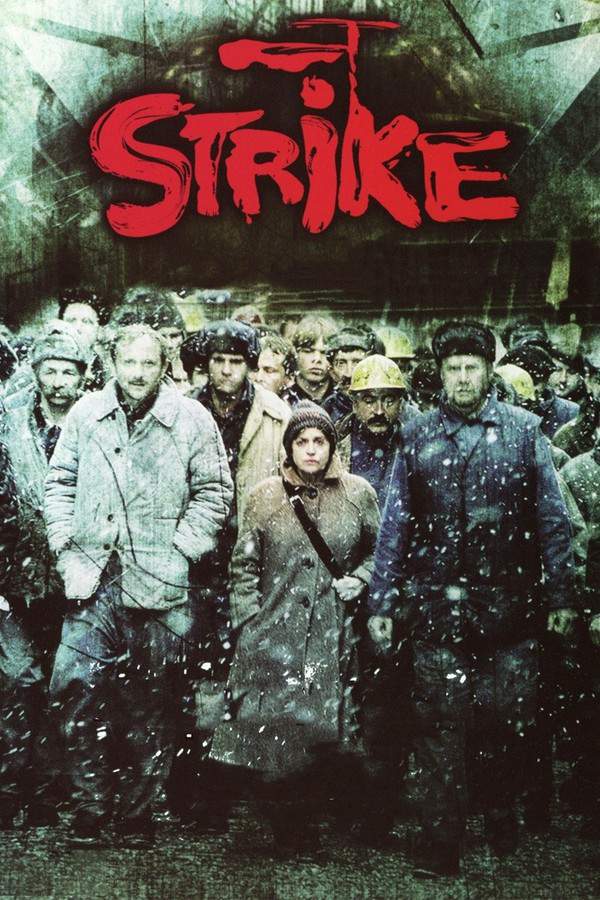
Somber political slow burns like A Single Spark

Stories where a heavy moral burden builds quietly under oppressive forces. For viewers who appreciated the steady, oppressive tension of A Single Spark, this list features movies with a similar slow burn vibe. Discover complex dramas with dark tones and heavy themes where characters face immense moral choices under political pressure.

  • oppressive
  • somber
  • contemplative
  • urgent
  • political
  • melancholic
  • Tone: dark, oppressive, contemplative
  • Pacing: steady, slow burn
Why these movies?

The story pattern: The narrative pattern involves a protagonist, often an intellectual or journalist, methodically uncovering a grave injustice. The conflict is not fast-paced action but a gradual, tense buildup of evidence and personal risk against a powerful, unyielding system, leading to an emotionally taxing climax.

Why they belong together: Movies in this thread share a specific mix of dark tone, steady pacing, and high intensity derived from moral and political conflict. They create a cohesive viewing experience of somber contemplation and mounting dread, appealing to viewers who appreciate complex, character-driven tension.

If you liked this

Movies Like A Single Spark

Similar movies to A Single Spark: the same genre, themes or kind of story. Each one comes with its own plot summary, timeline and ending explained.

Browse all movie summaries

Every angle

A Single Spark (1995) Explained: Plot, Timeline & Characters

Everything about A Single Spark in one place: what happens in the plot summary, the timeline in chronological order, the characters and meaning and a spoiler-free summary. What's After the Movie adds the cast, box office and post-credit scenes.

Coming soon on iOS and Android

The Plot Explained Movie Summary App

Plot summaries, endings explained and timelines on your phone. Catch up on any movie in minutes, save your favorites and never miss a twist again.

Be the first to know when we launch. Your email stays private, always.

Learn more about the app