Year: 1989
Runtime: 105 mins
Language: English
Director: John Duigan
Defending El Salvador’s poor with only the truth as his weapon, Archbishop Oscar Romero evolves from a cautious, apolitical priest into a powerful voice against oppression. The film traces his moral awakening, his outspoken stand against social injustice, and the ultimate sacrifice he makes for his people.
Warning: spoilers below!
Haven’t seen Romero yet? This summary contains major spoilers. Bookmark the page, watch the movie, and come back for the full breakdown. If you're ready, scroll on and relive the story!
Read the complete plot breakdown of Romero (1989), including all key story events, major twists, and the ending explained in detail. Discover what really happened—and what it all means.
During the turbulent 1977 presidential election in El Salvador, public unrest runs at a fever pitch as fears of election fraud hang in the air. In the midst of a Marxist-Leninist guerrilla insurgency led by the Farabundo Martí National Liberation Front, the anti-communist military dictatorship employs death squads to abduct, torture, and make people “disappear” who speak out about the regime’s brutal human rights record. Voters are blocked from reaching the polls; soldiers stand in the way of a bus bringing people to town, and when the population chooses to walk, the military fires on vans to ensure there is no way back home. The atmosphere is tense, dangerous, and a stark reminder of how quick violence can escalate when political power is at stake.
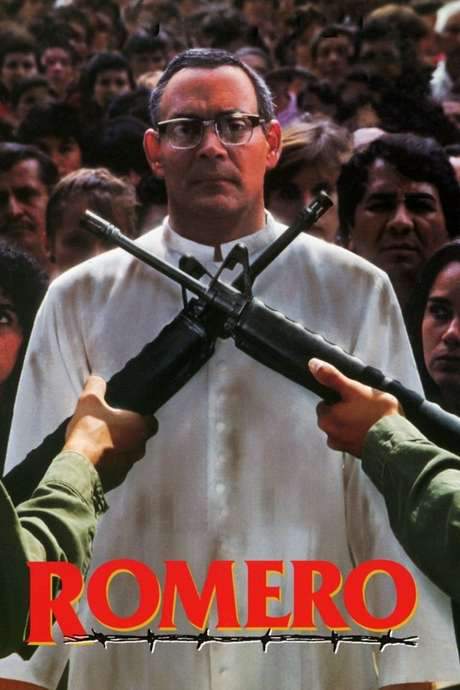
The Vatican elevates Archbishop Oscar Arnulfo Romero, Raúl Juliá, to lead the Church in San Salvador, hoping his influence might keep the church out of politics. Yet Romero, though initially appearing apolitical, cannot ignore the mounting deception, oppression, and systemic killings he encounters as he spends more time in his new role. His conscience begins to push back against the regime, even as the country grows more perilous for clergy and civilians alike.
Romero’s path toward outspoken advocacy is deeply shaped by tragedy: the assassination of Father Rutilio Grande, Richard Jordan, a vocal advocate for the poor and a close friend, which drives Romero to speak out against the government’s policies. The regime responds with fierce hostility, ordering death squads to target priests of the archdiocese and manufacturing a climate of fear that makes simple acts of faith feel dangerous and subversive.
In the wake of a botched attempt to rescue a pro-government hostage held by guerrillas, Romero learns that his ally, Father Alfonzo Osuna, Alejandro Bracho, has been captured and tortured. After securing Osuna’s release, Romero leads a boycott of the president-elect’s inauguration and defies the authorities by saying Mass in a church that the military has seized and turned into a barracks. His gestures of defiance grow bolder, even as the risk to his life becomes clearer.
Romero’s commitment to nonviolence remains steadfast, even as he works to secure the release of a soldier held by guerrillas alongside Father Osuna. His efforts do not protect him from arrest, and Osuna’s fate is sealed when he is tortured to death, despite Romero’s desperate pleas. The archbishop’s refusal to adopt the guerrillas’ violent methods marks him as a figure of moral courage under siege, even as the danger surrounding him intensifies.
Ultimately, Romero’s life is cut short while he is saying Mass, outside the bounds of a peaceful faith and into a moment of martyrdom. His assassination becomes a brutal reminder of the costs of dissent in a country torn by conflict, faith, and political power.
The film closes with a stark postscript: by 1992, when the Salvadoran Civil War ended, the total number of Salvadorans killed had risen to over 75,000, underscoring the human toll of years of violence and political strife. The narrative honors Romero’s resolve and the many others who suffered, offering a somber meditation on faith, justice, and the price of speaking truth to power.
Last Updated: December 03, 2025 at 23:58
Discover curated groups of movies connected by mood, themes, and story style. Browse collections built around emotion, atmosphere, and narrative focus to easily find films that match what you feel like watching right now.
Ordinary individuals finding extraordinary courage when faced with systemic injustice.If you were moved by the journey of Archbishop Romero in 'Romero', you'll find similar power in these films. This collection features stories of quiet individuals who find their voice against oppression, showcasing similar themes of courage, sacrifice, and the high-stakes fight for justice in dark political climates.
Stories in this thread follow a linear but potent arc: a sheltered or apolitical character is confronted with brutal reality. Each new act of violence or injustice chips away at their neutrality, leading to a pivotal moment of defiance. The narrative is driven by ethical dilemmas and the protagonist's growing resolve, culminating in a significant, often tragic, personal cost.
These films are grouped together because they share a core narrative of ethical evolution under extreme pressure. They create a similar viewing experience defined by a heavy emotional weight, a dark and tense tone, and a steady pacing that allows the character's internal struggle to unfold with gravitas. The central theme is the birth of a conscience in the face of overwhelming evil.
Grim, fact-based dramas about the human cost of standing against tyranny.For viewers seeking more films with the sobering, intense feel of 'Romero', this list features similar historical dramas. These movies are based on true events, share a dark and tense tone, and explore the heavy themes of martyrdom, civil war, and courageous defiance in the face of overwhelming state violence.
The narrative pattern is typically a biographical or event-focused tragedy. The story methodically presents the escalating horrors of a real-world conflict, following key figures whose resistance becomes a beacon. The plot is driven by factual events, leading to an inevitable, historically accurate conclusion that underscores the high cost of principle and the fleeting nature of victory in such struggles.
These movies share a coherent vibe defined by their factual basis, dark solemnity, and unflinching depiction of violence and injustice. The similarity comes from a shared commitment to historical gravity, a consistently high intensity derived from real-life stakes, and a pacing that is steady and deliberate, allowing the weight of events to fully sink in.
Don't stop at just watching — explore Romero in full detail. From the complete plot summary and scene-by-scene timeline to character breakdowns, thematic analysis, and a deep dive into the ending — every page helps you truly understand what Romero is all about. Plus, discover what's next after the movie.
Track the full timeline of Romero with every major event arranged chronologically. Perfect for decoding non-linear storytelling, flashbacks, or parallel narratives with a clear scene-by-scene breakdown.
Discover the characters, locations, and core themes that shape Romero. Get insights into symbolic elements, setting significance, and deeper narrative meaning — ideal for thematic analysis and movie breakdowns.
Get a quick, spoiler-free overview of Romero that covers the main plot points and key details without revealing any major twists or spoilers. Perfect for those who want to know what to expect before diving in.
Visit What's After the Movie to explore more about Romero: box office results, cast and crew info, production details, post-credit scenes, and external links — all in one place for movie fans and researchers.
Discover movies like Romero that share similar genres, themes, and storytelling elements. Whether you’re drawn to the atmosphere, character arcs, or plot structure, these curated recommendations will help you explore more films you’ll love.
Romero (1989) Scene-by-Scene Movie Timeline
Romero (1989) Movie Characters, Themes & Settings
Romero (1989) Spoiler-Free Summary & Key Flow
Movies Like Romero – Similar Titles You’ll Enjoy
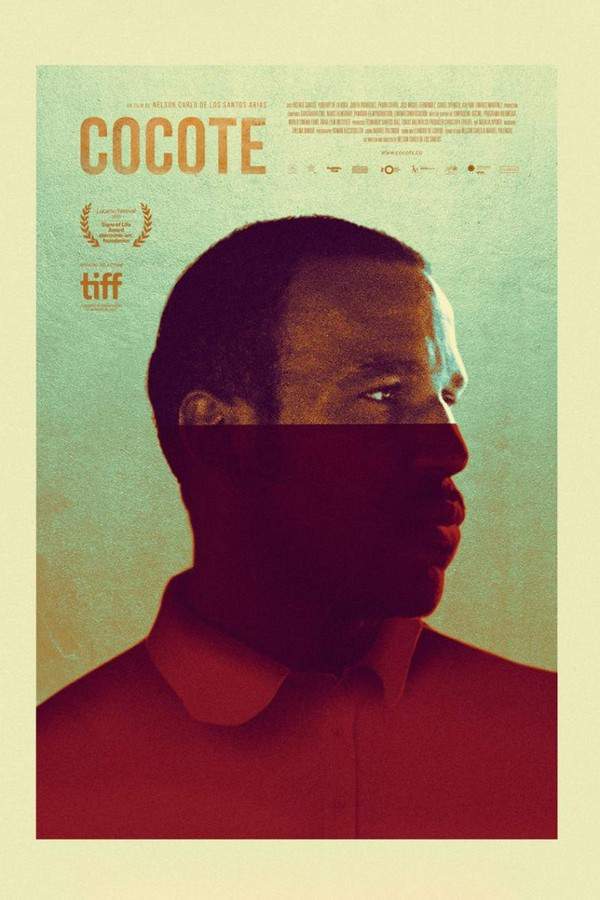
Cocote (2018) Movie Recap & Themes
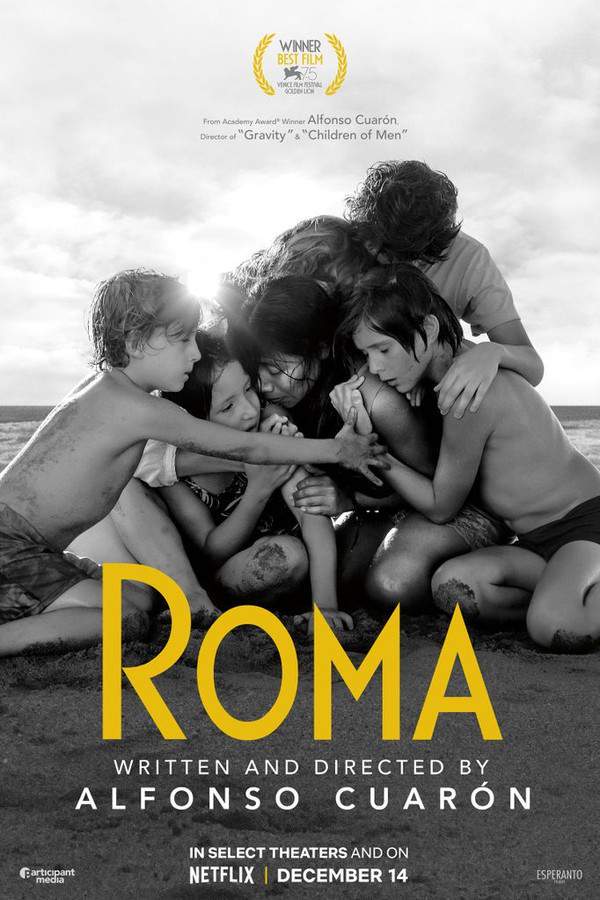
Roma (2018) Detailed Story Recap
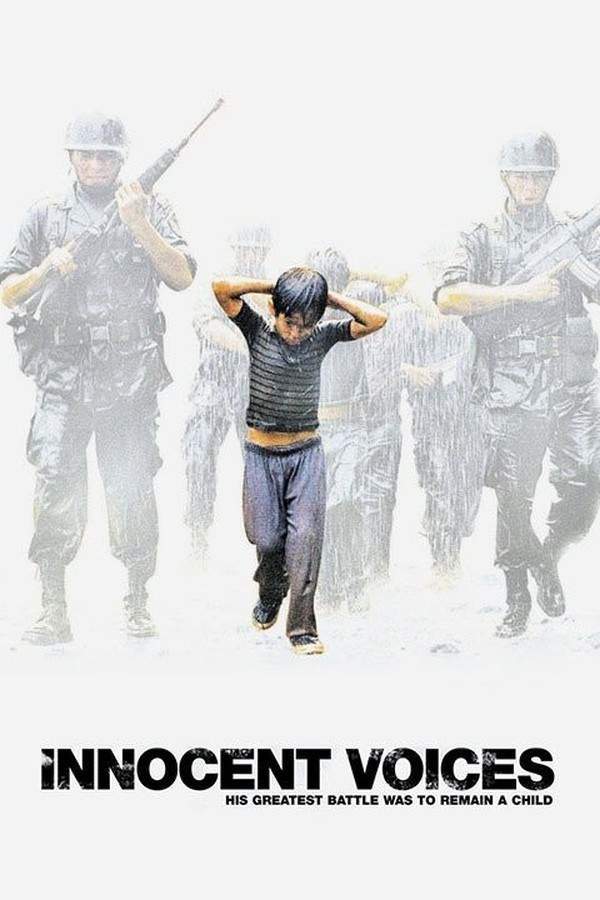
Innocent Voices (2005) Ending Explained & Film Insights
Salvador (1986) Detailed Story Recap
Romans (2017) Story Summary & Characters
Romina (2018) Full Movie Breakdown
Killing the Dead (2019) Spoiler-Packed Plot Recap
Roma (2004) Full Summary & Key Details
El Salvador: The People Will Win (1980) Full Movie Breakdown
Romero (1989) Spoiler-Packed Plot Recap
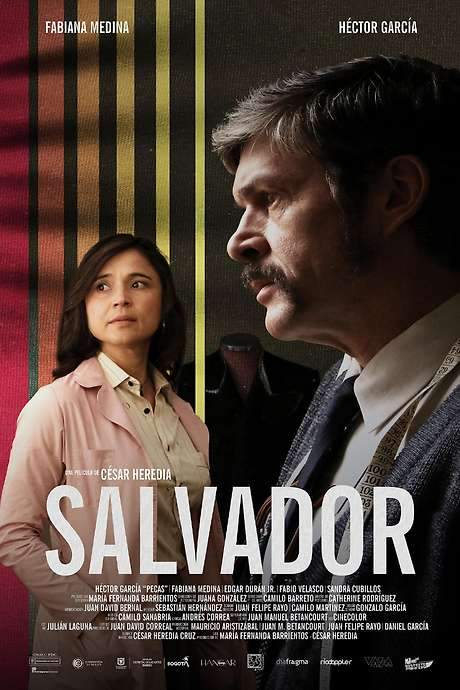
Salvador (2021) Spoiler-Packed Plot Recap
His Day of Glory (1969) Ending Explained & Film Insights
The Holy War (1979) Full Summary & Key Details
Cutting Heads (1970) Detailed Story Recap
Rosario (1971) Full Summary & Key Details