Plot Explained Spoilers guaranteed!
Plot Explained

Browse by genre

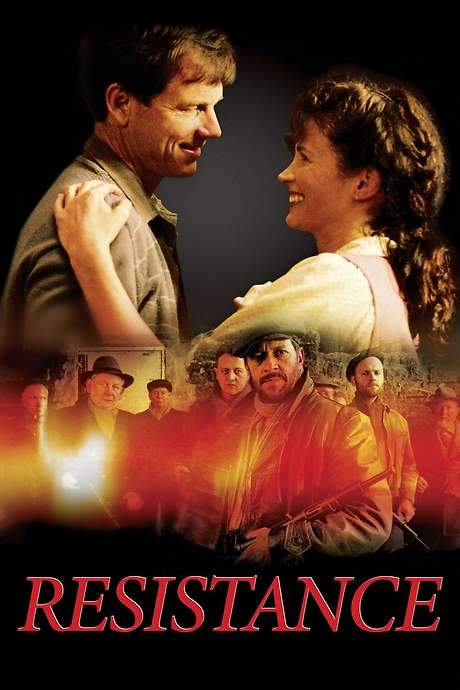
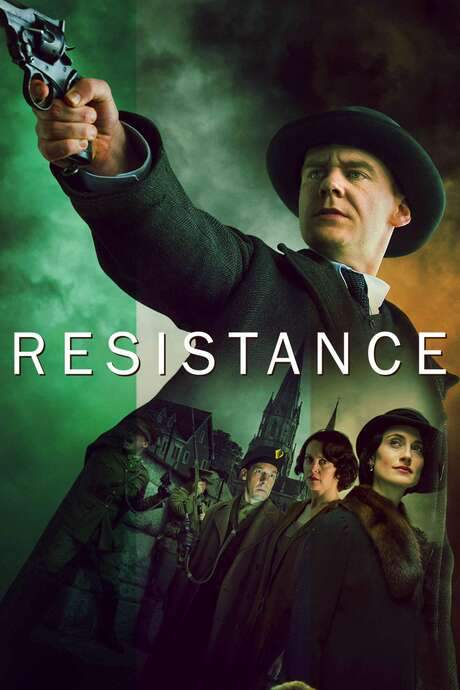
Resistance (1000) movie poster

Plot Summary

Resistance (1000) Plot Summary Explained

Release, runtime and language
1000 · More mins · English
Loading streaming availability…
Directed by
Catherine Morshead
Starring
David Wilmot, Craig Parkinson, Catherine Walker, Brian Gleeson, Brian Doherty, Simone Kirby

Building on the Rebellion miniseries, this sequel is set at the peak of Ireland’s War of Independence, tracing how ordinary people become entangled in the turmoil of the era. It examines the personal and communal consequences of the conflict, showing how history reshapes lives and loyalties.

On this page (6)
  1. 1 Where to watch
  2. 2 What happens: full plot
  3. 3 Plot questions answered
  4. 4 Movie threads
  5. 5 Movies like Resistance
  6. 6 Every angle
Loading streaming availability…

Full plot summary · contains spoilers

What Happens in Resistance: Full Plot Summary

The whole story of Resistance (1000) explained, from the opening scene to the final frame: every key event, every twist and what it all adds up to. Read it as a quick recap before the sequel, to check a scene you missed, or to finally understand what really happened.

The film unfolds against the looming shadows of the late 1930s and the harsh realities of war, beginning in 1938 in Munich where the Nazi Brown Shirts break into the home of a young Jewish girl named Elsbeth, leaving tragedy in their wake as her parents are killed. This brutal moment sets a stark mood for a story that threads personal courage through a landscape of oppression and fear.

In Strasbourg, 1939, we meet Marcel Marceau as a young man who works in his father’s butcher shop and longs for something more than the drudgery of his daily life. Although the world around him grows more dangerous by the day, he remains drawn to the arts—especially mime and painting—and he pursues these passions with a quiet tenacity that irks his father. At a local cabaret, Marcel performs impression after impression of Charlie Chaplin, a likeness that becomes a recurring motif—both a homage and a quiet rebellion against the mounting brutality. It is here that he becomes smitten with a local girl named Emma, harboring a hopeful wish to marry her despite the era’s chaos.

Marcel’s cousin Georges, connected to the Jewish arm of the French Resistance, adds another dimension to the story. He and Emma bring together a Scout troop of 123 Jewish orphans to Strasbourg, providing them with a home at a castle where they begin to transform fear into a fragile sense of safety. The children, once terrified, gradually adapt to their new surroundings, encouraged by Marcel’s comic talents and the companionship that grows between him and Emma. The romance between Marcel and Emma deepens amid the daily acts of survival and the tight-knit community that the Resistance begins to build around them.

The autumn of 1939 brings a grim escalation as Germany invades Poland, intensifying the stakes for everyone involved. Marcel and Emma become more deeply entwined with the Resistance, while the dispersed Jewish children are spread into smaller groups to reduce visibility—some hidden in churches, others taken in by sympathetic families. Throughout these perilous times, Marcel and Emma maintain their connection to Elsbeth, holding onto the thread of hope that unity and ingenuity can outlast intimidation.

As 1941 passes into 1942, the story interweaves with the ascent of Klaus Barbie, a brutal figure who arrives in Lyon during the Nazi occupation of southern France. Barbie’s ruthlessness is exercised through bribery, betrayals, and grisly executions carried out in the cold, empty halls of a Gestapo headquarters’ swimming pool. His notoriety—later known as “The Butcher of Lyon”—casts a long shadow over everyone who resists.

Marcel and Emma relocate to Lyon to continue their work with the Resistance, joined by Marcel’s brother Alain and Emma’s sister Mila. The danger remains constant as a Nazi sweep grips the city’s train station, forcing Alain to fight his way through danger and Marcel to help his brother escape by burning a German soldier’s uniform and cover. Yet Mila is not so fortunate; she is captured during a later Gestapo roundup, and Barbie tortures her to extract information about the Resistance and Emma’s whereabouts. Though Mila dies in the process, Emma survives by collaborating under duress, a harrowing choice that leaves both women haunted and determined to protect others. After Mila’s death, Marceau and Emma’s bond deepens into a vow to rescue Jewish children by guiding them toward safer ground.

With the goal of safeguarding as many lives as possible, Marcel, Emma, and Alain devise a dangerous plan to ferry a dozen children, including Elsbeth, to the Swiss border. They disguise their mission as a hiking trip and mount an audacious journey along a SNCF train toward the French Alps and beyond. Barbie’s SS troops close in at the last station before the Franco-Swiss frontier, forcing Emma into hiding as they search the train and question Marcel, who pretends to be a collaborator. Barbie cannot uncover Emma or the children’s true intention, and the trio presses on toward the border with renewed resolve.

Barbie’s pursuit intensifies in the icy forests of the borderlands, and the danger grows with every step. The SS commander comes agonizingly close to catching them, and at one tense moment he nearly discharges his handgun. Yet the group’s courage carries them forward, and they finally reach Switzerland, albeit with heartbreak—Emma is mortally wounded in the chase, and Marcel bears the weight of that loss as they continue toward safety with the children.

The story closes in 1945 at Nuremberg, Germany, where Marceau has transformed into a liaison officer with the United States Army. He continues to perform and bring moments of light to wartime troops, a testament to the power of art even in the darkest hours. Introduced by General George S. Patton, the film reveals that Marceau crossed the Alps many times to save hundreds of children, many of them orphans, and thereby influenced thousands more. The ending is marked by a final, evocative mime—a quiet assertion of resilience and humanity in the face of atrocity.
Last updated: November 22, 2025 at 15:59

Was this helpful?

Plot questions answered

Resistance Plot Explained: Your Questions Answered

The questions people ask most about Resistance (1000): what happens in the confusing scenes, why the characters do what they do, the twists, hidden details and what the ending means. Each answer contains spoilers.

Q1

Why does Marcel Marceau join the French Resistance?

Marcel joins the Resistance after witnessing the Nazi occupation's brutality firsthand in Strasbourg. His cousin Georges introduces him to the Jewish arm of the French Resistance, and Marcel becomes particularly motivated to help after meeting Elsbeth, a young Jewish girl who lost her parents in the Munich raid. His desire to protect the Jewish orphans and his growing relationship with Emma further commit him to the cause.

  • marcel marceau
  • resistance
  • join
  • motivation
  • jewish children
Q2

What happens to Emma during the escape to Switzerland?

Emma is mortally wounded while fleeing through the icy forests near the Swiss border. As Barbie's SS troops pursue them, Barbie fires his handgun and hits Emma. Despite her fatal injury, she helps the group continue forward, and Marcel and the children ultimately reach safety in Switzerland. Her death occurs off-screen as she succumbs to her wounds during the chase.

  • emma
  • death
  • escape
  • switzerland
  • border
  • pursuit
Q3

Who was Klaus Barbie and why was he so feared?

Klaus Barbie was the SS commander who arrived in Lyon in 1942 to crush the French Resistance. Known as "The Butcher of Lyon," he used bribery, betrayals, and brutal executions carried out in an empty swimming pool at Gestapo headquarters. His torturous methods included extracting information from captives, and he personally tortured Mila to death. His relentless pursuit of Marcel and the children demonstrates his reputation for ruthlessness.

  • klaus barbie
  • butcher of lyon
  • ss
  • gestapo
  • lyon
  • torture
Q4

Why does Marcel use mime as part of his resistance work?

Marcel uses mime to help the Jewish children cope with their trauma. At the castle where the orphans are sheltered, his comic talents and performances help the terrified children gradually adapt to their new surroundings and find moments of joy amid the fear. Later, his Chaplin impressions at the cabaret serve as both artistic expression and quiet rebellion against Nazi oppression.

  • mime
  • marcel
  • children
  • entertainment
  • charlie chaplin
Q5

What happened to Mila, Emma's sister?

Mila is captured during a Gestapo roundup in Lyon while helping with Resistance work. Klaus Barbie tortures her to extract information about the Resistance network and Emma's whereabouts. Mila dies under torture, refusing to betray her companions. Her death motivates Emma and Marcel even more to rescue the children and continue their mission.

  • mila
  • captured
  • torture
  • death
  • barbie
  • gestapo
Q6

How did Marcel and the children escape to Switzerland?

Marcel, Emma, and Alain disguise the Jewish children as a hiking party and board an SNCF train toward the French Alps. At the last station before the Swiss border, Barbie's SS troops board and search the train, forcing Emma to hide. The group then continues on foot through the icy forests, pursued by Barbie until they finally reach Switzerland and safety.

  • escape
  • switzerland
  • children
  • train
  • alps
  • border
Q7

Who is Elsbeth and what is her significance?

Elsbeth is a young Jewish girl introduced in the opening scene when Nazi Brown Shirts kill her parents in Munich in 1938. She becomes one of the 123 Jewish orphans taken in by the Resistance and sheltered in a castle. Marcel and Emma maintain their connection to her throughout the story. She is among the dozen children Marcel rescues in the final mission to Switzerland, representing the personal stakes of his work.

  • elsbeth
  • jewish girl
  • orphan
  • munich
  • rescue
Q8

Why does Marcel burn a German soldier's uniform?

During a Nazi sweep of Lyon's train station, Marcel's brother Alain is trapped and in danger. Marcel helps Alain escape by burning a German soldier's uniform and cover, using the confusion to create a diversion. This act allows Alain to break through and flee from the Nazis, demonstrating Marcel's quick thinking under pressure.

  • marcel
  • alain
  • uniform
  • escape
  • lyon
  • station
Q9

How many children did Marcel Marceau save?

According to the film, Marcel Marceau crossed the Alps multiple times to rescue hundreds of Jewish children throughout the war. In the specific mission depicted, he, Emma, and Alain escort a dozen children to Switzerland, including Elsbeth. The post-war narration reveals he ultimately saved hundreds of children, many of them orphans.

  • children
  • rescued
  • number
  • switzerland
  • alps
  • hundreds
Q10

Was Marcel Marceau actually in the French Resistance?

Yes, the film is based on true events. Marcel Marceau was a real French Resistance member during WWII. He used his skills as a mime to entertain children in hiding and later helped smuggle Jewish children to safety across the Swiss border. The film dramatizes his experiences, including the character of Emma (a composite figure) and some events for narrative purposes.

  • marcel marceau
  • historical
  • real
  • resistance
  • true story
Q11

What does the final mime performance at Nuremberg represent?

The final mime performance symbolizes resilience and the triumph of art and humanity over the horrors of war. Performed in 1945 before US Army troops, with Marcel in his iconic white face paint and blue-white shirt, it represents hope and the human spirit's ability to find joy and expression even after profound loss. It closes the film on a bittersweet note, affirming Marcel's belief in art's power to heal.

  • mime
  • finale
  • nuremberg
  • performance
  • symbolism
  • resilience
Q12

Why does Emma collaborate with the Nazis after Mila's capture?

After Mila is tortured to death by Barbie, Emma survives by collaborating with the Nazis under duress. This harrowing choice reflects the impossible circumstances faced by resistance workers. Though she survives, she is deeply haunted by this compromise. The experience strengthens her determination to protect others, particularly the children she helps rescue.

  • emma
  • collaborate
  • barbie
  • survival
  • moral dilemma

Movie threads

More Movies Like Resistance, by Mood & Story

Curated lists built around what makes Resistance tick: the same mood, the same kind of story or the same emotional payoff. Each list explains why these movies belong together.

Resistance and Rebellion Movies like Resistance

Stories of ordinary people finding heroism while battling tyrannical regimes. Find more movies like Resistance that explore themes of rebellion and defiance against overwhelming forces. These films share a dark, tense tone, high emotional stakes, and stories of ordinary people becoming heroes. If you enjoyed the struggle against occupation in Resistance, you'll find similar powerful dramas here.

  • tense
  • courageous
  • oppressive
  • somber
  • heart-wrenching
  • hopeful
  • Tone: dark, tense, courageous
  • Pacing: variable, building to intense climaxes
Why these movies?

The story pattern: Narratives in this thread typically follow individuals or groups who are forced to confront a powerful, often brutal, authority. The journey involves organizing resistance, facing grave danger, and making profound sacrifices, where success is measured in small victories and survival itself is a form of triumph.

Why they belong together: These movies are grouped by their shared core of depicting resistance against oppression. They consistently feature high intensity, a dark tone, and a heavy emotional weight, creating a cohesive viewing experience for those interested in stories of moral courage under extreme duress.

Bittersweet Wartime Dramas with Heavy Endings like Resistance

Journeys where hard-won success is deeply shadowed by personal sacrifice. Explore movies similar to Resistance that deliver a bittersweet ending, blending victory with significant loss. These emotionally heavy dramas often involve war, survival, or moral battles, leaving a lasting impact. If the poignant conclusion of Resistance resonated with you, this collection is a perfect match.

  • bittersweet
  • heart-wrenching
  • somber
  • hopeful
  • tragic
  • poignant
  • Tone: dark, bittersweet, somber
  • Pacing: variable, emotionally driven
Why these movies?

The story pattern: The narrative pattern involves a central struggle where the protagonists achieve their goal—saving lives, winning a battle, securing freedom—but suffer a devastating personal loss along the way. The story structure balances moments of hope and success against backdrop of trauma and sacrifice, culminating in an emotionally complex resolution.

Why they belong together: These films are united by their specific emotional payoff: a bittersweet ending that acknowledges both achievement and sacrifice. They share a heavy emotional weight and often a dark tone, creating a coherent category for viewers who appreciate complex, emotionally resonant conclusions.

If you liked this

Movies Like Resistance

Similar movies to Resistance: the same genre, themes or kind of story. Each one comes with its own plot summary, timeline and ending explained.

Browse all movie summaries

Every angle

Resistance (1000) Explained: Plot, Timeline & Characters

Everything about Resistance in one place: what happens in the plot summary, the timeline in chronological order, the characters and meaning and a spoiler-free summary. What's After the Movie adds the cast, box office and post-credit scenes.

Coming soon on iOS and Android

The Plot Explained Movie Summary App

Plot summaries, endings explained and timelines on your phone. Catch up on any movie in minutes, save your favorites and never miss a twist again.

Be the first to know when we launch. Your email stays private, always.

Learn more about the app