Plot Explained Spoilers guaranteed!
Plot Explained

Browse by genre

Witness to the Execution (1994) movie poster

Timeline

Witness to the Execution (1994) Timeline Explained – Every Event in Order

Release, runtime and language
1994 · 96 mins · English
Directed by
Tommy Lee Wallace
Starring
Sean Young, Dee Wallace, Brandon Smith, Len Cariou, Brian Markinson, Alan Fudge

This movie deals with a television network hoping to draw the biggest ratings ever while televising an execution live into the home of every American family.

On this page (5)
  1. 1 Events in order (12)
  2. 2 Timeline questions answered
  3. 3 Movie threads
  4. 4 Movies like Witness to the Execution
  5. 5 Every angle

12 events in order · contains spoilers

Witness to the Execution Timeline: Events in Chronological Order

Every key event of Witness to the Execution (1994) in order, scene by scene, with when and where it takes place. Use it to untangle flashbacks, time jumps and parallel storylines, to refresh your memory before the sequel or to find the exact scene you are thinking of.

  1. Pitching the live execution reality special

    Jessica Traynor pitches a controversial idea to broadcast a condemned man's execution as a reality event. She argues it could redefine notions of justice and public accountability, while aiming to boost her network's ratings. The concept sets the project on a collision course with ethics and public sentiment.

    When
    Pre-production
    Where
    Network offices
  2. Greenlight and corporate backing

    As the project gains traction, executives and sponsors back the plan, turning it from a risky concept into a high-profile production. The corporate backing signals a willingness to push boundaries for ratings. The team begins assembling production machinery to stage a global spectacle.

    When
    Approval phase
    Where
    Boardroom
  3. The condemned man agrees to participate

    A condemned inmate agrees to participate for money to support his family, seeing the broadcast as a last chance. The prisoner becomes the focal point of the network's gamble on sensationalism. Production logistics move forward with his consent.

    When
    Before filming
    Where
    Death row prison
  4. Public reaction divides

    News previews spark a polarized response from the public and critics. Some view the project as an honest examination of capital punishment, while others condemn it as exploitation. The controversy puts public pressure on the network to justify its decisions.

    When
    Public controversy grows
  5. Elaborate preparations become a spectacle

    The team stages elaborate preparations to turn the event into a worldwide media spectacle. Sets, live feeds, and narrative pacing are choreographed to maximize drama and viewer engagement. Behind the gloss, the mechanics of manipulation begin to reveal themselves.

    When
    Production phase
    Where
    Studio and control room
  6. The interview reveals a human face

    Traynor conducts an interview with the prisoner to uncover his humanity and backstory. The conversation exposes the emotional toll of the impending execution and forces her to confront the human stakes behind the spectacle. The interview marks a turning point in her ethical reflections.

    When
    During pre-broadcast interviews
    Where
    Prison interview room
  7. Discovery of manipulation and concealed facts

    Traynor discovers the network is manipulating the narrative and suppressing key facts about the prisoner's trial. The truth is filtered to fit the ratings calculus, eroding trust in the project. With the broadcast date looming, she faces a growing ethical dilemma.

    When
    Investigation into production practices
    Where
    Newsroom / Editing suites
  8. Moral crisis as broadcast approaches

    On the night of the broadcast, Traynor confronts the costs of her creation and the harm it may unleash. She wrestles with whether to halt the project or let the spectacle unfold. The moral weight of the decision presses heavily as the clock ticks down.

    When
    Evening before broadcast
    Where
    Broadcast studio
  9. Traynor attempts to halt the execution

    During the crisis moment in the studio, she makes a last-ditch effort to stop the execution. This sets up a clash between her conscience and the network's push for sensationalism. The scene crystallizes the central conflict between ambition and morality.

    When
    Night of broadcast (crisis moment)
    Where
    Broadcast studio / control room
  10. Network overrides and broadcasts live

    Despite her intervention, the network overrides her and broadcasts the death live. The moment exposes how media interests can override ethical concerns when ratings are at stake. Viewers around the world witness the execution as the centerpiece of the reality spectacle.

    When
    Live broadcast night
    Where
    Control room / Network headquarters
  11. Aftermath: career and ethics in ruins

    In the wake of the broadcast, Traynor's career is ruined and her sense of ethics is shattered. The film argues that sensationalism corrodes public accountability and justice. She bears the personal cost of having created a spectacle that obscured crucial truths.

    When
    Post-broadcast aftermath
    Where
    Press offices / newsroom
  12. The film's message about media sensationalism

    The story closes with a pointed critique of the media ecosystem and its hunger for ratings. It reveals how power can distort truth and exploit vulnerability for profit. The closing message serves as a warning about the corrupting influence of sensationalism.

    When
    Post-broadcast epilogue
    Where
    Media industry

Last updated: February 17, 2026 at 19:58

Was this helpful?

Timeline questions answered

Witness to the Execution Timeline Explained: Your Questions Answered

When does it happen, and why in that order? The questions people ask about the chronology of Witness to the Execution (1994): time jumps, flashbacks, cause and effect between scenes and the correct order of events, each answered with spoilers.

Q1

Why does Jessica Traynor propose broadcasting a live execution?

Jessica proposes the live execution broadcast as a strategy to rescue her struggling television network. While she frames it publicly as a groundbreaking exploration of justice and public accountability, her true motive is to generate massive ratings that will save the network from financial decline. The project is essentially a ratings gambit wrapped in moral language.

  • jessica traynor
  • television network
  • ratings
  • execution broadcast
  • media ethics
Q2

Why does the condemned prisoner agree to participate in the broadcast?

The condemned inmate agrees to participate because the network offers him money that will go directly to his family. He sees the broadcast as a final opportunity to provide financial support for his loved ones, despite knowing he will not survive the event. His consent becomes central to the ethical debate surrounding the production.

  • condemned prisoner
  • death row
  • money
  • family
  • participation
Q3

What manipulation does Jessica discover the network is doing?

Jessica discovers that the network has been manipulating the narrative and suppressing key facts about the prisoner's trial. The truth about his case has been filtered and edited to fit the ratings calculus, essentially manufacturing a simplified story for audience consumption. This revelation exposes how the production prioritizes entertainment value over accurate representation of justice and capital punishment.

  • network manipulation
  • trial facts
  • narrative control
  • concealed information
  • media deception
Q4

What triggers Jessica's moral crisis before the broadcast?

Jessica's moral crisis is triggered when she interviews the condemned prisoner and confronts his humanity directly. Through their conversation, she becomes aware of the emotional toll on him and recognizes the human cost of her production. This personal connection forces her to grapple with the reality that she has been instrumental in creating a spectacle that will end a man's life for entertainment.

  • jessica moral crisis
  • prisoner interview
  • conscience
  • ethical dilemma
  • human cost
Q5

Does Jessica successfully stop the execution broadcast?

Jessica attempts to halt the execution during the live broadcast, making a desperate last-ditch effort to stop the spectacle. However, the network overrides her intervention and proceeds with the live broadcast. Her attempt fails because corporate interests choose ratings and profits over ethical concerns, and the execution airs as planned.

  • jessica stops broadcast
  • network overrides
  • failed intervention
  • live execution
Q6

What happens to Jessica Traynor after the broadcast?

After the broadcast, Jessica's career lies in ruins and her sense of ethics is completely shattered. She bears the personal cost of having created a media spectacle that obscured crucial truths and contributed to the execution. The aftermath represents the destruction of both her professional standing and her moral integrity, leaving her to confront the consequences of her ambition.

  • jessica career
  • aftermath
  • ethics destroyed
  • professional ruin
  • consequences
Q7

Why does the network override Jessica's decision to stop the broadcast?

The network overrides Jessica because the broadcast represents their biggest ratings opportunity ever. Corporate executives prioritize profits and audience numbers over ethical considerations. The decision illustrates how media interests can override individual conscience when massive financial stakes are involved, choosing sensationalism over morality.

  • network executives
  • ratings priority
  • corporate decision
  • profit over ethics
  • sensationalism
Q8

What is the movie's message about media and sensationalism?

The movie delivers a pointed critique of how media sensationalism can distort truth and exploit vulnerability for profit. It demonstrates how a single executive's ambition can ripple through lives, justice systems, and public trust. The film warns that the hunger for ratings can corrupt accountability and dignity, showing the dangerous collision between media ambition and ethical responsibility.

  • media critique
  • sensationalism
  • public trust
  • ratings culture
  • ethical corruption
Q9

How does the public react to the idea of a televised execution?

Public reaction splits sharply between two camps. Some view the broadcast as an honest examination of capital punishment and a way to confront the reality of state execution. Others condemn it as exploitative sensationalism that turns a human death into entertainment. This polarized response creates intense controversy and puts the network under pressure to justify its decisions.

  • public reaction
  • controversy
  • capital punishment debate
  • ethical divide
  • media backlash
Q10

Why does the condemned prisoner become the focal point of the production?

The condemned prisoner becomes the focal point because he is central to the network's gamble on sensationalism. Without his participation and story, the broadcast would lack the human element that drives audience engagement. His agreement to participate transforms him from a anonymous death row inmate into the centerpiece of a global media event designed to maximize viewer interest and emotional investment.

  • prisoner focal point
  • media spectacle
  • audience engagement
  • central character
  • production focus

Movie threads

More Movies Like Witness to the Execution, by Mood & Story

Curated lists built around what makes Witness to the Execution tick: the same mood, the same kind of story or the same emotional payoff. Each list explains why these movies belong together.

Movies about media ethics like Witness to the Execution

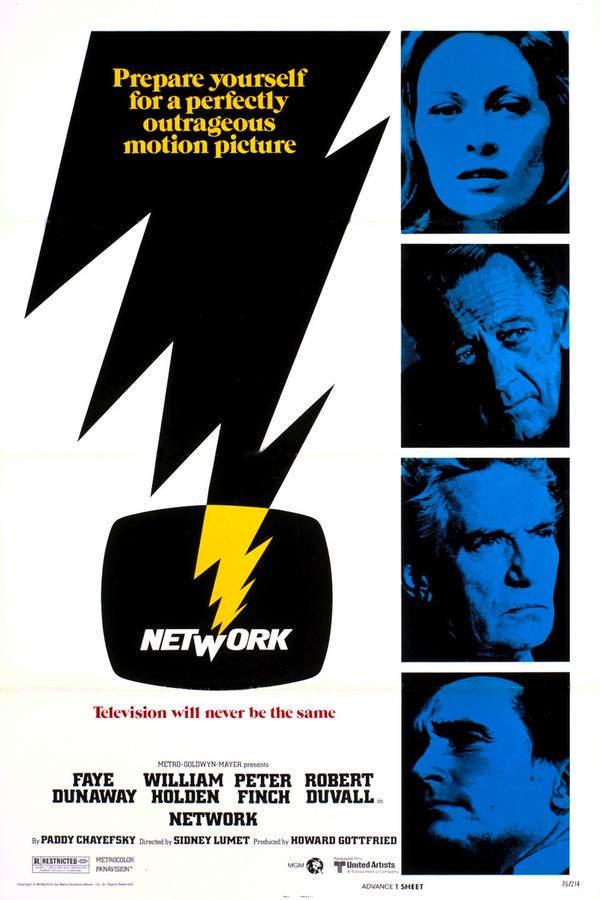
Stories that confront the dark side of corporate media and sensationalism. If you were captivated by the critique of media sensationalism in Witness to the Execution, explore these movies about media ethics. These films feature tense dramas and dark satires that expose corporate greed and moral dilemmas within the television and news industries.

  • unsettling
  • cynical
  • tense
  • moral conflict
  • anxious
  • gritty
  • Tone: dark, cynical, tense
  • Pacing: steady, methodical
Why these movies?

The story pattern: The narrative pattern typically involves a protagonist, often a media professional, who becomes complicit in a morally questionable venture—be it a sensationalized news story, a exploitative reality show, or a manipulated public narrative. The story charts their growing unease and the eventual confrontation with the human cost of their actions, often leading to a bleak or cynical outcome.

Why they belong together: These movies are grouped because they share a central thematic focus on the corrosive power of corporate media. They create a similar feeling of moral unease and anxiety, driven by a critique of institutions that prioritize spectacle over substance.

Movies with bleak inevitability like Witness to the Execution

Tense dramas where a grim outcome looms, creating a sense of dread. If you appreciated the building dread and inevitable bleak ending of Witness to the Execution, you'll find more movies like it here. These films feature straightforward, tense narratives where characters are powerless to stop a tragic outcome, resulting in a heavy emotional experience.

  • tense
  • grim
  • anxious
  • dread
  • bleak
  • unsettling
  • Tone: dark, bleak, tense
  • Pacing: steady, deliberate
Why these movies?

The story pattern: Stories in this thread follow a linear, straightforward path towards a tragic event that is established early on. The pacing is steady and deliberate, emphasizing the characters' powerlessness and the inescapable nature of the looming disaster. The emotional journey is one of growing anxiety that culminates in a bleak resolution.

Why they belong together: These movies are grouped by their shared narrative structure and emotional arc—a steady build of tension towards an inevitable, grim conclusion. They create a specific, heavy viewing experience defined by powerlessness and moral discomfort rather than surprise.

If you liked this

Movies Like Witness to the Execution

Similar movies to Witness to the Execution: the same genre, themes or kind of story. Each one comes with its own plot summary, timeline and ending explained.

Browse all movie summaries

Every angle

Witness to the Execution (1994) Explained: Plot, Timeline & Characters

Everything about Witness to the Execution in one place: what happens in the plot summary, the timeline in chronological order, the characters and meaning and a spoiler-free summary. What's After the Movie adds the cast, box office and post-credit scenes.

Coming soon on iOS and Android

The Plot Explained Movie Summary App

Plot summaries, endings explained and timelines on your phone. Catch up on any movie in minutes, save your favorites and never miss a twist again.

Be the first to know when we launch. Your email stays private, always.

Learn more about the app