








Plot Explained Spoilers guaranteed!
Plot Explained

Browse by genre

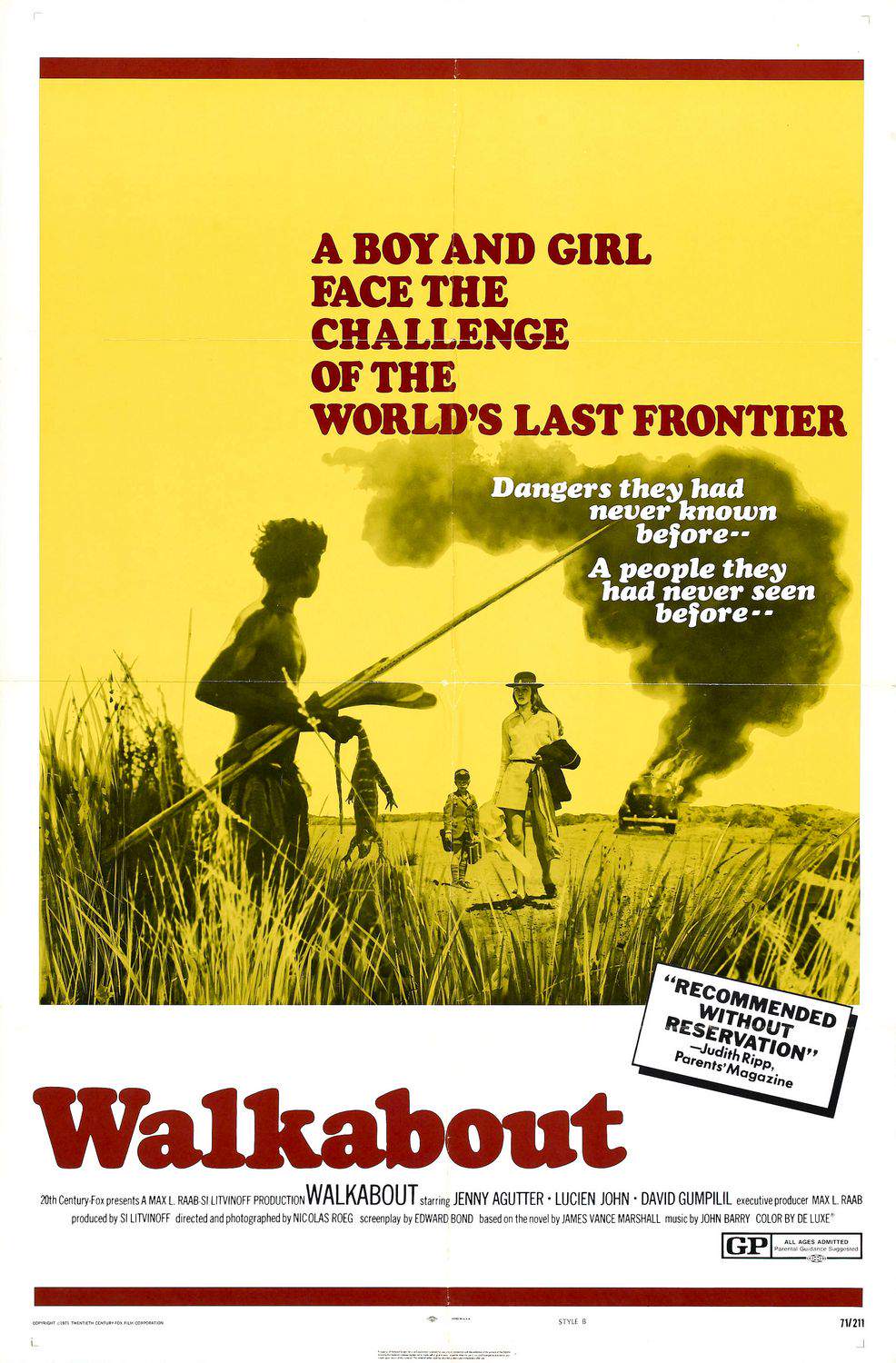
Walkabout (1971) movie poster

Timeline

Walkabout (1971) Timeline Explained – Every Event in Order

Release, runtime and language
1971 · 100 min · English
JustWatch #11,396 3
Directed by
Nicolas Roeg
Starring
Barry Donnelly, David Gulpilil, Hilary Bamberger, Jenny Agutter, John Illingsworth, John Meillon

During a wilderness retreat, a group of young Christians encounters unexpected challenges when a novice filmmaker documents their journey. The experience tests their faith and reveals the raw beauty and power of the natural world as they navigate unforeseen circumstances and confront the fragility of their beliefs.

On this page (7)
  1. 1 Where to watch
  2. 2 Events in order (15)
  3. 3 Timeline questions answered
  4. 4 The book behind the movie
  5. 5 Movie threads
  6. 6 Movies like Walkabout
  7. 7 Every angle

Where to watch

Where to Watch Walkabout (1971)

Where can you watch Walkabout? Stream, rent or buy it in the US, including on HBO Max, Amazon Video and Apple TV Store: current JustWatch availability with up-to-date prices.

Streaming availability powered by JustWatch

15 events in order · contains spoilers

Walkabout Timeline: Events in Chronological Order

Every key event of Walkabout (1971) in order, scene by scene, with when and where it takes place. Use it to untangle flashbacks, time jumps and parallel storylines, to refresh your memory before the sequel or to find the exact scene you are thinking of.

  1. Family Life in Sydney

    The film opens with a picturesque view of a family living in a high-rise apartment in Sydney, Australia. The mother is busy in the kitchen preparing a meal while her children enjoy their time playing by the pool, blissfully unaware of the turmoil that lies ahead.

    Where
    Sydney, Australia
  2. The Picnic in the Outback

    One day, the father decides to take his children on a picnic in the Outback, marking a significant shift in their lives. After arriving at a scenic spot, the family settles down for lunch, with the father engrossed in a book while the children play.

    Where
    Outback, Australia
  3. The Begining of the Chaos

    The father suddenly reveals a gun and begins shooting at his children, leading to a terrifying and chaotic scene. While the young boy initially perceives it as a game, his sister quickly realizes the reality of the danger and rushes to protect him.

    Where
    Outback, Australia
  4. Tragedy Strikes

    In the aftermath of the shocking event, the father returns to the car, sets it ablaze, and takes his own life. The sister, witnessing this, feels a profound sense of loss and grief, realizing her life has changed forever.

    Where
    Outback, Australia
  5. Survival Instincts Kick In

    After the tragedy, the girl gathers what little supplies she can find, including a radio and a scarf. Determined to survive, she leads her brother into the wilderness, where they must rely on each other amidst the harsh conditions.

    Where
    Outback, Australia
  6. A Makeshift Camp

    As night falls, the siblings establish a makeshift camp to protect themselves. They derive some joy from their surroundings and share comforting stories while grappling with the fear of their isolation.

    Where
    Outback, Australia
  7. Finding Water

    The children stumble upon a tree near a waterhole filled with parakeets, providing them with much-needed refreshment. However, the joy is short-lived when they discover the waterhole has dried up, forcing them to make difficult decisions.

    Where
    Outback, Australia
  8. An Unexpected Friendship

    The siblings encounter a young Aboriginal boy who is on his own walkabout, a rite of passage. Despite the language barrier, he demonstrates kindness and teaches them how to find water, forming a bond that transcends their differences.

    Where
    Outback, Australia
  9. Cultural Connections

    As they travel together, the Aboriginal boy shares traditional knowledge with the siblings, providing sustenance and care, thus deepening their bond. However, the girl's caution starts to clash with the Aboriginal boy's growing affection for her.

    Where
    Outback, Australia
  10. The Discovery of the Past

    Their journey leads them to an abandoned homestead, where the girl is overwhelmed by nostalgia upon discovering relics from her former life. This poignant moment highlights her longing for the innocence and safety of her past.

    Where
    Outback, Australia
  11. Moments of Confusion

    As the trio continues, they encounter a passing truck filled with white men, which leaves the Aboriginal boy confused and curious. The girl struggles to understand her feelings as the boy performs a courtship dance that unintentionally frightens her.

    Where
    Outback, Australia
  12. Parting Ways

    Feeling unsafe, the girl decides they must part ways with the Aboriginal boy, leading to a painful farewell. The separation reflects both the fear of the unknown and the harsh realities that have overshadowed their adventure.

    Where
    Outback, Australia
  13. Sad Discovery

    Continuing their journey alone, the siblings find their Aboriginal friend lifeless, a victim of exhaustion and heartbreak. This heartbreaking moment shatters the girl’s remaining hope, compelling them to seek assistance.

    Where
    Outback, Australia
  14. Searching for Help

    The children make their way to a nearby mine, hoping to find help, but their cries go unanswered. This moment emphasizes their isolation and deepening desperation as they face the brutal realities of their survival.

    Where
    Outback, Australia
  15. Reflections of the Past

    Years later, the now-grown girl reflects on her childhood while reuniting with her husband. As they discuss a vacation, she drifts back to the carefree days spent in the Outback with her brother and their friend, highlighting the lasting impact of those experiences.

    Where
    Gold Coast, Australia

Last updated: November 15, 2024 at 19:21

Was this helpful?

Timeline questions answered

Walkabout Timeline Explained: Your Questions Answered

When does it happen, and why in that order? The questions people ask about the chronology of Walkabout (1971): time jumps, flashbacks, cause and effect between scenes and the correct order of events, each answered with spoilers.

Q1

Why does the father attack his children in the film?

The father's attack is a portrayal of his severe mental breakdown. The film suggests he has been struggling mentally for some time, shown watching his children from the balcony with troubled thoughts. He deliberately takes his children to the remote Outback to carry out the attack and subsequent suicide, using the isolation to ensure his plan succeeds. The exact psychological motivation is left somewhat ambiguous, but it represents a complete mental collapse rather than a rational act.

Foreshadowing: Earlier scenes show the father watching his family from a distance with a troubled expression, hinting at his deteriorating mental state.

  • father
  • suicide
  • mental breakdown
  • children
  • attack
  • outback
Q2

What is a walkabout in Aboriginal culture?

A walkabout is a traditional Aboriginal Australian rite of passage where young men leave their community to travel the land alone for an extended period, typically several months. It is a spiritual journey meant to connect them with their ancestors, learn survival skills, and transition into adulthood. In the film, the Aboriginal boy is on this traditional journey when he encounters the lost siblings.

  • walkabout
  • aboriginal
  • tradition
  • rite of passage
  • culture
Q3

Why does the Aboriginal boy die in Walkabout?

The Aboriginal boy dies from exhaustion and dehydration after being rejected by the girl and left behind. The film suggests his death is partly from a broken heart, he had developed feelings for her, performed a courtship dance, and was then abandoned. Physically, he is exhausted from caring for them and traveling, and without the will to continue after their departure, he succumbs to the harsh Outback conditions.

Foreshadowing: The Aboriginal boy's sunburn and fatigue are shown earlier in the journey, and his emotional attachment to the girl is established through his attempts to connect with her.

  • aboriginal boy
  • death
  • exhaustion
  • heartbreak
  • outback
Q4

Why does the girl reject the Aboriginal boy's courtship dance?

The girl rejects the dance because she finds it frightening rather than romantic. Coming from her sheltered urban background, the dance with clay, feathers, and intense emotion is completely foreign to her. Combined with her cautious nature and the cultural gap between them, she misinterprets his gesture as threatening rather than an expression of affection, which contributes to her decision to leave him.

Foreshadowing: The girl's constant caution and hesitation around the Aboriginal boy are shown throughout their journey, and her inability to understand his cultural expressions builds throughout the film.

  • courtship dance
  • rejection
  • cultural misunderstanding
  • aboriginal boy
  • fear
Q5

What happens at the end of Walkabout?

At the end, the now-adult girl (Jenny) is living a comfortable life with her husband, who has received a promotion and plans to take them on vacation to the Gold Coast. However, as her husband talks excitedly about the trip, she drifts into a memory of her childhood in the Outback with her brother and their Aboriginal friend. This ending suggests she remains emotionally disconnected from her adult life, haunted by the traumatic loss of innocence and her friend's death.

Foreshadowing: The film repeatedly shows her nostalgic longing for the Outback experience throughout their journey home.

  • ending
  • adulthood
  • gold coast
  • memory
  • nostalgia
  • husband
Q6

Why couldn't the children get help at the mine in Walkabout?

The children find an abandoned mine and call out for help, but no one answers. The mine appears to be closed or deserted. This moment emphasizes their complete isolation and the harsh reality that civilization is further away than they hoped. It also marks a turning point where their hope begins to fade before they ultimately find their way to safety.

  • mine
  • help
  • isolation
  • abandoned
  • children
Q7

What does the girl find at the abandoned homestead?

At the abandoned homestead, the girl discovers old photographs and relics from a past white settlement. These items represent her former life, the world she was taken from when her father brought her to the Outback. The discovery overwhelms her with nostalgia and sadness, symbolizing her lost innocence and the irreversible distance between her old life and her current survival situation.

Foreshadowing: The journey toward the homestead has been building, and her emotional state has been increasingly fragile.

  • homestead
  • photographs
  • past
  • nostalgia
  • relics
  • discovery
Q8

Why does the father set the car on fire after the shooting?

The father sets the car on fire to destroy evidence and ensure his plan is completed. By burning the car, he eliminates any possibility of the children using it for escape or rescue. The fire also serves as the method for his own suicide, as he returns to the burning vehicle to take his own life. This act represents his complete commitment to his fatal plan.

  • car fire
  • suicide
  • father
  • evidence
  • burning
Q9

Why does the girl decide to leave the Aboriginal boy?

The girl decides to leave because she feels unsafe and overwhelmed. The Aboriginal boy's courtship dance frightens her, and she cannot understand his cultural expressions or intentions. Combined with her protective role toward her brother and the desire to find help, she believes their separation is necessary for survival. She does not realize the devastating consequences this choice will have.

Foreshadowing: Her cautious nature has been established throughout the film, and tension has been building as the boy shows increasing affection.

  • leave
  • aboriginal boy
  • safety
  • fear
  • separation
  • decision
Q10

What causes the cultural misunderstandings between the siblings and the Aboriginal boy?

The cultural misunderstandings stem from vastly different backgrounds with no shared language. The siblings are urban Australian children with no exposure to Aboriginal culture, while the boy is from a traditional Aboriginal community performing a sacred rite of passage. They cannot verbally communicate, leading to misinterpretations of gestures, intentions, and emotions, such as the courtship dance being perceived as threatening.

  • culture
  • misunderstanding
  • language barrier
  • communication
  • aboriginal
Q11

Why does the adult woman think about the Outback in Walkabout?

The adult Jenny thinks about the Outback because the experience profoundly shaped her. The traumatic loss of her father, the struggle to survive, and especially the death of the Aboriginal boy left lasting emotional scars. Though she now lives a comfortable adult life, the film suggests she remains emotionally disconnected from her present, haunted by the innocence she lost in the wilderness.

Foreshadowing: Throughout the journey home, she is shown reflecting on the experience and longing for what was lost.

  • nostalgia
  • trauma
  • adulthood
  • outback
  • memory
  • emotional disconnect
Q12

How do the children survive in the Outback?

The children survive through a combination of luck, resourcefulness, and help from the Aboriginal boy. The girl remembers survival stories from her uncle and tries to ration supplies. They find water with the boy's help, eat food he provides, and rely on each other for emotional support. Their determination to stay alive and find help keeps them going until they reach civilization.

Foreshadowing: The girl's reference to her uncle's survival training earlier establishes her knowledge base.

  • survival
  • water
  • food
  • outback
  • children
  • aboriginal boy
Q13

Why does the father take the children to the remote Outback?

The father deliberately takes his children to the isolated Outback to execute his plan. The remote location ensures no one can intervene when he attacks them and commits suicide. The film implies he chose this location specifically because it is far from civilization, giving him the privacy and isolation needed to carry out his violent act.

Foreshadowing: The sudden decision to take the children on a picnic, combined with his troubled state shown earlier, hints at premeditation.

  • outback
  • father
  • remote location
  • plan
  • picnic
  • isolation
Q14

What is the significance of the parakeets and waterhole in Walkabout?

The parakeets at the waterhole represent a moment of hope and renewal for the children. The bright, colorful birds indicate water and life in the harsh desert landscape. When they wake to find the waterhole dried up, it marks a turning point where their situation becomes more desperate, forcing them to make difficult decisions about continuing their journey.

  • parakeets
  • waterhole
  • hope
  • survival
  • turning point
  • desert

Movie threads

More Movies Like Walkabout, by Mood & Story

Curated lists built around what makes Walkabout tick: the same mood, the same kind of story or the same emotional payoff. Each list explains why these movies belong together.

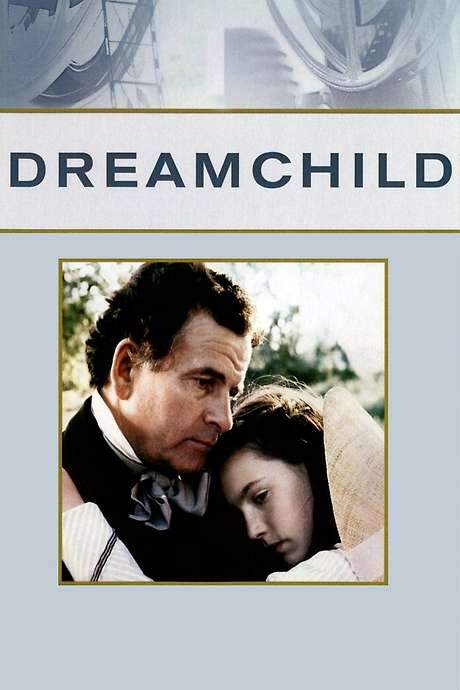
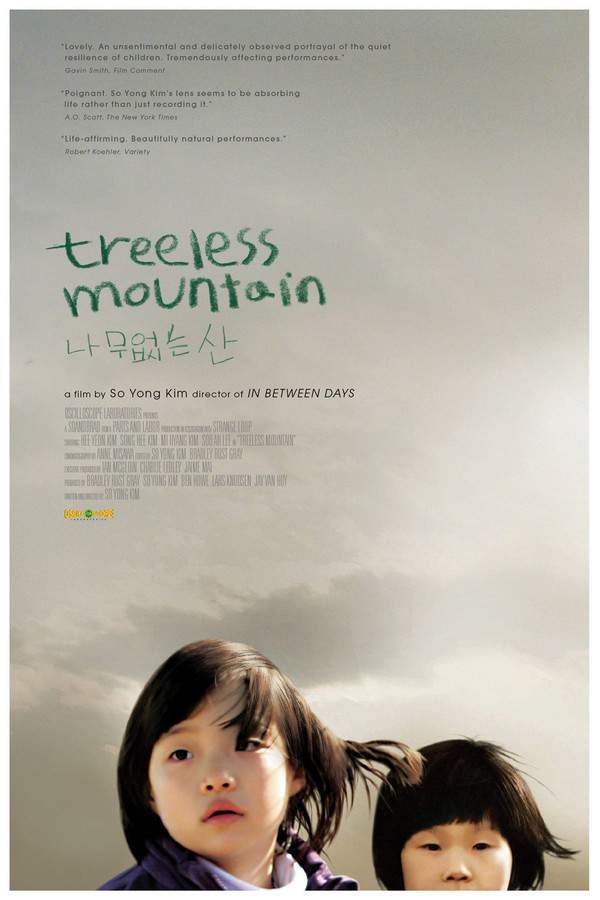
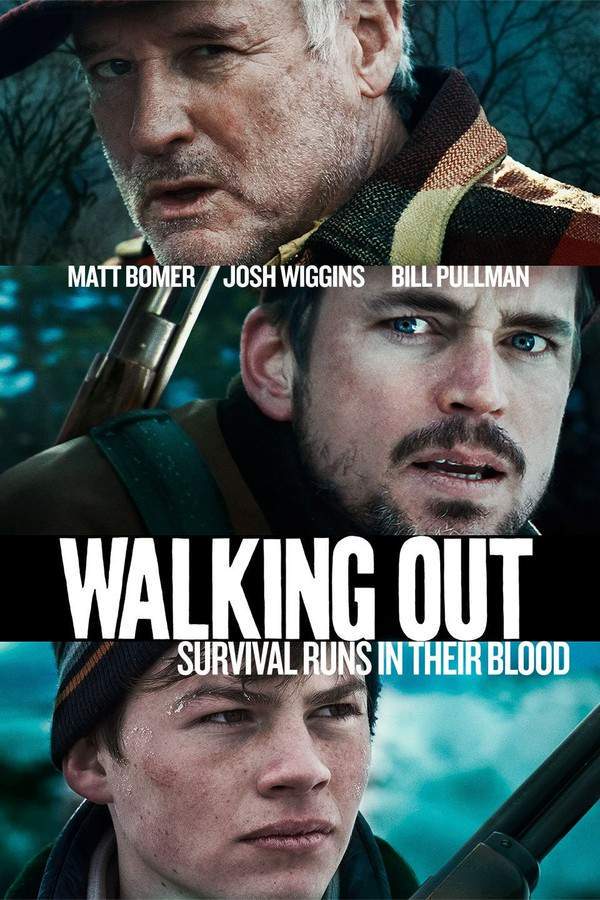
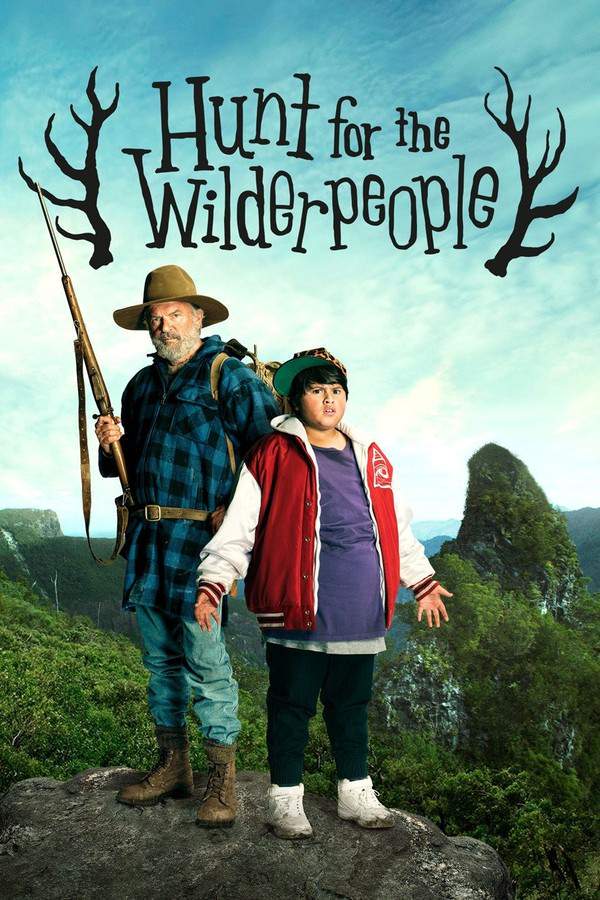
Dreamlike survival journeys like in Walkabout

Survival stories where the stark beauty of nature becomes a surreal dreamscape. Movies like Walkabout that blend survival narratives with a surreal, dreamlike mood. This thread features character-driven stories set in harsh wilderness where the experience is as much an internal journey as a physical one, often with melancholic and atmospheric tones.

  • atmospheric
  • surreal
  • dreamlike
  • harsh
  • lonely
  • reflective
  • Tone: melancholic, surreal
  • Pacing: slow, meditative
Why these movies?

The story pattern: Characters are isolated in an immense, often hostile natural environment. Their physical journey is paralleled by a deepening internal one, where exhaustion, awe, and solitude lead to a surreal, altered state of perception. The plot is less about action and more about the transformative, and sometimes tragic, encounter with the raw power of the world.

Why they belong together: These films are grouped by their unique combination of a survival plot with a contemplative, dreamlike atmosphere. They share a focus on atmospheric world-building, a slow, immersive pace, and a tone that balances harsh reality with a sense of ethereal wonder and melancholy.

Bittersweet coming of age stories like in Walkabout

Stories where a transformative journey leads to survival but at a deep emotional cost. If you liked the emotional journey in Walkabout, this thread features movies with bittersweet rites of passage. These stories focus on characters who undergo a traumatic but transformative experience, surviving into adulthood but carrying the permanent scars of lost innocence and connection.

  • bittersweet
  • tragic
  • nostalgic
  • reflective
  • lonely
  • harsh
  • Tone: melancholic, tragic
  • Pacing: slow, character-driven
Why these movies?

The story pattern: A catalytic, often devastating event forces a character—typically young—into a journey that shatters their previous worldview. They adapt and survive, demonstrating resilience, but the story's conclusion is deeply bittersweet. The focus is on the poignant cost of this growth: the irreversible loss of innocence, a fractured connection to culture or family, or a nostalgic mourning for a vanished past.

Why they belong together: These films share a core narrative arc centered on a painful, necessary transition. They are united by a melancholic tone, a moderate to heavy emotional weight, and, most importantly, an ending that is fundamentally bittersweet, acknowledging the complexity of survival and the permanence of loss.

If you liked this

Movies Like Walkabout

Similar movies to Walkabout: the same genre, themes or kind of story. Each one comes with its own plot summary, timeline and ending explained.

Browse all movie summaries

Every angle

Walkabout (1971) Explained: Plot, Timeline & Characters

Everything about Walkabout in one place: what happens in the plot summary, the timeline in chronological order, the characters and meaning and a spoiler-free summary. What's After the Movie adds the cast, box office and post-credit scenes.

Coming soon on iOS and Android

The Plot Explained Movie Summary App

Plot summaries, endings explained and timelines on your phone. Catch up on any movie in minutes, save your favorites and never miss a twist again.

Be the first to know when we launch. Your email stays private, always.

Learn more about the app