Year: 1999
Runtime: 110 mins
Language: English
Director: Carl Schultz
Loosely based on the later years of Kenyan game warden George Adamson, the unofficial sequel to Born Free follows Adamson and his brother Terrence on their wildlife preserve. Drifter Tony Fitzjohn, newly hired, survives a near‑fatal lion encounter and, after caring for an orphaned cub, joins the brothers in battling poachers, soldiers and corrupt officials to protect the lions and the park.
Find where to stream, rent, or buy To Walk with Lions (1999) in the US with current JustWatch availability, up-to-date pricing, and platform listings for subscription, rental, and digital purchase options.
Warning: spoilers below!
Haven’t seen To Walk with Lions yet? This summary contains major spoilers. Bookmark the page, watch the movie, and come back for the full breakdown. If you're ready, scroll on and relive the story!
Read the complete plot breakdown of To Walk with Lions (1999), including all key story events, major twists, and the ending explained in detail. Discover what really happened, and what it all means.
Tony Fitzjohn [John Michie] has just come to work on Kora, a lion preserve, for two elderly brothers, George Adamson [Richard Harris] and Terrence Adamson [Ian Bannen]. On his first day, Fitzjohn ignores George’s advice not to run and is nearly mauled, a reminder that the savagery of the wild can bite back in an instant. After a tense brush with danger, and a last‑minute decision to stay, a lion cub is brought in from a zoo for him to train and reintroduce into the wild, and this moment marks a turning point: he discovers his life’s true calling and a vocation that will demand every ounce of courage, patience, and perseverance.
Years pass, and the human and animal worlds collide with increasing tension on Kora. The preserve finds itself under relentless pressure as lions fall one by one to bullets and poison, while elephants and rhinos are increasingly poached for tusks and horns. The Adamsons pour their hearts into protecting the wildlife, chasing down illegal threats, and maintaining a fragile balance in a landscape where resources are scarce and danger is constant. Yet the odds feel almost insurmountable. As Fitzjohn observes, the stark economics of conflict in the wild are brutal: “A ranger may make 800 shillings a month but a poacher will pay him 10,000 just to turn his back for a day.” This harsh reality underscores the scale of the struggle and the personal risk involved in safeguarding these creatures.
The narrative unfolds against the backdrop of a government that seems hesitant to invest in conservation, casting a shadow over the preservation effort. Despite their tireless labor and mounting losses, the Adamsons press on, driven by a conviction that wildlife deserves a future and that each rescued cub or protected herd matters. Their work is not glamorous, but it is steadier than the headlines would suggest—an ongoing battle to keep Kora a sanctuary amid ongoing threats.
In the end, the story is a testament to dedication in the face of overwhelming odds. It delves into themes of stewardship, resilience, and the often heavy price of protecting vulnerable species. The relationship between humans and the wild is rendered with nuance, showing the courage required to stand up to poachers, bureaucratic inertia, and the unpredictable rhythms of nature. Through intimate moments with the animals and the unyielding drive of the people who care for them, the film paints a portrait of conservation as a long, stubborn work of love that persists even when success is not guaranteed.
Last updated: February 17, 2026 at 19:57
Explore frequently asked questions about To Walk with Lions (1999) with spoiler-rich answers covering the full plot summary, major story beats, character motivations, hidden details, and ending meaning. This movie summary FAQ helps explain confusing scenes, plot twists, and narrative decisions in clear, searchable detail.
Fitzjohn ignored George Adamson's specific warning not to run when encountering a lion. Running triggers a big cat's prey drive, causing the lion to pursue him. The incident serves as a harsh introduction to the dangers of working with wild animals and explains why the previous ranger died in a similar situation.
The near-attack foreshadows the constant danger and life-or-death stakes that will define Fitzjohn's career at the reserve.
After surviving the near-fatal attack, Fitzjohn was given a lion cub from a zoo to train and reintroduce into the wild. This concrete mission became his turning point, caring for the cub gave him a sense of purpose and revealed his true calling in wildlife conservation, making him choose to remain rather than leave.
The cub represents hope and personal growth, contrasting with the growing losses to poaching that follow.
The poachers offered massive financial incentives, Fitzjohn notes a ranger earns 800 shillings monthly while poachers pay 10,000 shillings to look the other way. This economic imbalance, combined with government indifference toward conservation, created overwhelming pressure on the reserve. Elephants and rhinos were targeted for tusks and horns, while lions fell to bullets and poison.
Early scenes establish the economic desperation that fuels the poaching crisis throughout the film.
The film depicts a government that remains indifferent to conservation efforts, refusing to invest in the preserve despite the Adamsons' tireless work. This bureaucratic inertia undermines protection efforts and contributes to the mounting losses, as official support is essential for sustained conservation work.
Government neglect is hinted at early and becomes a constant obstacle throughout the narrative.
Fitzjohn transforms from a skeptical drifter taking a job into a dedicated conservationist. The lion cub becomes his proving ground, and as poaching intensifies, he hardens his approach and refines tactics to protect wildlife. His journey represents finding purpose, moving from uncertainty to becoming an integral part of the fight to preserve Kora's lions.
His early decision to stay sets the foundation for this transformation.
The Adamson brothers have devoted their lives to wildlife conservation at Kora. Their determination stems from a conviction that wildlife deserves a future, each rescued cub and protected herd matters, and the bond they share with the animals. Despite mounting losses and overwhelming odds, they press on as the keepers of the preserve's mission.
Their dedication is established from Fitzjohn's first day and sustains the film's hopeful tone.
The ending delivers personal victory, Fitzjohn finds his life's calling and becomes a committed conservationist. However, the broader mission remains unresolved: poachers, corruption, and limited political will make the battle feel nearly insurmountable. The animals continue dying despite everyone's efforts, leaving the struggle ongoing rather than definitively won.
The cub's reintroduction represents hope amid the constant losses that accumulate throughout the film.
After the near-fatal mauling, Fitzjohn questioned whether he belonged in such a dangerous job. George Adamson warned him the previous ranger died in a similar incident, deepening his doubt. The psychological toll of facing death on his first day made him seriously consider walking away before the cub changed his mind.
His early doubt makes his eventual commitment more meaningful.
The core problem is a vast money disparity: rangers patrolling for protection earn minimal wages while poachers profit enormously from illegal wildlife trade in tusks and horns. This stark economic reality means rangers can easily be bribed, and the financial incentive for illegal hunting far outweighs the resources available to stop it.
This economic imbalance is introduced early and remains the driving force behind the reserve's struggles.
The lion cub represents purpose, hope, and Fitzjohn's transformation from a uncertain newcomer to a dedicated conservationist. Being tasked with training and reintroducing the cub gave him a tangible mission that proved his worth and revealed his vocation. The cub becomes a symbol of resilience amid the devastation caused by poaching.
The cub's progress parallels Fitzjohn's own growth throughout the film.
Discover curated groups of movies connected by mood, themes, and story style. Browse collections built around emotion, atmosphere, and narrative focus to easily find films that match what you feel like watching right now.
Stories of determined individuals protecting nature against overwhelming odds.If you liked the determined spirit of To Walk with Lions, explore more movies about wildlife conservation. These films share a hopeful yet sobering tone, focusing on the personal sacrifices and urgent battles to protect endangered species and wild spaces from human threats.
Movies in this thread typically follow a linear timeline, often spanning years, where protagonists confront systemic challenges like poaching and bureaucratic indifference. The central conflict is clear-cut, pitting conservationists against external threats, with the emotional journey centered on resilience, small victories, and the personal cost of dedication.
They are grouped by their shared focus on environmental activism, a medium-intensity tone balancing hope with somber realities, and a steady pacing that allows for reflection on the importance of the cause. The experience is one of determination in the face of adversity.
Characters discover their calling in life, but the path is paved with sacrifice.Movies like To Walk with Lions share a theme of characters finding their life's calling. If you enjoyed watching a protagonist discover purpose in a difficult but meaningful mission, you'll find similar heartfelt and transformative stories here, often with realistically bittersweet conclusions.
The narrative follows a character, often a drifter or someone lost, who stumbles upon a purpose that gives their life direction. This new calling provides profound fulfilment but also demands significant sacrifice, leading to a conclusion that celebrates the personal transformation while acknowledging the hardship and unresolved nature of the larger conflict.
These films are connected by a central character arc of self-discovery through dedication to a cause. They share a mix of hopeful and somber tones, medium emotional weight, and an ending that feels earned but realistically complex, balancing personal victory with broader challenges.
Don't stop at just watching - explore To Walk with Lions in full detail. From the complete plot summary and scene-by-scene timeline to character breakdowns, thematic analysis, and a deep dive into the ending - every page helps you truly understand what To Walk with Lions is all about. Plus, discover what's next after the movie.
Track the full timeline of To Walk with Lions with every major event arranged chronologically. Perfect for decoding non-linear storytelling, flashbacks, or parallel narratives with a clear scene-by-scene breakdown.
Discover the characters, locations, and core themes that shape To Walk with Lions. Get insights into symbolic elements, setting significance, and deeper narrative meaning - ideal for thematic analysis and movie breakdowns.
Discover movies like To Walk with Lions that share similar genres, themes, and storytelling elements. Whether you’re drawn to the atmosphere, character arcs, or plot structure, these curated recommendations will help you explore more films you’ll love.
To Walk with Lions (1999) Scene-by-Scene Movie Timeline
To Walk with Lions (1999) Movie Characters, Themes & Settings
To Walk with Lions (1999) Spoiler-Free Summary & Key Flow
Movies Like To Walk with Lions – Similar Titles You’ll Enjoy
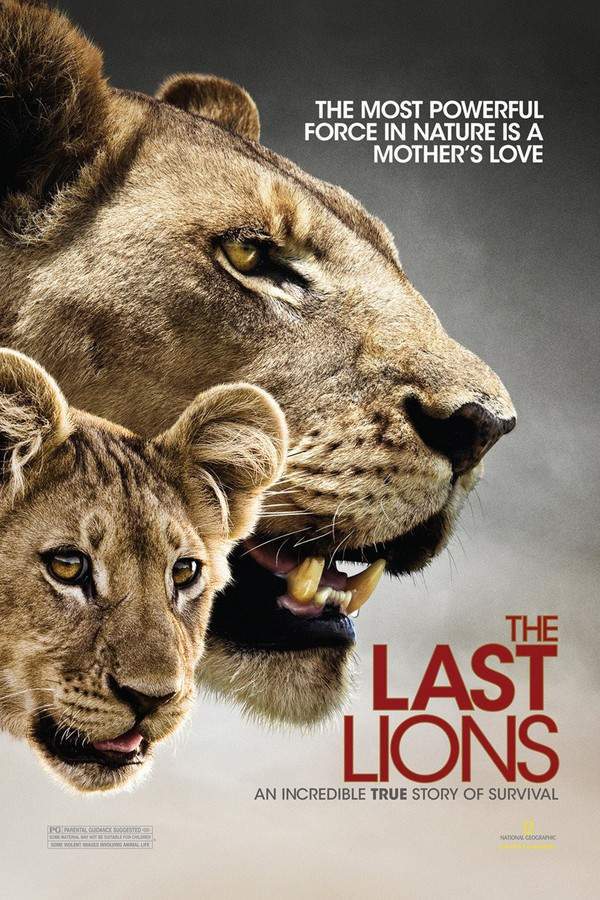
The Last Lions (2011) Spoiler-Packed Plot Recap
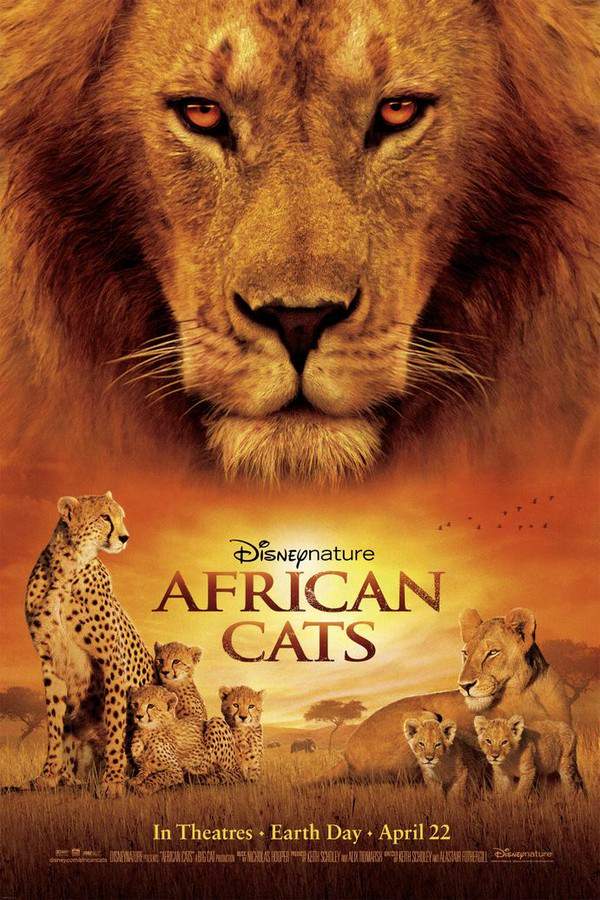
African Cats (2011) Movie Recap & Themes
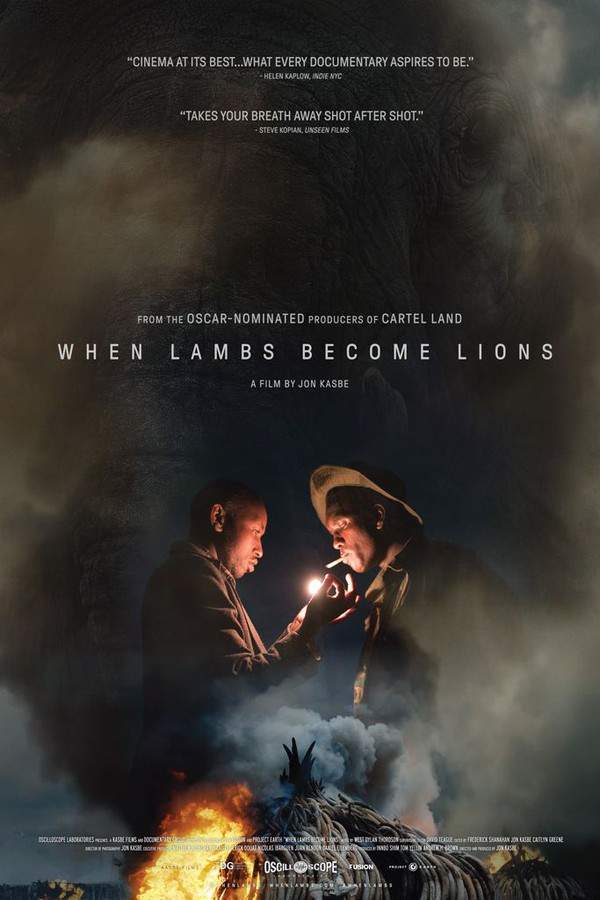
When Lambs Become Lions (2019) Film Overview & Timeline
Beast (2022) Complete Plot Breakdown
The Lion (2003) Detailed Story Recap
The Lion of Africa (1987) Complete Plot Breakdown
Forbidden Jungle (1950) Complete Plot Breakdown
The Lion Hunters (1966) Movie Recap & Themes
The Lion Child (1993) Ending Explained & Film Insights
Born Free (1966) Complete Plot Breakdown
The Lion (1962) Complete Plot Breakdown
Where No Vultures Fly (1951) Movie Recap & Themes
Hollywood Safari (1997) Complete Plot Breakdown
The Lion at World’s End (1971) Complete Plot Breakdown
The African Lion (1955) Complete Plot Breakdown