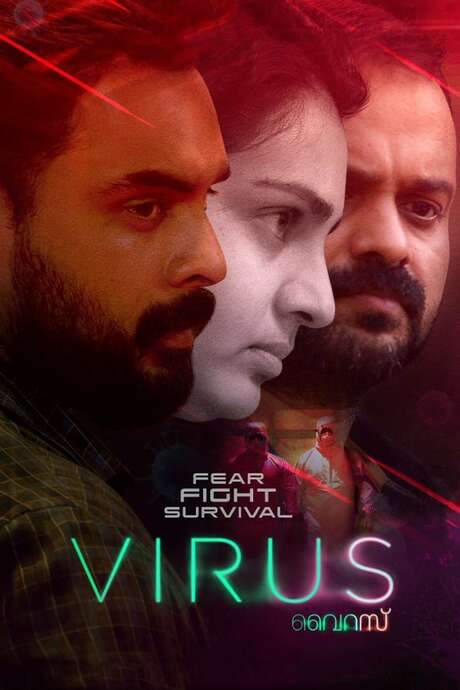
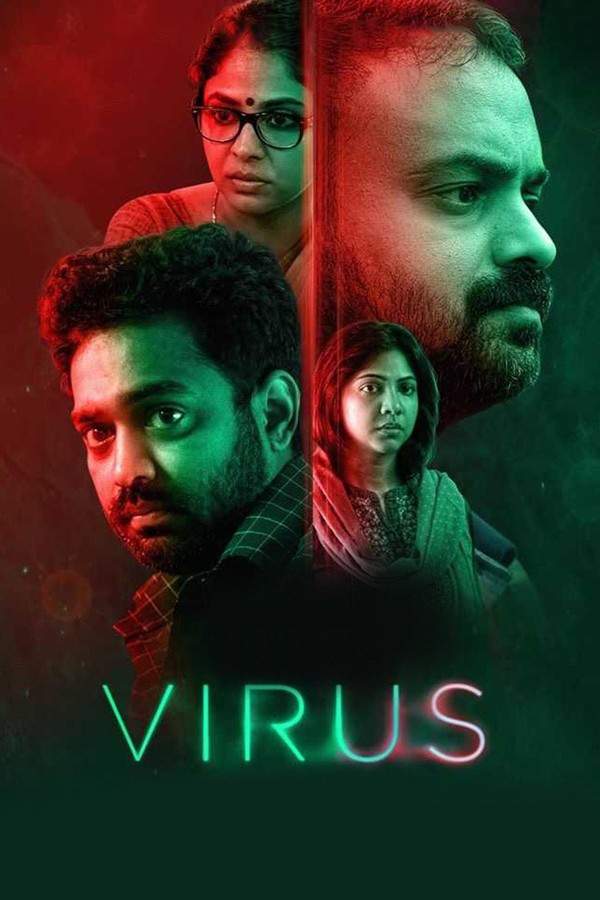
Zakariya Mohammed is infected and brought to the Government Medical College in Kozhikode, where he exhibits the sudden, severe symptoms of an unknown virus and dies within hours. Zakariya Mohammed was not alone for long—Geetha, Divya Gopinath, who was handling Zakariya’s CT scan, also contracts the illness as her blood pressure begins to swing unpredictably. The outbreak starts to ripple outward, and a nurse, Rima Kallingal who treated Zakariya, falls ill as well, underscoring how quickly the infection moves through a hospital system.
As the number of cases climbs in the city and surrounding areas, experts begin to piece together clues from the patients. Dr. Salim, Rahman, a neurologist, observes patterns that hint at a toxic or infectious cause and pushes for precise testing. He asks Dr. Suresh Rajan, Kunchacko Boban, to coordinate laboratory work, including targeted tests for Nipah virus. The team obtains samples from Zakariya’s sister Suhana, underscoring the familial threads that tie many patients to the wider transmission network. The atmosphere in the hospital grows tenser as doctors race against time to identify the culprit behind the rapidly escalating crisis.
When Nipah virus is confirmed as the source, Kozhikode and its neighboring districts are placed on high alert. The outbreak now becomes a public health emergency that tests every layer of the medical system. The stakes rise as the death toll mounts, and the film follows a chorus of real-life-inspired characters—doctors, nurses, researchers, and public officials—whose actions and choices shape the community’s response. Among the pivotal figures, the film introduces the health system leadership: Health Minister C. K. Prameela and District Collector Paul V. Abraham IAS (led on screen by the people’s representatives and the medical corps) mobilize a concerted effort to contain the virus, set up treatment camps, and coordinate with hospitals across the region. The portrayal emphasizes collaboration across departments and institutions, with Revathi bringing the Health Minister’s resolve to the role, and Tovino Thomas portraying Paul V. Abraham IAS as a steady administrative counterpart in the crisis.
The narrative doesn’t shy away from the human cost. Akhila, the nurse who first confronted Zakariya’s symptoms, dies after a protracted battle with Nipah. Before she passes, she leaves a letter for her husband, a moment that grounds the outbreak in personal sacrifice and the toll it takes on healthcare workers and their families. The film weaves these individual stories into a broader tapestry, giving viewers a sense of the daily bravery that unfolds behind hospital doors and in emergency command centers. The inclusion of multiple doctors—such as Dr. Baburaj, Indrajith Sukumaran, and Dr. Annu, Parvathy Thiruvothu—highlights the diverse expertise required to diagnose, treat, and contain a deadly outbreak, from frontline care to specialized research.
As the story progresses, the medical community explains the complexities of Nipah and the challenges of diagnosing a novel, fast-spreading pathogen. The film presents a careful balance between clinical procedures, containment measures, and the emotional weight carried by patients and their families. It showcases the teamwork that is essential when resources are stretched thin, from hospital wards to laboratories and emergency operation centers. The doctors and nurses strive to prevent a wider catastrophe, and the film emphasizes that science, patience, and persistence are the keys to turning the tide.
Throughout, the narrative stays grounded in authentic experiences and backstories. It offers glimpses into the work of numerous professionals—physicians, nurses, technicians, and administrators—who step forward when the community is threatened. The tone remains restrained and respectful, avoiding sensationalism while clearly conveying the seriousness of the outbreak. The film also acknowledges the broader social and logistical efforts—the volunteers, hospital staff, researchers, and public servants who contribute to the collective response—paying tribute to their dedication and resilience.
In its closing act, the film presents a sense of relief and cautious optimism as Kozhikode is declared Nipah-virus-free by the health leadership. The final chapters reflect on the aftermath: the lives touched and changed by the crisis, and the ongoing vigilance needed to guard against future outbreaks. A quiet coda returns to Zakariya’s story, ending with a small, intimate moment: he glimpses a flying fox resting on the ground, photographs the bat for an Instagram story, and then the scene lingers on the idea that nature and humanity are forever linked in the ongoing cycle of disease, discovery, and hope. The credits honor the scientists, hospital staff, volunteers, and everyday people who stepped forward to support the brave workers who fought to save lives.