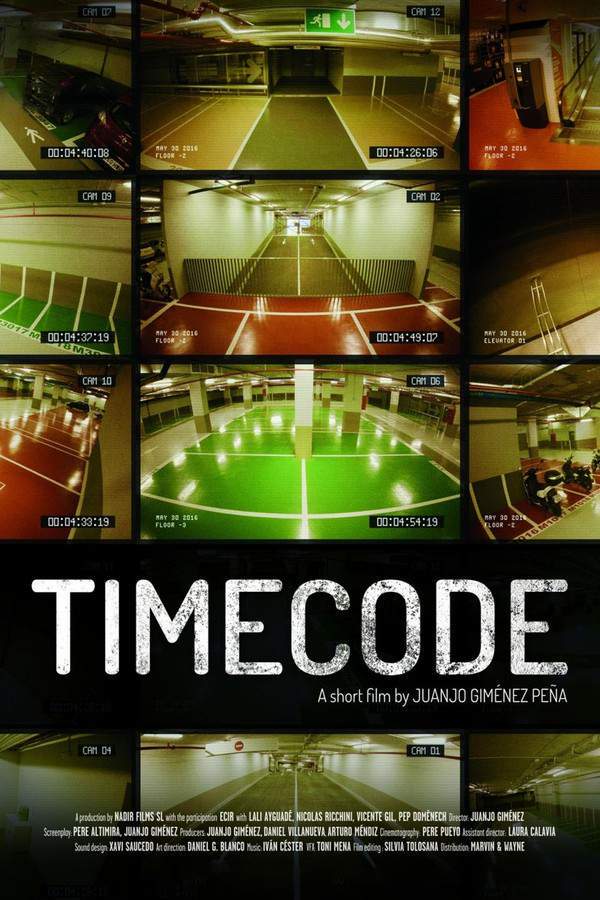
In Timecode, director Mike Figgis builds an audacious experiment that unfolds in real time, stitching together four parallel narratives that pulse through a single 93‑minute stretch. A subtle series of earthquakes threads the stories together, while a meticulous soundscape guides the audience through an immersive, almost tactile Hollywood day. The film’s tone is simultaneously chaotic and contemplative, inviting viewers to feel the relentless tick of the clock as it shapes each conversation and decision.
The setting is a bustling studio lot caught in the fevered rhythm of casting season, where every hallway, meeting room, and espresso‑stained desk hums with ambition and uncertainty. Industry professionals move in swift, overlapping currents, their lives intersecting like the overlapping camera angles that capture them. The atmosphere balances the glamour of movie‑making with the gritty, behind‑the‑scenes grind, creating a world where improvised dialogue feels as natural as the whir of a projector and as revealing as the slightest shift in a character’s breath.
Lauren Hathaway navigates the competitive tension of a seasoned actress, while Rose arrives with fresh hope and a burning desire to break into the next big role. Alex Green sits at the helm of the studio’s decision‑making, wrestling with the demands of his position and the strains in his personal life, where Emma offers a counterpart of emotional complexity. The film also introduces Lester Moore, the director whose project becomes a focal point, Quentin, a masseur whose unusual presence adds a layer of surreal normalcy, and Evan Watz, a producer keeping the machinery turning amid the surrounding turbulence. Meanwhile, Scott "Bunny" Drysdale operates as an agent whose clientele includes the inventive Ana Pauls and the charismatic white‑rap star Joey Z, each bringing a distinct flavor to the studio’s mosaic.
Through its kinetic editing, layered sound, and a script that leans heavily on improvisation, Timecode becomes a meditation on the elasticity of time and the art of storytelling itself. The audience is drawn into a kaleidoscope of voices and perspectives, feeling as though they are sharing the same breath as the characters, suspended in a moment that is both fleeting and endlessly repeatable. The film’s structure teases curiosity, promising that every second holds a new revelation, even as it never fully reveals the final shape of its intricate tapestry.