Plot Explained Spoilers guaranteed!
Plot Explained

Browse by genre

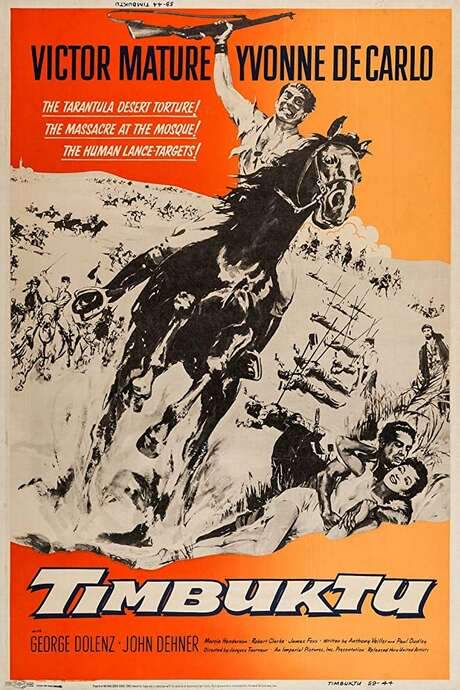
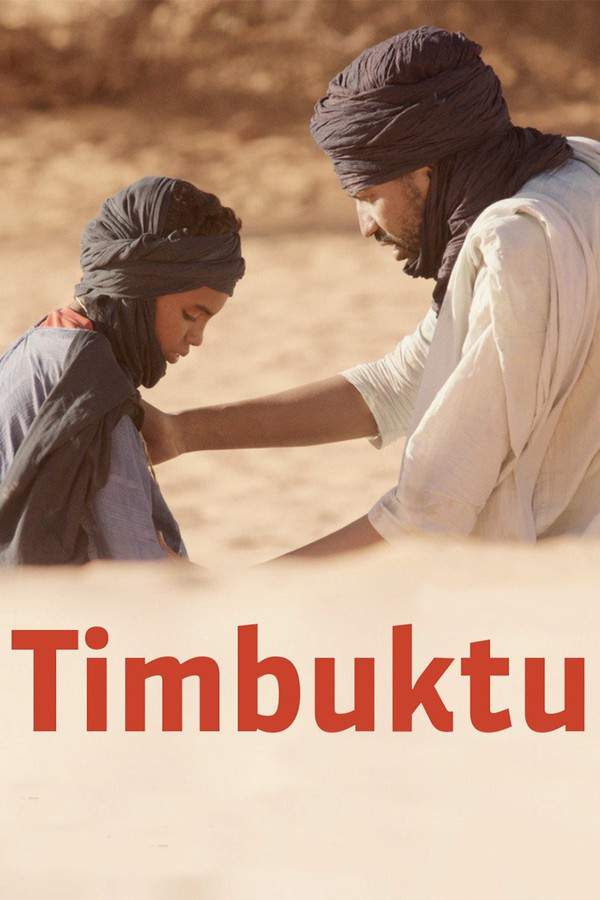
Timbuktu (2015) movie poster

Timeline

Timbuktu (2015) Timeline Explained – Every Event in Order

Release, runtime and language
2015 · 97 min · French
Loading streaming availability…
Directed by
Abderrahmane Sissako
Starring
Abel Jafri, Ibrahim Ahmed, Layla Walet Mohamed, Mehdi A.G. Mohamed, Toulou Kiki

In a remote region of Mali, a peaceful craftsman's life is shattered by the imposition of religious extremists. Kidane finds his quiet existence upended when a tragic incident draws the attention of the oppressive new rulers. As the once-lively city of Timbuktu is plunged into fear and hardship, Kidane and his family struggle to maintain their dignity and resist the regime's stifling control, facing difficult choices and enduring profound loss.

On this page (6)
  1. 1 Where to watch
  2. 2 Events in order (14)
  3. 3 Timeline questions answered
  4. 4 Movie threads
  5. 5 Movies like Timbuktu
  6. 6 Every angle
Loading streaming availability…

14 events in order · contains spoilers

Timbuktu Timeline: Events in Chronological Order

Every key event of Timbuktu (2015) in order, scene by scene, with when and where it takes place. Use it to untangle flashbacks, time jumps and parallel storylines, to refresh your memory before the sequel or to find the exact scene you are thinking of.

  1. Desert pursuit by Ansar Dine

    Armed members of Ansar Dine pursue a gazelle across the sandy desert in a jeep, establishing their patrol-driven authority over the landscape. The hunt underscores their intrusion into daily life and foreshadows the stronger control that will follow. The scene sets a tense mood for the militants' encroachment on the region.

    Where
    Desert
  2. Destruction of Bambara sculptures

    The militants turn their attention to intricately carved Bambara wooden sculptures, criticizing depictions of bare-breasted women as un-Islamic. They confiscate and threaten cultural artifacts as part of enforcing their rigid creed. The act signals a erasure of local heritage in the name of religious purity.

    Where
    Timbuktu
  3. Arrival and rule in Timbuktu

    Upon reaching Timbuktu, the jihadists impose strict clothing rules and ban television, radio, football, alcohol, music, and loitering. They deploy patrols to enforce the new order, turning public spaces into sites of surveillance and control. The city shifts from a tolerant hub to a place under rigid regulatory rule.

    Where
    Timbuktu
  4. Imam challenged but defiant

    In a local mosque, the Imam diplomatically rebukes the militants for entering with shoes, yet he dismisses their edicts as outside their spiritual jurisdiction. The exchange highlights the limits of militant authority within religious spaces. It also underscores the tension between imposed law and established local customs.

    Where
    Local mosque
  5. Nomad family at the river

    Beyond Timbuktu, a Tuareg family—Kidane, Satima, Toya, and adopted son Issan—lives in a nomad tent and subsists on livestock. Their prized cow GPS is pregnant, and Kidane plans to gift the calf to Issan, hoping to secure the family’s future. The scene establishes their fragile, everyday life under looming danger.

    Where
    Nomad tent near the river
  6. Water and river life

    A water seller transports water from the river to tent-dwelling families on a motorcycle, illustrating one of the vital lifelines under siege. Issan tends the cows by the river while Amadou, a fisherman, uses nets that will later intersect with the family’s world. The river remains a central, precarious source of sustenance.

    Where
    River and surrounding camps
  7. Culture under siege

    The jihadists tighten their grip by releasing propaganda videos, patrolling for music lovers, and debating football with zeal. The youth are forced to improvise, playing ball-less football while the militants confiscate the ball. The suppression of cultural activities underscores the regime's reach into daily life.

    Where
    Timbuktu
  8. Militant contact with Satima

    A jihadist driver visits Satima at the tent in Kidane's absence and offers his number, signaling an invasive reach into personal life. Satima rejects the intrusion, but the moment reveals how deeply the militants probe ordinary relationships. The encounter foreshadows broader encroachments on the family's safety.

    Where
    Kidane's tent
  9. GPS dies at the nets

    During a grazing trip, GPS becomes entangled in Amadou's nets, triggering a deadly confrontation. Enraged, Amadou fatally spears the cow, plunging the family into shock and grief. Issan runs back to the tent crying, bringing Kidane the grim news.

    Where
    Near the river
  10. Confrontation and arrest

    Kidane confronts Amadou in a violent struggle and fatally shoots him in defense of his livestock and family. Soon after, Kidane is apprehended by a patrol and jailed on murder charges. The incident sets the family on a path toward a legal ordeal under the militants’ regime.

    Where
    Near the river / patrol checkpoint
  11. Arabic trial and translator

    Kidane’s murder trial proceeds in Arabic and requires translation for him to understand the proceedings. He appeals to the judge by describing his daughter Toya’s plight, hoping shared language or ethnicity might elicit sympathy. The translator, a Libyan-linked Tuareg himself, remains emotionally detached throughout.

    Where
    Court in Timbuktu
  12. Praised punishments and abuses

    While Kidane is tried, musicians and a singer are arrested and flogged, a couple is stoned for alleged romance, and a girl found with a cellphone is forcibly married against her will. The Imam’s pleas go unheeded as the regime enforces harsh penalties. The community witnesses a cascade of brutal enforcement of the militants' laws.

    Where
    Timbuktu
  13. Fearful finale approaches

    Just before Kidane's execution, the water seller brings Satima to the execution site, and the family reunites briefly in a hopeful moment. They rush toward each other, but fate intervenes as they are fatally shot. The moment marks a devastating culmination of the militants' crackdown on family life.

    Where
    Execution site near dunes
  14. Desert aftermath

    The water seller escapes into the desert as Toya and Issan are left wandering, grief-stricken by the day’s losses. The children are left to navigate a world that has abruptly upended their lives. The film closes on their fragile, uncertain future.

    Where
    Desert

Last updated: October 09, 2025 at 16:25

Was this helpful?

Timeline questions answered

Timbuktu Timeline Explained: Your Questions Answered

When does it happen, and why in that order? The questions people ask about the chronology of Timbuktu (2015): time jumps, flashbacks, cause and effect between scenes and the correct order of events, each answered with spoilers.

Q1

Why do the jihadists ban music, football, and force women to wear burkas?

The jihadists impose these restrictions as part of their strict interpretation of Sharia law. They believe music, football, and unveiled women are un-Islamic. The film shows how they systematically erase Timbuktu's cultural identity, replacing its historic tolerance with rigid religious rule. These prohibitions are not just arbitrary, they represent the militants' attempt to control every aspect of daily life and erase traditions they consider pagan or immoral.

Foreshadowing: The opening scene foreshadows this cultural erasure when the militants destroy Bambara sculptures depicting bare-breasted women.

  • jihadists
  • sharia law
  • burkas
  • music ban
  • football ban
  • timbuktu culture
Q2

Why does Kidane kill Amadou the fisherman?

Kidane kills Amadou in retaliation for Amadou spearing GPS, Kidane's prized pregnant cow. When GPS became tangled in Amadou's fishing nets during grazing, Amadou flew into a rage and killed the cow, which represented the family's primary asset and future security. Kidane's son Issan ran back to tell the family, and despite his wife Satima's counsel to let the matter rest, Kidane confronted Amadou. During the struggle, Kidane shot and killed him.

Foreshadowing: The earlier scene where the jihadist visits Satima foreshadows the intrusion that will disrupt the family's peace.

  • kidane
  • amadou
  • gps cow
  • killing
  • murder
  • nomad family
Q3

What happens to Kidane after he kills Amadou?

After killing Amadou, Kidane is soon captured by a jihadist patrol and jailed. He faces a formal murder trial under the militants' justice system. While imprisoned, he asks a guard to relay news of his situation to his wife Satima, who waits atop a dune with their daughter Toya, hoping for word of his fate.

Foreshadowing: The brutal enforcement established earlier in the film makes it clear the militants will not overlook such a crime.

  • kidane arrested
  • jail
  • trial
  • murder charge
  • jihadist patrol
Q4

Why is Kidane executed?

Kidane is executed for murdering Amadou. The jihadist court convicts him of murder under their Sharia law, and he is sentenced to death. Despite his attempt to appeal to the judge's shared humanity by describing his daughter Toya's plight and their language connection, the proceedings remain impersonal. The translator, a Libyan-linked Tuareg like many of the jihadists, shows no sympathy. Kidane's execution represents the regime's ruthless application of law without mercy.

Foreshadowing: The earlier trials and punishments of musicians and the stoned couple establish the inevitability of harsh sentences.

  • kidane execution
  • death sentence
  • trial
  • sharia law
  • murder conviction
Q5

What happens to Satima and the children at the end?

Just before Kidane's execution, the water seller brings Satima to the execution site, and the family experiences a brief, hopeful reunion. However, as Satima and Kidane rush toward each other, they are both fatally shot. The water seller escapes into the desert. Kidane and Satima's children, Toya and Issan, are left orphaned, wandering the dunes alone, their future uncertain and their world stripped of safety.

Foreshadowing: The regime's earlier killings of the stoned couple and harsh treatment of families foreshadow this tragic ending.

  • satima death
  • toya
  • issan
  • orphans
  • execution
  • family killed
Q6

Why does a jihadist visit Satima at the family's tent?

A jihadist driver visits Satima at the tent while Kidane is away, offering his phone number to her. This represents the militants' intrusion into the private lives of ordinary people. The gesture is both invasive and a power play, using religious authority to make personal advances. Satima refuses and keeps her distance, rejecting this encroachment on her family life.

Foreshadowing: This encounter foreshadows the deeper violations that will come, including the eventual targeting of Kidane himself.

  • jihadist
  • satima
  • tent
  • intrusion
  • phone number
Q7

What is the significance of the militants destroying the Bambara sculptures?

The destruction of the Bambara sculptures represents the erasure of Mali's cultural heritage in the name of religious purity. The militants criticize the carvings of bare-breasted women as un-Islamic, confiscating and threatening these intricate wooden artworks. This act signals the broader cultural cleansing the jihadists perform, replacing centuries of Timbuktu's tolerant Islamic tradition with a rigid, destructive interpretation that views indigenous art and customs as heretical.

Foreshadowing: The militants' destruction of the sculptures foreshadows the broader cultural erasure they impose on Timbuktu.

  • bambara sculptures
  • destruction
  • cultural heritage
  • islam
  • art
Q8

Why doesn't the translator show sympathy for Kidane during the trial?

The translator remains emotionally detached because he is a Libyan by origin, like many of the Tuareg jihadists occupying the region. Despite sharing a language and ethnicity with Kidane, the translator has aligned himself with the occupying forces and shows no compassion. His detachment underscores the impersonal, machine-like nature of the militants' justice system, they apply law without considering individual circumstances or humanity.

Foreshadowing: The translator's coldness reflects the broader theme of regime collaborators prioritizing loyalty to the group over community ties.

  • translator
  • trial
  • arabic
  • libyan
  • sympathy
  • kidane
Q9

What is ball-less football and what does it represent?

Ball-less football is the youth's quiet act of defiance against the jihadist ban on the sport. When the militants forbid football, the young men continue playing by dribbling an invisible ball, they mime the motions of the game without an actual ball, maintaining their cultural identity through subtle resistance. The jihadists quickly catch on and confiscate the ball, but this scene illustrates how the occupied people preserve their spirit through small acts of rebellion.

Foreshadowing: The ban on football mirrors the broader suppression of culture and joy under the regime.

  • ball-less football
  • youth
  • defiance
  • football ban
  • resistance
Q10

Why does the water seller help Satima reach the execution?

The water seller serves as a compassionate link between the regime's controlled world and the human connections it seeks to destroy. Before Kidane's execution, the water seller brings Satima to the site, allowing the family one final reunion. His act represents the quiet humanity that persists even under oppressive rule. After the shooting, he escapes into the desert, leaving him as a survivor who witnessed the regime's ultimate violence.

Foreshadowing: Earlier scenes establish the water seller as a vital lifeline in the harsh landscape, making his role in this final moment both symbolic and logical.

  • water seller
  • satima
  • execution
  • compassion
  • desert

Movie threads

More Movies Like Timbuktu, by Mood & Story

Curated lists built around what makes Timbuktu tick: the same mood, the same kind of story or the same emotional payoff. Each list explains why these movies belong together.

Movies about oppressive regimes like in Timbuktu

Personal stories of dignity and survival against overwhelming systemic brutality. If you were moved by Timbuktu's depiction of life under extremist rule, explore more films that capture the struggle for dignity against tyranny. These movies like Timbuktu focus on the human cost of ideology, showing characters fighting to survive and preserve their culture under an oppressive system.

  • oppressive
  • tense
  • somber
  • anxious
  • desperate
  • moral conflict
  • Tone: bleak, tense
  • Pacing: steady, deliberate
Why these movies?

The story pattern: These narratives often follow ordinary individuals or families whose peaceful existence is shattered by the arrival of a controlling power. The plot revolves around the escalating conflict between personal freedom and draconian laws, frequently culminating in tragic loss that highlights the futility of fighting an all-powerful system.

Why they belong together: These films are grouped by their shared focus on the experience of living under tyranny. They create a similar emotional response through their bleak tone, heavy emotional weight, and depiction of systemic injustice, making the viewer feel the characters' fear and desperation.

Bleak tragic dramas with a sense of doom like Timbuktu

Stories where a looming fate methodically dismantles any hope for a happy ending. For viewers who appreciated the heavy, inevitable tragedy of Timbuktu, this collection features similar dramas with bleak endings. These movies share a steady pacing that builds towards an inescapable fate, creating a powerful and melancholic viewing experience focused on profound loss.

  • bleak
  • hopeless
  • melancholic
  • somber
  • tragic
  • dread
  • Tone: bleak, melancholic
  • Pacing: steady, slow burn
Why these movies?

The story pattern: The narrative pattern involves a decent protagonist caught in circumstances beyond their control. The story unfolds not as a suspenseful 'will they survive?' but as a grim 'how will they fall?'. The pacing is steady and deliberate, methodically removing avenues of escape until the tragic, bleak conclusion is the only possible outcome.

Why they belong together: They are united by their emotional journey: a slow-burning sense of dread and a narrative structure that makes the audience feel the weight of an unavoidable tragic ending. The shared experience is one of melancholic observation rather than hopeful suspense.

If you liked this

Movies Like Timbuktu

Similar movies to Timbuktu: the same genre, themes or kind of story. Each one comes with its own plot summary, timeline and ending explained.

Browse all movie summaries

Every angle

Timbuktu (2015) Explained: Plot, Timeline & Characters

Everything about Timbuktu in one place: what happens in the plot summary, the timeline in chronological order, the characters and meaning and a spoiler-free summary. What's After the Movie adds the cast, box office and post-credit scenes.

Coming soon on iOS and Android

The Plot Explained Movie Summary App

Plot summaries, endings explained and timelines on your phone. Catch up on any movie in minutes, save your favorites and never miss a twist again.

Be the first to know when we launch. Your email stays private, always.

Learn more about the app