Plot Explained Spoilers guaranteed!
Plot Explained

Browse by genre

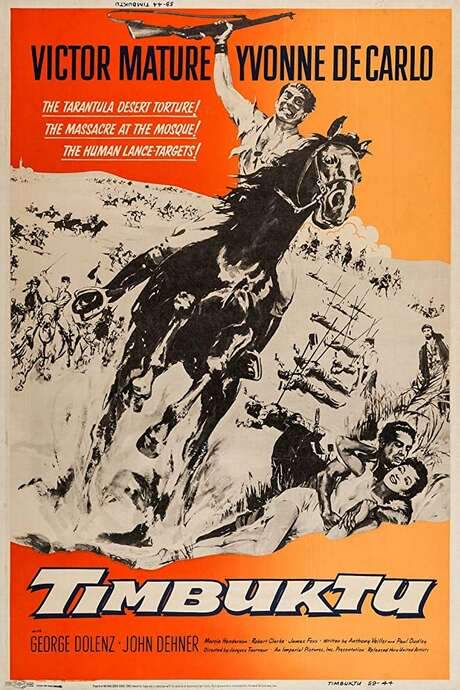
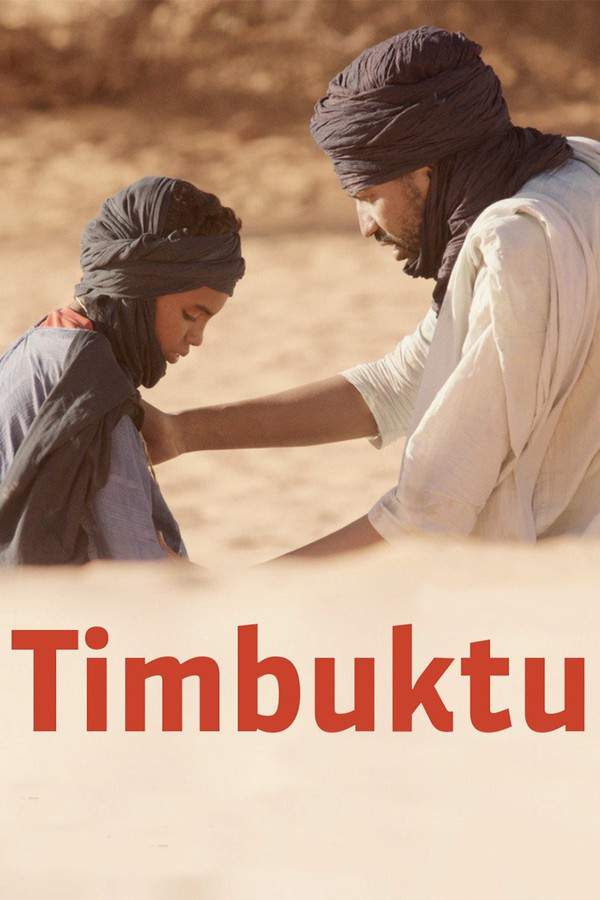
Timbuktu (2015) movie poster

Characters & Themes

Timbuktu (2015) Characters, Setting & Themes Explained

Release, runtime and language
2015 · 97 min · French
Loading streaming availability…
Directed by
Abderrahmane Sissako
Starring
Abel Jafri, Ibrahim Ahmed, Layla Walet Mohamed, Mehdi A.G. Mohamed, Toulou Kiki

In a remote region of Mali, a peaceful craftsman's life is shattered by the imposition of religious extremists. Kidane finds his quiet existence upended when a tragic incident draws the attention of the oppressive new rulers. As the once-lively city of Timbuktu is plunged into fear and hardship, Kidane and his family struggle to maintain their dignity and resist the regime's stifling control, facing difficult choices and enduring profound loss.

On this page (8)
  1. 1 Where to watch
  2. 2 Characters explained (5)
  3. 3 Where & when it takes place
  4. 4 Themes & meaning (4)
  5. 5 Character & meaning questions
  6. 6 Movie threads
  7. 7 Movies like Timbuktu
  8. 8 Every angle
Loading streaming availability…

5 main characters · contains spoilers

Timbuktu Characters Explained: Who Is Who

The main characters of Timbuktu (2015), heroes and villains: what drives them, how they change over the course of the story and what each of them reveals about the film's bigger ideas.

  • Kidane

    A shepherd and devoted father who guards his family’s fragile world. He confronts Amadou over the cow GPS and faces imprisonment, clinging to a sense of justice even as his fate looms. His stubborn protectiveness and moral posture anchor the family amid escalating danger.

    • 🛡️ Protective
    • 🗡️ Stubborn
    • 🧭 Duty-bound
  • Satima

    Kidane’s wife, who defies veiling and maintains dignity within the perilous settlement. She endures the weight of crisis with quiet resolve, waiting for news as danger closes in. Her fate, intertwined with the family’s hopes, underscores the cost of conflict on women.

    • 🌿 Resilient
    • 🕊️ Defiant
    • 💪 Courageous
  • Toya

    The couple’s daughter, observant and hopeful amidst hardship. She witnesses the disruptions of daily life, endures violence, and carries a sense of innocence that keeps the family connected to a future beyond fear.

    • 👧 Curious
    • 🌟 Hopeful
    • ❤️ Vulnerable
  • Issan

    The adopted son who tends the livestock with a blend of earnestness and fragility. His grief over GPS’s death reveals the tenderness within a harsh world and reinforces the family’s reliance on each other.

    • 👦 Loyal
    • 🐄 Gentle
    • 🎗️ Compassionate
  • Amadou

    A fisherman whose nets entangle GPS, triggering a deadly chain of events. His confrontation with Kidane marks a turning point in the family’s crisis and mirrors the broader frictions between livelihoods and violence.

    • 🐟 Fisherman
    • 🚣‍♂️ Frustrated
    • 🔪 Tense

Last updated: October 03, 2025 at 19:40

Was this helpful?

Setting

Where and When Does Timbuktu Take Place?

The setting of Timbuktu (2015): the year and time period, the places and locations, and how they shape the characters, the mood and the tension of the story.

Time period

early 2010s (2012-2013)

The events unfold during the 2012 occupation of Timbuktu by Islamist militants, a period of rapid social upheaval and intrusive censorship. Daily life is marked by bans on music, football, television, and loitering, forcing people to navigate fear and suspicion. The time period emphasizes the aggression of extremist rule clashing with long-standing cultural and familial norms.

Location

Timbuktu, Mali

Timbuktu is presented as a historic trading city on the Niger River, renowned for its learning and mosques. In the film, the city falls under militant control, where public life is reshaped by a strict interpretation of Islam and cultural expressions are tightly regulated. The setting juxtaposes desert landscapes with a fragile urban life, illustrating how tradition and extremism collide in daily routines.

  • 🏜️ Desert
  • 🕌 Islam
  • 🎨 Culture

Last updated: October 03, 2025 at 19:40

Was this helpful?

4 major themes

Timbuktu Meaning: Themes & Message Explained

What is Timbuktu (2015) really about? The emotional, social and philosophical themes the film keeps returning to, its symbolism and the message beneath the surface.

  • Oppression

    The jihadists impose strict rules, outlaw cultural expressions, and mete out harsh punishments to enforce conformity. Public spaces become controlled zones where sound, movement, and dress are regulated. The theme centers on how power can tighten its grip and erode personal freedoms in everyday life.

  • Heritage at Risk

    The film highlights the tension between cultural artifacts and militant ideology, including the destruction or prohibition of traditional crafts. Art and identity are endangered as authorities police what communities may revere or display. This theme shows how cultural heritage becomes a battleground in times of conflict.

  • Family and Resilience

    A nomadic family clings to livestock, kinship, and small rituals of daily life amid violence. Their bonds give them moral grounding as tragedy and danger repeatedly threaten stability. The narrative emphasizes endurance, care, and the emotional costs of living under siege.

  • Justice and Translation

    Kidane's trial unfolds in Arabic with a Libyan translator, underscoring how language and cultural distance shape perceptions of justice. The courtroom scenes reveal how empathy, law, and power intersect in a hostile environment. Translation becomes a lens through which truth and accountability are contested.

Last updated: October 03, 2025 at 19:40

Was this helpful?

Character & theme questions

Timbuktu Characters & Meaning: Your Questions Answered

The questions people ask about Timbuktu (2015): who the characters really are, their relationships, what the symbols mean, where it takes place and what the movie is really about. Each answer contains spoilers.

Q1

Where is Timbuktu located and what does it represent historically?

Timbuktu is a historic trading city on the Niger River in Mali, West Africa. Historically, it was renowned as a center of learning and commerce, famous for its mosques and as a hub where trade routes met. The film presents it as a place of cultural richness where traditions and Islamic scholarship flourished before the militant occupation.

  • mali
  • niger river
  • historic city
  • trading city
  • islamic learning
Q2

What time period does the film depict?

The film takes place during the 2012 occupation of Timbuktu by Islamist militants, specifically in the early 2010s around 2012-2013. This was a period of rapid social upheaval when extremist groups seized control of the city and imposed strict Sharia law.

  • 2012
  • occupation
  • islamist militants
  • sharia law
  • early 2010s
Q3

How is Timbuktu depicted under militant control?

Under militant rule, Timbuktu is shown as a city where public life has been reshaped by strict Islamic law. Cultural expressions are banned, including music, football, television, and loitering. The once-lively city becomes a place of fear and hardship where daily routines are tightly regulated and traditional practices are suppressed.

  • militant control
  • sharia
  • censorship
  • cultural suppression
  • fear
Q4

What are the main themes explored in the film?

The film explores several interconnected themes including oppression under extremist rule, heritage and cultural identity under threat, family bonds and resilience in the face of danger, and questions of justice in a hostile environment. These themes intersect to show how a tolerant society is systematically destroyed.

  • oppression
  • heritage
  • family
  • resilience
  • justice
  • cultural identity
Q5

How does the film portray oppression?

The film depicts oppression through the jihadists' imposition of strict rules that outlaw cultural expressions and mete out harsh punishments. Public spaces become controlled zones where sound, movement, and dress are strictly regulated. The theme illustrates how power can erode personal freedoms in everyday life.

  • jihadists
  • strict rules
  • punishment
  • control
  • censorship
Q6

How does the film address threats to cultural heritage?

The film highlights the tension between cultural artifacts and militant ideology, showing how traditional crafts are destroyed or prohibited. Art and identity become endangered as authorities police what communities may revere or display. Cultural heritage becomes a literal battleground as the militants seek to erase traditions that contradict their interpretation of Islam.

  • cultural heritage
  • traditional crafts
  • art
  • identity
  • destruction
Q7

Who is Kidane and what is his role in the story?

Kidane is a shepherd and devoted father who lives with his family in the desert outside Timbuktu. He is a peaceful craftsman whose quiet existence is shattered when militant extremists take control of the region. His role represents the ordinary citizen caught in the machinery of extremist rule, struggling to protect his family and maintain his dignity.

  • shepherd
  • father
  • family
  • craftsman
  • resistance
  • dignity
Q8

Who are the key characters in the film?

The key characters include Kidane, a shepherd and family patriarch; his wife Satima, who defies veiling and maintains dignity; their daughter Toya, an observant child; Issan, an adopted son who tends livestock; and Amadou, a fisherman whose actions trigger a chain of tragic events. Each character represents different aspects of life under occupation.

  • kidane
  • satima
  • toya
  • issan
  • amadou
  • family
Q9

What motivates Kidane as a character?

Kidane is motivated by a deep protectiveness toward his family and a stubborn sense of justice. He guards his family's fragile world and refuses to abandon his moral principles even as danger escalates. His motivation stems from maintaining dignity and resisting the regime's attempts to strip away his identity and autonomy.

  • protection
  • family
  • justice
  • dignity
  • moral principles
  • resistance
Q10

What is Satima's role in the film?

Satima is Kidane's wife who embodies quiet resistance through her refusal to conform to the imposed dress code. She endures the weight of crisis with quiet resolve, waiting for news as danger closes in. Her fate illustrates the particular cost of conflict on women under oppressive regimes.

  • wife
  • resistance
  • dignity
  • patience
  • women under oppression
Q11

How does the film depict family and resilience?

The film shows a nomadic family clinging to livestock, kinship, and small daily rituals amid violence. Their bonds provide moral grounding as tragedy and danger repeatedly threaten stability. The narrative emphasizes endurance, care, and the emotional costs of living under siege, showing how family connections become a source of strength.

  • family bonds
  • endurance
  • kinship
  • survival
  • emotional cost
Q12

How is justice explored in the film?

Kidane's trial unfolds in Arabic with a Libyan translator, highlighting how language and cultural distance shape perceptions of justice. The courtroom scenes reveal how empathy, law, and power intersect in a hostile environment. Translation becomes a lens through which truth and accountability are contested, showing the failure of justice systems under tyranny.

  • trial
  • justice
  • translation
  • law
  • power
  • courtroom
Q13

Why is the setting important to the film's themes?

The setting juxtaposes desert landscapes with fragile urban life, illustrating how tradition and extremism collide in daily routines. The contrast between Timbuktu's historic legacy as a center of learning and its current state under militant control emphasizes the film's themes of cultural destruction and loss. The environment itself becomes a character reflecting the clash between heritage and oppression.

  • desert
  • urban life
  • tradition
  • extremism
  • environment
  • contrast

Movie threads

More Movies Like Timbuktu, by Mood & Story

Curated lists built around what makes Timbuktu tick: the same mood, the same kind of story or the same emotional payoff. Each list explains why these movies belong together.

Movies about oppressive regimes like in Timbuktu

Personal stories of dignity and survival against overwhelming systemic brutality. If you were moved by Timbuktu's depiction of life under extremist rule, explore more films that capture the struggle for dignity against tyranny. These movies like Timbuktu focus on the human cost of ideology, showing characters fighting to survive and preserve their culture under an oppressive system.

  • oppressive
  • tense
  • somber
  • anxious
  • desperate
  • moral conflict
  • Tone: bleak, tense
  • Pacing: steady, deliberate
Why these movies?

The story pattern: These narratives often follow ordinary individuals or families whose peaceful existence is shattered by the arrival of a controlling power. The plot revolves around the escalating conflict between personal freedom and draconian laws, frequently culminating in tragic loss that highlights the futility of fighting an all-powerful system.

Why they belong together: These films are grouped by their shared focus on the experience of living under tyranny. They create a similar emotional response through their bleak tone, heavy emotional weight, and depiction of systemic injustice, making the viewer feel the characters' fear and desperation.

Bleak tragic dramas with a sense of doom like Timbuktu

Stories where a looming fate methodically dismantles any hope for a happy ending. For viewers who appreciated the heavy, inevitable tragedy of Timbuktu, this collection features similar dramas with bleak endings. These movies share a steady pacing that builds towards an inescapable fate, creating a powerful and melancholic viewing experience focused on profound loss.

  • bleak
  • hopeless
  • melancholic
  • somber
  • tragic
  • dread
  • Tone: bleak, melancholic
  • Pacing: steady, slow burn
Why these movies?

The story pattern: The narrative pattern involves a decent protagonist caught in circumstances beyond their control. The story unfolds not as a suspenseful 'will they survive?' but as a grim 'how will they fall?'. The pacing is steady and deliberate, methodically removing avenues of escape until the tragic, bleak conclusion is the only possible outcome.

Why they belong together: They are united by their emotional journey: a slow-burning sense of dread and a narrative structure that makes the audience feel the weight of an unavoidable tragic ending. The shared experience is one of melancholic observation rather than hopeful suspense.

If you liked this

Movies Like Timbuktu

Similar movies to Timbuktu: the same genre, themes or kind of story. Each one comes with its own plot summary, timeline and ending explained.

Browse all movie summaries

Every angle

Timbuktu (2015) Explained: Plot, Timeline & Characters

Everything about Timbuktu in one place: what happens in the plot summary, the timeline in chronological order, the characters and meaning and a spoiler-free summary. What's After the Movie adds the cast, box office and post-credit scenes.

Coming soon on iOS and Android

The Plot Explained Movie Summary App

Plot summaries, endings explained and timelines on your phone. Catch up on any movie in minutes, save your favorites and never miss a twist again.

Be the first to know when we launch. Your email stays private, always.

Learn more about the app